Earth Day in Nevis is more than a date on the calendar; it is a practical expression of how a small Caribbean island protects the land, sea, and community life that sustain it. Celebrated each year on April 22, Earth Day connects local schools, tourism businesses, conservation groups, fishers, farmers, and government agencies around a shared goal: keeping Nevis healthy for future generations. On an island where beaches, reefs, watersheds, and historic villages sit close together, environmental action is never abstract. It affects water security, food production, disaster resilience, public health, and the visitor experience.
Nevis, part of the Federation of Saint Kitts and Nevis, has a distinct environmental profile shaped by volcanic terrain, coastal ecosystems, seasonal rainfall, and a tourism economy closely tied to natural beauty. When residents talk about sustainability here, they usually mean tangible things: reducing roadside litter, protecting nesting beaches, restoring damaged reef areas, managing stormwater, composting yard waste, and teaching children why a ghaut should not become a dumping ground. Those actions may sound modest, but on a small island they have visible results quickly, for better or worse.
I have worked on destination content and community-facing environmental campaigns in islands with similar constraints, and the same pattern always appears: local initiatives matter most when they are rooted in everyday routines. A beach cleanup succeeds when schools, dive operators, and village groups all show up. A plastic reduction campaign works when shops actually change packaging and customers adapt. A tree-planting event has value only if species selection, placement, watering, and maintenance are planned properly. Earth Day is important because it creates a recurring deadline for those practical commitments.
For readers exploring local life and experiences in Nevis, this hub matters because environmental initiatives touch nearly every part of island living. They shape hikes on Nevis Peak, snorkeling in clear water, market produce quality, road cleanliness, heritage site preservation, and the atmosphere in villages and coastal communities. They also connect to wider issues such as climate adaptation, biodiversity conservation, waste management, and sustainable tourism. The sections below cover the main local environmental initiatives associated with Earth Day in Nevis and explain how each one contributes to the island’s future.
Community cleanups and waste reduction on a small island
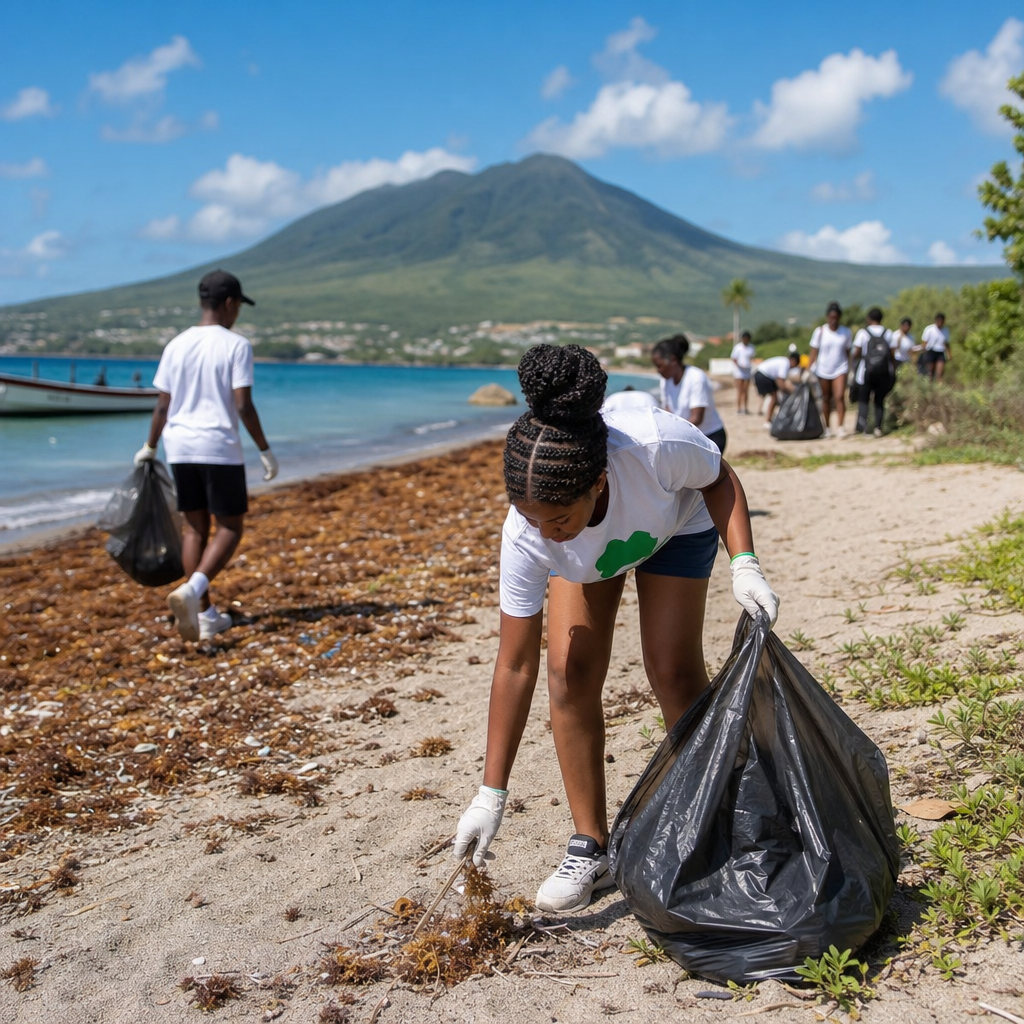
Community cleanups are often the most visible Earth Day activity in Nevis because they address a problem everyone can see immediately. Litter along roads, in ghauts, near beaches, and around public spaces does more than look untidy. It blocks drainage channels, increases flood risk during heavy rain, harms marine life when debris reaches the sea, and undermines the island’s tourism appeal. In small-island waste systems, collection and disposal costs are high, so reducing waste at the source matters as much as cleanup itself.
On Earth Day, local groups commonly organize beach sweeps, roadside collection drives, and school-led neighborhood cleanups. These events often involve gloves, bag distribution, sorting stations, and partnerships with public works or waste services for disposal. The best programs do not stop at collecting trash. They track what is found, identify patterns such as beverage bottles or food packaging, and use those findings to guide future policy and education. That is how a one-day event becomes a useful management tool rather than a photo opportunity.
Plastic reduction is a frequent companion theme. Restaurants, guesthouses, and shops in Nevis increasingly understand that single-use plastics create both a cost and a reputation problem. Visitors notice foam containers on roadsides and bottles near shorelines. Businesses that switch to refill systems, reusable service ware, paper alternatives, or better back-of-house sorting can reduce waste volumes substantially. For local residents, the practical benefits include cleaner public areas and less windblown debris entering drains and coastal waters after storms.
Earth Day also provides a strong moment for households to think about separation of recyclables, safe disposal of batteries and electronics, and composting of yard and food waste. Even where full-scale recycling infrastructure is limited, source separation improves future recovery options and reduces contamination. In island settings, waste reduction always works best when tied to behavior change: buy less packaging, reuse containers, and dispose of materials correctly the first time.
Coastal protection, marine conservation, and beach stewardship
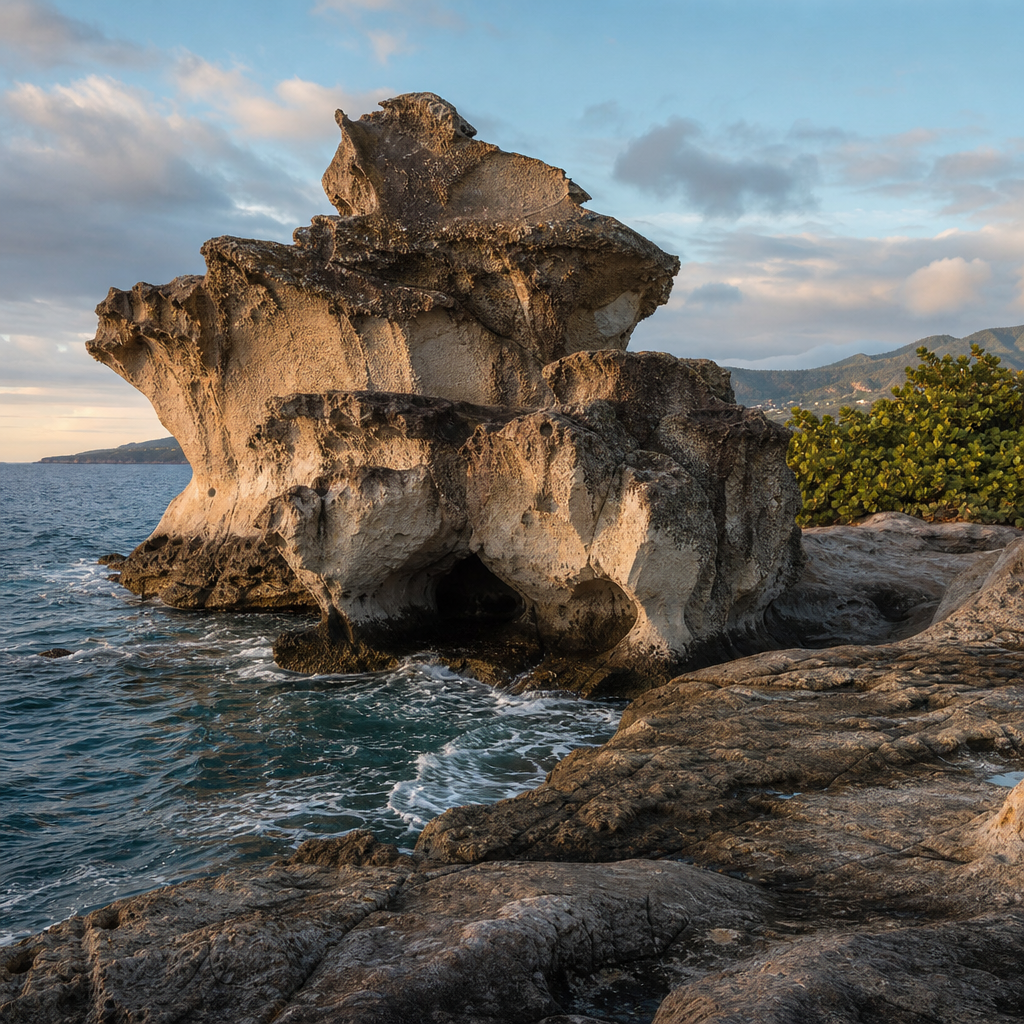
Nevis depends on healthy coastal ecosystems. Beaches protect shorelines from erosion, reefs reduce wave energy, seagrass meadows support fisheries, and mangroves provide nursery habitat while helping trap sediment. Earth Day events focused on the coast usually combine cleanup with public education about what keeps those systems functioning. That includes not driving on sensitive beach areas, not removing sand, anchoring responsibly, and preventing runoff from carrying sediment and pollutants into nearshore water.
Sea turtle awareness is especially relevant on Caribbean islands, and Nevis has nesting beaches that require careful stewardship. Local conservation messaging around Earth Day often reminds residents and visitors to avoid disturbing nests, keep beachfront lighting controlled during nesting periods, and report sightings appropriately. Those actions are simple but effective. Artificial light can disorient hatchlings, beach furniture can obstruct nesting females, and unmanaged pets can damage nests. Small changes in beachfront behavior make a measurable difference.
Marine conservation also intersects directly with recreation. Snorkelers and divers benefit from clear water and living reef structure, but those assets are vulnerable to sunscreen pollution, improper fin contact, anchor damage, and sediment runoff from land. Dive operators and hotel activity teams can turn Earth Day into a hands-on lesson by pairing reef talks with guided shoreline observations or debris removal. When people understand that a plastic bottle in a ghaut can end up snagged in seagrass or reef habitat, the connection between upland behavior and marine health becomes real.
| Initiative | Main Environmental Benefit | Simple Local Example |
|---|---|---|
| Beach cleanups | Reduces marine debris and protects wildlife | Volunteers remove plastics before tides carry them offshore |
| Turtle awareness | Improves nesting success and hatchling survival | Hotels dim beachfront lighting during nesting season |
| Tree planting | Supports soil stability, shade, and watershed health | Schools plant native species in erosion-prone areas |
| Composting | Cuts landfill pressure and improves soils | Households turn yard waste into garden mulch |
| Water education | Encourages conservation during dry periods | Residents fix leaks and collect rainwater for gardens |
Tree planting, biodiversity, and watershed health
Tree-planting campaigns are common Earth Day features, but their value in Nevis depends on ecological fit. Planting the wrong species in the wrong place can waste money and create maintenance problems. Planting native or well-adapted species in areas that need slope stabilization, shade, or habitat support can improve watershed function over time. On volcanic islands with steep terrain, healthy vegetation cover helps slow runoff, reduce erosion, and protect water quality downstream.
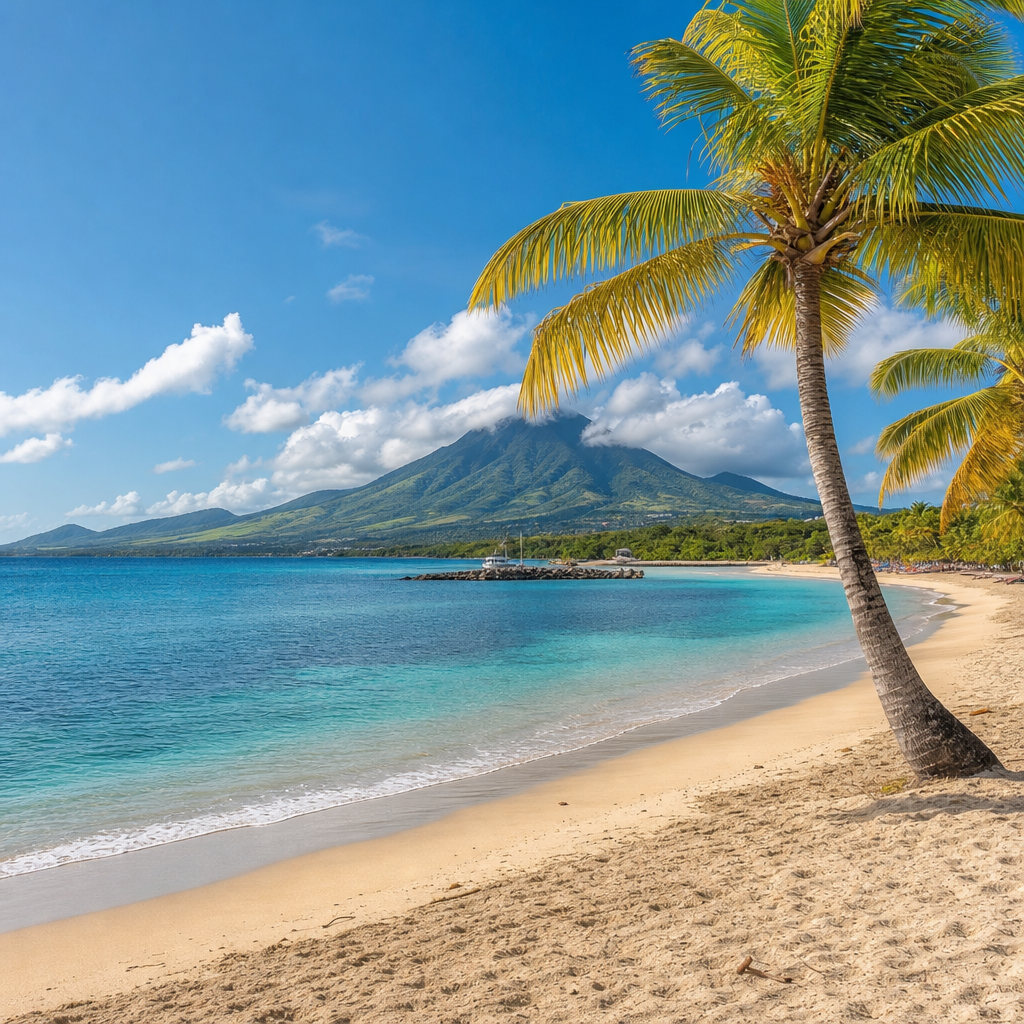
Nevis Peak and its surrounding forested areas are central to the island’s ecological identity. These upland zones influence rainfall capture, groundwater recharge, and habitat quality for birds and other native species. Earth Day activities that include guided nature walks, school forestry lessons, or planting in degraded community spaces help residents connect landscape health with daily life. The lesson is straightforward: when vegetation is lost, soils wash more easily, waterways carry more sediment, and coastal habitats suffer.
Biodiversity education matters because island ecosystems are sensitive. Invasive species, unmanaged grazing, illegal dumping, and careless land clearing can have outsized impacts in a limited geographic area. Schools and community groups often use Earth Day to teach identification of native plants, pollinators, and common coastal species. That kind of familiarity builds long-term stewardship. People protect what they can recognize and value.
Maintenance is the part many campaigns overlook. In practice, successful planting programs assign responsibility for watering, mulching, staking, and replacing losses. Public spaces near schools, churches, and playing fields tend to do better because caretakers are close by. When municipalities, businesses, and youth groups return to a site several months later, survival rates improve dramatically. Earth Day should start that process, not end it.
Schools, youth programs, and public environmental education
Schools are often the strongest engine behind Earth Day in Nevis because children carry environmental messages into their homes quickly. A classroom lesson about litter in drains becomes a conversation at dinner. A school garden project changes how students think about food waste, soil, and rainfall. Poster competitions, debates, field visits, and science projects help turn broad environmental ideas into local knowledge.
The most effective youth programs are place-based. Instead of teaching pollution only in general terms, teachers can use nearby beaches, ghauts, farms, and village roads as examples. Students understand runoff better when they can see where rainwater flows after a storm. They understand biodiversity better when they identify coastal birds or compare healthy and degraded vegetation zones. Earth Day is useful because it encourages experiential learning rather than textbook memorization.
Public education works best when agencies and community groups keep the language plain. Residents do not need jargon to understand that blocked drains worsen flooding, that compost improves gardens, or that burning mixed waste creates unhealthy smoke. Radio interviews, church notices, school assemblies, and social media posts can all reinforce a consistent message. In my experience, campaigns gain traction when they give people a specific next step: bring a reusable bottle, join a cleanup at 7 a.m., report illegal dumping, or plant two native trees this season.
Youth leadership also deserves attention. Teen volunteers who coordinate collection points, create awareness videos, or help catalog cleanup waste are not just participating; they are building civic skills. On islands, that matters. Today’s student volunteer becomes tomorrow’s business owner, planner, teacher, or fisheries officer. Earth Day provides a practical training ground for environmental citizenship.
Sustainable tourism, farming, and everyday island resilience
Environmental initiatives in Nevis succeed when they connect with livelihoods. Tourism is the clearest example. Hotels, villas, restaurants, taxi operators, and tour guides all benefit from clean landscapes and healthy coastlines. Earth Day gives tourism businesses a credible reason to review operating practices such as water conservation, linen reuse, landscape irrigation, food sourcing, and waste separation. Guests increasingly expect visible sustainability measures, especially in destinations built around nature and wellness.
Local agriculture is part of the same story. Farmers face pressure from changing rainfall patterns, soil loss, pests, and input costs. Earth Day programming that includes composting workshops, water-saving irrigation methods, mulching demonstrations, or backyard gardening support can strengthen food resilience. On a small island, every improvement in soil health and local production reduces dependence on imports and supports community stability.
Water management deserves special emphasis. Caribbean islands regularly deal with dry periods, intense rainfall events, and infrastructure stress. Practical conservation measures include fixing leaks, installing low-flow fixtures, capturing rainwater for non-potable use, and protecting catchment areas from contamination. During Earth Day discussions, it helps to frame water not as an unlimited utility but as a shared resource linked to forests, drainage, development patterns, and household habits.
Resilience also means preparing for storms and climate pressure. Clean drains, protected shorelines, stable slopes, and healthy vegetation reduce vulnerability. Communities that already organize around Earth Day are often better positioned to mobilize before and after extreme weather. That social capacity is an environmental asset in its own right. A village that can coordinate a cleanup can also coordinate debris management, hazard reporting, and mutual support when conditions worsen.
Celebrating Earth Day in Nevis ultimately means recognizing that environmental care is inseparable from local life. Clean beaches support tourism and community pride. Healthy forests and vegetation protect watersheds and reduce erosion. Better waste habits keep roads, ghauts, and coastal waters safer and more attractive. School programs build the next generation of practical stewards, while businesses and farmers translate sustainability into daily operations. None of these initiatives stands alone; each reinforces the others.
The strongest lesson from Nevis is that small-island action does not need to be grand to be effective. A well-run cleanup, a carefully maintained tree-planting site, a compost bin behind a home or hotel kitchen, or a simple change in beachfront lighting can produce real environmental benefits. Earth Day works because it creates visibility, urgency, and a shared sense of responsibility. It turns broad global themes into local tasks that residents can see, measure, and improve over time.
For anyone exploring the Local Life and Experiences side of Nevis, these environmental initiatives offer one of the clearest views into how the island cares for itself. Join an Earth Day event, support businesses that reduce waste, respect beaches and trails, and carry those habits through the rest of the year. That is how Earth Day in Nevis becomes not just a celebration, but a durable community practice.
Frequently Asked Questions
What does Earth Day in Nevis typically involve?
Earth Day in Nevis usually goes far beyond symbolic observance. It brings together schools, community groups, tourism operators, conservation advocates, farmers, fishers, and public agencies in practical activities that support the island’s environmental health. Events often include beach and roadside cleanups, tree-planting campaigns, school presentations, community beautification projects, recycling drives, and public discussions about marine protection, water conservation, and sustainable land use. Because Nevis is a small island where ecosystems and daily life are closely connected, Earth Day is often approached as a community-wide effort rather than a single event.
What makes the occasion especially meaningful in Nevis is the way environmental action is tied directly to everyday wellbeing. Protecting shorelines helps tourism and fisheries. Caring for watersheds supports agriculture and freshwater resources. Maintaining clean public spaces strengthens both public health and neighborhood pride. Earth Day therefore serves as a visible reminder that environmental stewardship is not separate from economic resilience or cultural identity. On Nevis, it is often celebrated as a hands-on expression of responsibility to place, heritage, and future generations.
Why is Earth Day especially important for a small island like Nevis?
Earth Day carries particular significance in Nevis because small islands experience environmental pressures in immediate and highly visible ways. Coastal erosion, marine pollution, habitat loss, unmanaged waste, and climate-related threats such as stronger storms or shifting rainfall patterns can affect homes, roads, tourism, farming, and fishing within a relatively compact area. When beaches, reefs, hillsides, villages, and infrastructure all exist in close proximity, environmental problems are rarely isolated. A challenge in one area can quickly influence many others.
That is why Earth Day in Nevis is often centered on practical awareness. It highlights the reality that protecting natural systems is essential to the island’s long-term stability. Healthy reefs help buffer coastlines and support marine life. Well-managed land reduces runoff and erosion. Cleaner communities improve quality of life and strengthen the visitor experience. Earth Day helps translate these connections into community action, making environmental care feel local, urgent, and achievable. For Nevis, the day is not only about global environmental values; it is about safeguarding the natural foundation of island life.
What kinds of local environmental initiatives are commonly linked to Earth Day in Nevis?
Local initiatives associated with Earth Day in Nevis often focus on areas where community action can make an immediate difference. Coastal cleanups are among the most visible, especially in places where litter can affect beaches, mangroves, and nearshore marine habitats. Tree planting and landscape restoration are also common, particularly in areas where vegetation helps support soil stability, shade, biodiversity, and water retention. Educational outreach in schools is another important component, helping students understand how local ecosystems function and why environmental protection matters for the island’s future.
Other initiatives may include partnerships with hospitality businesses to improve waste practices, community campaigns to reduce single-use plastics, and programs that encourage responsible use of water and energy. Efforts related to marine conservation, such as promoting reef-safe habits, supporting sustainable fishing awareness, or protecting coastal ecosystems, can also align naturally with Earth Day programming. The most effective initiatives tend to be collaborative and ongoing. Rather than treating Earth Day as a one-day campaign, Nevis often uses it as a platform to strengthen year-round environmental habits, build public participation, and connect conservation goals with daily community life.
How do schools and local communities participate in Earth Day activities in Nevis?
Schools and local communities play a central role in making Earth Day meaningful in Nevis. Students may take part in classroom lessons, poster campaigns, environmental clubs, cleanup projects, school garden activities, or field-based learning about coastal and terrestrial ecosystems. These experiences help young people see the direct relationship between environmental care and the places where they live, learn, and play. Earth Day can be especially effective in education because it combines knowledge with action, showing students that even simple efforts such as proper waste disposal, planting, and conservation awareness can have lasting value.
Community participation often expands that learning beyond the classroom. Residents may join neighborhood cleanups, volunteer at public events, support local environmental organizations, or take part in awareness campaigns led by civic groups and government departments. Churches, youth groups, businesses, and village organizations can also contribute by helping organize logistics, sharing information, or sponsoring supplies. This broad participation reflects one of the strongest features of Earth Day in Nevis: it builds a shared sense of ownership. When people from different sectors work together, environmental stewardship becomes part of community culture rather than the responsibility of a single institution.
How can visitors and residents support environmental efforts in Nevis beyond Earth Day?
Supporting environmental initiatives in Nevis after Earth Day begins with everyday choices. Residents and visitors can reduce litter, avoid single-use plastics where possible, dispose of waste responsibly, conserve water and electricity, and respect beaches, reefs, trails, and public spaces. People enjoying the island’s natural areas can make a meaningful difference by not disturbing wildlife, avoiding damage to coral and coastal vegetation, and following local guidance on marine and land-based activities. Businesses and households can also adopt better habits by choosing reusable materials, supporting local produce, and participating in community cleanup or beautification efforts throughout the year.
Another valuable way to help is by supporting organizations, schools, and community groups that are already doing environmental work on the island. That support can take the form of volunteering, donations, sponsorship, attendance at educational events, or simply helping share awareness of local conservation priorities. Visitors can contribute by choosing responsible tourism providers and respecting the environmental values that sustain Nevis’s appeal. In a place where natural beauty, cultural heritage, and economic life are closely linked, small consistent actions matter. Earth Day may provide the spark, but long-term environmental care in Nevis depends on steady, collective commitment every month of the year.