Responsible tourism in Nevis is best understood as travel that protects the island’s natural and cultural assets while ensuring local people shape, benefit from, and take pride in visitor activity. On a small Caribbean island where villages, heritage sites, reefs, farms, and family businesses sit close together, tourism choices have visible consequences. I have seen this firsthand in island destinations: when engagement is designed well, tourism supports schools, artisans, guides, farmers, and conservation groups; when it is designed poorly, money leaks outward and residents feel crowded out of their own communities. Nevis offers a useful case because its scale makes community participation tangible. Visitors can meet producers, hear local history directly, and contribute to programs that improve livelihoods without turning culture into a staged commodity.
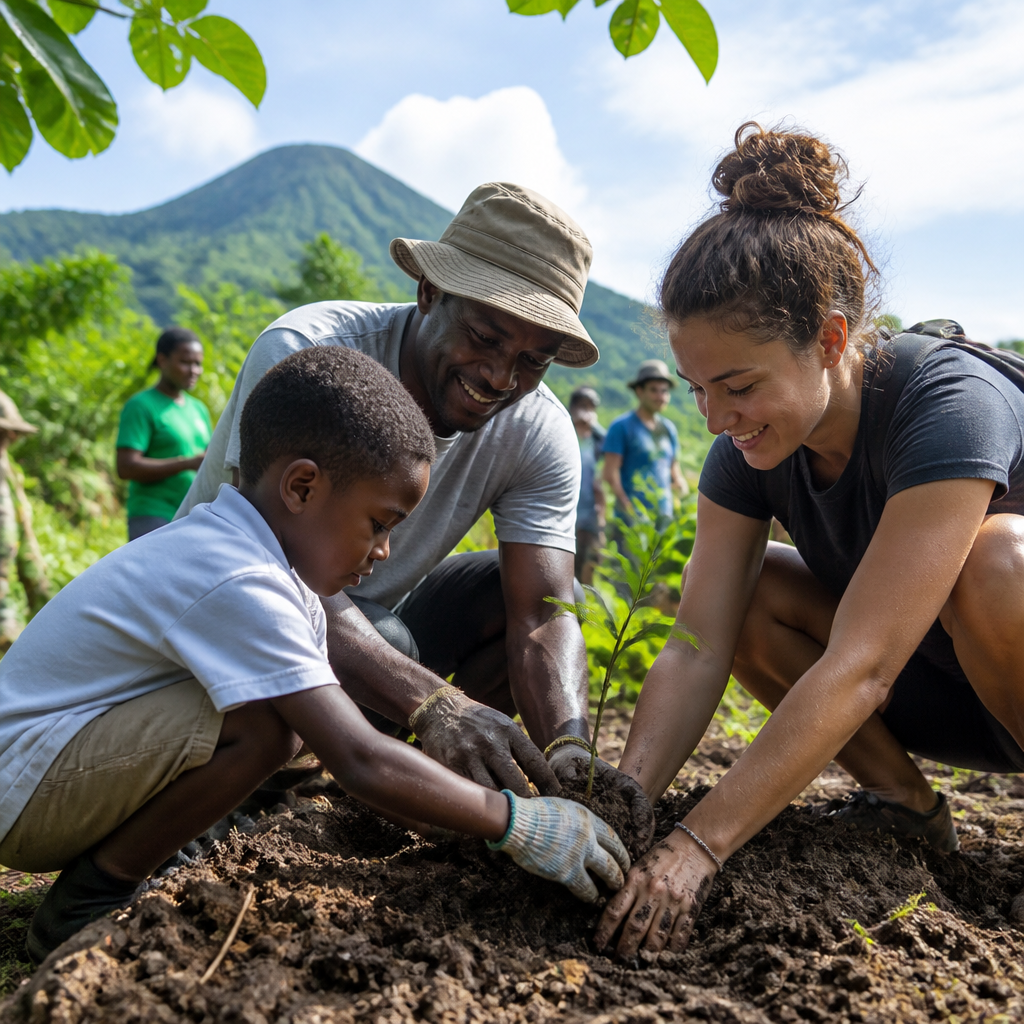
Community engagement programs are the practical tools that make responsible tourism real. They include volunteer and educational partnerships, heritage preservation projects, marine and trail stewardship, farm-to-table supply chains, local hiring and training, and events that channel visitor spending toward resident-led enterprises. The goal is not charity tourism or a superficial photo opportunity. The goal is mutual value: travelers gain deeper understanding, businesses build durable local relationships, and communities retain decision-making power over what tourism looks like. That matters for Nevis because the island’s appeal depends on living culture, healthy ecosystems, and resident goodwill. If those erode, the visitor experience weakens too. This hub article explains how Nevis’ community engagement programs work, where they create value, what standards define good practice, and how travelers, operators, and policymakers can strengthen the model across the island’s broader sustainable tourism landscape.
What Responsible Tourism Means in Nevis
In Nevis, responsible tourism starts with the recognition that the island is not simply a resort backdrop. It is a community with a long history shaped by African heritage, plantation-era legacies, seafaring traditions, village networks, religious institutions, and a modern economy that balances tourism with agriculture, fisheries, and public services. Responsible tourism therefore asks a direct question: how does a visitor’s presence improve life for residents while protecting the island’s character? The answer usually comes down to ownership, participation, and stewardship.
Ownership means local people should capture a fair share of tourism revenue through jobs, contracts, guiding, transportation, food production, creative work, and entrepreneurship. Participation means residents are consulted before new activities are introduced, especially in sensitive areas such as beaches, hiking routes, heritage neighborhoods, and marine habitats. Stewardship means tourism operators help maintain the very assets they rely on, whether by supporting beach cleanups, reducing single-use plastics, funding cultural restoration, or training staff in environmental management. On a small island, these factors are interconnected. A hotel that buys herbs, fruit, and fish locally supports households and reduces import dependence. A tour company that trains local guides in interpretation improves visitor learning and creates career paths. A festival that prioritizes resident vendors keeps spending circulating within Nevis instead of leaking offshore.
How Community Engagement Programs Create Local Value
The strongest community engagement programs in Nevis share a simple principle: residents are partners, not props. In practice, that means programs are designed around identified local needs and local capabilities. I have worked on tourism content and destination planning projects where the most effective initiatives began with listening sessions rather than marketing campaigns. Communities often know exactly what kind of tourism they want more of: smaller groups, better timing, respectful photography rules, cleaner public spaces, and stronger links between visitor demand and local production.
Economic value is the most obvious benefit, but it should be measured carefully. A tourism initiative creates meaningful local value when spending reaches independent workers and neighborhood enterprises rather than stopping at a single large operator. In Nevis, this can happen through cooking classes using island-grown ingredients, guided heritage walks led by trained residents, craft markets attached to events, or excursion packages that include transport by local drivers and meals from local kitchens. Social value matters as much as income. Programs that involve youth groups, schools, elders, and cultural practitioners help transfer knowledge and strengthen community identity. Environmental value also counts. Visitor-supported reef education, trail maintenance, turtle awareness, or waste reduction campaigns can produce benefits that last beyond a single season.
| Program Type | How It Works in Nevis | Main Community Benefit | What Travelers Gain |
|---|---|---|---|
| Heritage tours | Resident guides interpret village history, historic estates, churches, and emancipation narratives | Income for guides and preservation incentives | Accurate local context and deeper cultural understanding |
| Farm-to-table partnerships | Hotels and restaurants buy produce, herbs, and specialty foods from island growers | Reliable markets for farmers and less import leakage | Fresher meals and a clearer sense of place |
| Marine stewardship activities | Visitors join reef education, beach cleanups, or responsible boating briefings | Cleaner coasts and stronger conservation awareness | Hands-on learning about island ecosystems |
| Community festivals and markets | Events prioritize local performers, artisans, food vendors, and service providers | Broad distribution of tourism spending | Authentic interaction and memorable local products |
Heritage, Culture, and Resident-Led Storytelling
One of Nevis’ greatest strengths is that culture is still lived, not merely displayed. Responsible tourism programs should protect that distinction. Resident-led storytelling is especially important because it prevents historical flattening. Nevis has ties to plantation history, emancipation, migration, village traditions, and political development within the Federation of Saint Kitts and Nevis. Those stories are best interpreted by people who understand the landscape socially as well as geographically. A guide explaining a former estate, for example, can connect architecture, labor history, family memory, and present-day land use in a way no generic script can match.
Good cultural engagement programs set boundaries as well as opportunities. Not every ceremony, neighborhood activity, or private tradition should be opened to visitors, and responsible operators respect that. The benchmark is consent and context. Festivals, music, culinary demonstrations, oral history walks, and craft workshops work well when practitioners choose the format, define what is shared, and receive fair compensation. I have seen destinations damage trust by packaging culture too aggressively; once residents feel pressured to perform, authenticity declines and participation narrows. Nevis can avoid that by backing small-group experiences, clear fee structures, and partnerships with schools, archives, churches, and cultural organizations that already hold community trust. When residents tell their own stories, visitors leave with a more accurate understanding of the island and a stronger reason to support preservation.
Environmental Stewardship: Reefs, Trails, Beaches, and Waste
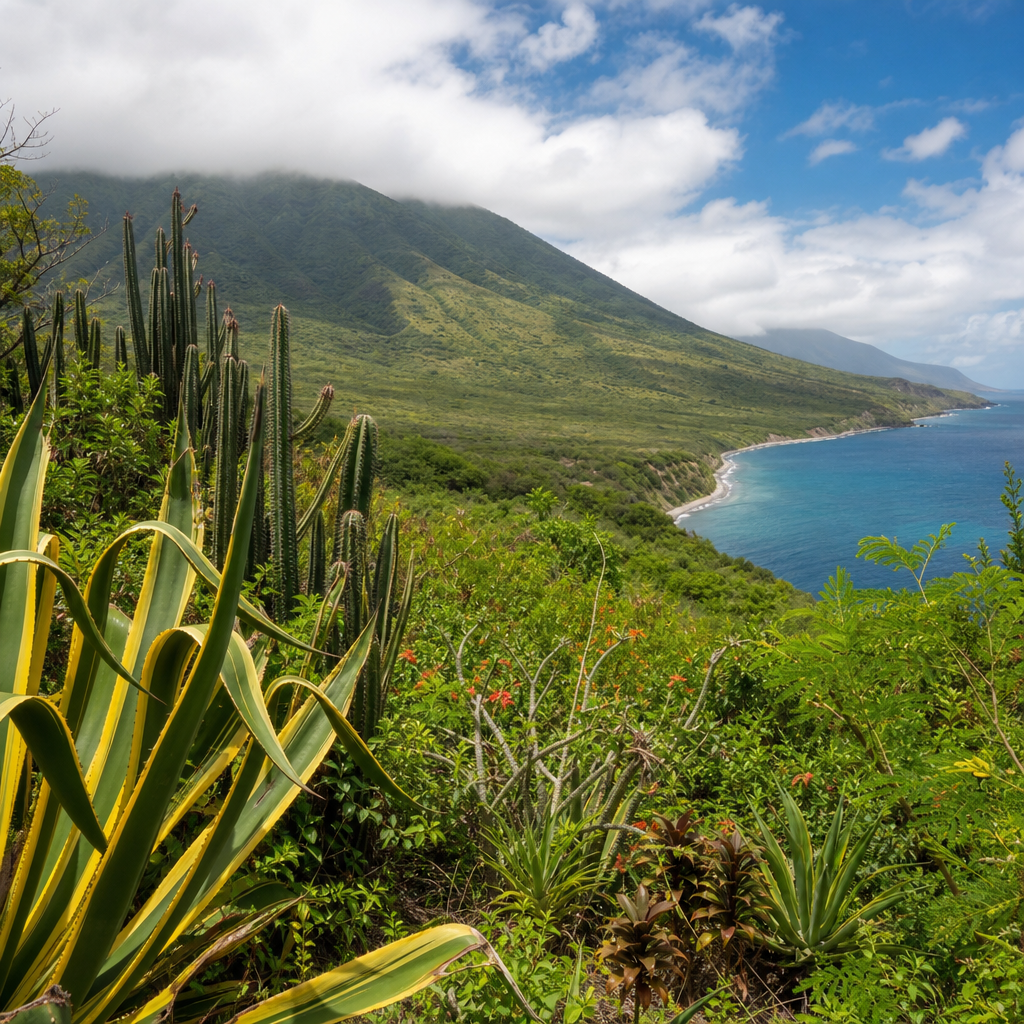
Because Nevis is marketed through its natural beauty, environmental community engagement programs are not optional extras; they are core tourism infrastructure. Coral reefs, coastal waters, beaches, and hiking routes are economically productive assets, but they are also fragile. Reef damage from careless anchoring, sunscreen pollution, sediment runoff, and irresponsible snorkeling can accumulate quickly. Trails can erode when unmanaged use increases. Public beaches lose resident support if litter rises or access becomes contested. Effective responsible tourism programs address these risks before they become crises.
For marine activities, operators should brief visitors on no-touch snorkeling, safe fin use, and wildlife distance. Dive and boating businesses can align with best practices promoted by organizations such as Green Fins, which emphasizes practical measures that reduce diver and snorkeler impact. On land, trail guides should explain leave-no-trace principles, group size limits, hydration planning, and respect for private property. Waste reduction is equally important. Hotels, villas, and excursion providers can replace single-use water bottles with refill systems, separate recyclables where infrastructure allows, and source in bulk to reduce packaging. Community cleanups are valuable, but they work best when linked to prevention, data collection, and municipal coordination. In Nevis, the most credible environmental programs connect visitor education with local leadership, so conservation is not presented as an imported idea but as everyday island stewardship supported by tourism revenue.
Local Enterprise, Skills Training, and Supply Chains
Community engagement often fails when destinations focus only on visitor activities and ignore the supply chain behind them. In Nevis, a responsible tourism strategy should ask who grows the food, repairs the boats, launders the linens, designs the menus, builds the excursions, manages the bookings, and interprets the destination. Every one of those functions can either strengthen local capacity or bypass it. The most resilient model is one that expands local enterprise participation at multiple points in the tourism economy.
Farm-to-table programs are a strong example. When chefs buy local vegetables, breadfruit, herbs, goat products, jams, or seafood from Nevisian suppliers, they create recurring demand instead of one-off purchases. That gives farmers and producers a reason to invest in quality, consistency, and niche products. Training matters too. Hospitality apprenticeships, culinary instruction, guide certification, digital marketing workshops, and small-business finance support help residents move from low-wage service roles into management and ownership. Recognized tools such as HACCP for food safety, ServSafe-style kitchen training, and customer service standards can raise competitiveness without sacrificing local identity. I have seen destinations change materially when procurement managers are measured on local spend, not just price. Nevis benefits when hotels and tour operators publish supplier pathways, simplify onboarding for small vendors, and commit to paying local businesses on workable terms rather than long delays that strain cash flow.
How Travelers Can Participate Responsibly
Travelers often ask what responsible participation looks like in practical terms. In Nevis, it starts before arrival. Choose accommodations and tours that explain their local partnerships, environmental practices, and hiring approach in specific language. Vague claims about being eco-friendly are less useful than direct evidence: refill stations, local procurement, community donations tied to named projects, trained resident guides, and written visitor guidelines. Ask whether excursions cap group sizes, how cultural hosts are compensated, and whether marine activities follow reef-safe procedures.
Once on the island, spend intentionally. Book local guides, eat at independently run restaurants, buy directly from artisans, and tip fairly where appropriate. Respect access rules at beaches, churches, neighborhoods, and heritage sites. Ask before taking close photographs of people or private property. If you join a volunteer activity, choose one that meets a real local need and does not displace paid labor. Short-term visitors are usually more useful as learners and supporters than as untrained workers. Finally, give feedback that rewards good practice. Mention resident knowledge, conservation briefings, and local sourcing in reviews. That helps future travelers identify quality operators and signals to businesses that community engagement matters commercially. Responsible tourism in Nevis is not complicated, but it does require attention: spend where it counts, follow local guidance, and treat the island as someone’s home rather than a consumable scene.
Building a Stronger Hub for Nevis’ Sustainable Tourism Future
Nevis’ community engagement programs show that responsible tourism works best when it is built into the whole visitor economy, not isolated as a niche activity. Heritage interpretation, environmental stewardship, local sourcing, skills training, and resident-led events all reinforce one another. When a traveler eats food grown on the island, learns history from a local guide, follows reef-safe rules, and buys from neighborhood businesses, the benefits multiply across households and ecosystems. Just as important, the destination becomes more distinctive. Nevis does not need to imitate larger Caribbean markets. Its advantage is intimacy, credibility, and the ability to connect visitors directly with people and place.
For policymakers and businesses, the next step is consistency. Set clear standards for community consultation, track local procurement and local employment, support guide and vendor training, and protect public access to cultural and natural assets. For travelers, the lesson is simple: choose experiences that keep value on the island and respect resident priorities. That is how sustainable tourism becomes measurable rather than rhetorical. Use this hub as your starting point for exploring the wider Nevis sustainable tourism landscape, then plan your trip around operators and programs that prove community engagement with actions, not slogans. Responsible tourism in Nevis is not a trend. It is the practical path to protecting the island’s character while helping its communities thrive for the long term.
Frequently Asked Questions
What does responsible tourism mean in Nevis, and why does community engagement matter so much?
In Nevis, responsible tourism means making travel decisions that protect the island’s environment, respect its cultural identity, and create real benefits for local people. Because Nevis is a small island, the effects of tourism are immediate and visible. Visitor spending can either strengthen village life, support family-run businesses, preserve heritage sites, and encourage environmental care, or it can strain resources, overlook residents, and disconnect tourism from everyday community needs. Community engagement matters because it helps ensure tourism is shaped with local input rather than simply imposed for outside interests.
When residents, farmers, fishers, artisans, teachers, guides, and small business owners have a voice in tourism planning, the result is usually more balanced and sustainable. Programs that involve local participation can direct tourism income into the hands of people who live on the island, support the continuation of traditional skills, and build pride in Nevisian history and culture. Engagement also improves the visitor experience. Travelers often want more than scenery; they want meaningful connections, authentic stories, and a better understanding of the place they are visiting. In Nevis, responsible tourism works best when communities are not treated as a backdrop to tourism, but as active partners in creating it.
What kinds of community engagement programs are commonly associated with responsible tourism in Nevis?
Community engagement programs in Nevis can take many forms, but they generally focus on creating shared value between visitors and residents. These may include heritage tours led by local guides, village-based cultural experiences, partnerships with farmers and fishers who supply hotels and restaurants, environmental conservation activities such as coastal cleanups or reef awareness programs, and initiatives that promote local crafts, music, food, and storytelling. Educational outreach and skills training are also important, especially when tourism development is linked to internships, youth involvement, entrepreneurship, or hospitality training for residents.
Another key area is support for locally owned enterprises. Responsible tourism programs often encourage visitors to spend with Nevisian businesses such as guesthouses, taxis, markets, eateries, wellness practitioners, and tour operators. Some initiatives may also center on restoring heritage landmarks, preserving oral history, or connecting tourism revenue to community priorities like schools, public spaces, and environmental stewardship. The most effective programs are not isolated events created for appearances; they are ongoing efforts that build relationships, strengthen local capacity, and ensure tourism contributes to the long-term health of the island’s economy, culture, and ecosystems.
How do Nevis’ community engagement programs benefit local residents as well as visitors?
Well-designed community engagement programs create practical and cultural benefits for residents while giving visitors a deeper and more rewarding experience. For local people, the most direct benefit is economic opportunity. Tourism can generate income for guides, drivers, cooks, artists, vendors, farmers, event organizers, and small business owners when programs are structured to keep spending within the local economy. That matters significantly in a small-island context, where economic leakage can otherwise reduce the value tourism brings to the community.
Beyond income, these programs can support skills development, encourage youth participation, and reinforce cultural preservation. When local traditions, historic knowledge, agricultural practices, and creative work are recognized as valuable parts of the visitor experience, communities often gain stronger incentives to protect and continue them. This can build civic pride and help residents feel that tourism reflects who they are rather than replacing local identity with a generic resort model.
Visitors benefit because they experience a more genuine version of Nevis. Instead of staying disconnected from island life, they may learn directly from people who know the land, sea, and history intimately. That could mean hearing stories tied to a heritage site, tasting produce grown nearby, understanding conservation challenges from local experts, or participating in activities that reveal how community and environment are interconnected. These experiences are often more memorable and meaningful than standard sightseeing because they create understanding, not just entertainment.
How can travelers participate in responsible tourism and support Nevisian communities in a respectful way?
Travelers can support responsible tourism in Nevis by making intentional choices before and during their trip. A good starting point is to book with locally owned or community-connected businesses whenever possible, including accommodations, guides, transportation providers, restaurants, and shops. Spending directly with Nevisian enterprises helps keep more tourism revenue on the island and supports the people most closely tied to its cultural and environmental well-being. Choosing tours that are educational, small-scale, and locally led is another strong way to engage responsibly.
Respect is equally important. Visitors should approach community-based experiences with curiosity and humility, recognizing that villages, heritage spaces, churches, farms, and fishing areas are living parts of local life, not just attractions. Asking permission before taking photos of people, following environmental guidelines, observing local customs, and listening carefully to guides and residents all contribute to a more respectful exchange. Travelers can also reduce pressure on the island’s resources by being mindful of water and energy use, limiting waste, and avoiding activities that damage reefs, beaches, trails, or wildlife habitats.
It is also wise to look beyond performative gestures. Responsible tourism is not simply about attending a cultural event or buying a souvenir; it is about understanding how your presence affects the destination. Travelers who ask where their money goes, who benefits from an excursion, whether local knowledge is being honored, and how the environment is being protected are more likely to make choices that align with Nevis’ long-term interests. In that sense, responsible tourism in Nevis is a partnership: visitors enjoy the island more deeply when they contribute to its resilience and dignity.
What should destinations and tourism businesses do to make community engagement programs in Nevis truly effective?
For community engagement programs in Nevis to be genuinely effective, they must be built on collaboration, transparency, and long-term commitment. Tourism businesses and destination leaders should begin by involving residents early in planning rather than asking for feedback only after decisions have already been made. Community members need meaningful opportunities to identify priorities, raise concerns, and help shape tourism products, conservation efforts, and cultural programming. Engagement works best when local knowledge is treated as essential expertise, not as a symbolic addition.
Businesses should also commit to measurable local benefit. That includes hiring and training Nevisians, sourcing food and services locally, creating fair partnerships with community groups, paying appropriately for cultural knowledge and creative work, and supporting small enterprises rather than overshadowing them. Environmental responsibility must be integrated as well, especially on an island where ecosystems and communities are closely linked. Protecting reefs, coastlines, water resources, trails, and heritage areas is not separate from community benefit; it is part of it.
Perhaps most importantly, programs should be evaluated by outcomes, not marketing language. A successful engagement initiative should show that residents have stronger economic participation, greater decision-making power, and tangible reasons to feel pride in how tourism is developing. Visitors should leave with a better understanding of Nevis, while the island itself should be more resilient culturally, socially, and environmentally. When those conditions are present, community engagement becomes more than a tourism trend. It becomes a practical framework for protecting what makes Nevis distinctive while ensuring the people of Nevis remain at the center of the experience.