Nevisian cooking is a living record of the island’s history, shaped by African heritage, British colonial influence, Indigenous knowledge, and the practical discipline of feeding families from land and sea. On Nevis, food is not treated as a side attraction for visitors; it is a daily expression of resourcefulness, hospitality, and seasonality. Traditional techniques such as slow stewing, open-fire grilling, boiling provisions, seasoning with fresh herbs, preserving fruit, and making full use of local catch still define what appears on home tables. Understanding Nevisian cooking means understanding the ingredients that grow in volcanic soil, the methods that suit a humid Caribbean climate, and the social rituals that turn meals into community events.
The term Nevisian cooking refers to the culinary traditions of Nevis, one of the two islands that form Saint Kitts and Nevis. It overlaps with broader Caribbean cuisine, yet it has distinct habits: heavy use of breadfruit, green banana, coconut, yam, dasheen, saltfish, goat water, fresh reef fish, mango, tamarind, and spices like thyme, scallion, ginger, and hot pepper. Recipes are often built around what is available that day rather than a rigid pantry list. That flexibility matters because island cooking has always depended on fishing conditions, rainfall, home gardens, and market supply.
For anyone exploring local cuisine and dining, Nevis offers a strong example of how tradition survives through technique as much as through ingredients. A fish stew tastes Nevisian not simply because it contains snapper, but because the cook washes the fish with lime, seasons it ahead, browns aromatics carefully, and simmers it just long enough to hold texture. The same is true for coconut dumplings, provision soups, and fruit preserves. In my experience working around Caribbean food writing and speaking with cooks who learned from mothers and grandmothers, the most important lesson is that recipes are memory aids. The real craft lies in timing, heat control, tasting, and knowing when a dish has reached the right consistency, aroma, and balance.
This hub article covers the traditional techniques, staple ingredients, signature dishes, and representative recipes that define Nevisian cooking. It also explains how these methods fit into everyday life, festive meals, and modern restaurant menus. If you want a reliable foundation before diving into specific dishes, this guide maps the essentials clearly and practically.
Core Ingredients That Define Nevisian Flavor
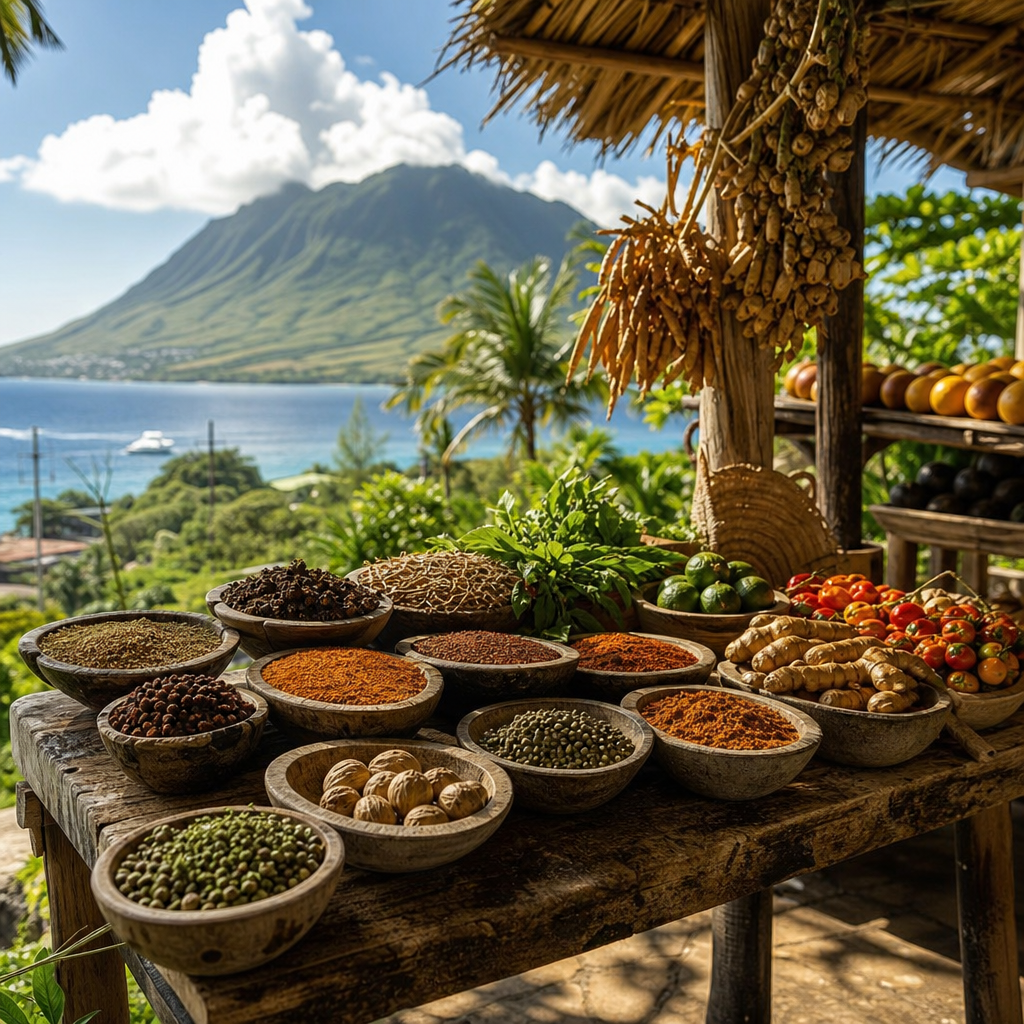
Nevisian food begins with a pantry built from local agriculture and coastal fishing. Ground provisions are central: yam, sweet potato, dasheen, tannia, cassava, and eddoes provide starch, body, and comfort. Green fig, the local term often used for green banana in Caribbean cooking, appears boiled, mashed, or paired with saltfish. Breadfruit, whether roasted, fried, or boiled, is one of the island’s most versatile staples. Rice is common, but provisions still carry deeper traditional weight because they reflect older foodways and small-scale cultivation.
Protein comes from both sea and land. Fresh fish such as snapper, mahi-mahi, tuna, and jacks are widely used, while lobster and conch appear when available and legally in season. Saltfish remains important because salted cod became deeply rooted in Caribbean kitchens through colonial trade networks and still works beautifully with onions, tomato, sweet pepper, and boiled provisions. Goat, chicken, pork, and oxtail are common in stews. Goat has particular significance because of goat water, a peppery broth-like stew long associated with communal cooking and celebrations.
Seasoning ingredients establish the island’s recognizable profile. Thyme, scallion, onion, garlic, parsley, celery, ginger, and Scotch bonnet or other hot peppers are used fresh rather than hidden behind bottled sauces. Coconut appears in several forms: grated into bakes, pressed into milk for rice and stews, or reduced with sugar into desserts. Fruits such as mango, guava, tamarind, sugar apple, soursop, passion fruit, and papaya season drinks, jams, chutneys, and sweets. Cane sugar and molasses continue to shape desserts because sugar production historically influenced the entire region’s economy and diet.
Acid is also important. Lime juice is used to wash fish and meat, brighten sauces, and cut richness. That detail matters because many Caribbean cooks treat lime as part cleaner, part tenderizer, and part flavoring. The result is food that tastes layered rather than heavy. Even hearty dishes usually carry some freshness from herbs, citrus, or pepper heat.
Traditional Cooking Techniques Passed Through Generations
The most important Nevisian cooking techniques are straightforward but exacting. Seasoning ahead is one of them. Fish, goat, or chicken is commonly rubbed with green seasoning made from blended herbs, garlic, onion, and pepper, then left to rest so flavor penetrates before heat is applied. This is not marination for novelty; it is foundational flavor building. Another essential technique is browning. Cooks often brown meat in hot oil, sometimes after lightly coating it with flour or simply searing it until color develops. That browned layer deepens stews and gravies.
Boiling and simmering are especially important because many classic meals center on provisions and soups. Provisions must be cooked until tender but not waterlogged. Dumplings need enough time to set without becoming dense. Broth-based dishes are judged by clarity, aroma, and body. In practice, this means controlling the boil, skimming when needed, and adding ingredients in stages. Goat water, for example, succeeds when tougher cuts have time to release flavor into the broth before delicate seasonings finish the pot.
Open-fire and grill cooking remain deeply tied to Caribbean food culture. On Nevis, grilling fish or lobster over coals produces a smoky edge that no indoor pan fully duplicates. Roasting breadfruit over flame chars the skin and steams the interior, creating a texture ideal for mashing with butter or pairing with saltfish. Frying is used too, but traditional kitchens often balance fried items with boiled components, pickled sides, or fresh salads, which keeps meals satisfying rather than one-note.
Preservation techniques matter in a tropical climate where fruit ripens quickly and surplus must be managed well. Jam making, bottling pepper sauces, pickling, salting fish, and reducing fruit into syrups all reflect practical skill. These methods allowed families to extend seasonal abundance, and they continue today in home kitchens and local food businesses.
| Technique | How It Works | Common Nevisian Uses |
|---|---|---|
| Seasoning | Herbs, aromatics, lime, and pepper applied before cooking | Fish, goat, chicken, saltfish dishes |
| Slow simmering | Gentle cooking over time to tenderize and build broth | Goat water, soups, stews |
| Open-fire roasting | Direct heat chars exterior while steaming interior | Breadfruit, fish, shellfish |
| Boiling provisions | Cooking starchy roots and green bananas until just tender | Breakfasts, side dishes, one-pot meals |
| Fruit preserving | Sugar reduction or bottling to extend shelf life | Mango jam, guava jelly, tamarind sauces |
Signature Dishes and What Makes Them Distinct
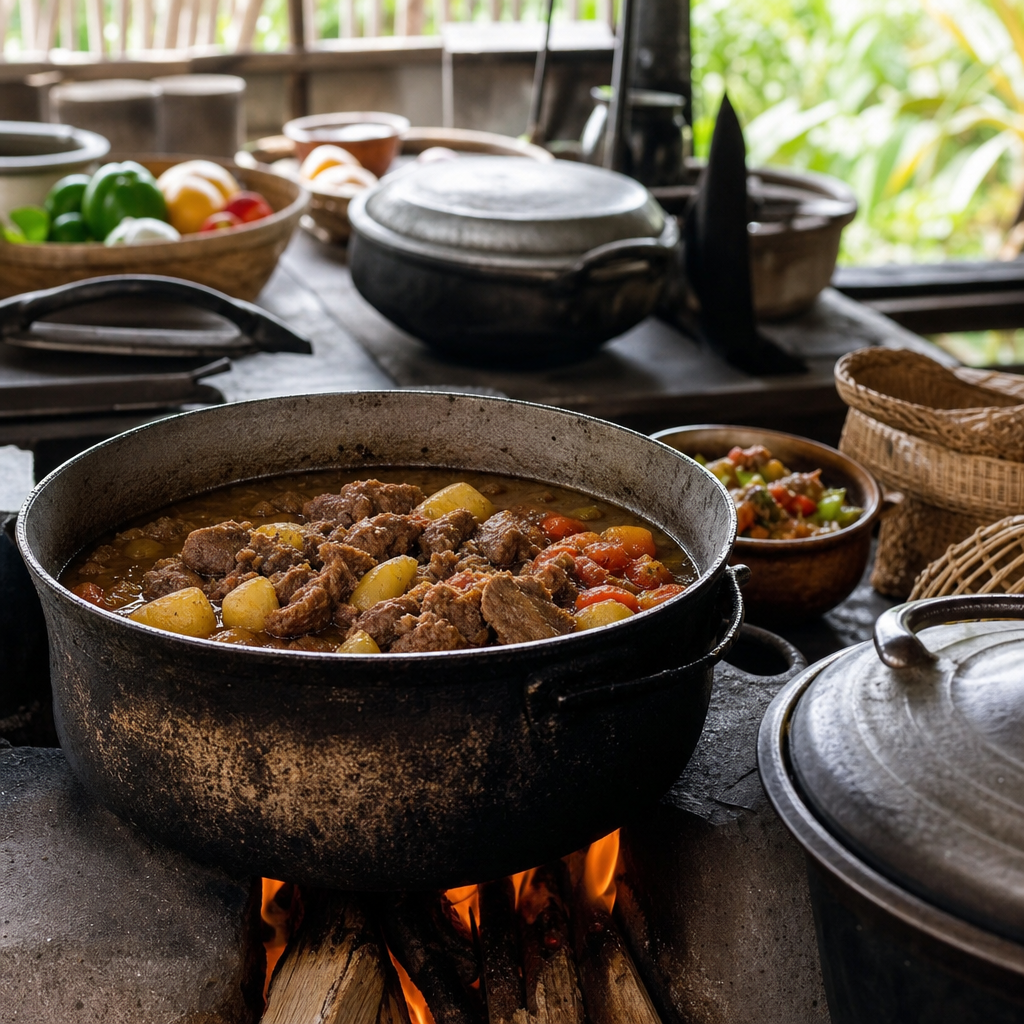
No overview of Nevisian cooking is complete without goat water. Despite the name, goat water is a richly seasoned goat stew with a broth texture, usually cooked with goat meat on the bone, flour dumplings, bread, herbs, cloves, pepper, and sometimes a touch of rum. It is famous across Saint Kitts and Nevis and often prepared for social gatherings because large-batch cooking suits the dish. A proper pot should be deeply savory, lightly peppery, and aromatic with thyme and warm spice rather than overwhelmingly hot.
Saltfish with coconut dumplings is another foundational meal. The saltfish is soaked or boiled to remove excess salt, then sautéed with onion, sweet pepper, tomato, thyme, and sometimes cabbage or green banana. Coconut dumplings add gentle sweetness and richness, proving how Caribbean cooks pair preserved protein with fresh starch to create balance. Stewed fish, often snapper or another firm white fish, highlights similar principles with fresher ingredients and shorter cooking.
Conch dishes, lobster when in season, fish cakes, pelau, and provision soups each represent a different side of local dining. Pelau, though associated across the Caribbean, is prized because it combines rice, pigeon peas or beans, meat, coconut milk, and browned sugar in one pot. Fish cakes show the island’s snack culture: salted or fresh fish mixed into batter with herbs and fried until crisp. Provision soup reflects home cooking at its most practical, turning root vegetables, dumplings, and meat or fish into a complete meal.
Desserts and sweets deserve equal attention. Coconut tart, guava cheese, tamarind balls, sugar cake, cassava pone, and bread pudding appear in homes, bakeries, and community events. These sweets are not decorative extras. They preserve local produce and connect modern kitchens to older methods of grating coconut, boiling sugar syrups, and baking dense fruit-rich mixtures with little waste.
Representative Recipes in Plain Terms
A reliable traditional goat water starts by washing goat meat with lime, draining it well, and seasoning it with garlic, onion, thyme, black pepper, and hot pepper. Brown the meat in a heavy pot, add more onion and herbs, then cover with water or light stock and simmer until tender. Add cloves, a small piece of cinnamon if desired, and dumplings near the end. Some cooks finish with a splash of rum and chopped scallion. The broth should be thin enough to sip but strong enough to coat a spoon lightly.
For saltfish and coconut dumplings, soak flaked saltfish in water, changing the water or parboiling until the salinity is balanced. Sauté onion, sweet pepper, tomato, thyme, and a little garlic, then fold in the fish. For the dumplings, mix flour with grated coconut, a pinch of salt, and enough water to form a firm dough. Shape into small rounds and boil until cooked through. The finished plate should contrast savory fish with soft, faintly sweet dumplings and often a side of boiled plantain or green banana.
Traditional stewed fish depends on restraint. Clean whole fish or fillets with lime, season with salt, black pepper, thyme, and garlic, then lightly fry or sear them. Build a sauce from onion, tomato, sweet pepper, and water or stock, return the fish to the pan, and simmer briefly. Overcooking ruins the texture, so experienced cooks watch the pan closely and spoon sauce over the fish instead of stirring aggressively. Served with rice, breadfruit, or provisions, it captures the straightforward confidence of Nevisian home food.
For a simple island dessert, mango jam is one of the best introductions. Use ripe but not spoiled mangoes, peel and slice them, then cook with sugar, lime juice, and a little grated ginger. Stir steadily as the fruit breaks down and moisture evaporates. When the mixture thickens enough to hold a line across the pot, bottle it hot in sterilized jars. The method sounds basic, but proper jam making teaches the same values found across Nevisian cooking: patience, timing, and close attention to texture.
How Nevisian Cooking Fits Modern Local Dining
Today, Nevisian cooking lives in family kitchens, beach bars, guesthouses, and higher-end restaurants that reinterpret traditional dishes without abandoning their structure. A chef may plate goat water in a refined bowl or serve grilled lobster with tamarind glaze, but the core techniques remain rooted in local practice. That continuity matters for travelers seeking authentic local cuisine and for residents who want menus to reflect the island rather than imitate imported dining trends.
Restaurants that do this well typically rely on local fishers, seasonal fruit, and regional staples instead of overcomplicated fusion. They may pair breadfruit with herb butter, turn saltfish into fritters for starters, or offer cassava-based desserts with contemporary presentation. The best results come when modernization improves consistency and service while respecting the dish’s original balance. When cooks replace fresh herbs with generic seasoning blends or over-sauce seafood, the food loses its identity.
As a miscellaneous hub within local cuisine and dining, Nevisian cooking connects naturally to related topics such as Caribbean breakfast traditions, seafood preparation, island desserts, rum pairings, market produce, and farm-to-table dining. Those deeper articles can explore single ingredients or recipes in detail, but the central lesson remains consistent: the art of Nevisian cooking lies in using modest ingredients with disciplined technique and a strong sense of place.
Nevisian cooking endures because it is practical, flavorful, and inseparable from the island’s culture. Its foundations are clear: ground provisions, fresh and salted seafood, goat, coconut, herbs, fruit, and careful seasoning. Its techniques are equally important: marinating with fresh aromatics, simmering patiently, boiling starches properly, roasting over open flame, and preserving seasonal produce. Together, these habits create dishes that taste complete without relying on excess or gimmickry.
For anyone building a deeper understanding of local cuisine and dining, this tradition offers more than a list of recipes. It shows how geography, trade, memory, and everyday necessity shape a cuisine over generations. Signature foods like goat water, saltfish with coconut dumplings, stewed fish, provision soup, and fruit preserves are worth knowing because each one teaches a broader rule about balance, texture, and timing. They are also realistic dishes to cook at home, even outside the Caribbean, if you respect the methods and use the best ingredients available.
The main benefit of learning Nevisian cooking is that it sharpens your appreciation for food that is both humble and highly skilled. You begin to notice why a lime wash matters, why dumplings need the right density, why breadfruit works so well with smoky heat, and why a broth can feel rich without becoming heavy. Explore one classic dish, source authentic ingredients where possible, and let traditional Nevisian techniques guide the meal from preparation to plate.
Frequently Asked Questions
What makes Nevisian cooking distinct from other Caribbean cuisines?
Nevisian cooking stands out because it reflects the island’s specific history, landscape, and way of life rather than following a single broad Caribbean formula. At its core, it is a cuisine shaped by African culinary knowledge, British colonial influence, Indigenous food wisdom, and the daily necessity of making the most of what the land and sea provide. That combination created a food culture centered on practicality, flavor, and deep respect for ingredients. Dishes are often built from local fish, goat, chicken, root vegetables, peas, rice, coconut, tropical fruits, and fresh herbs, all prepared in ways that emphasize nourishment as much as taste.
What also makes Nevisian food distinctive is its reliance on traditional techniques that developed around seasonality and household survival. Slow stewing tenderizes tougher cuts and creates rich, layered flavor. Boiling provisions such as yam, green banana, sweet potato, and dasheen turns humble staples into the backbone of a meal. Open-fire grilling adds smoke and depth, while herb-based seasoning pastes bring brightness and complexity without relying on heavy processing. Preserving fruit as jams, stews, or bottled preparations reflects a long-standing habit of extending the harvest. Altogether, Nevisian cooking is less about spectacle and more about skill, memory, and the ability to transform local ingredients into comforting, generous food.
Which traditional cooking techniques are most important in Nevisian cuisine?
Several techniques define traditional Nevisian cooking, and each one serves both a practical and culinary purpose. Slow stewing is one of the most important. It is commonly used for meats such as goat, oxtail, or chicken, allowing time for seasoning to penetrate and for connective tissue to break down into a rich, savory sauce. The result is not just tenderness, but a depth of flavor that cannot be rushed. This method reflects a cooking tradition that values patience and careful layering, often beginning with browned meat, aromatics, herbs, and spices before simmering everything until the dish develops body and character.
Boiling provisions is another essential technique. In Nevisian kitchens, starchy vegetables and ground provisions are not side notes; they are central to the meal. Yams, green figs, breadfruit, sweet potatoes, and other staples are boiled until soft and served with fish, stews, or gravies. Open-fire grilling also plays a major role, especially for fish and meats, adding smokiness and creating a direct connection to outdoor cooking traditions. Fresh seasoning is equally important. Rather than depending on bottled shortcuts, many cooks use green onions, thyme, garlic, hot pepper, parsley, and other herbs to build flavor from scratch. Preserving fruit through jams, syrups, and cooked-down preparations is another traditional technique, allowing seasonal abundance to be enjoyed long after harvest. Together, these methods show how Nevisian cuisine balances necessity, flavor, and inherited knowledge.
What are some classic Nevisian dishes and recipes every reader should know?
Anyone exploring Nevisian cooking should begin with a few foundational dishes that capture the island’s traditional flavors and methods. Goat water is perhaps the most famous example. Despite the name, it is a deeply seasoned goat stew rather than a thin soup, usually prepared with bone-in goat meat, aromatics, herbs, spices, and slow simmering until the broth becomes rich and satisfying. It is widely regarded as a national dish and is a perfect example of how Nevisian cooking transforms simple ingredients into something memorable. Stewed saltfish is another important dish, often cooked with onions, tomatoes, peppers, and herbs, then served with boiled provisions or johnny cakes.
Conch dishes, grilled fish, pelau-style rice meals, and hearty soups also represent the cuisine well. A traditional plate may include boiled yam, green banana, or sweet potato alongside fish in a savory sauce or a stewed meat preparation. Coconut frequently appears in desserts and breakfast dishes, while tropical fruits may be turned into jams, tarts, drinks, or preserves. Readers should also pay attention to recipes built around breadfruit, peas, pumpkin, and local greens, since these ingredients help explain how everyday Nevisian meals are structured. The most revealing recipes are often the least flashy: a well-made stew, a pot of provisions, a grilled fish seasoned with herbs and pepper, or a fruit preserve made when the trees are heavy with harvest. These dishes tell the story of the island more clearly than anything overly modernized or tourist-focused.
How does seasonality influence traditional Nevisian cooking?
Seasonality is central to traditional Nevisian cooking because the cuisine developed around availability, not excess. Historically, cooks relied on what was growing, what had been caught, and what could be preserved. That meant meals changed naturally throughout the year, and recipes were often adapted according to what was abundant. Mangoes, guavas, tamarind, sugar apples, breadfruit, and other local produce were used fresh when in season, then preserved as jams, drinks, or cooked fruit preparations when the harvest was strong. This approach reduced waste and helped households stretch ingredients beyond their peak moment.
Seasonality also shapes how meals are balanced. When root crops and provisions are plentiful, they become the filling foundation of the table. When fish is abundant, it may be grilled, stewed, or served with boiled staples and fresh sauces. Herbs are used fresh whenever possible, giving dishes brightness and identity. This rhythm encourages flexibility and resourcefulness, two defining traits of Nevisian home cooking. Rather than forcing the same dishes year-round, traditional cooks respond to weather, harvests, and local supply. That seasonal mindset is one reason the cuisine feels so grounded and authentic: it is built around the natural pace of island life and a close relationship with the environment.
Why is resourcefulness such an important part of Nevisian culinary tradition?
Resourcefulness is essential to Nevisian cooking because the cuisine was shaped by generations who had to feed families well using limited means and local ingredients. This created a food culture where nothing valuable was wasted and every ingredient had a purpose. Tough cuts of meat were slow-cooked until tender. Fish was used thoughtfully, with preparation methods chosen to suit freshness and size. Fruit was eaten ripe, then preserved when there was more than could be consumed at once. Root vegetables and provisions provided reliable nourishment, while herbs and peppers added strong flavor without requiring expensive ingredients. In this context, cooking became an art of careful management as much as creativity.
That resourcefulness is also what gives Nevisian food much of its character. Dishes are often deeply flavorful because cooks learned how to extract the most from bones, seasonings, smoke, and slow heat. Meals are satisfying because they were designed to sustain working households. Hospitality plays a role as well: feeding others generously has long been a point of pride, even when ingredients were modest. Traditional Nevisian cuisine shows that abundance does not always come from luxury; it can come from skill, patience, and a profound understanding of how to use what is available. That principle remains one of the strongest and most admirable features of the island’s culinary heritage.