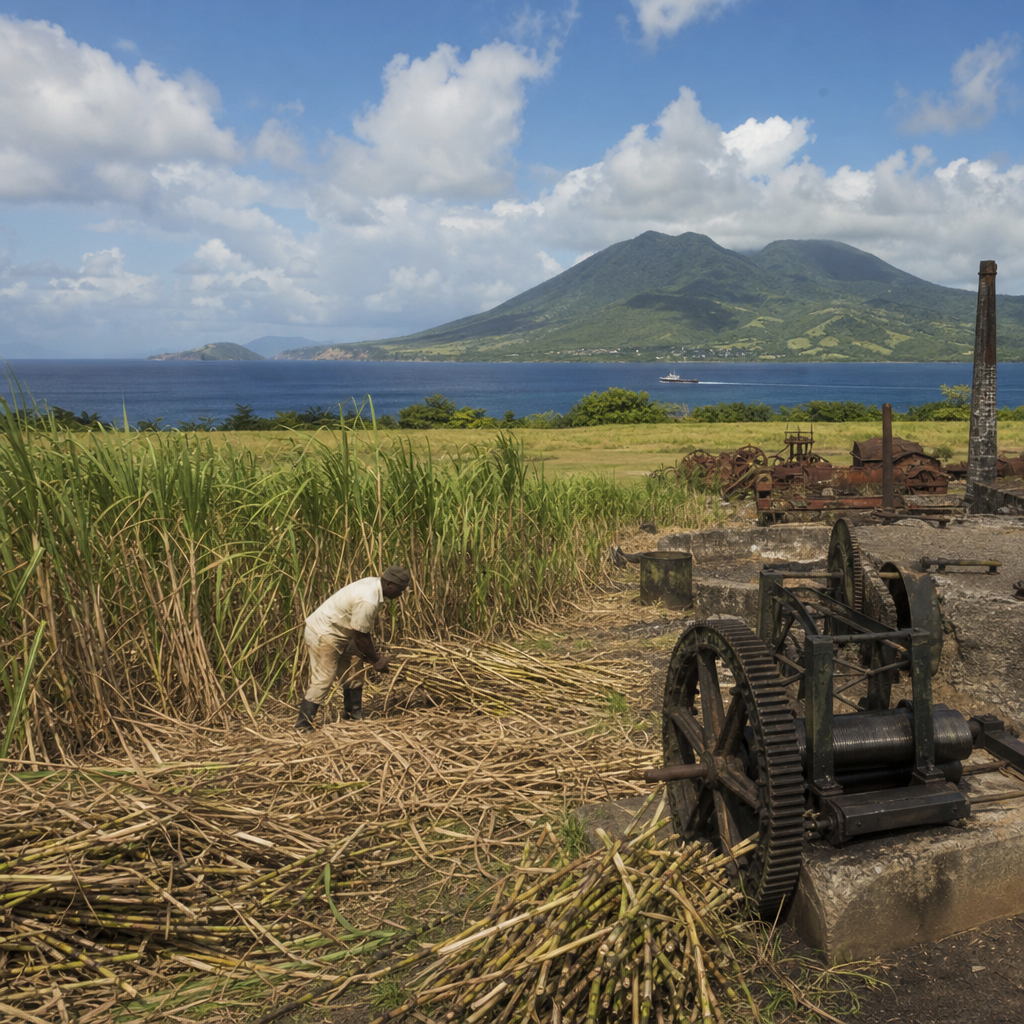
Saint Kitts’ community gardens are doing more than producing tomatoes, callaloo, herbs, and peppers; they are rebuilding local food knowledge, strengthening neighborhoods, and giving residents practical ways to share space, skills, and culture. In Saint Kitts, a community garden usually means a shared plot managed by residents, schools, churches, or civic groups, where people grow crops collectively or in individual beds while cooperating on water, compost, tools, and upkeep. These gardens matter because the island faces familiar small-state pressures: imported food is expensive, arable land is limited, storms can disrupt supply chains, and younger generations can lose touch with traditional growing practices. I have visited garden projects across Caribbean communities, and the pattern is consistent: when people grow together, they do not just improve access to fresh food, they create trust, routine, and a visible sense of ownership. As a hub within Local Life and Experiences, this guide explains how community gardens fit into daily life in Saint Kitts, what they grow, who benefits, the challenges they face, and why they are becoming an important part of the island’s social fabric.
What community gardens look like in Saint Kitts
Community gardens in Saint Kitts are rarely uniform. Some are organized as neighborhood plots with assigned beds. Others are attached to schools, faith communities, youth groups, or social programs. A few function more like demonstration gardens, where experienced growers teach composting, seed starting, spacing, mulching, and pest control. Because land on the island can vary from flatter coastal zones to sloped inland areas, design matters. Raised beds help with drainage and soil management, while container growing can make sense in dense areas where permanent plots are not practical. In my experience, the most successful gardens begin with simple systems: a water source, a crop plan that matches local eating habits, a tool-sharing arrangement, and a schedule that makes responsibilities clear.
The crops tend to reflect both climate and cuisine. Gardeners often prioritize foods used regularly in Kittitian kitchens, including seasoning peppers, thyme, spring onions, okra, eggplant, sweet potatoes, cassava, cucumbers, and leafy greens. Fruit trees such as banana, papaya, or soursop may be added when space allows. This practical crop selection is important. Community gardens work best when participants can harvest ingredients they actually cook with, not just produce that looks good in a photo. That direct connection between plot and plate is one reason these spaces feel relevant rather than symbolic.
Why growing food locally matters on a small island
Food security is not an abstract policy phrase in Saint Kitts. It affects household budgets, meal quality, and resilience after bad weather or shipping delays. Like many Caribbean islands, Saint Kitts depends heavily on imported food. Imported items can arrive with high freight costs, variable freshness, and prices that shift quickly with fuel, currency, and supply chain disruptions. Community gardens will not replace commercial agriculture or solve national food dependence by themselves, but they can reduce pressure at the household and neighborhood level.
Even a modest garden can supply herbs, greens, and short-cycle vegetables that families otherwise buy every week. That matters because frequent small purchases add up. A bed of callaloo, a row of beans, and several pepper plants can lower grocery spending while improving diet diversity. During periods of inflation, the value becomes even clearer. Local growing also shortens the distance between harvest and consumption. Produce picked in the morning and cooked that afternoon has better flavor, often better texture, and less waste. For older residents, gardens also preserve agricultural habits that were once ordinary but have become less visible in modern island life.
There is a wider civic benefit too. When residents see food production happening in public or semi-public spaces, agriculture stops feeling distant. Children learn that carrots do not begin in plastic bags and that soil care, rainfall, and insects shape what ends up on the dinner table. That awareness can influence consumer choices, school projects, and support for local farmers.
How community gardens build friendships and social trust
The social value of community gardens in Saint Kitts is often as important as the harvest. Shared growing requires regular interaction. People meet while watering, weeding, staking tomatoes, repairing fences, or dividing seedlings. Those repeated small tasks create familiarity, and familiarity builds trust. I have seen neighbors who barely spoke begin trading recipes, arranging child pickup, or checking on each other during storms after working side by side in a garden for a season.
Gardens are especially effective at connecting people across age groups. Older gardeners may bring deep knowledge about moon planting traditions, soil behavior, medicinal herbs, and practical pest deterrents. Younger participants may contribute labor, digital organization, or ideas for marketing produce through school fairs or community events. In a healthy garden project, both forms of knowledge are valued. That exchange turns a garden into a living classroom rather than just a production site.
Community gardens can also reduce isolation. Retirees, new residents, and people recovering from personal setbacks often benefit from the structure of a shared outdoor project. The work is purposeful without being overly formal. There is room for conversation, quiet concentration, and visible progress. A neglected bed can be restored. A compost pile can be turned. A seedling can survive. Those small wins matter. They create a sense of agency that is easy to underestimate until you watch it happen.
What makes a garden project succeed or fail
Successful community gardens in Saint Kitts usually share a few practical characteristics: clear rules, realistic crop choices, reliable leadership, and a maintenance plan for dry weeks and holiday periods. The biggest mistake is assuming enthusiasm alone will sustain a garden. It will not. Gardens fail when no one is accountable for irrigation, when pests are ignored for too long, or when participants do not agree on whether the harvest is shared, sold, or individually claimed.
Water management is often the first operational challenge. Rainfall can be seasonal and uneven, so gardens need storage drums, hoses, drip lines, or at minimum a rota for hand watering. Soil quality is another issue. Some sites need compost, mulch, or imported topsoil to become productive. In tropical conditions, weed pressure can escalate quickly, and unattended plots can look abandoned within weeks. Good governance matters just as much as good soil.
| Success factor | Why it matters in Saint Kitts | Practical example |
|---|---|---|
| Water access | Dry spells can damage seedlings fast | Install barrels and assign twice-weekly watering teams |
| Crop selection | Local diets and climate should guide planting | Grow peppers, okra, thyme, and callaloo instead of unsuitable temperate crops |
| Leadership | Shared spaces need decisions and conflict resolution | Name a coordinator and a backup lead for schedules and supplies |
| Soil management | Tropical rain and heat can deplete beds quickly | Use compost, mulch, and crop rotation to maintain fertility |
| Harvest rules | Confusion creates tension and dropout | Set written rules for shared harvest days or assigned plots |
Security and continuity are also decisive. If land tenure is uncertain, participants hesitate to invest time and money. If tools regularly disappear, morale drops. The best projects treat the garden as both an agricultural and organizational system. They hold short meetings, track tasks, record planting dates, and plan ahead for hurricanes or heavy rain. That discipline is not bureaucracy for its own sake; it is what protects the social energy that started the project.
Education, health, and youth involvement
One of the strongest arguments for community gardens is how many goals they can serve at once. In Saint Kitts, a single well-run garden can support nutrition education, environmental learning, youth engagement, and community wellness. Schools can use gardens to teach biology, weather, measurement, and responsibility. Students can observe pollination, compare plant growth in different soils, and learn why mulch conserves moisture. Those lessons are more memorable when children can touch the roots and taste the result.
Health benefits are equally tangible. Fresh produce supports better diets, and gardening itself provides moderate physical activity. Digging, carrying compost, bending, walking, and watering all count as movement, especially for older adults. There is also evidence from public health research in many countries that gardening can reduce stress and improve mental wellbeing by combining outdoor time, social connection, and routine. While local outcomes depend on each project, the mechanism is straightforward and credible.
Youth involvement deserves special attention because it affects long-term sustainability. If community gardening is seen only as work for older people, projects will struggle to continue. When young people help design murals, signage, social media updates, or small produce sales, they become stakeholders rather than occasional volunteers. Some gardens also link with cooking demonstrations so participants learn the full chain from planting to preparation. That is where gardening becomes culture, not just cultivation.
Environmental benefits beyond the harvest
Community gardens improve more than food access. They can make neighborhoods cooler, greener, and more ecologically aware. Plants provide ground cover that helps reduce erosion, especially on vulnerable sites. Composting diverts organic waste from bins and turns kitchen scraps, leaves, and plant trimmings into useful soil amendments. Pollinator-friendly planting can support bees and other beneficial insects, which matters for broader biodiversity and crop productivity.
In Saint Kitts, where intense rain and strong sun are both realities, garden design can encourage smarter land use. Mulching reduces evaporation and moderates soil temperature. Rainwater capture lessens dependence on treated water for irrigation. Mixed planting can reduce pest pressure compared with monocropping. None of these methods are magical fixes, but together they create resilient systems that are appropriate for a tropical island environment.
There is also a visual and civic improvement when underused lots become productive gardens. Spaces that once collected litter can become maintained, visited, and valued. That change influences behavior. People are generally less likely to dump waste in a place where neighbors are actively growing food. In that sense, community gardens can support local pride and light-touch environmental stewardship at the same time.
The challenges Saint Kitts must navigate
Community gardens are valuable, but they are not easy. Land access remains one of the biggest constraints. Suitable plots need sunlight, water, and secure permission, and those conditions are not always available together. Weather is another serious variable. Tropical storms, drought periods, and excessive heat can all reduce output or destroy crops outright. Pest management is a constant task, especially with insects and fungal problems that thrive in warm, humid conditions.
Funding can be uneven as well. Seeds, tools, fencing, hoses, compost, shade cloth, and storage are not prohibitively expensive individually, but the total can strain a volunteer project. Burnout is a real risk. A garden that depends on two highly committed people can collapse if one moves away or loses available time. This is why partnerships matter. Local businesses, schools, agricultural extension services, and civic groups can all help stabilize resources and participation.
There are cultural challenges too. Some residents may support the idea of gardening in principle but not want a plot near their home, especially if they worry about mosquitoes, untidiness, or disputes over access. The answer is not to dismiss those concerns. It is to manage the site well, communicate clearly, and demonstrate benefits early. A clean, productive garden with visible leadership changes minds faster than a persuasive speech.
How this hub connects to everyday local life
As a hub for miscellaneous local life and experiences in Saint Kitts, community gardens connect naturally to many other island stories: home cooking, weekend markets, school life, neighborhood traditions, wellness activities, and environmental initiatives. They sit at the intersection of practical necessity and community identity. A visitor can learn about Saint Kitts by seeing its beaches and landmarks, but local life becomes clearer when you see what residents plant, share, cook, and teach one another.
That is why community gardens deserve attention beyond agriculture. They reveal how people cooperate, adapt, and preserve useful knowledge in a changing economy. They show what ingredients matter locally, which spaces communities are willing to protect, and how everyday relationships are formed outside formal institutions. For writers, planners, teachers, and residents, they offer a useful lens on the island’s social rhythm. They are small places with wide relevance.
Saint Kitts’ community gardens show that local food production can be practical, social, and deeply rooted in daily life. They help households stretch budgets, give children hands-on education, support healthier eating, and create regular opportunities for neighbors to work together. Just as important, they turn underused land into visible community value. The strongest projects succeed because they combine good growing practices with clear organization, shared responsibility, and respect for local food culture.
No community garden will solve every challenge facing Saint Kitts, but that is not the standard that matters. Their real strength is cumulative. One bed of herbs, one school plot, one church garden, or one reclaimed lot can improve a block, a family routine, or a child’s understanding of where food comes from. Multiply that across communities, and the effect becomes meaningful. If you are exploring local life in Saint Kitts, pay attention to the gardens. If you live there, support one, volunteer, or start a conversation about creating one nearby. Growing food is valuable; growing friendships may be even more important.
Frequently Asked Questions
What makes community gardens in Saint Kitts different from ordinary home gardens?
Community gardens in Saint Kitts stand apart because they are built around shared responsibility, shared learning, and shared benefit. A home garden is usually managed by one household on private land, but a community garden is typically a collective space organized by residents, schools, churches, neighborhood groups, or civic organizations. People may work together on one large plot or divide the land into individual beds while still cooperating on essentials such as watering schedules, composting, tool storage, weeding, and general maintenance. That collaborative structure changes the purpose of the garden. It becomes more than a place to grow food; it becomes a local meeting point where people exchange skills, stories, seeds, and practical support.
In Saint Kitts, that difference matters because community gardens often help revive local food knowledge that can be lost when imported food becomes the default. Gardeners share experience about crops that grow well in the island’s climate, including tomatoes, callaloo, peppers, herbs, and other kitchen staples. Older residents may pass on techniques for seasonal planting, soil care, and pest management, while younger participants bring energy, organization, and new ideas. The result is a living community resource that strengthens neighborhood ties while making fresh food more accessible. In that sense, a community garden functions as a food-producing space, an outdoor classroom, and a social commons all at once.
How do Saint Kitts’ community gardens help strengthen neighborhoods and friendships?
One of the most important contributions of community gardens in Saint Kitts is the way they bring people together around practical, visible work. When neighbors plant, water, weed, and harvest side by side, they develop trust naturally. Conversations happen while filling watering cans, turning compost, repairing beds, or deciding what to plant next. These ordinary interactions can be surprisingly powerful because they create repeated opportunities for people of different ages and backgrounds to get to know one another in a useful and low-pressure setting. That is how friendships often grow: through shared effort, mutual respect, and a sense of contributing to something everyone can see.
These gardens also strengthen neighborhoods by encouraging cooperation rather than isolation. Residents often coordinate schedules, lend tools, divide tasks, and solve problems together when weather, pests, or limited resources affect the plot. Schools and churches may use the space for educational or volunteer activities, which broadens the circle of participation and deepens community ownership. In many cases, gardeners share part of the harvest with families, elders, or local events, creating a direct link between the garden and neighborhood wellbeing. Over time, the garden becomes a place associated with pride, care, and belonging. It gives people a reason to gather for something constructive, and that shared purpose can improve social connections just as meaningfully as the vegetables improve the dinner table.
What kinds of food are commonly grown in Saint Kitts’ community gardens?
Community gardens in Saint Kitts commonly grow crops that are practical for local cooking, suited to the climate, and useful for households that want fresh ingredients close at hand. Tomatoes, callaloo, peppers, and herbs are among the most recognizable staples because they fit easily into many everyday meals and can provide frequent harvests when cared for properly. Herbs are especially valuable in shared gardens because they take up modest space while offering strong culinary and cultural value. Peppers and tomatoes are also popular because they are widely used and can motivate participation by producing visible results that gardeners can enjoy relatively quickly.
Beyond those common crops, many community gardens may include a broader mix depending on available land, water access, soil condition, and the goals of the group managing the space. Some plots focus on kitchen essentials for local families, while others may add fruiting plants, root crops, or medicinal and seasoning plants that reflect traditional knowledge and household preferences. The planting choices often reveal the social character of the garden itself. A school garden may prioritize crops that are easy for students to observe and learn from, while a church or neighborhood garden may choose items that can be shared during community meals or distributed to residents. In all cases, the crop mix tends to reflect a practical balance of nutrition, climate suitability, cultural familiarity, and the collective wisdom of the people caring for the land.
Why are community gardens important for local food knowledge in Saint Kitts?
Community gardens play an important role in protecting and rebuilding local food knowledge because they create a hands-on setting where information is practiced, not just discussed. In Saint Kitts, local food knowledge includes understanding what crops grow well in island conditions, how to prepare soil, when to plant, how to manage water carefully, and how to respond to common garden challenges without depending entirely on expensive outside inputs. It also includes cultural knowledge: which crops are used in familiar dishes, how to preserve flavor and nutrition, and why certain plants matter in everyday life. A community garden keeps that knowledge visible and active by giving people a place to use it together.
This matters especially across generations. Older gardeners often carry valuable experience that is not always written down, while younger residents may have fewer chances to learn directly about growing food. A shared garden allows that transfer to happen naturally. Children see how seeds become meals, adults compare methods, and newcomers gain confidence by observing and participating. These spaces can also reshape attitudes toward food by helping residents appreciate the value of fresh, locally grown produce rather than seeing cultivation as old-fashioned or impractical. In that way, community gardens do more than supply ingredients. They help preserve memory, renew skills, and reconnect people to the local food traditions that support resilience and identity in Saint Kitts.
How can someone get involved in a community garden in Saint Kitts?
Getting involved usually begins with identifying an existing local effort or helping organize one with others who share the interest. In Saint Kitts, community gardens are often connected to neighborhood groups, schools, churches, or civic organizations, so those are good places to start asking questions. A person does not need to be an expert gardener to participate. Many gardens welcome people who can offer time, energy, tools, organizational help, or willingness to learn. Some participants may take responsibility for an individual bed, while others contribute to communal tasks such as composting, watering, mulching, fencing, recordkeeping, seedling care, or harvest days. The most valuable quality is often consistency rather than advanced experience.
For anyone joining or starting a garden, it helps to think in practical terms about how the group will function. Successful community gardens usually benefit from clear agreements about land use, maintenance schedules, water access, tool sharing, crop selection, and how the harvest will be divided or distributed. Communication is just as important as planting. A good garden grows best when participants understand expectations and feel included in decisions. New members can strengthen a garden by showing up reliably, respecting the shared space, asking questions, and contributing ideas without losing sight of the collective mission. In Saint Kitts, where community ties and local knowledge matter deeply, joining a garden is not only a way to grow food. It is also a meaningful way to build relationships, learn practical skills, and help create a stronger, more connected neighborhood.