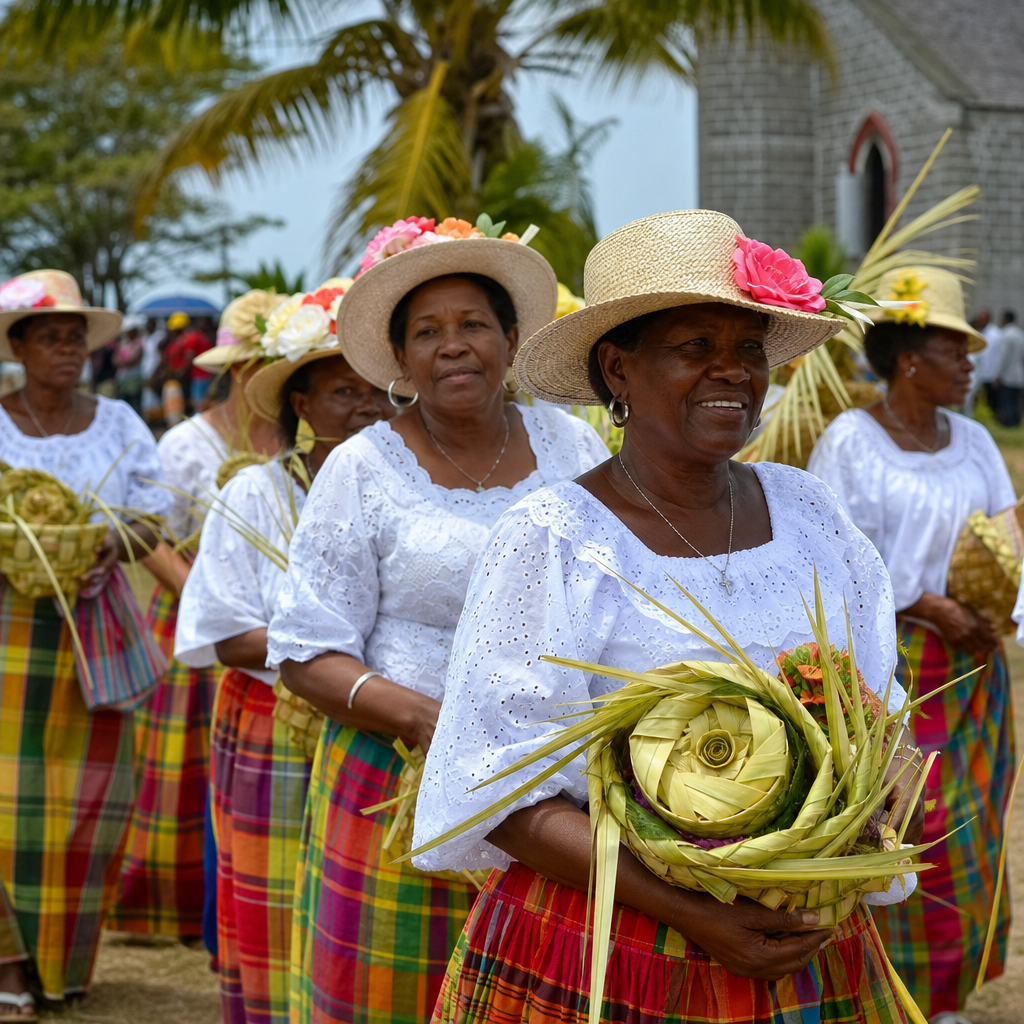
Easter traditions in Saint Kitts blend Christian devotion, family customs, village leisure, and island foodways into a celebration that feels both solemn and joyful. On this Eastern Caribbean island, Easter is not a single-day event but a season shaped by Holy Week services, Good Friday restraint, Easter Sunday worship, and Easter Monday outings that bring beaches, fields, and family yards to life. When people ask what Easter in Saint Kitts looks like, the clearest answer is this: churches fill early, kitchens stay busy, communities slow down for reflection, and then the island opens into reunion, recreation, and shared meals. That mix matters because it reveals how local life works in Saint Kitts. Religion is important, but so are kinship, neighborhood ties, and inherited habits that make holidays recognizable from one generation to the next.
In practical terms, Easter traditions in Saint Kitts include attending Anglican, Catholic, Methodist, Moravian, Wesleyan, Pentecostal, and other church services; observing the solemnity of Good Friday; wearing special clothing for Easter Sunday; preparing fish dishes and baked goods; and spending Easter Monday outdoors with relatives and friends. Some customs are explicitly liturgical, rooted in the Christian commemoration of the crucifixion and resurrection of Jesus Christ. Others are cultural rather than doctrinal, such as picnics, home visits, music in moderation, and the expectation that family members who live apart will try to reconnect if schedules allow. As someone who has worked on Caribbean destination content and community-based travel interpretation, I have found that visitors understand Saint Kitts best when they see Easter not as a tourism event, but as a lived social calendar that organizes behavior across the island.
The holiday also matters economically and socially. Retailers experience a rise in purchases of clothing, groceries, baked items, and household supplies before the long weekend. Churches organize special programs, choirs rehearse, and radio programming often reflects the tone of the season. Schools and many offices close, creating one of the clearer pauses in the yearly rhythm. For travelers, residents, and diaspora families, understanding Easter in Saint Kitts helps explain local values: reverence, respectability, hospitality, and the importance of spending meaningful time with others. As a hub within Local Life and Experiences, this guide covers the key practices, explains where they come from, and shows how miscellaneous Easter customs connect everyday island culture with a globally recognized Christian observance.
Holy Week and the religious foundation of Easter in Saint Kitts
The foundation of Easter traditions in Saint Kitts is Christian observance during Holy Week. Palm Sunday typically marks the beginning of the most visible public phase, with churchgoers carrying palm fronds and attending services that recall Jesus’ entry into Jerusalem. Through the week, many congregations host evening services, prayer meetings, scripture readings, choir presentations, and youth programs. In Saint Kitts, where church communities remain influential in many villages and urban neighborhoods, these gatherings are not peripheral events. They are central organizing points for the season. Even people who do not attend church regularly often participate during Easter because the holiday carries deep family expectation and cultural familiarity.
Good Friday is the most solemn day. Across Saint Kitts, many households adopt a quieter mood, and entertainment is often reduced out of respect. Churches may hold three-hour devotions, meditations on the Seven Last Words, or special afternoon services centered on the crucifixion. The tone is reflective rather than festive. In plain terms, Good Friday is when the island collectively acknowledges grief, sacrifice, and restraint. That seriousness distinguishes Easter from other holiday weekends. It also explains why meals, clothing, music choices, and social plans may be handled more conservatively on that day than an outsider might expect in a Caribbean setting.
Easter Sunday shifts the emotional register. Sunrise services, regular morning worship, and resurrection-themed preaching emphasize renewal and hope. In many congregations, choirs perform more elaborate pieces, children participate in readings, and members wear especially polished outfits. The visual effect matters. Easter Sunday is one of the days when church presentation carries strong cultural significance, signaling respect for the occasion and for the worshiping community. This pattern is common across the Caribbean, but in Saint Kitts it remains closely tied to local identity because church life still intersects with education, charity, elder care, and neighborhood leadership.
Family, food, and home-centered customs
While churches define the spiritual structure of Easter, homes define its texture. In Saint Kitts, many Easter traditions are best understood through domestic routines: shopping in advance, cleaning the house, planning meals, and coordinating visits from relatives. Holiday preparation usually begins before the weekend itself. Households stock fish, ground provisions, rice, seasonings, vegetables, buns, and drinks, knowing that business hours may be limited during the public holidays. The practical discipline of preparing early is part of the tradition. It reflects island realities as much as religious custom.
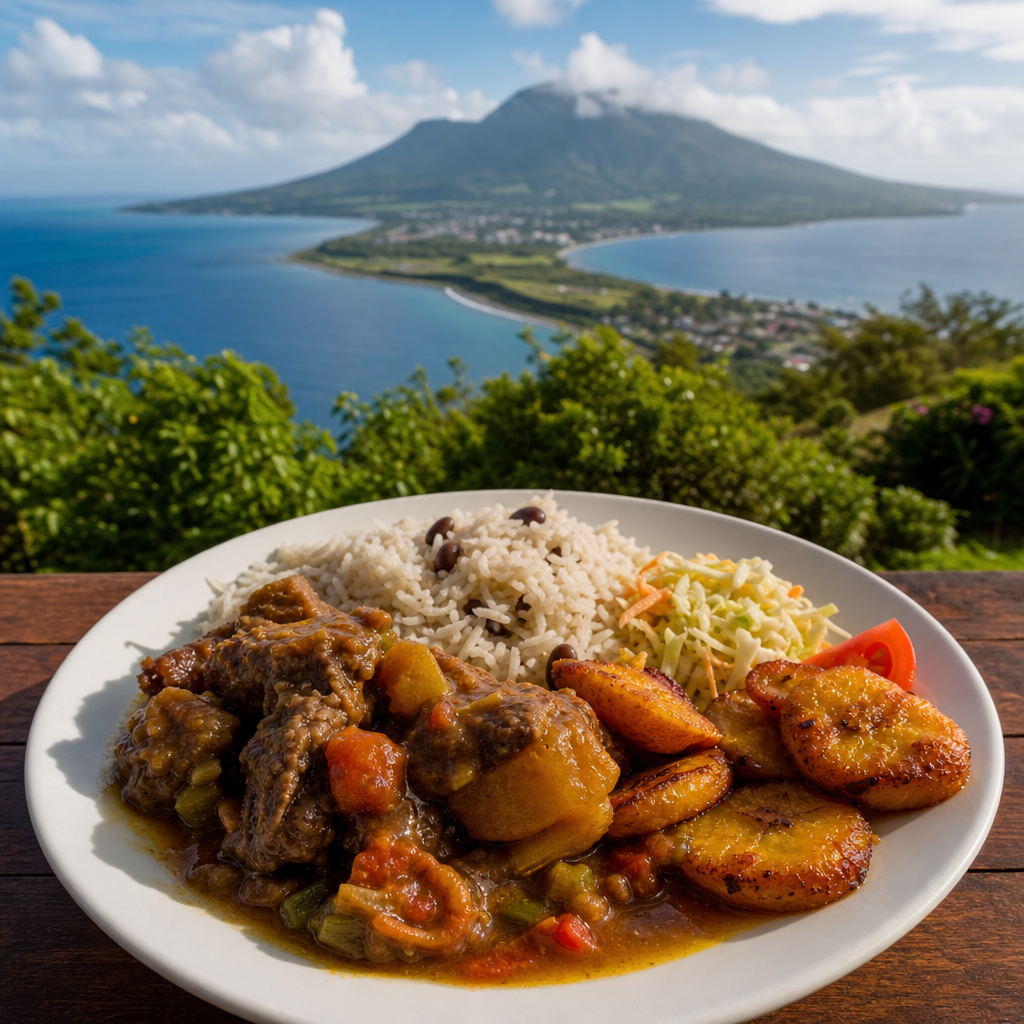
Food choices often carry the strongest memories. Because Good Friday is widely observed as a day of abstinence from meat among many Christians, fish becomes especially common. Saltfish, fresh fish when available, stewed or fried preparations, rice dishes, cooked vegetables, and provision-based sides fit naturally into the day. Baked goods also matter. Hot cross buns are one of the most familiar Easter foods across former British territories, and Saint Kitts shares that pattern. The spiced bun, marked with a cross, is both seasonal comfort food and a sign that Easter has arrived. In some homes it is eaten simply with cheese, butter, or a warm drink; in others it is part of a broader holiday table.
Easter Sunday and Easter Monday meals can be more expansive. Depending on the family, lunch may include chicken, goat water, rice and peas, macaroni pie, green salad, plantains, bread, and desserts. No single menu defines the island, because Saint Kitts households vary by denomination, income, village tradition, and personal taste. What remains consistent is the social role of the meal. People gather, exchange plates, send food to older relatives, and use lunch as an anchor for conversation. In community terms, Easter food is less about culinary performance than about continuity. Recipes repeat because they work, because elders expect them, and because they connect the present household to earlier ones.
Easter Monday outings and the social side of the holiday
If Good Friday is inward and Easter Sunday is ceremonial, Easter Monday is communal and outward-facing. This is the day many Kittitians use for beach trips, picnics, sporting activities, and family liming. Across the Caribbean, public holidays often become outdoor social time, and Saint Kitts follows that pattern with distinct local flavor. Cars fill with coolers, folding chairs, food containers, and children’s gear. Families head to the seaside, to open grounds, or to a relative’s property where several generations can spend the day together.
The appeal of Easter Monday is simple. People have already completed the most solemn observances, many are off work, and relatives are available. That combination turns the day into an unofficial reunion space. Beaches such as Frigate Bay or other accessible coastal areas may see clusters of families cooking, talking, and watching children play. In more rural settings, the gathering may center on a yard rather than a public beach. What matters is not the exact location but the pattern: shared space, prepared food, informal games, and long conversations that can last until evening.
These outings also reveal an important feature of Saint Kitts culture: celebration is often intergenerational. Grandparents, cousins, infants, returning nationals, and family friends all fit into the same gathering. Visitors looking for a purely commercial festival may miss the point. Easter Monday is not primarily a staged attraction. It is a community holiday expressed through ordinary social competence: organizing transport, feeding many people, including neighbors, and making room for both relaxation and supervision. In my experience documenting island customs, this is where local celebrations feel most authentic, because the event is built around people who already know one another.
| Day | Main Focus | Common Saint Kitts Traditions |
|---|---|---|
| Palm Sunday | Beginning of Holy Week | Church attendance, palm processions, scripture readings |
| Good Friday | Solemn remembrance | Quiet households, fish meals, devotional services, reduced entertainment |
| Easter Sunday | Resurrection celebration | Sunrise or morning worship, formal dress, family lunch, choir music |
| Easter Monday | Community leisure | Beach trips, picnics, family gatherings, outdoor recreation |
Church dress, music, and public presentation
One of the most visible Easter traditions in Saint Kitts is the care people give to dress and presentation. Easter Sunday remains associated with wearing new or especially well-kept clothes, polished shoes, coordinated family outfits, and hats or accessories suited to church. This is not superficial display. In Caribbean societies shaped by church culture and older respectability norms, dress communicates seriousness, self-respect, and regard for the sacred occasion. Children are often carefully prepared, photographed, and complimented by relatives. For many families, these visual rituals become part of the annual memory archive as much as the service itself.
Music is equally important. Hymns and choral selections help distinguish Easter worship from ordinary Sundays. Congregations may sing pieces centered on sacrifice, redemption, and resurrection, moving from minor, reflective tones on Good Friday to more triumphant arrangements on Easter Sunday. In denominations with strong choir traditions, Easter can be one of the best-attended and best-rehearsed musical periods of the church year. Radio and recorded music in homes may also reflect the season, particularly among older generations who prefer gospel or traditional hymns during the holiday weekend.
Public presentation extends beyond the church building. The holiday often encourages home tidying, yard cleaning, and an overall sense that one should be properly prepared. This may seem minor, but it reflects a larger Saint Kitts habit of linking major calendar moments to visible order. Just as Christmas and Carnival seasons have recognizable social codes, Easter has its own: be respectful, be ready, be presentable, and make the time count. That code helps explain why even relatively quiet households still treat the weekend as special.
How Easter traditions vary across communities and generations
No account of Easter traditions in Saint Kitts is complete without noting variation. Basseterre, suburban areas, and rural villages can experience the holiday differently based on church density, family networks, and access to gathering spaces. Denominational differences also matter. An Anglican service may feel more liturgical and processional, while a Pentecostal or evangelical gathering may place greater emphasis on preaching, testimony, and musical expressiveness. Catholic observance may include stations, vigil elements, or specific devotional forms that differ from Protestant practice. These differences are real, yet they coexist within a shared national understanding of Easter as a sacred and family-centered time.
Generational change is also visible. Younger Kittitians may divide the weekend between church, family obligations, and digital social life in ways older generations did not. Some families are less strict about Good Friday entertainment than they once were. Others maintain older rules firmly, especially where grandparents still anchor the household. Diaspora returnees often add another layer, bringing back habits formed in the United Kingdom, the United States, Canada, or neighboring islands while still expecting the familiar bun, fish, worship, and Easter Monday gathering that define home. In this way, Easter remains stable without being frozen.
For readers exploring the wider Miscellaneous subtopic under Local Life and Experiences, Easter is a useful hub because it links many strands of everyday Saint Kitts life: religion, cuisine, family structure, holiday mobility, clothing norms, and public behavior. It also provides a pathway into related topics such as village church culture, Kittitian food traditions, public holiday etiquette, and beach picnicking customs. Understanding Easter gives context to all of them. It shows how a single holiday can illuminate the island’s broader social logic.
What visitors and returning nationals should know
Visitors in Saint Kitts during Easter should expect a holiday atmosphere shaped more by local observance than by nonstop commercial entertainment. Some businesses may close or operate on reduced hours, especially on Good Friday and Easter Monday. Booking transport, restaurant reservations, and grocery shopping in advance is sensible. Respectful behavior matters. If attending a service, dress neatly, arrive on time, and follow the congregation’s lead on standing, singing, or photography. On beaches or at public gatherings, expect family-oriented spaces rather than party-centric scenes in every location.
Returning nationals often experience Easter as an emotional checkpoint. It is one of the moments when distance from home becomes most visible, but also most bridgeable. Reuniting with relatives for church, lunch, or an Easter Monday lime can restore a sense of continuity that ordinary visits sometimes cannot. That emotional significance explains why Easter remains resilient even as tourism patterns, media habits, and family geographies change. The holiday survives because it still answers practical and social needs: remembrance, belonging, and time deliberately spent together.
Easter traditions in Saint Kitts endure because they join belief with habit in ways that still make sense for modern island life. Holy Week services provide the religious core, Good Friday sets a tone of reverence, Easter Sunday celebrates renewal, and Easter Monday turns that shared meaning into family time outdoors. Around those anchor points sit the details people remember most clearly: fish on Good Friday, hot cross buns, carefully chosen church clothes, choir music, home cleaning, beach coolers, and relatives gathered under one roof or one tent. These are not random customs. Together, they form a local celebration that explains how Saint Kitts balances faith, social order, and warmth.
For anyone building a deeper understanding of Local Life and Experiences, Easter is more than a holiday entry on the calendar. It is a cultural lens. Through it, you can see how public worship connects to private meals, how villages and towns maintain continuity, and how family networks shape the use of time and space. You can also see why Saint Kitts feels distinct within the Caribbean: the island’s Easter practices are shared regionally in broad outline, yet expressed through specifically Kittitian rhythms of churchgoing, hosting, dressing, and gathering. That local character is exactly what makes the celebration worth studying closely.
If you are planning content, travel, or community exploration around Saint Kitts, start with Easter and follow the threads outward. Visit a church respectfully, talk with residents about family meals, note how businesses and roads change during the long weekend, and observe the shift from solemnity to reunion. Doing so will give you a more accurate picture of the island than any generic holiday summary can provide. Easter in Saint Kitts is a local celebration in the fullest sense: spiritual, practical, communal, and lasting. Explore the related Miscellaneous topics next to see how these customs connect with the rest of everyday island life.
Frequently Asked Questions
What does Easter in Saint Kitts typically look like?
Easter in Saint Kitts is best understood as a meaningful season rather than a single day. The observance usually unfolds across Holy Week, beginning with increased church activity and a reflective mood that builds toward Good Friday, Easter Sunday, and Easter Monday. Christian devotion remains central, so many people attend special services, take part in scripture readings, and spend time thinking about the suffering, death, and resurrection of Jesus Christ. At the same time, Easter is deeply woven into family life and community routine, which gives the celebration its distinctly Kittitian character.
Good Friday is often marked by restraint and reverence. Many households keep the day quiet, avoid unnecessary entertainment, and prepare simple meals in keeping with the solemn meaning of the occasion. Easter Sunday then shifts the emotional tone. Churches fill with worshippers dressed smartly for the service, hymns are sung with energy, and families gather after church to share meals and visit relatives. By Easter Monday, the atmosphere becomes more relaxed and outwardly festive. Beaches, open fields, roadside spots, and family yards become gathering places where people lime, cook, talk, and enjoy the holiday together. What makes Easter in Saint Kitts so memorable is this balance: sacred observance remains at the heart of the season, but it is expressed through family warmth, community presence, and the rhythms of island life.
How important are church services and Holy Week observances in Saint Kitts?
Church services and Holy Week observances are foundational to Easter in Saint Kitts. As in many Caribbean societies with strong Christian traditions, the island’s Easter customs are closely tied to the church calendar. During Holy Week, many congregations hold additional services, prayer meetings, and scripture-based reflections that focus on the final days of Christ’s earthly ministry. These observances invite worshippers to move gradually from contemplation to mourning and then to celebration, which is why the spiritual structure of the week matters so much to the overall experience of Easter on the island.
Good Friday is especially significant. It is widely treated as a serious and sacred day, with church attendance often high and the mood noticeably quieter than on ordinary public holidays. Sermons and readings typically center on the crucifixion, sacrifice, and redemption. For many families, attending worship on Good Friday and Easter Sunday is not optional but expected, whether from personal conviction, family tradition, or respect for community norms. Easter Sunday services, by contrast, are marked by hope and triumph, emphasizing resurrection and renewal. The result is a powerful arc across the weekend: solemnity gives way to joy, and that transition is one of the defining features of Easter in Saint Kitts. Even for people who may not be highly observant year-round, Holy Week often carries enough cultural and spiritual significance to draw them back into church-centered practices.
What kinds of family and community traditions are associated with Easter Monday in Saint Kitts?
Easter Monday in Saint Kitts is widely associated with togetherness, leisure, and outdoor gathering. After the reflective tone of Good Friday and the worship-centered rhythm of Easter Sunday, Monday often becomes the social exhale of the holiday period. Families and groups of friends make plans to spend time at the beach, in village playing fields, under tents or trees, or in home yards where several generations can gather comfortably. These outings may be carefully organized or wonderfully informal, but the underlying idea is the same: Easter is a time to reconnect, relax, and enjoy one another’s company.
Food is usually a major part of the day, whether prepared in advance at home or cooked on-site as part of the gathering. Children have room to play, adults catch up on family news, music may drift through the air, and the atmosphere feels communal rather than hurried. In some places, people also use the holiday to visit relatives they do not see often, especially if family members have traveled home for the Easter period. This is one reason Easter Monday holds such a warm place in local memory. It is not only about recreation; it is also about reinforcing social bonds. The island’s smaller scale and strong village ties mean that public holiday outings often blend family life and community life together, making Easter Monday one of the most visibly shared parts of the celebration.
What foods are commonly connected with Easter traditions in Saint Kitts?
Easter in Saint Kitts is closely linked to foodways that reflect both religious observance and local taste. During the more solemn parts of the season, especially on Good Friday, many people prefer simpler meals, and fish is commonly associated with the day. This practice reflects a broader Christian and Caribbean pattern in which meat may be reduced or avoided as part of reverence and restraint. The emphasis is less on indulgence and more on observing the day with seriousness, which naturally shapes what appears on the table.
As the weekend progresses, meals become more celebratory and family-oriented. Easter Sunday and Easter Monday are often times for substantial home cooking and shared dishes that can feed a crowd. While menus vary by household, the general pattern is clear: people gather around familiar foods, generous portions, and recipes with strong emotional meaning. The food itself becomes part of the tradition because it supports visiting, storytelling, and hospitality. In Saint Kitts, holiday meals are not just about what is eaten but about who is present and how the meal is shared. Whether it is a post-church lunch, a beachside cook-up, or a gathering in a family yard, Easter food helps carry the season from sacred reflection into joyful fellowship. That blend of devotion and abundance is one of the clearest expressions of Easter on the island.
How is Easter in Saint Kitts different from Easter celebrations in other places?
Easter in Saint Kitts stands out because it combines formal Christian observance with an unmistakably local island rhythm. In many places, Easter may be dominated either by church ritual or by commercial symbols such as candy, egg hunts, and retail promotions. In Saint Kitts, the celebration tends to feel more rooted in worship, family continuity, public holiday custom, and communal presence. The season is still joyful, but the joy grows out of Holy Week reflection rather than replacing it. That gives Easter a depth that visitors often notice right away.
Another distinguishing feature is the way the island’s geography and social life shape the holiday. In Saint Kitts, it is natural for Easter Monday celebrations to spill into beaches, village spaces, and home yards, turning the landscape itself into part of the tradition. Because communities are close-knit, the line between private celebration and public atmosphere is often soft; you can feel Easter across the island in both sacred and everyday settings. There is also a strong intergenerational quality to the observance. Older customs, church expectations, and family habits are passed along through participation, not just explanation. In that sense, Easter in Saint Kitts is not merely an event people attend. It is a lived cultural pattern—solemn on Good Friday, uplifting on Easter Sunday, and warmly communal on Easter Monday—that reflects the island’s faith, social bonds, and way of life.