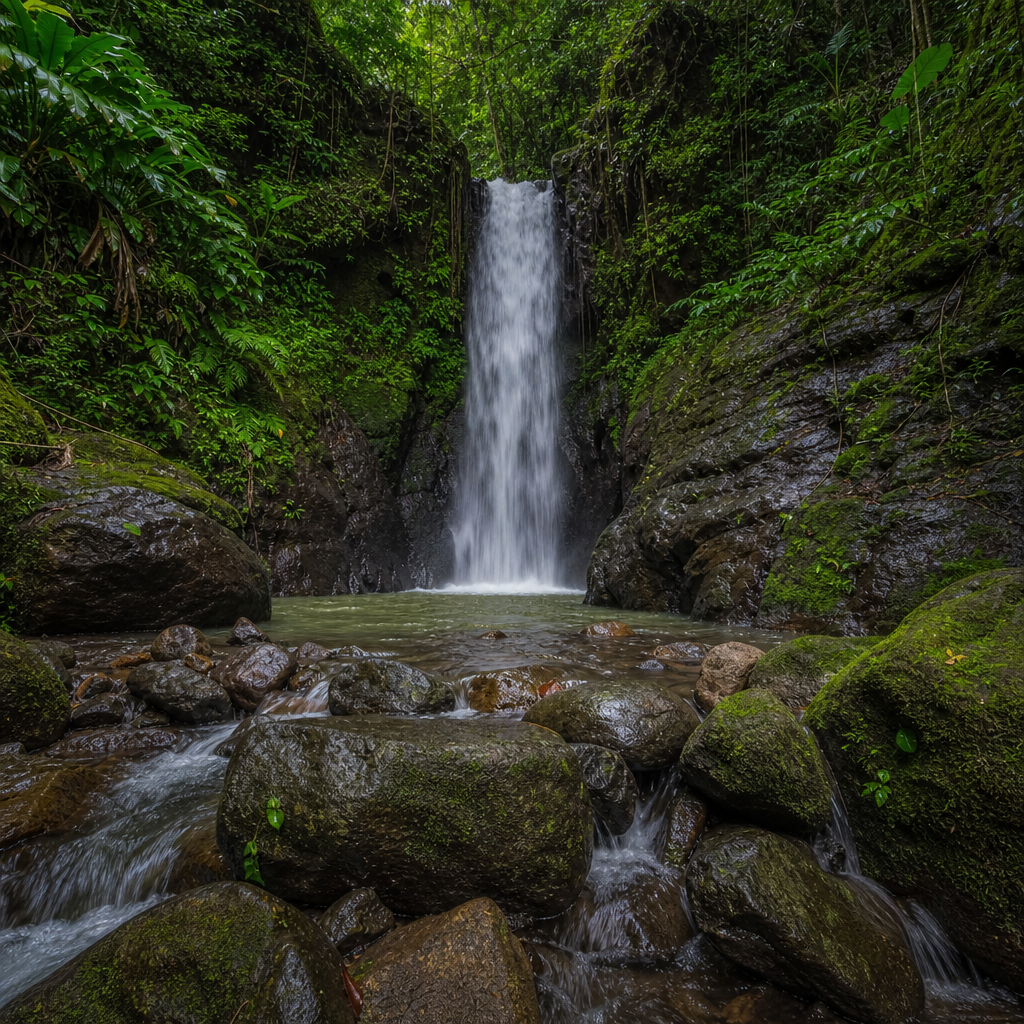
Saint Kitts’ hidden waterfalls are among the Caribbean’s least publicized natural attractions, combining rainforest ecology, volcanic geology, and cultural memory in places many visitors never see. On an island better known for beaches, sugar estate history, and cruise excursions, these secluded cascades reveal a different side of Saint Kitts: steep interior valleys, wet mountain air, tangled vines, and streams that cut through basalt and andesite formed by long-quiet volcanic forces. In practical terms, “hidden waterfalls” in Saint Kitts usually refers to small, seasonal, or access-limited falls tucked into forested ravines rather than giant, heavily developed landmarks. That distinction matters. Travelers expecting broad curtain falls with paved viewing platforms may miss the island’s real appeal, which is discovery, not spectacle. I have found that people who value hiking, birdlife, and uncrowded natural settings tend to appreciate these sites most, especially when they understand how rainfall patterns, trail conditions, and local guidance shape the experience.
For a Nature and Wildlife hub, these waterfalls matter because they connect nearly every element of Saint Kitts’ inland environment. They are linked to cloud-fed watersheds on Mount Liamuiga, to forest habitats used by monkeys and migratory birds, to river corridors dense with ferns and heliconia, and to conservation questions around erosion, litter, and informal tourism. They also sit within a wider network of miscellaneous nature experiences: crater hikes, plantation-to-rainforest transitions, scenic rail views of drainage basins, and village knowledge about less-mapped routes. Understanding Saint Kitts’ hidden waterfalls therefore helps readers understand the island itself. This guide explains where these waterfalls fit within the landscape, how to visit responsibly, what makes them ecologically important, and which related nature topics deserve attention as part of a complete sub-pillar resource.
What makes Saint Kitts’ hidden waterfalls special
The defining feature of Saint Kitts’ waterfalls is not size but setting. The island is volcanic, with a mountainous interior that captures moisture from trade winds. As warm, humid air rises along upper slopes, it cools and condenses, feeding streams that descend through gullies called ghauts. In wetter months, these waterways can produce striking cascades over dark volcanic rock shelves. In drier periods, some falls shrink to trickles or disappear entirely. That seasonality is one reason they remain under the radar. Unlike famous Caribbean waterfalls promoted as guaranteed attractions, Saint Kitts’ hidden falls demand timing, flexibility, and realistic expectations.
Another reason they feel special is their relative lack of commercial development. Many are reached by narrow trails, old estate paths, or streamside scrambles rather than ticket booths and boardwalks. In my experience, that changes visitor behavior. People speak more quietly, pay closer attention to footing, and notice details such as freshwater crabs, moss mats, or the temperature drop under closed canopy. These are immersive places. Even when a waterfall is modest in height, the surrounding ecosystem creates a memorable sense of arrival. The sound of water in dense forest often comes before the view, building anticipation in a way polished attractions rarely do.
Where the waterfalls are found and how locals describe them
Most discussions of waterfalls in Saint Kitts point toward the island’s central and northwestern highlands, especially slopes associated with Mount Liamuiga and deeply cut rainforest valleys. Exact names and routes can vary because some sites are known by local nicknames, estate references, or nearby villages rather than formal signage. That is common on small islands where oral directions remain important. A guide may describe a fall by the ghaut, the abandoned sugar estate beyond it, or the family land near the trailhead. For travelers researching online, this can be confusing, but it is not a sign the places are fictional. It reflects how local geography is actually used.
Common gateway areas include roads leading inland from communities such as Old Road Town, Dieppe Bay, and villages bordering higher terrain. Some falls are near stream crossings on hiking routes; others require leaving a main path and following water upstream. Because access can pass near private land or poorly marked agricultural tracks, asking locally is essential. The Saint Christopher National Trust, experienced hiking operators, and long-established taxi guides are often better sources than generic map apps. Digital maps tend to underestimate terrain difficulty and may show straight-line proximity without accounting for ravines, slippery boulders, or washed-out footpaths.
Best time to visit hidden waterfalls in Saint Kitts
The best time to visit depends on your priorities: stronger water flow, safer footing, or easier logistics. In general, the late wet season and periods after consistent rainfall produce the fullest cascades. On Saint Kitts, wetter conditions are usually more common from roughly May through November, with variability shaped by tropical waves and localized mountain weather. However, heavy rain can also make trails hazardous. Mud, flashier stream flow, and leeches or mosquitoes become more noticeable, and cloud cover may limit views on combined hiking itineraries.
For many travelers, the ideal balance comes shortly after moderate rain rather than during a stormy stretch. You get active water without the highest risk of slippery descents or murky pools. Dry-season visits can still be worthwhile for forest walks, birdwatching, and photography, but expectations should shift. A “waterfall hike” may become more about reaching a shaded basin or exploring a stream corridor than seeing a dramatic torrent. Morning starts are usually smartest. Forest temperatures are cooler, afternoon showers are more likely later in the day, and extra daylight provides a margin of safety if the return takes longer than planned.
How to reach the waterfalls safely
Safety is the main practical issue with Saint Kitts’ hidden waterfalls. Trails are often unofficial or lightly maintained, roots can be slick, and stream rocks polished by flow become extremely slippery. I strongly recommend going with a local guide if you are unfamiliar with the island’s interior. This is not simply a convenience. Guides know which crossings become unsafe after rain, which paths dead-end in overgrowth, and where land access is sensitive. They also understand the pace required for humid conditions and can spot weather changes that visitors miss.
Wear shoes with aggressive tread, not flat sandals. Bring at least one liter of water per person for shorter outings and more for longer hikes, plus insect repellent, a dry bag, and a charged phone stored in waterproof protection. A trekking pole helps on muddy descents. If you plan to swim, assume there are no lifeguards, changing facilities, or water-quality monitoring. Never dive into plunge pools; submerged rocks and branch debris are common. During or immediately after intense rain, avoid narrow ravines entirely. Flash flooding can happen quickly in steep watersheds, even if rainfall seems light where you started.
| Factor | What to expect | Best choice |
|---|---|---|
| Water flow | Highest after steady rain; lowest in dry spells | Visit after moderate rainfall, not during storms |
| Trail condition | Mud, roots, and slick rocks increase in wet weather | Use hiking shoes with strong grip |
| Navigation | Some routes are informal or locally named | Hire a local guide or join a small tour |
| Swimming | Pools may be shallow, murky, or obstructed | Check depth and current before entering |
| Access | May involve private land or changing paths | Confirm permission and current route locally |
Wildlife and plant life around the falls
Waterfalls in Saint Kitts are best understood as habitat zones, not isolated photo spots. The humid forest around streams supports tree ferns, mosses, liverworts, and moisture-loving flowering plants that struggle in the drier coastal belt. You may also see bamboo in disturbed areas, though it is not always native vegetation. Birdlife can include the green-throated carib, bananaquit, Lesser Antillean bullfinch, and various migratory warblers depending on season. In quieter sections of forest, vervet monkeys sometimes move through the canopy or forage along edges, though they are often heard before they are seen.
Stream corridors also support aquatic and semi-aquatic life, including freshwater crabs and insects that indicate relatively clean running water. Because these ecosystems are narrow and sensitive, trampling can cause outsized damage. Visitors stepping off durable surfaces to create social media angles often crush seedlings and destabilize banks. Sunscreen and insect repellent washed directly into small pools can also affect water quality on a localized scale. The best practice is simple: enter only where access is already established, avoid soap or chemical products in the water, and leave natural materials where they are. A fallen branch in a ghaut may look disposable, but it can be part of habitat structure that slows erosion and shelters organisms.
Why these waterfalls remain hidden
Saint Kitts’ waterfalls remain hidden for a mix of geographic, economic, and cultural reasons. First, the island’s tourism economy has historically emphasized coast-based experiences: beaches, resorts, catamaran trips, Brimstone Hill Fortress National Park, and plantation heritage sites. Inland adventure has grown, but it still occupies a smaller share of visitor marketing. Second, building access infrastructure in steep tropical terrain is expensive and can damage the very environments that make the waterfalls attractive. Boardwalks, railings, parking areas, and drainage controls require ongoing maintenance in a climate of heavy rain and plant growth.
There is also a valid conservation argument for limited exposure. Once a fragile waterfall site becomes widely geotagged, foot traffic can rise faster than management capacity. I have seen this pattern elsewhere in the Caribbean and it rarely ends well without clear rules. Informal shortcutting widens trails, litter appears, unauthorized vendors arrive, and stream banks erode. In that sense, “hidden” can be protective. It encourages lower-volume, guided visitation rather than mass tourism. The challenge for Saint Kitts is finding a balance where local communities benefit economically from nature tourism while the waterfalls remain ecologically intact and culturally respected.
How hidden waterfalls fit into a wider Nature and Wildlife itinerary
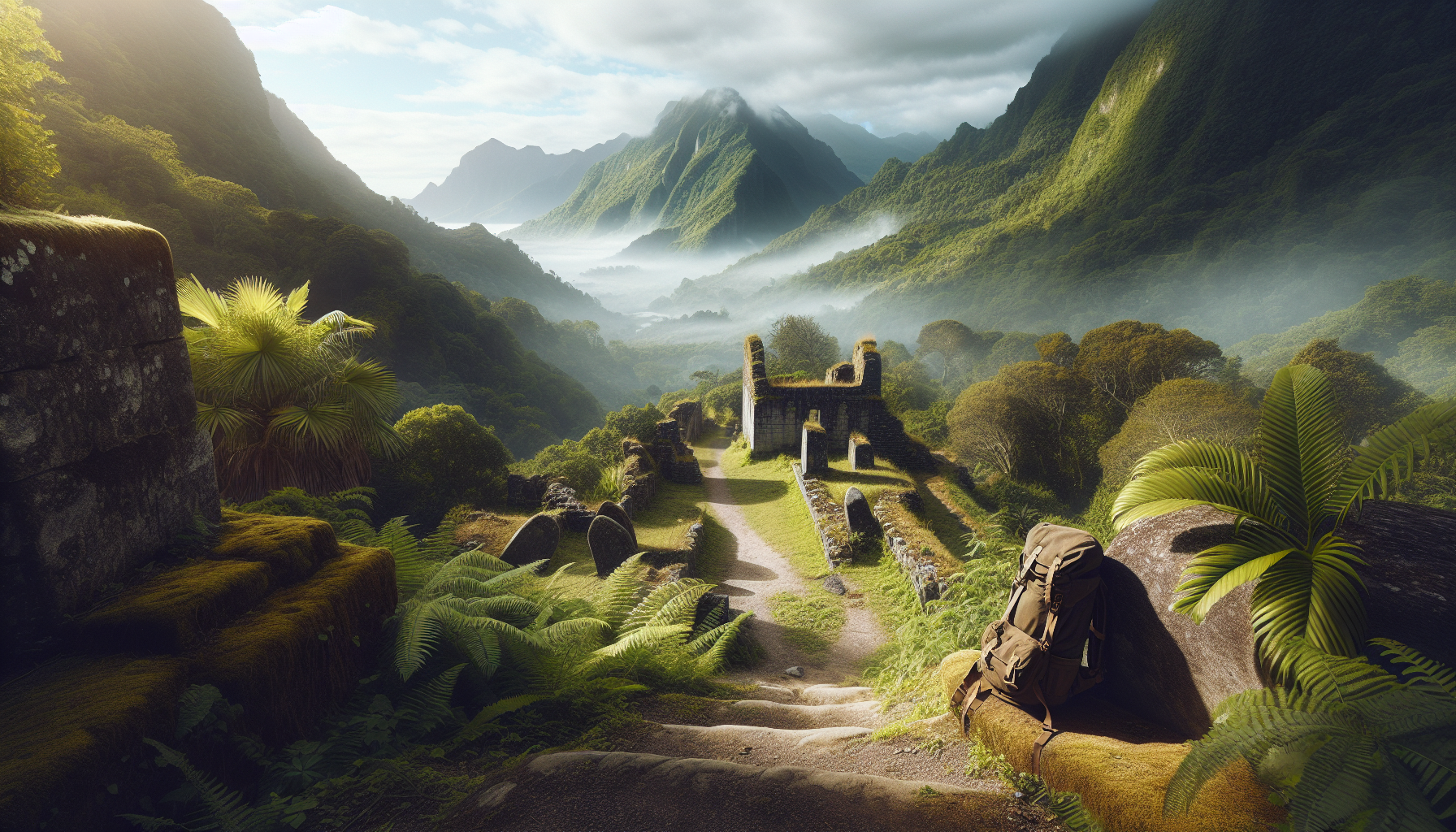
As a hub topic, miscellaneous nature coverage should connect waterfalls to other inland experiences rather than treat them as stand-alone attractions. A strong itinerary might pair a waterfall hike with the Mount Liamuiga trail, where elevational changes reveal how vegetation shifts from farmland margins to secondary forest and wetter montane habitat. Another option is combining a shorter rainforest walk with birding near dawn, when species activity is highest and light is softer for photography. Visitors interested in geology can relate waterfall formation to the island’s volcanic origin, including lava-derived rock layers and erosion patterns in ghauts.
Broader subtopics also belong in this hub. These include black sand beaches formed from volcanic material, coastal wetlands used by herons and shorebirds, scenic overlooks that show watershed patterns, and former sugar estates now partly reclaimed by vegetation. Even the St. Kitts Scenic Railway contributes context by revealing how quickly the landscape transitions from dry coast to greener interior catchments. In content planning terms, this article should anchor internal links to detailed guides on rainforest hikes, birdwatching, responsible eco-tours, seasonal travel conditions, and family-friendly outdoor stops. That structure helps readers move from inspiration to practical planning without losing the central theme of nature discovery.
Responsible tourism and conservation priorities
Responsible tourism is essential if Saint Kitts’ hidden waterfalls are to remain a natural treasure rather than a short-lived trend. The most immediate priorities are trail discipline, waste control, and respect for land access. Pack out everything, including food scraps, which attract animals and alter behavior. Keep group sizes small where possible; six careful hikers have a far lower impact than twenty people crowding a narrow stream bank. Avoid portable speakers completely. Natural sound is part of the experience, and noise disrupts wildlife as well as other visitors.
Longer term, the island benefits from community-based guiding, basic visitor education, and selective infrastructure only where erosion is already significant. The goal should not be to urbanize waterfalls but to manage pressure intelligently. Simple measures such as trail markers at confusing junctions, designated entry points to pools, and locally posted weather cautions can prevent damage without destroying the sense of remoteness. Travelers can support this model by booking licensed local guides, choosing operators who explain ecological etiquette, and spending in nearby communities after hikes. If you visit Saint Kitts for nature, treat its hidden waterfalls as living ecosystems first and attractions second, then explore further through the island’s broader Nature and Wildlife experiences.
Frequently Asked Questions
What makes Saint Kitts’ hidden waterfalls different from other natural attractions on the island?
Saint Kitts’ hidden waterfalls stand apart because they reveal an inland landscape many travelers never experience. While the island is often associated with beaches, historic sugar estates, and coastal excursions, its waterfalls are tucked into the wetter, steeper interior, where rainforest vegetation, volcanic rock, and mountain streams shape a very different environment. These cascades are not typically grand, heavily commercialized attractions with large viewing platforms or busy visitor facilities. Instead, they are often found along rugged trails, in narrow valleys, or beside streambeds framed by ferns, vines, mosses, and dense tropical canopy.
What also makes them distinctive is their geological setting. Saint Kitts is volcanic in origin, and the island’s interior reflects that history in dramatic ways. Streams move across basalt and andesite, cutting channels through old volcanic formations and creating small falls, plunge pools, and slick rock shelves. That combination of rainforest ecology and volcanic terrain gives these waterfalls a character that feels raw and intimate rather than polished or resort-oriented. For visitors interested in the island beyond the shoreline, hidden waterfalls offer a more immersive look at Saint Kitts as a living natural system shaped by rainfall, elevation, and ancient volcanic forces.
Are Saint Kitts’ hidden waterfalls easy to visit, or do they require hiking and local guidance?
In most cases, visiting Saint Kitts’ hidden waterfalls requires more effort than reaching the island’s better-known attractions. These sites are often located in remote interior areas where roads do not extend all the way to the falls, meaning visitors may need to hike along forest trails, cross streams, navigate muddy slopes, or move through uneven volcanic terrain. Conditions can change quickly depending on recent rainfall, and trails may be slippery, overgrown, or difficult to follow for anyone unfamiliar with the route. Because of that, these waterfalls are generally better approached as outdoor excursions rather than casual roadside stops.
Local guidance is strongly recommended, not only for safety but also for context. A knowledgeable guide can help identify the safest path, judge weather and stream conditions, and explain the surrounding ecology, geology, and local stories connected to the area. In some cases, access routes may pass through private land or areas where local customs and permissions matter, so guides can also help visitors travel respectfully. Even experienced hikers benefit from local expertise because tropical mountain environments can be deceptive: a trail that seems straightforward at the start may involve steep descents, washed-out sections, or difficult footing near the water. For most travelers, hiring a guide turns the outing into a richer and more responsible experience.
What should visitors expect from the landscape around these secluded waterfalls?
Visitors should expect a lush, humid, and physically dynamic environment. The interior of Saint Kitts is notably cooler and wetter than the coast, especially at higher elevations and in shaded valleys. As you move toward hidden waterfalls, the landscape often shifts from open views and cultivated areas to dense tropical growth, including broadleaf trees, climbing vines, fern-covered banks, and mossy stones. The air tends to feel heavier with moisture, and the sounds of the coast are replaced by birdsong, insects, rushing water, and leaves moving in the mountain breeze.
The terrain itself is one of the most memorable aspects of the experience. Streams may run over dark volcanic rock, pool in natural basins, or disappear briefly behind vegetation before dropping again in smaller cascades. Rather than one perfectly framed waterfall, some locations consist of a sequence of falls, channels, and pools that feel woven into the forest. Visitors should also be prepared for mud, roots, wet rock, and sudden changes in slope. This is part of what makes these places so compelling: they feel alive, untamed, and shaped by constant interaction between rainfall, rock, and plant life. The setting is less about spectacle alone and more about immersion in the island’s interior ecology.
Why are Saint Kitts’ hidden waterfalls considered important from a geological and ecological perspective?
These waterfalls are important because they sit at the intersection of two of Saint Kitts’ defining natural systems: its volcanic foundation and its rainforest watersheds. Geologically, the island was formed through volcanic activity, and the interior still bears the imprint of that origin in its ridges, valleys, and rock types. Waterfalls develop where streams descend through uneven volcanic terrain, often cutting across basaltic and andesitic formations that influence how water flows, where pools form, and how valleys deepen over time. In that sense, the waterfalls are not isolated features; they are visible expressions of the island’s long geological history.
Ecologically, these areas are valuable because they support moist forest habitats that differ significantly from drier coastal environments. The streams and surrounding vegetation create microhabitats for plants, insects, birds, amphibians, and other organisms adapted to cooler, wetter conditions. Healthy headwaters are also important for broader watershed function, helping move freshwater through the landscape and supporting downstream ecosystems. Because many of these places remain less publicized and less developed, they can preserve a stronger sense of ecological continuity than more heavily visited attractions. That said, their relative seclusion does not make them invulnerable. Erosion, litter, trampling, and careless visitation can damage fragile streamside environments, which is why low-impact travel and conservation awareness are especially important in these settings.
How can travelers visit Saint Kitts’ hidden waterfalls responsibly?
Responsible visitation begins with understanding that these waterfalls are sensitive natural places, not simply scenic backdrops. Travelers should stay on established paths where possible, avoid cutting new shortcuts through vegetation, and take extra care around streambanks and wet rocks to reduce erosion and habitat disturbance. Carrying out all trash is essential, including food wrappers, bottles, and biodegradable waste that people sometimes mistakenly leave behind. Visitors should also avoid using soaps, shampoos, or chemical products in natural pools and streams, since even small amounts can affect water quality in delicate freshwater environments.
Respect for local knowledge and land use is equally important. Going with local guides supports community-based tourism and helps ensure access is handled appropriately, especially where routes are informal or pass near private property. Travelers should ask before entering less obvious access points, keep noise to a minimum, and avoid treating secluded areas as party spots. Proper footwear, rain gear, and hydration also matter because being well prepared reduces the chance of accidents that can put both visitors and local rescuers at risk. Ultimately, responsible travel at Saint Kitts’ hidden waterfalls means approaching them with patience, curiosity, and restraint. The goal is not only to enjoy a rare side of the island, but to leave it as undisturbed as possible for local communities, future visitors, and the ecosystems that depend on these interior watersheds.