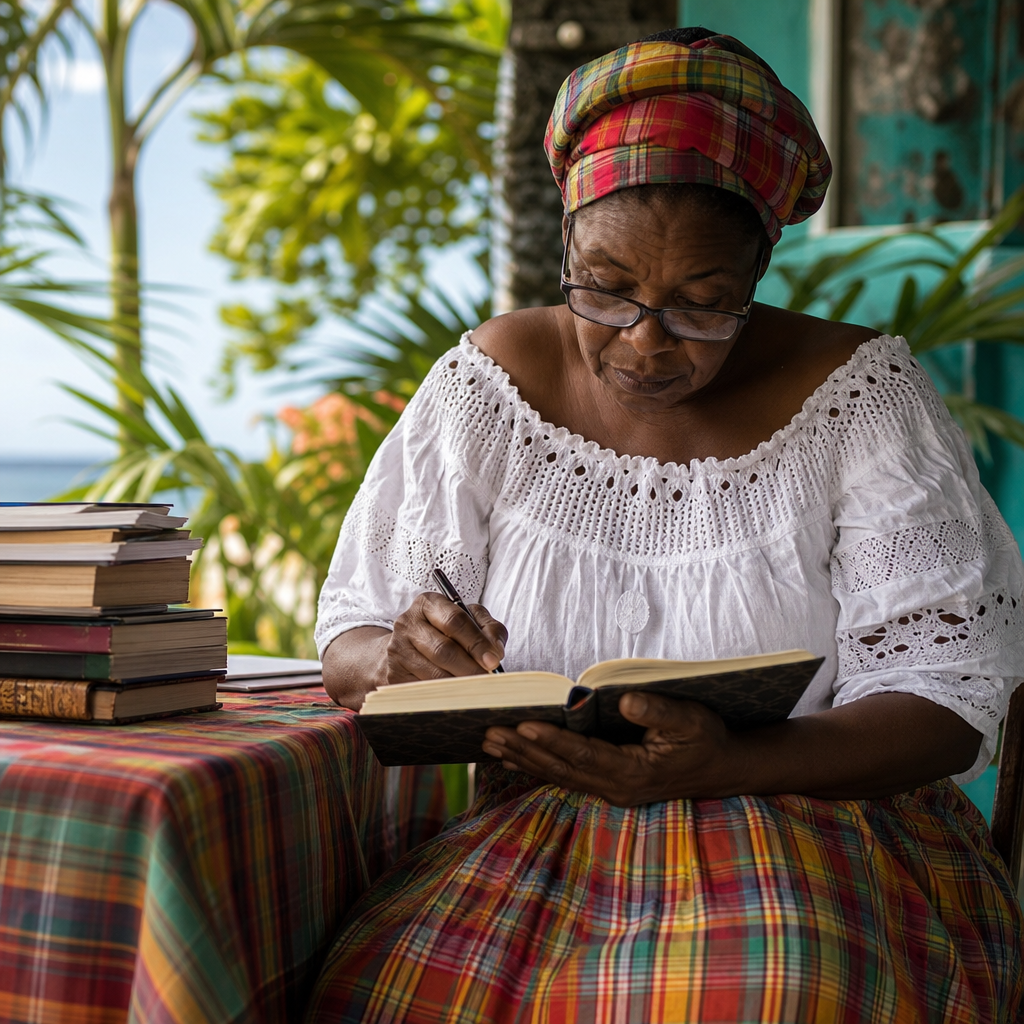
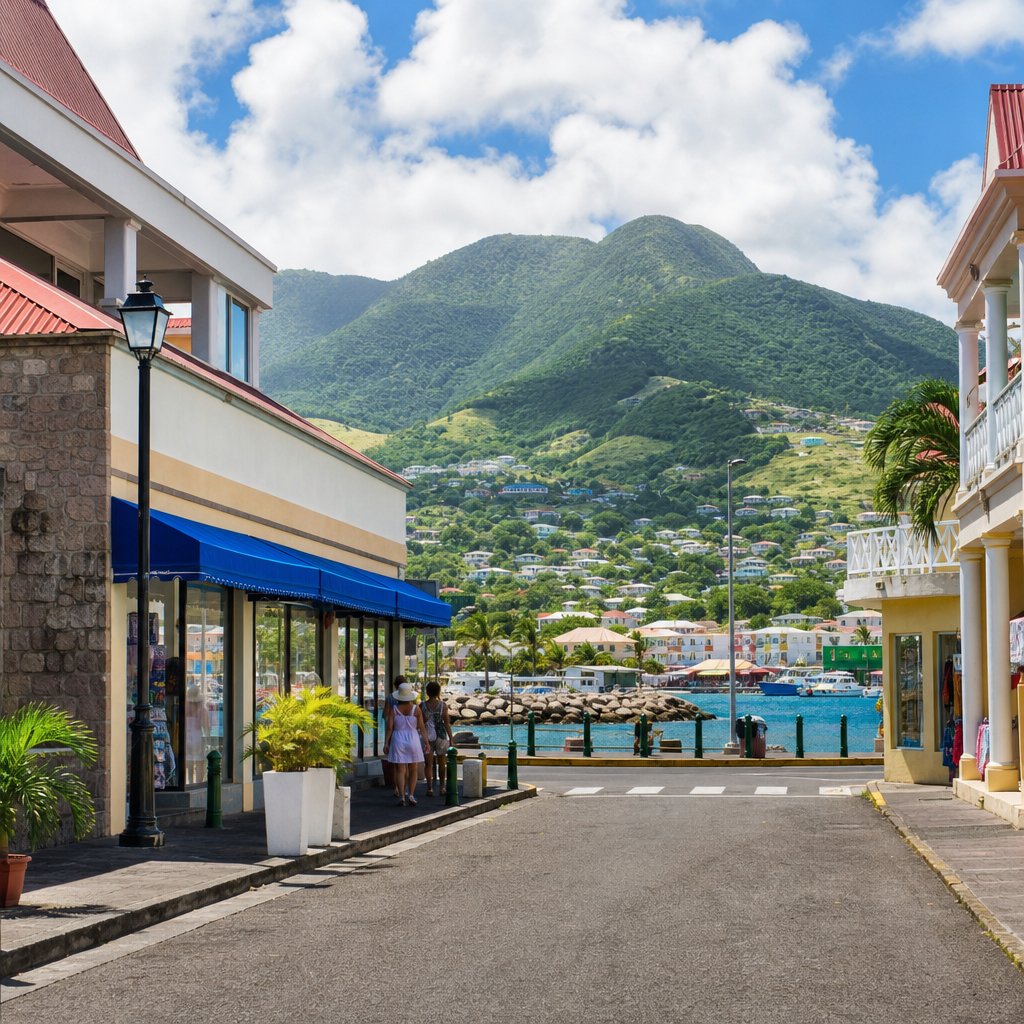
Saint Kitts’ local heroes are not only national figures with medals and titles; they are teachers, farmers, musicians, nurses, coaches, craftspeople, conservation volunteers, and small-business owners whose daily work quietly shapes community life. In Saint Kitts, the larger island of the Federation of Saint Kitts and Nevis, the idea of a local hero is rooted in service, resilience, and cultural stewardship. These are people who improve neighborhoods, preserve memory, create opportunity, and respond when hardship hits, whether that means rebuilding after storms, mentoring young people, or keeping traditional skills alive.
This matters because local life is experienced person to person. Visitors often encounter beaches, historic sites, and festivals first, but residents know that the island’s character depends on people who keep schools functioning, sports clubs active, fishing traditions respected, and village networks strong. A hero in this context is not defined by celebrity. A local hero is someone whose actions produce visible benefits for others, often over many years, and often without much publicity. That includes formal leaders, but it also includes the woman who runs a reading circle in her parish hall, the mechanic who trains apprentices after hours, or the farmer who donates produce after a bad season.
Having worked on Caribbean community storytelling projects, I have seen the same pattern repeatedly: the most durable change usually comes from trusted local figures who combine practical knowledge with credibility earned over time. In Saint Kitts, that credibility is especially important because the island’s history is layered. Indigenous presence, colonial conflict, plantation society, emancipation, migration, sugar’s rise and decline, and modern tourism have all shaped local priorities. Inspiration here is inseparable from context. Heroes are admired not simply for personal success, but for using success in ways that strengthen families, villages, institutions, and cultural confidence.
This hub explores those stories of inspiration across several dimensions of local life and experiences. It looks at community leadership, education, sport, culture, heritage, entrepreneurship, health, environmental care, and youth development. It also explains how to recognize authentic impact rather than polished image. If you want to understand Saint Kitts beyond attractions and headlines, start with the people whose work creates belonging. Their stories reveal how an island community defines excellence: through contribution, consistency, and the willingness to make other people’s lives better.
What makes a local hero in Saint Kitts
A local hero in Saint Kitts usually shares four traits: sustained service, community trust, practical results, and cultural rootedness. Sustained service matters because one-off charity is appreciated, but long-term commitment changes outcomes. Community trust matters because island societies are close-knit; reputations are tested over years. Practical results matter because people remember who helped organize a clinic, repaired a playing field, found scholarships, or created jobs. Cultural rootedness matters because effective local leadership fits local realities instead of importing generic solutions that ignore how communities actually work.
For example, a coach who keeps teenagers engaged through football or cricket is doing more than teaching sport. In many Caribbean communities, sports programmes reduce idle time, create discipline, improve school attendance, and give young people access to mentors. A church volunteer who coordinates meals for elders is not only offering care; that person is also supporting public health and social cohesion. A masquerade leader preserving performance traditions is simultaneously protecting identity, intergenerational knowledge, and tourism value. Local heroism is often cross-functional like that. One act of service usually solves several problems at once.
Saint Kitts also values humility in public service. Some of the most admired figures are not loud advocates for themselves. They are known because people can point to the evidence of their work: a revived community center, a scholarship fund, cleaner coastal areas, a youth choir, a stronger village festival, or a generation of adults who say, “That person guided me when I needed direction.” In practice, local heroes become informal institutions. Their reliability is itself a social asset.
Community leaders who hold neighborhoods together
Across Saint Kitts, neighborhood life still depends heavily on people who organize others. These may be village council members, nonprofit volunteers, faith leaders, event organizers, or retired civil servants who continue serving long after formal employment ends. Their influence is often greatest during periods of stress. After heavy rain, storm damage, bereavement, or economic pressure, communities lean on familiar coordinators who know which household needs medicine, who has a truck, where emergency supplies can be stored, and how to mobilize help quickly.
I have seen this pattern across small-island communities: the most effective local organizer is rarely the person with the biggest title. It is the person with the best map of human relationships. In Saint Kitts, that social map matters because response capacity depends on trust. If a respected organizer asks businesses for donations, churches for space, and residents for volunteer labor, people are more likely to respond. Local heroes in this category convert social capital into action. They make institutions accessible by helping residents navigate schools, clinics, utility problems, licensing, or support services.
These leaders also preserve local morale. Community events such as parish celebrations, market days, youth showcases, and commemorative gatherings are not decorative extras. They are mechanisms for bonding and identity. A strong organizer keeps those rituals alive, which in turn reduces isolation and reinforces the sense that every village has value. In a tourism economy, that local confidence is important. Communities that know their own worth are better positioned to benefit from visitors without losing their character.
Teachers, mentors, and the everyday builders of opportunity
Education-based heroism is especially powerful in Saint Kitts because islands work with finite talent pools. Every child supported well can become a teacher, technician, nurse, artist, entrepreneur, or public servant whose impact echoes for decades. Local heroes in schools include classroom teachers, principals, librarians, after-school tutors, music instructors, and people who quietly cover exam fees, transport costs, or lunch money so students can stay on track.
Good mentors do more than improve grades. They expose young people to possibilities. A science teacher who introduces environmental monitoring, a drama coach who builds confidence, or a guidance counselor who helps with Caribbean Secondary Education Certificate planning can alter a student’s trajectory permanently. On small islands, career pathways often depend on one adult noticing potential early and refusing to let it go undeveloped. That kind of intervention is common in hero stories because it is concrete, personal, and measurable.
Libraries, churches, youth groups, and alumni networks also play a major role. Many Kittitians who have studied or worked abroad return knowledge, equipment, or funding to local programmes. That circulation of expertise is one of the island’s strengths. It means a local hero might be a diaspora professional sponsoring robotics kits, a retired accountant teaching budgeting, or a nurse running health education sessions for teenage girls. Their contribution is inspirational because it expands opportunity without requiring people to leave their identity behind.
Culture keepers: musicians, storytellers, and festival builders
Saint Kitts’ heroes of culture protect the island from becoming generic. Through music, oral history, dance, craft, cuisine, and Carnival traditions, they preserve the textures that make local life distinctive. Cultural work is serious work. It carries memory, supports tourism, creates income streams, and helps younger generations recognize themselves in a longer story. When a drummer teaches rhythm patterns, a costume maker trains apprentices, or an elder records village stories, that is heritage protection in active form.
Carnival, often branded as Sugar Mas, is a clear example. The festival includes masquerades, calypso, soca, pageantry, street performance, and community preparation that runs far beyond parade days. Many of the people who sustain it are local heroes because they invest unpaid time, technical skill, and emotional energy in rehearsals, costume construction, youth participation, and event organization. Without them, cultural continuity weakens fast. The same applies to church choirs, steelpan groups, folk performance circles, and local food vendors who maintain methods and flavors tied to place.
| Type of local hero | Typical contribution | Community effect |
|---|---|---|
| Teacher or mentor | Tutoring, guidance, scholarships | Higher attainment and confidence |
| Coach | Training, discipline, team travel support | Youth development and social stability |
| Cultural practitioner | Music, dance, costume, oral history | Identity preservation and tourism value |
| Health worker | Clinics, elder care, prevention outreach | Better wellbeing and trust in services |
| Entrepreneur | Jobs, apprenticeships, local sourcing | Economic resilience and skills transfer |
| Environmental volunteer | Beach cleanups, tree planting, education | Stronger ecosystems and civic pride |
What makes these figures inspiring is not nostalgia alone. They adapt tradition intelligently. Successful cultural leaders document material, use digital platforms, involve schools, and connect heritage to modern livelihoods. That balance between preservation and adaptation is how culture survives in a global media environment.
Sports heroes and the discipline of example
Sport has long produced admired figures in Saint Kitts, but the deepest local impact usually comes from those who mentor as seriously as they compete. Cricket remains central to Caribbean identity, while football, athletics, netball, and other sports create regular spaces for discipline and aspiration. A local sports hero may be a standout athlete, but just as often it is the coach who keeps facilities usable, raises travel funds, mediates conflict, and insists that players meet standards in school as well as on the field.
The social benefits are concrete. Structured sport improves time management, teamwork, and emotional regulation. It can also create pathways to scholarships, regional competition, and careers in coaching, fitness, officiating, or sports administration. For teenagers facing limited options, a demanding but supportive coach can become a stabilizing force. Parents recognize this quickly, which is why respected coaches often become some of the most trusted adults in a district.
Saint Kitts also understands the symbolic power of representation. When local athletes succeed regionally or internationally, they demonstrate that island talent can compete broadly. The strongest heroes then recycle that visibility back into the community by hosting camps, donating equipment, or speaking honestly about setbacks, training loads, and discipline. Inspiration is most useful when it is demystified. Young people need to hear that excellence comes from repetition, standards, and support, not just natural ability.
Entrepreneurs, farmers, and workers who strengthen resilience
Not every inspiring story is dramatic. Some of the most important local heroes are people building resilience through ordinary economic activity. In Saint Kitts, small entrepreneurs, fishers, farmers, taxi operators, market vendors, and skilled tradespeople help communities absorb shocks. They keep money circulating locally, pass down practical skills, and provide services that larger institutions cannot deliver with the same flexibility.
This became especially clear after the closure of the sugar industry in 2005, a turning point that forced economic adjustment. Tourism expanded, but diversification remained essential. Local business owners who trained staff, sourced locally, or developed niche products helped communities adapt. A farmer supplying hotels, a caterer using traditional recipes, a craft maker selling locally produced goods, or a boat operator combining tours with marine education all show how livelihood and identity can reinforce each other.
These heroes are also problem solvers. When supply chains tighten or prices rise, experienced local producers often improvise faster than centralized systems. They know where to find materials, how to repair equipment, and which partnerships can keep operations going. In community terms, that competence is inspirational because it reduces dependence and models dignity through work. Young people benefit when they see entrepreneurship presented not as glamour, but as disciplined service, recordkeeping, customer care, and reinvestment.
Health, environment, and the quiet guardians of public wellbeing
Some of Saint Kitts’ most consequential local heroes work in spaces that become visible only when something goes wrong. Nurses, community health aides, sanitation workers, counselors, disaster volunteers, and environmental groups protect everyday wellbeing. Their contributions range from blood pressure screening and maternal support to mosquito control, beach cleanups, watershed awareness, and hurricane preparedness. These efforts are foundational because public wellbeing depends on prevention as much as treatment.
Small islands are particularly sensitive to environmental stress. Coastal erosion, coral reef pressure, plastic pollution, and stronger storm systems can affect food security, tourism, infrastructure, and public health at once. That is why environmental volunteers deserve recognition as local heroes. A mangrove restoration project, a school recycling campaign, or a lionfish awareness initiative may seem niche, but each strengthens long-term resilience. The same is true for people who teach emergency planning or check on elders during heat and storm events.
The most trusted figures in this category combine technical knowledge with empathy. Residents respond better when advice is practical: store water safely, clear drains, protect documents, complete medications, use mosquito nets, seek screening early. Local heroes turn information into habits. Their impact is measured not by applause, but by fewer crises and faster recovery when crises come.
How to engage with Saint Kitts’ stories of inspiration
If you want to understand local life and experiences in Saint Kitts, follow the people who are already doing useful work. Attend community events, visit heritage spaces, support locally owned businesses, listen to artists and elders, and ask respectful questions about how programmes started. Look for signs of real impact: continuity, mentorship, community participation, and results that outlast one event or one funding cycle. Those are the markers that separate authentic local heroes from temporary visibility.
This miscellaneous hub should lead naturally into deeper reading on villages, festivals, food culture, volunteerism, heritage sites, youth programmes, and community entrepreneurship. The central lesson is simple. Saint Kitts is best understood through contributors, not just attractions. Its local heroes show how an island protects identity while adapting to change, and how ordinary dedication can become public inspiration. Explore those stories, support the people behind them, and you will gain a far richer view of Saint Kitts than any itinerary can offer.
Frequently Asked Questions
What makes someone a local hero in Saint Kitts?
In Saint Kitts, a local hero is often defined less by formal awards and more by steady, meaningful service to others. While national honors and public recognition certainly matter, many of the island’s most respected people are those whose contributions happen in classrooms, clinics, playing fields, farms, churches, fishing communities, village councils, and small businesses. A local hero may be a teacher who mentors generations of students, a nurse who comforts families through difficult moments, a farmer who helps protect food security, or a craftsperson who keeps cultural traditions alive through skill and storytelling.
What ties these individuals together is a deep sense of responsibility to community life. They strengthen neighborhoods not only by solving problems, but by showing up consistently, often without fanfare. In Saint Kitts, heroism is closely linked to resilience, generosity, and cultural stewardship. A person becomes a local hero when their actions preserve dignity, open opportunities, support young people, protect heritage, or improve everyday life for others. These are the people who help communities endure change while holding on to identity, memory, and mutual care.
Why are everyday people like teachers, farmers, and nurses considered heroes on the island?
Everyday people are considered heroes in Saint Kitts because their work forms the foundation of community well-being. Teachers do far more than deliver lessons; they shape confidence, discipline, and ambition in young people who may carry those lessons for a lifetime. Farmers contribute not only to livelihoods and local markets, but also to the island’s self-reliance, environmental awareness, and connection to the land. Nurses often stand at the emotional center of care, providing compassion, practical support, and calm leadership during some of the most vulnerable moments in people’s lives.
These roles are especially valued because island communities often experience public life in deeply personal ways. People know who helped them, who encouraged their children, who kept a tradition going, or who stepped in when times were hard. In that setting, heroism is visible in commitment, patience, and sacrifice. The coach who keeps youth engaged after school, the shop owner who extends help to struggling families, or the volunteer who cleans a beach and teaches others to care for it all contribute to the social fabric. Their efforts may not always make headlines, but they shape the stability, pride, and future of Saint Kitts in lasting ways.
How do local heroes help preserve the culture and identity of Saint Kitts?
Local heroes play a vital role in preserving the culture and identity of Saint Kitts by keeping traditions active, relevant, and shared across generations. Musicians, storytellers, dancers, artisans, festival organizers, and community elders all help carry the island’s memory forward. They protect not just performances or objects, but the meanings behind them: the stories of struggle and celebration, the rhythms of community gatherings, the values attached to craftsmanship, and the shared experiences that give Saint Kitts its distinct character.
Cultural preservation also happens in less obvious ways. A teacher who includes local history in lessons, a chef who honors traditional ingredients and recipes, or a volunteer who helps maintain a historic site is participating in the work of safeguarding identity. In a changing world, where tourism, migration, and modernization can reshape daily life, these local heroes help ensure that progress does not come at the cost of memory. They remind communities that culture is not something stored away for special occasions; it lives in language, food, music, celebrations, work, and relationships. By protecting these elements, they help Saint Kitts remain rooted in its own voice and values.
What kinds of stories best represent local heroes in Saint Kitts?
The most powerful stories of local heroes in Saint Kitts are often those grounded in persistence, compassion, and practical impact. These include stories of people who improve life around them one action at a time: a coach who keeps young people focused and motivated, a small-business owner who creates jobs in a village, a conservation volunteer who works to protect the coastline, or a retired community member who becomes an informal historian for the neighborhood. These stories resonate because they show how ordinary individuals can create extraordinary influence through consistency and care.
Stories of overcoming hardship are also central. A hero’s journey may involve rebuilding after economic difficulty, helping others recover from crisis, preserving a fading craft, or continuing to serve despite limited resources. What makes these stories meaningful is not perfection, but commitment. They reveal how leadership can be quiet, local, and deeply human. In the context of Saint Kitts, the best examples are those that show how one person’s effort can inspire wider change, strengthen belonging, and leave a visible mark on the island’s social and cultural life. These stories matter because they help communities recognize value in people who might otherwise be overlooked.
Why is it important to share and celebrate stories of inspiration from Saint Kitts?
Sharing and celebrating stories of inspiration from Saint Kitts is important because these stories affirm what a community values. They highlight service, resilience, generosity, creativity, and pride in place. When people hear about local heroes, they are reminded that progress is not only driven by institutions or famous figures, but also by neighbors whose daily choices make life better for others. This kind of storytelling builds civic pride and strengthens social bonds by showing that meaningful change often begins close to home.
These stories also serve an educational purpose. They give younger generations examples of leadership that feel real and accessible, not distant or abstract. A student may see a teacher, entrepreneur, musician, or volunteer from their own community and realize that they, too, can make a difference. At the same time, celebrating local heroes helps preserve the living history of Saint Kitts. It records contributions that might otherwise fade from public memory and ensures that acts of care, courage, and cultural stewardship receive the attention they deserve. In that way, storytelling becomes more than tribute; it becomes a way of protecting identity, inspiring action, and honoring the people who quietly help shape the island’s future.