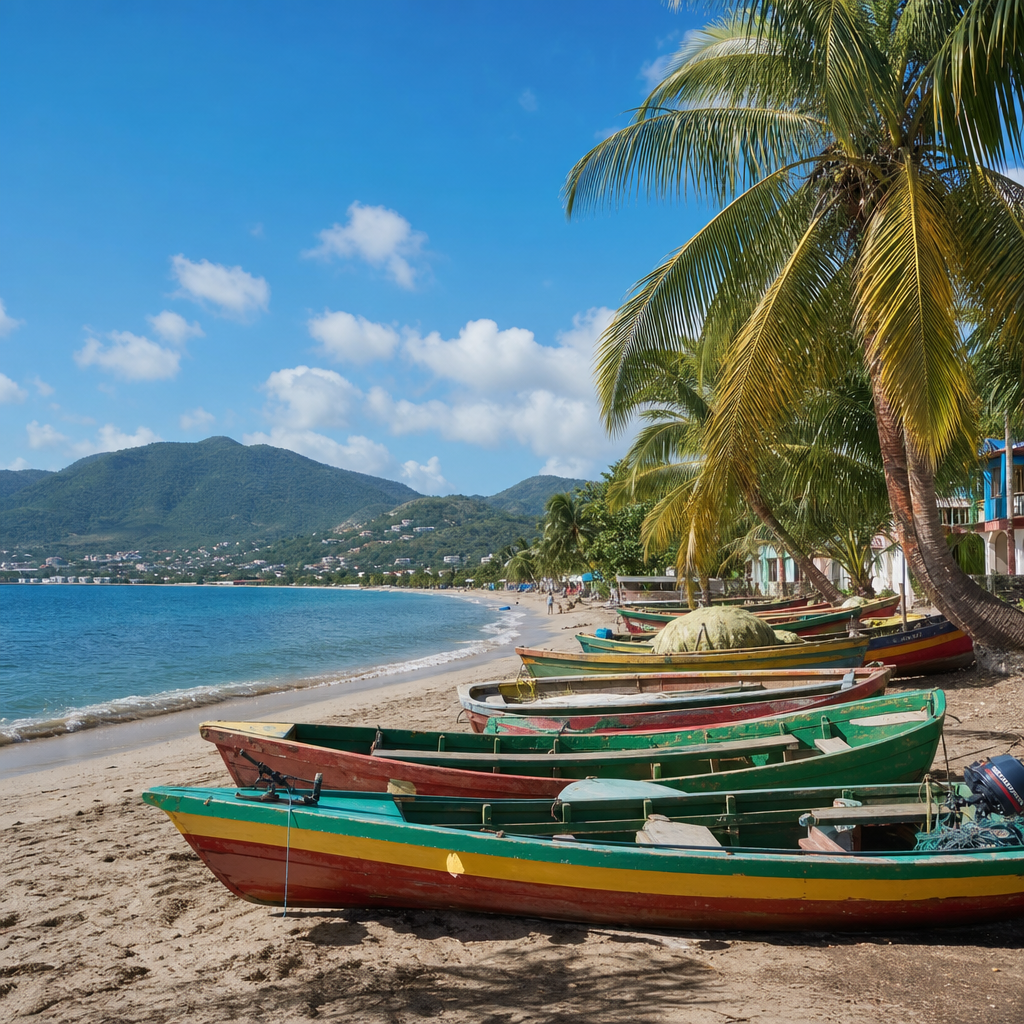
Saint Kitts’ beach culture is more than a postcard scene of turquoise water and bright sand; it is a living part of daily island life shaped by fishing traditions, weekend gatherings, tourism, music, food, and community rituals. When people talk about beach culture in Saint Kitts, they usually mean the habits, values, and shared experiences that happen along the coast: early morning swims, family lime sessions, beach bar conversations, football on the sand, boat excursions, seafood lunches, and Carnival energy that spills toward the shoreline. As someone who has spent years observing how locals actually use these beaches, I can say the difference between a beach that looks beautiful and a beach that feels culturally alive is immediately obvious.
That distinction matters because visitors often arrive expecting only relaxation, while residents understand the shore as one of the island’s most important social spaces. Saint Kitts is a compact Caribbean island in the Federation of Saint Kitts and Nevis, yet its coastline supports a surprising variety of experiences. Frigate Bay offers a highly social strip of bars and watersports. South Friars Bay mixes laid-back family energy with easy swimming. Cockleshell Bay opens views toward Nevis and serves as a gateway to boat trips and beach clubs. Dieppe Bay on the Atlantic side feels rougher, cooler, and more tied to fishing and natural drama. Each place reveals something different about local life and experiences.
For readers exploring miscellaneous topics under local life and experiences, beach culture is the ideal hub because it connects so many parts of the island at once. It links food traditions to roadside grills, music to weekend events, transport patterns to taxi routes and scenic drives, and community identity to public gatherings. It also shows the tension between local use and tourism development, a practical issue that influences access, pricing, and atmosphere. Understanding Saint Kitts’ beach culture helps you read the island more accurately. You begin to notice who arrives early, where families set up, why certain bars become landmarks, and how coastal spaces reflect the pace, humor, and resilience of Kittitian society.
Most importantly, this topic matters because beaches in Saint Kitts are not just destinations; they are part of how people mark time. Weekdays can feel calm and spacious, while weekends transform the same shore into a social map of friendships, generations, and routines. A first-time visitor might only see chairs, umbrellas, and water. A local sees memory, neighborhood patterns, and unwritten etiquette. That local perspective turns a simple beach day into a clearer understanding of the island itself.
The Rhythms of Everyday Beach Life
The first thing to understand about Saint Kitts’ beach culture is rhythm. Beaches are used differently by hour, day, and season, and those patterns reveal more than any brochure can. Early mornings are often quiet except for walkers, joggers, fishers, and people who prefer a calm swim before the heat builds. Midday belongs more to visitors, cruise passengers on organized schedules, and anyone specifically seeking sun. By late afternoon, especially on Fridays and weekends, beaches start to feel local again as residents finish work, collect friends, or bring children out for a few hours by the water.
I have found that local beach use in Saint Kitts is rarely performative. People come to lime, which in Caribbean terms means relaxing and socializing without rigid plans. One group may set up near a bar for easy access to drinks and music; another may choose a quieter corner with a cooler, grilled food, and portable speakers. Family groups often arrive prepared, carrying folding chairs, snacks, juices, and enough supplies to stay for hours. The beach becomes a temporary outdoor living room. That sense of informal settlement is central to the culture.
Weather and sea conditions also shape behavior. The Caribbean side is generally calmer and better suited to casual swimming, which is why beaches like South Friars Bay and Cockleshell Bay attract mixed groups. Atlantic-facing areas can be rougher, breezier, and less predictable, appealing more to people who enjoy dramatic scenery or fishing rather than easy floating. During periods of sargassum influx, beach habits can shift quickly, with locals choosing cleaner stretches based on current conditions rather than fixed loyalty to a single spot.
Another important feature is flexibility. In many destinations, beaches are consumed as products with predefined activities. In Saint Kitts, the same beach can function as a workout space, a lunch spot, a children’s play area, a party setting, and a quiet sunset viewpoint within one day. That fluidity is part of what gives the island’s coastal life its authenticity.
The Beaches That Define the Social Scene
Not all beaches in Saint Kitts play the same role. Frigate Bay, especially the strip often called The Strip, is the best-known social beach zone and one of the clearest examples of beach culture meeting nightlife. It is where bars, restaurants, music, and waterside seating create a steady stream of movement. On busy evenings, locals, students, returning nationals, and tourists overlap in a way that rarely happens inland. Frigate Bay is not the quietest or most traditional beach environment, but it is culturally important because it showcases modern island social life in plain view.
South Friars Bay offers a different mood. The water is usually swimmable, the setting feels more relaxed, and the crowd is often mixed across age groups. It is one of the easiest places to understand how locals and visitors can share a beach without competing for the same experience. Some come for beach bars and loungers, others for a simple swim and conversation. On many weekends, you will find families staying longer here than in more nightlife-centered areas because the pace is easier and the layout feels less compressed.
Cockleshell Bay is significant for both scenery and function. With its long view toward Nevis and its role as a launch point for catamaran excursions, snorkeling trips, and day escapes to nearby cays, it sits at the intersection of local recreation and visitor activity. It also attracts people who want a fuller beach day, including lunch, watersports, and time in the shallows. When conditions are right, the bay has the broad, open feel that many people imagine when they picture the southeastern peninsula.
On the other hand, places like Dieppe Bay and isolated black-sand stretches tell another story: one less commercial, more elemental, and often tied to fishing history or rugged coastline identity. These beaches may not dominate tourism marketing, but they deepen any serious understanding of Saint Kitts.
Food, Music, and the Beach Bar Tradition
Beach culture in Saint Kitts is inseparable from food and music. A beach without something cooking nearby feels incomplete. Grilled lobster when in season, snapper, saltfish dishes, chicken, conch where available, johnny cakes, festival, plantain, and rice sides all show up in beach-adjacent settings. The exact menu changes by venue and season, but the principle stays the same: food anchors the social experience. People may say they are going to the beach, but often they also mean they are going for lunch, drinks, and conversation that unfolds over several hours.
Bars along the coast act as landmarks, meeting points, and informal community stages. They provide bathrooms, shade, drinks, and music, but they also help organize the social geography of a beach. One venue might draw a younger after-work crowd with DJs and cocktails. Another might be known for grilled fish and a slower daytime rhythm. Regulars often choose a beach partly because they know the staff, trust the kitchen, or like the music policy. That loyalty is part of the island’s beach identity.
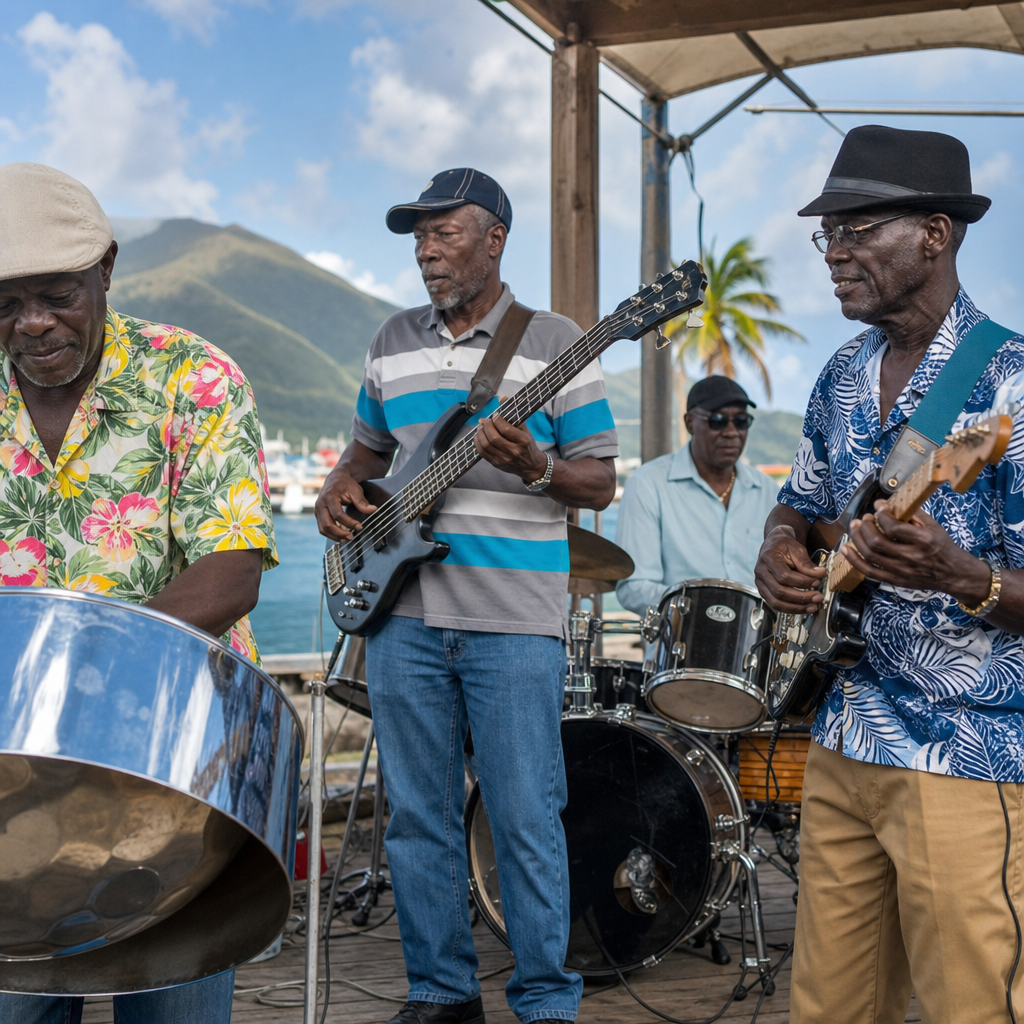
Music matters because it sets boundaries without walls. Soca, reggae, dancehall, old-school Caribbean hits, and occasional international playlists create different zones of energy along the shore. During festival periods, music becomes even more central, with beaches serving as spillover spaces for celebration. Yet there is a balance. Not every beach day is a party. Many locals still seek places where the soundtrack is mostly wind, surf, and conversation. Knowing which beaches support which mood is one of those small pieces of local knowledge that improves the experience immediately.
| Beach Area | Main Vibe | Typical Local Use | Best Fit For |
|---|---|---|---|
| Frigate Bay | Social, lively, bar-oriented | Evening meetups, nightlife, waterside dining | Visitors who want activity and convenience |
| South Friars Bay | Relaxed, mixed crowd | Family outings, swimming, long casual afternoons | Balanced beach days with food and calm water |
| Cockleshell Bay | Scenic, spacious, excursion-friendly | Boat trips, beach lunches, group gatherings | Full-day outings and Nevis views |
| Dieppe Bay | Rugged, quieter, nature-focused | Fishing culture, scenery, short visits | Travelers seeking a less commercial coast |
Local Etiquette, Access, and Practical Realities
A local perspective on Saint Kitts’ beach culture must include etiquette and access. Beaches in Saint Kitts are broadly understood as shared spaces, but the experience on the ground depends on parking, nearby businesses, transport options, and confidence navigating public access points. Visitors sometimes assume every attractive shoreline functions like a resort beach. In reality, some areas are easier to enter and use casually than others. When in doubt, ask before crossing near private operations, and support nearby businesses if you are using their facilities for shade, chairs, or restrooms.
Respect also means reading the atmosphere. If a family cluster has clearly claimed a space for the day, locals generally avoid crowding too closely when there is room elsewhere. Loud music is accepted in some contexts and unwelcome in others. Littering is especially poorly received because communities notice quickly when beaches are not being cared for. On islands, cleanup is not abstract; waste directly affects fishing areas, swimming quality, and neighborhood pride.
Transport shapes access more than many visitors expect. Renting a car gives the most freedom, especially for beach-hopping around the southeast peninsula, but taxis remain a major part of beach movement, particularly from Basseterre, hotels, and the cruise port. Timing matters too. On cruise-heavy days, the more accessible Caribbean-side beaches can feel busier and more commercial. Locals often adjust by arriving earlier, staying later, or choosing less obvious spots. This is one reason no single article about the best beach in Saint Kitts can ever be universally correct; the answer changes with the day’s traffic, weather, and your tolerance for company.
There are tradeoffs to development as well. Better amenities improve comfort and safety, yet too much commercialization can flatten local character. The healthiest beach culture is one where public enjoyment, small business activity, and environmental protection remain in balance.
Environmental Awareness and the Future of Beach Culture
Any honest discussion of local life and experiences in Saint Kitts has to address environmental pressure. Beach culture depends on healthy coastal ecosystems, and those systems are vulnerable to erosion, coral stress, stronger storms, and marine debris. Sargassum seaweed events, which have affected much of the Caribbean in recent years, can temporarily change how beaches look, smell, and function. Locals have adapted by tracking conditions in real time, but the broader issue remains serious because repeated heavy influxes affect tourism, fisheries, and daily enjoyment.
Reef health matters even when people never put on a snorkel mask. Coral reefs and seagrass beds help reduce wave energy, support fish populations, and contribute to water clarity. Damage offshore eventually changes the beach experience onshore. That is why responsible operators increasingly talk about mooring practices, reef-safe behavior, and reducing single-use plastics. These are not abstract environmental slogans. They are practical steps tied directly to the future of beach days in Saint Kitts.
Community habits make a difference. I have seen local beach cleanups, informal waste collection after events, and small businesses quietly enforcing standards by keeping their frontage clean and discouraging disposable clutter. Schools, civic groups, and tourism stakeholders all have a role, but progress is strongest when residents feel that beaches still belong to them and their children. Once people feel excluded, stewardship weakens.
The future of Saint Kitts’ beach culture will depend on preserving that local stake while welcoming visitors. That means maintaining public access, supporting independent beach bars and food vendors, protecting marine environments, and avoiding the mistake of turning every shoreline into a controlled resort product. Beaches thrive culturally when they remain flexible, shared, and recognizable to the people who use them year-round.
Saint Kitts’ beach culture is best understood not as a single attraction but as a network of coastal experiences that reveal how the island lives. From Frigate Bay’s social energy to South Friars Bay’s family-friendly calm, from Cockleshell’s expansive views to the rugged character of the northern coast, each shoreline reflects a different side of Kittitian identity. Food, music, fishing memory, weekend routines, and environmental realities all meet at the water’s edge, which is why beaches belong at the center of any guide to local life and experiences.
The biggest takeaway is simple: if you want to understand Saint Kitts, do not only ask which beach is prettiest. Ask how people use it, when they gather, what they eat there, which music plays, and how access is changing. That local lens turns a beach visit into cultural understanding. It also helps you choose the right beach for your own style, whether you want quiet swimming, a long lunch, lively nightlife, or a scenic base for exploring the island.
Use this hub as your starting point for the miscellaneous side of local life and experiences, then go deeper into individual beach guides, food spots, coastal drives, and neighborhood stories. The more intentionally you explore Saint Kitts’ beaches, the more clearly the island introduces itself.
Frequently Asked Questions
What makes beach culture in Saint Kitts different from a typical Caribbean beach vacation experience?
Beach culture in Saint Kitts is deeply woven into everyday life, which is what sets it apart from the more polished, visitor-centered image many people associate with a Caribbean beach holiday. On the island, the beach is not just a scenic backdrop for sunbathing or a place people visit occasionally while on vacation. It is a social space, a food space, a work space, and, in many ways, an extension of home. Fishermen head out early, families gather on weekends with coolers and grills, friends meet for a casual lime by the water, and beach bars become gathering points where conversations move naturally from local news to cricket, politics, music, and community events.
There is also a strong rhythm to how people use the coast. Mornings can feel calm and practical, with walkers, swimmers, and fishers making use of the shoreline before the day heats up. Later, the atmosphere often shifts into something more social, especially on weekends and holidays, when beaches fill with music, shared food, domino games, and children running between the sand and sea. This creates a beach culture that feels lived-in rather than staged. Visitors who spend enough time beyond the resort layer often notice that the beach in Saint Kitts functions as a community commons, where local identity, hospitality, recreation, and tradition meet in a very natural way.
How do local traditions and community gatherings shape the beach experience in Saint Kitts?
Local traditions are central to the beach experience in Saint Kitts because many coastal habits have been passed down through families and communities over generations. Beach gatherings are often multigenerational, with grandparents, parents, teenagers, and young children all sharing the same space in different ways. One group may be preparing food, another setting up chairs and tents, another playing music, while the children head straight for the water. These gatherings are not only recreational; they reinforce family bonds, neighborhood ties, and a sense of belonging. The beach becomes a place where people celebrate birthdays, public holidays, long weekends, and simple Sunday downtime without needing an elaborate occasion.
Food and music are especially important in shaping these gatherings. The smell of grilled seafood, seasoned meats, and local side dishes is part of the atmosphere, and playlists often move between soca, reggae, dancehall, and other regional sounds that reflect the island’s social energy. Conversations flow easily, and there is usually a welcoming quality to the environment, even when people are gathered in their own circles. Sporting activity also plays a role, with football on the sand, casual swimming competitions, and boat outings adding movement and excitement to the day. Altogether, these traditions give Saint Kitts’ beach culture its character: communal, relaxed, expressive, and rooted in real social life rather than just tourism imagery.
What role do fishing, seafood, and coastal livelihoods play in Saint Kitts’ beach culture?
Fishing and coastal livelihoods remain an important part of how many people in Saint Kitts relate to the beach. Even as tourism has grown, the sea is still connected to work, survival, skill, and tradition. For many locals, the beach is associated not only with leisure but with the practical rhythms of launching boats, bringing in catches, maintaining equipment, and trading or preparing seafood. This connection creates a different kind of respect for the coastline. The sea is enjoyed, but it is also understood as a resource that has long supported families and communities.
That connection is especially visible in the island’s food culture. Seafood is not just a menu item for visitors; it is part of the coastal identity. Fresh fish, lobster, conch, and other local catches often move quickly from boat to kitchen to beachside plate. Eating seafood by the water is a cultural experience because it reflects the direct relationship between the marine environment and everyday life. Local beach bars, cookshops, and roadside food spots often become places where that relationship is most obvious, offering meals that feel immediate, seasonal, and tied to the island’s traditions. In this sense, beach culture in Saint Kitts is sustained not only by recreation and scenery, but by a long-standing coastal economy and the knowledge that comes with living close to the sea.
How has tourism influenced beach culture in Saint Kitts from a local perspective?
Tourism has had a major influence on beach culture in Saint Kitts, but from a local perspective, that influence is best understood as a mix of opportunity, adaptation, and negotiation. On one hand, tourism has supported beach bars, water sports operators, restaurants, taxi services, boat charters, and many small businesses that depend on coastal activity. It has helped bring investment, visibility, and infrastructure to certain beach areas, and it has introduced visitors to the island’s warmth, cuisine, music, and hospitality. Many locals benefit directly or indirectly from this economy, so tourism is not separate from beach culture; in many places, it is now part of it.
At the same time, locals are often aware of the difference between beaches as lived community spaces and beaches as commercial products. Some areas may feel more visitor-oriented, while others retain a more local rhythm. This creates an ongoing balance between preserving the authentic social life of the coast and accommodating the expectations of travelers. A local perspective often recognizes both the positives and the pressures: tourism can create jobs and cultural exchange, but it can also change how space is used, who feels most comfortable in certain areas, and how traditions are presented. The strongest beach culture in Saint Kitts tends to be found where local life remains visible and active, rather than hidden behind a purely resort-based experience.
If I want to experience Saint Kitts’ beach culture respectfully, what should I pay attention to?
To experience Saint Kitts’ beach culture respectfully, the first thing to understand is that many beaches are shared social spaces with their own unspoken etiquette, regulars, and rhythms. Approach the environment with curiosity and humility rather than treating it as a private attraction. Observe how people use the space, whether families are gathered for the day, whether fishers are working nearby, or whether a beach bar has a strong local following. Respecting personal setups, keeping noise at a reasonable level unless the setting is clearly lively, and asking before joining certain activities are simple ways to show awareness.
It also helps to support the culture as it actually exists. Eat at local beach bars or food stalls, try the seafood, talk with people when the moment feels natural, and appreciate that a beach day in Saint Kitts often revolves around community, conversation, and shared enjoyment rather than strict schedules. Be mindful of litter, avoid disrupting fishing or boating activity, and remember that friendliness should be matched with courtesy. If music is playing, children are running through the sand, and several generations are gathered under tents, you are not just seeing a leisure scene; you are seeing island life in motion. The best way to take part is to enjoy it with respect, patience, and genuine interest in the people who make that culture possible.