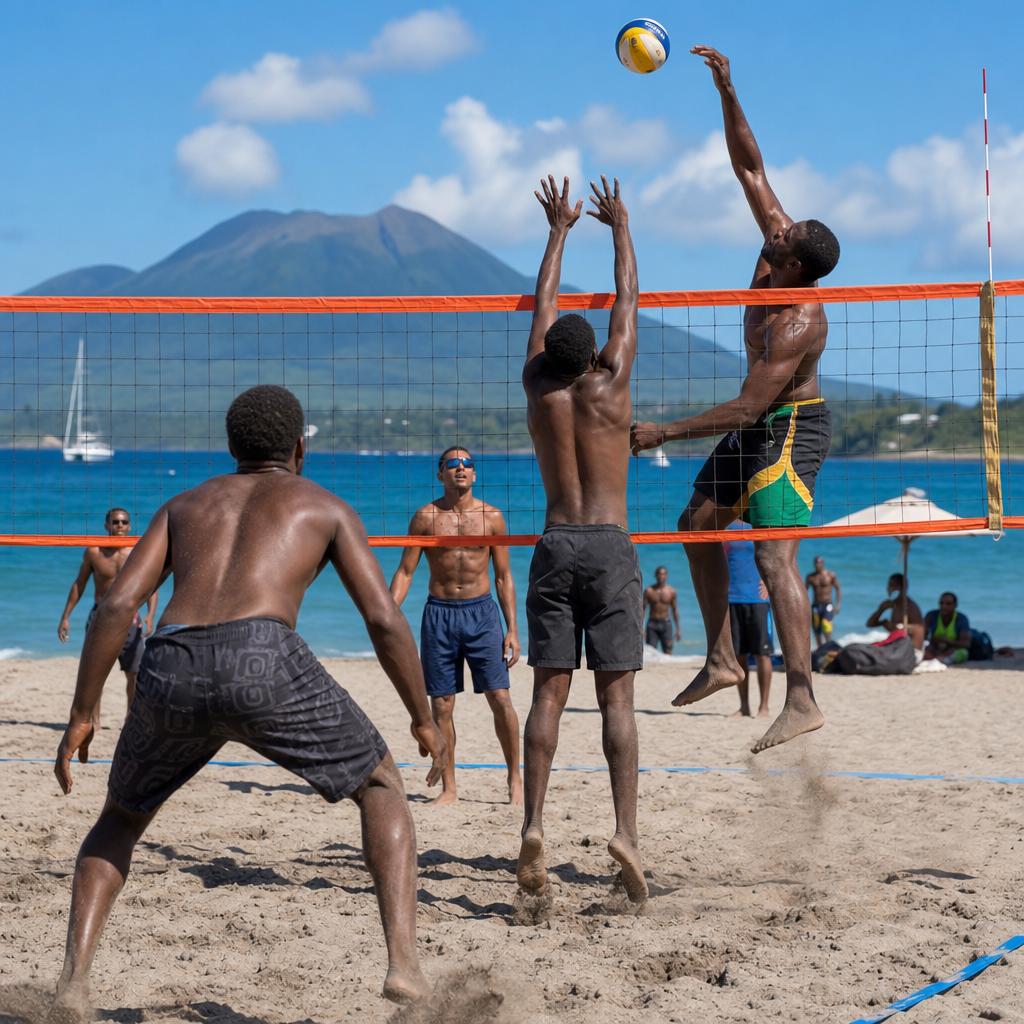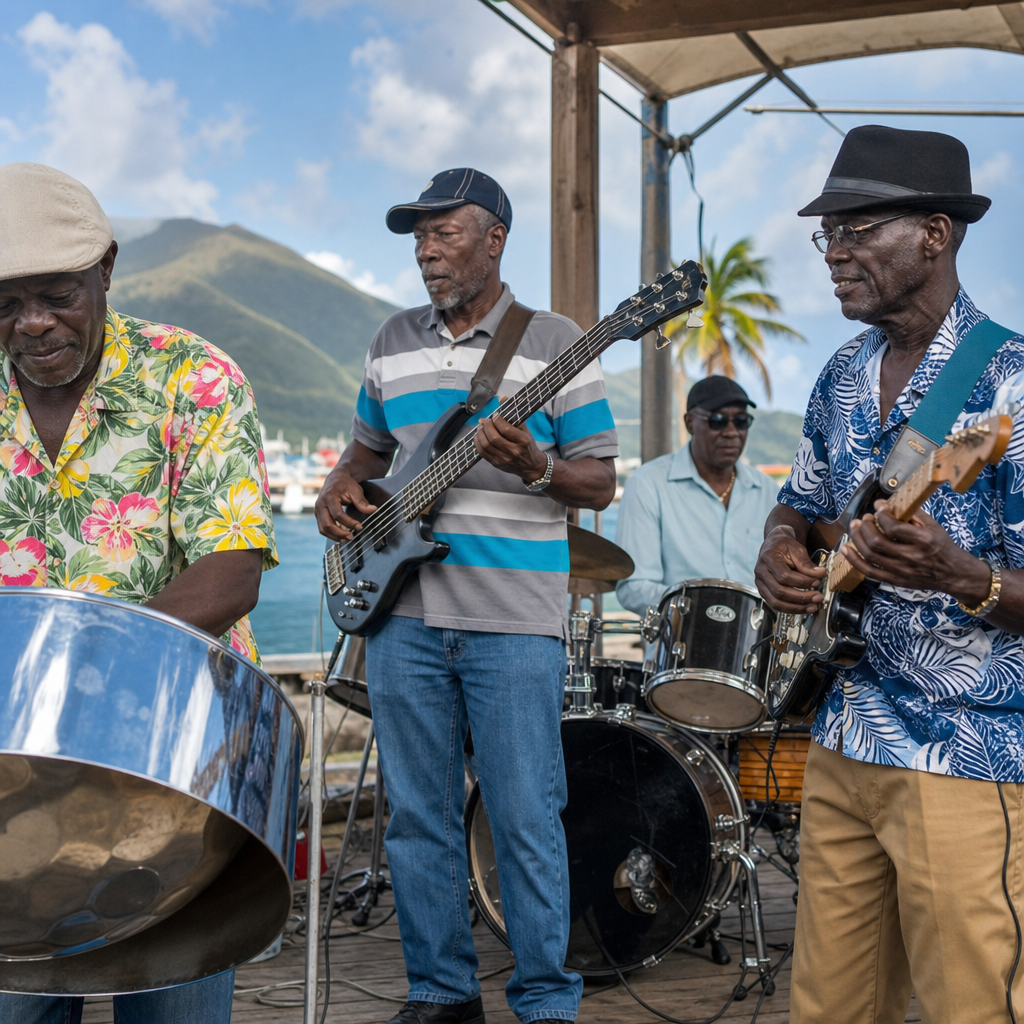
Saint Kitts’ local music scene is one of the clearest windows into the island’s identity, carrying history, celebration, resistance, and community memory in rhythms that are heard at street parades, beach bars, churches, school events, and national festivals. When people ask what music defines Saint Kitts, the short answer is this: the island’s sound is rooted in calypso, soca, string band traditions, steelpan, gospel, reggae, and carnival performance culture, then continually refreshed by younger artists, DJs, producers, and live bands. That mix matters because music in Saint Kitts is not a side attraction for visitors; it is part of daily life, public storytelling, and local economic activity.
Over years of covering Caribbean cultural destinations and speaking with event promoters, musicians, and venue operators, I have found that Saint Kitts stands out for how closely music remains tied to place. Bass lines spill from roadside cookups, calypsonians sharpen social commentary ahead of Carnival, and community bands move easily between heritage repertoire and contemporary dance tracks. In practical terms, the local music scene includes formal performances, informal jam sessions, seasonal competitions, church choirs, school ensembles, studio production, and tourism-facing entertainment. Understanding that full landscape helps residents support local talent and helps travelers experience the island beyond postcard beaches.
This hub article maps the essentials of Saint Kitts’ music culture and points toward the related experiences that sit around it, from festivals and nightlife to food, neighborhood traditions, and creative entrepreneurship. If you want to know what styles matter most, where music is performed, how the festival calendar shapes demand, and why local artists remain central to cultural preservation, this guide covers the foundation in plain terms.
The musical roots that shape Saint Kitts today
Saint Kitts’ music scene is vibrant because it is layered. African diasporic rhythms, colonial-era marching traditions, church music, pan-Caribbean exchange, and modern digital production all influence what listeners hear now. Calypso remains especially important because it does more than entertain. At its best, calypso functions as social reporting set to melody, with singers addressing politics, everyday hardship, humor, and public life. Across the Caribbean, calypso has long served that role, and Saint Kitts maintains the tradition through local competitions and festival stages where lyric writing still matters.
Soca adds a different energy. Where calypso often leans on wit and commentary, soca is built for motion, crowd response, and celebration. In Saint Kitts, soca dominates fetes, beach events, road marches, and Carnival-centered programming. The local version draws from regional trends while retaining homegrown accents, chant structures, and references that make songs immediately recognizable to Kittitian audiences. I have seen this pattern in many island scenes: a hit song succeeds not only because of tempo, but because listeners hear themselves in the hook, the slang, and the event references.
String band traditions also deserve attention. Though less globally marketed than soca, string bands are part of the island’s cultural backbone, using instruments such as guitar, banjo, cuatro-style accompaniment, fife, and percussion to animate folk forms and community gatherings. Steelpan, meanwhile, links Saint Kitts to a wider Caribbean tradition of disciplined ensemble performance and festival spectacle. Add reggae, dancehall, gospel, R&B covers, and contemporary Afro-Caribbean fusion, and the result is a scene that is both traditional and adaptive.
Carnival and festival culture as the engine of the scene
If one force organizes the local music economy in Saint Kitts, it is Carnival. Known nationally as a period of pageantry, masquerade, competition, and public festivity, Carnival creates deadlines for songwriting, rehearsal, costume design, stage production, sponsorship, media coverage, and audience engagement. For musicians, this season is not simply a party cycle. It is a high-stakes performance window that can establish reputations for years. Calypso monarch contests, soca competitions, J’ouvert road energy, and live band events all concentrate public attention.
From an industry perspective, festival season boosts multiple layers of local life. Sound engineers, promoters, security teams, food vendors, makeup artists, transportation providers, and radio presenters all benefit when the music calendar intensifies. This is why local music should be understood as both cultural expression and micro-economy. A successful Carnival song can generate bookings at hotels, private parties, diaspora events, and regional showcases. It can also carry local slang and storylines into neighboring islands, giving Saint Kitts broader visibility.
Outside Carnival, music remains active through Independence celebrations, church conventions, community heritage events, restaurant entertainment nights, and tourism programs tied to cruise arrivals or resort stays. That wider calendar matters because artists cannot rely on one season alone. The strongest scenes create year-round opportunities, and Saint Kitts continues to build those through recurring live events and venue partnerships.
The genres, venues, and experiences visitors should know
For anyone exploring local life and experiences in Saint Kitts, music appears in several settings, each with a distinct atmosphere. Beach bars often feature soca, reggae, and crowd-friendly cover bands. Restaurants may host acoustic sets, jazz-leaning ensembles, or steelpan performances timed for dinner service. Nightclubs and late bars lean toward DJs, dancehall, soca, Afrobeats, and international hits. Community events and public festivals present the strongest concentration of original local music, especially when calypsonians or Carnival artists are billed.
The most rewarding approach is to treat venues as gateways to different parts of island culture rather than as interchangeable nightlife stops. A hotel lounge performance may showcase polished standards for mixed audiences, while a neighborhood event can reveal the call-and-response, jokes, and local references that define Kittitian crowd chemistry. In my experience, travelers who ask hosts or drivers where residents go for live music usually end up with a much richer evening than those who rely only on generic listings.
| Music experience | What you will likely hear | Best for | What makes it distinct |
|---|---|---|---|
| Carnival events | Calypso, soca, live bands, road music | Peak cultural immersion | Strongest concentration of original local performance |
| Beach bars | Reggae, soca, party mixes, covers | Relaxed social evenings | Casual atmosphere with local crowd interaction |
| Restaurants and hotels | Steelpan, acoustic sets, jazz, soft soca | Accessible first exposure | Comfortable setting for visitors new to the scene |
| Community events | Folk, gospel, youth performances, local bands | Authentic neighborhood culture | Closer connection to families, schools, and tradition |
For a sub-pillar hub under local life and experiences, these venue types connect naturally to related topics such as Saint Kitts nightlife, Carnival traditions, local dining, beach culture, and community festivals. Music is the thread linking them.
The role of artists, bands, DJs, and cultural institutions
A healthy local music scene depends on more than singers. In Saint Kitts, artists operate within an ecosystem of backing bands, arrangers, producers, MCs, DJs, pan groups, choir directors, event planners, radio stations, and cultural agencies. DJs are especially influential because they bridge local releases and audience response in real time. A song that repeatedly lands in live sets, radio rotation, and Carnival warm-up events gains traction quickly. That pattern is common across small island markets, where public feedback loops are fast and reputation spreads by word of mouth as much as by streaming.
Bands remain crucial because live performance still carries social weight. Audiences expect stagecraft, crowd management, and musical adaptability. A strong Kittitian band may need to shift from classic calypso to modern soca, then into reggae or international dance tracks without losing momentum. That versatility makes local musicians highly skilled working professionals, not hobbyists serving a tourist stereotype.
Cultural institutions also matter. Schools, churches, and national arts bodies create training pathways and public platforms. Youth exposure to pan, choir singing, drumming, and festival presentation helps preserve forms that might otherwise weaken under imported media pressure. When policymakers discuss cultural development, this is where investment counts most: rehearsal spaces, instrument access, arts education, fair event compensation, and reliable promotion infrastructure.
How music reflects everyday life in Saint Kitts
The deepest reason Saint Kitts’ local music scene matters is that it reflects how people live. Songs capture village rivalries, labor concerns, romance, migration, politics, and celebration. Calypso can critique public figures with precision. Gospel expresses faith communities that remain central to island life. Soca turns collective release into a public ritual. Even a casual bar set often reveals how global genres are localized through accent, repertoire choice, and audience interaction.
This is why music belongs at the center of any serious guide to local experiences. Food, language, festival costume, and music all reinforce one another. A Friday night lime with grilled seafood, roadside vendors, cricket talk, and a DJ set is not merely entertainment; it is a living social environment. Visitors who engage respectfully with that environment gain a better understanding of Saint Kitts than they would from a resort schedule alone.
For residents and diaspora audiences, local music also supports belonging. Songs become archives of shared phrases, memorable seasons, and national moments. In small societies, cultural memory is often carried orally and performatively as much as in formal institutions, and music does that work exceptionally well.
Challenges, opportunities, and the future of the scene
Like many island music markets, Saint Kitts faces structural constraints. The domestic audience is limited by population size, production budgets are often tight, and artists compete for attention against heavily marketed international content. Venue consistency can vary, and monetization remains difficult when streaming payouts are low and live bookings are seasonal. Copyright administration, professional management, and export strategy also remain areas where many Caribbean scenes seek stronger systems.
Yet the opportunities are substantial. Digital distribution allows Kittitian artists to reach diaspora communities in the United States, Canada, and the United Kingdom without waiting for label gatekeepers. Social platforms help songs travel when dance challenges, Carnival clips, or crowd-response videos gain traction. Regional collaboration is another practical path. Features with artists from Trinidad and Tobago, Antigua, Saint Lucia, or Barbados can widen listenership while keeping local identity intact.
Tourism presents another opening, provided it is handled thoughtfully. The best model is not reducing local music to background ambiance for visitors. It is creating paid, visible, well-produced spaces where local performers are presented as the main attraction. Hotels, festivals, and cruise-linked events that book artists fairly can strengthen the scene while giving travelers an authentic cultural experience. I have watched destinations miss this opportunity by overusing imported playlists instead of local talent. Saint Kitts gains more when it puts its own musicians forward.
Anyone building content around this miscellaneous hub should therefore connect music with adjacent subjects: local festivals, where to hear live bands, the history of Carnival, church and community traditions, arts education, and the creative economy. These are not separate stories. They are the full landscape of local life.
Saint Kitts’ local music scene is vibrant because it is lived, not staged. It grows from calypso commentary, soca energy, string band heritage, steelpan discipline, gospel conviction, and the practical hustle of performers who keep audiences engaged across festivals, neighborhoods, and hospitality venues. For readers exploring local life and experiences, music is the hub that ties together food, nightlife, heritage, community identity, and seasonal celebration. It explains how the island sounds, but also how it remembers, critiques, gathers, and celebrates.
The key takeaway is simple: to understand Saint Kitts, listen locally. Seek out Carnival events, ask where residents go for live bands, support venues that hire Kittitian performers, and follow the cultural calendar beyond peak tourist moments. That approach delivers a richer trip for visitors and stronger support for the artists and institutions preserving the island’s character. Use this hub as your starting point, then continue into related guides on festivals, nightlife, dining, and neighborhood culture to experience the full rhythm of Saint Kitts.
Frequently Asked Questions
What kinds of music define Saint Kitts’ local music scene?
Saint Kitts’ local music scene is best understood as a living mix of tradition, celebration, and constant reinvention. The styles most closely associated with the island include calypso, soca, string band music, steelpan, gospel, reggae, and the broader performance culture tied to Carnival. Calypso has long served as one of the island’s strongest storytelling forms, giving singers a way to comment on politics, social life, humor, and public feeling with intelligence and wit. Soca brings a faster, more dance-driven energy that powers fetes, road parades, and major festival events. String band traditions connect listeners to older community-based music-making, often featuring acoustic instrumentation and a distinctly local sound that reflects the island’s historical roots.
Steelpan adds another unmistakable Caribbean voice to the musical landscape, combining melody, rhythm, and performance in ways that are both technically impressive and deeply festive. Gospel remains central as well, especially in churches and faith-centered gatherings, where music plays a major role in communal life. Reggae has also shaped the island’s soundscape, not as a replacement for local styles but as a neighboring influence that blends naturally into Saint Kitts’ wider musical identity. What makes the scene especially vibrant is that these genres do not exist in isolation. Young artists regularly borrow from traditional forms while adding contemporary production, global Caribbean influences, and modern lyrical themes, keeping the music deeply rooted in Kittitian culture while ensuring it continues to evolve.
Why is music so important to Saint Kitts’ cultural identity?
Music in Saint Kitts is far more than entertainment; it is one of the island’s clearest expressions of identity, memory, and social connection. Through local songs, rhythms, and performance traditions, communities preserve stories about struggle, joy, faith, celebration, and everyday life. Many musical forms on the island developed as ways for people to speak publicly, gather socially, and affirm shared experience. That is why local music often carries layers of meaning at once: it can be festive and playful, but also historical, political, spiritual, and deeply personal. In this sense, music becomes a record of how Kittitians have understood themselves across generations.
This cultural importance is especially visible in public life. Music appears in street parades, church services, school functions, beach gatherings, family celebrations, and national festivals, making it part of the island’s everyday rhythm rather than something confined to formal stages. Calypso, for example, has long given performers a platform for commentary and critique, while Carnival music channels collective energy, pride, and creativity. Gospel reflects the role of faith and community in island life. Even informal performances can carry strong cultural weight because they pass along accents, rhythms, customs, and local ways of storytelling. In Saint Kitts, music helps people remember where they come from, celebrate who they are, and connect the past to the present in a way that feels immediate and alive.
How does Carnival influence the music scene in Saint Kitts?
Carnival is one of the most powerful forces shaping music in Saint Kitts because it creates both a major showcase for local talent and a creative deadline that drives new work each year. During the Carnival season, music becomes highly visible and widely discussed, with calypsonians, soca artists, steelpan performers, bands, and dancers all contributing to the excitement. For many artists, Carnival is the moment to release songs that speak directly to the mood of the island, whether through sharp social commentary, infectious party energy, or expressions of national pride. The season encourages competition, experimentation, and public engagement, which in turn helps sustain the broader music ecosystem.
Its influence extends beyond the festival itself. Carnival performance culture affects how music is written, arranged, and staged throughout the year. Artists learn to create songs that can move crowds, spark call-and-response, and leave a strong impression in live settings. Calypso competitions elevate lyrical craft and topical relevance, while soca events reward rhythm, energy, and audience connection. Steelpan ensembles and traditional masquerade elements also reinforce the value of discipline, rehearsal, and group performance. Just as important, Carnival gives younger musicians a visible path into the scene by showing them that local music matters on a national stage. In that way, Carnival is not just a celebration; it is one of the central institutions that keeps Saint Kitts’ musical culture dynamic, competitive, and deeply community-centered.
Where can visitors experience authentic local music in Saint Kitts?
Visitors can experience authentic local music in Saint Kitts in a wide range of settings, and that variety is part of what makes the scene so memorable. Large festivals and Carnival events are obvious highlights because they bring together many of the island’s best-known performers and styles in one place. However, some of the most meaningful encounters with local music happen in smaller, more everyday environments. Beach bars, community gatherings, cultural shows, school performances, church services, and neighborhood celebrations can all offer real insight into how music lives within the island rather than just how it is presented to tourists. These spaces often reveal the strongest connection between sound, community, and local identity.
For travelers who want a deeper cultural experience, timing and attention matter. A street parade or festival performance may showcase the excitement of soca and Carnival traditions, while a church service may highlight the strength of gospel singing and communal participation. Community events may feature string band influences, live local bands, or steelpan performances that speak directly to the island’s heritage. Even informal live sets in social venues can provide a window into current trends, especially when younger performers blend traditional Caribbean genres with fresh production and local storytelling. The most authentic approach is to listen across settings rather than searching for just one venue. In Saint Kitts, local music is not hidden away; it is woven into public and social life, and visitors who stay open to that rhythm usually come away with a much richer understanding of the island.
How are younger artists shaping the future of music in Saint Kitts?
Younger artists are helping shape the future of music in Saint Kitts by building on established traditions instead of abandoning them. The island’s classic forms, including calypso, soca, steelpan, gospel, reggae, and string band influences, still provide the cultural foundation. What is changing is how new generations interpret those sounds. Many emerging musicians are experimenting with updated production, broader Caribbean and global influences, digital distribution, and more contemporary lyrical themes, while still maintaining a recognizably Kittitian perspective. This balance between continuity and innovation is one of the reasons the scene remains vibrant. It allows local music to stay culturally grounded while also speaking to younger audiences at home and abroad.
These artists also contribute to the future of the scene by changing where and how music is discovered. Social media, streaming platforms, independent recording tools, and online promotion give performers more control over their work and more ways to reach listeners beyond the island. At the same time, local development still depends heavily on live performance, especially in festivals, schools, church communities, and Carnival-related spaces where artists learn stagecraft and audience connection. The strongest new voices are often those who can move comfortably between both worlds: honoring the island’s performance traditions while using modern tools to expand their reach. As a result, the future of music in Saint Kitts looks less like a break from the past and more like an active conversation with it, led by artists who understand that heritage and innovation can strengthen each other.