Saint Kitts is using solar energy projects and eco-tourism to reshape how a small Caribbean island grows without overloading its land, water, and coastal ecosystems. In practical terms, solar energy means generating electricity from sunlight through photovoltaic panels, battery storage, and grid-connected systems, while eco-tourism means travel designed to protect natural habitats, support local communities, and reduce environmental impact. On Saint Kitts, these two ideas are increasingly linked. Hotels want lower operating costs and cleaner power. Visitors want beaches, reefs, rainforests, and heritage sites that are not degraded by unchecked development. Policymakers want energy security because imported fossil fuels expose the island to volatile prices and supply disruptions. After working on destination content and renewable energy research across island economies, I have seen the same pattern repeatedly: tourism succeeds longer when energy planning is treated as part of environmental stewardship, not as a separate utility issue.
That connection matters because tourism is highly visible and energy use is relentless. Air conditioning, desalination, refrigeration, laundry, electric vehicles, marina operations, and digital guest services all consume electricity every day. When that power comes mainly from imported diesel, operating costs rise and emissions follow. When more of it comes from solar, especially in a place with strong year-round sunlight, a destination can reduce fuel imports, strengthen resilience, and market itself more credibly to travelers who care about sustainability. Saint Kitts also has a strategic advantage: its tourism product is diverse enough to connect clean energy with nature experiences, cultural heritage, agriculture, wellness, and small-business development. This article serves as a hub for that broader miscellaneous subtopic, explaining how solar infrastructure supports eco-tourism, where the opportunities are strongest, what tradeoffs remain, and how travelers, businesses, and planners can evaluate progress in a grounded way.
Why solar energy matters on Saint Kitts
Saint Kitts has long depended on imported petroleum products for electricity generation, a common challenge for small island developing states. That dependence affects electricity tariffs, national foreign exchange, and the cost structure of every tourism business, from boutique inns to large resorts. Solar energy directly addresses that vulnerability because the island receives abundant sunshine across most months of the year, making photovoltaic generation technically attractive. In simple terms, every kilowatt-hour produced locally from the sun is one less unit of fuel that must be shipped in, stored, and burned. The benefit is not only environmental. It is economic and operational. In my experience reviewing island energy plans, the most persuasive case for solar is usually the combination of lower long-term energy costs, less exposure to global fuel shocks, and a cleaner destination brand that travelers can actually see and trust.
For tourism businesses, solar projects can stabilize budgeting. Hotels often face large daytime cooling loads that align well with solar production, and that makes self-generation especially useful. Public-sector facilities also benefit. Schools, health centers, ports, and administrative buildings can reduce grid demand, freeing capacity and demonstrating leadership. On Saint Kitts, where storms and climate risks are real, distributed solar paired with battery storage can improve resilience for critical services and for properties that need backup power without relying entirely on diesel generators. That resilience story matters to visitors as much as sustainability. Travelers want assurance that their destination can manage disruptions while preserving the environment they came to enjoy.
How solar projects support eco-tourism growth
Eco-tourism on Saint Kitts depends on intact landscapes and authentic local experiences. Visitors come for hiking in the central mountain range, birdwatching, snorkeling, sailing, farm visits, historical interpretation, and lower-impact stays that feel connected to place. Solar projects support that model in several direct ways. First, they reduce local air pollution and greenhouse gas emissions associated with diesel generation. Second, they can lower operating costs for eco-lodges, nature attractions, and community enterprises that run on thin margins. Third, they strengthen the credibility of sustainability claims. A property that says it protects nature but uses wasteful energy systems invites skepticism. A property that invests in rooftop solar, efficient cooling, water conservation, and responsible waste management presents a much stronger case.
There is also a storytelling benefit. Sustainable tourism works best when visitors can understand the system behind the experience. A guided stay that explains how solar panels power guest rooms, how rainwater is harvested, and how local produce reduces transport emissions turns infrastructure into education. That is valuable because modern travelers increasingly reward transparency. Booking.com and Expedia sustainability filters, Green Key certification discussions, and independent traveler reviews all push businesses toward measurable environmental actions. On Saint Kitts, solar becomes part of the destination narrative: sunshine powers hospitality, protects reefs by reducing pollution pressure, and keeps more tourism revenue circulating locally instead of leaving the island through fuel imports.
Where Saint Kitts can apply solar across the visitor economy
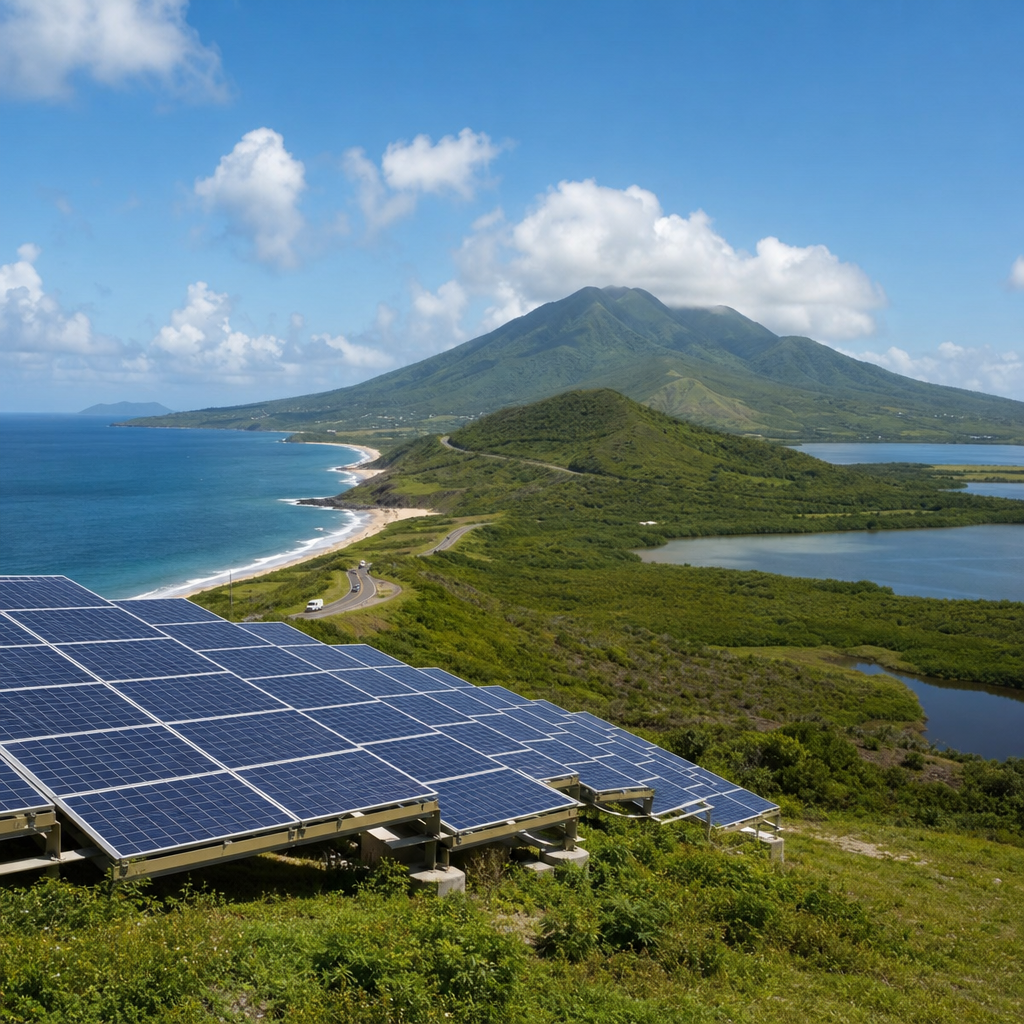
Solar adoption is most effective when matched to specific tourism uses rather than treated as a generic green upgrade. Accommodation is the obvious starting point. Rooftop photovoltaic systems can power guest rooms, kitchens, administration offices, and common spaces, while solar water heating can reduce one of the most consistent hotel energy loads. Restaurants can use solar for refrigeration support and daytime operations. Tour operators can install solar at dispatch points, marina offices, and visitor centers. Heritage attractions can pair solar lighting with battery systems to improve safety and reduce operating expense. Agricultural tourism sites can use solar pumps and cold storage, helping farmers serve both visitors and local markets more efficiently.
Electric mobility is another promising area. As more destinations experiment with electric shuttles, golf carts, bicycles, and charging stations, solar can help reduce transport emissions tied to the tourism experience. This will not eliminate the large emissions from international aviation, which remain the hardest part of tourism decarbonization, but it does improve the local footprint. The most credible sustainable tourism plans do not pretend to solve everything at once. They reduce what can be reduced now. Saint Kitts can make visible progress by connecting solar generation to ports, heritage circuits, beach facilities, and low-impact transport around key visitor zones.
| Tourism area | Solar application | Main benefit | Example outcome |
|---|---|---|---|
| Hotels and villas | Rooftop PV and solar water heating | Lower utility bills | More funds for staff training and conservation |
| Eco-lodges | Battery-backed solar microgrids | Greater resilience | Reliable power during outages with less generator use |
| Attractions and parks | Solar lighting and visitor center systems | Reduced operating costs | Extended opening hours with lower emissions |
| Agritourism sites | Solar pumps and cold storage | Improved productivity | Fresh local produce for tours and restaurants |
| Transport hubs | Solar canopies and EV charging | Cleaner local mobility | Low-emission transfers for guests and staff |
Eco-tourism assets that benefit most from cleaner energy
Not every tourism asset gains value from solar in the same way. Nature-based experiences benefit most when cleaner energy helps preserve the setting itself. On Saint Kitts, rainforest trails, coastal viewpoints, marine excursions, and farm-based tours depend on a sense of ecological quality. If energy choices contribute to pollution, noise, or visual clutter, the visitor experience suffers. By contrast, when facilities are designed carefully, solar can be almost invisible while delivering measurable benefits. Low-profile rooftop systems on visitor centers, shaded parking with solar canopies, and battery storage housed within service areas can support operations without dominating the landscape.
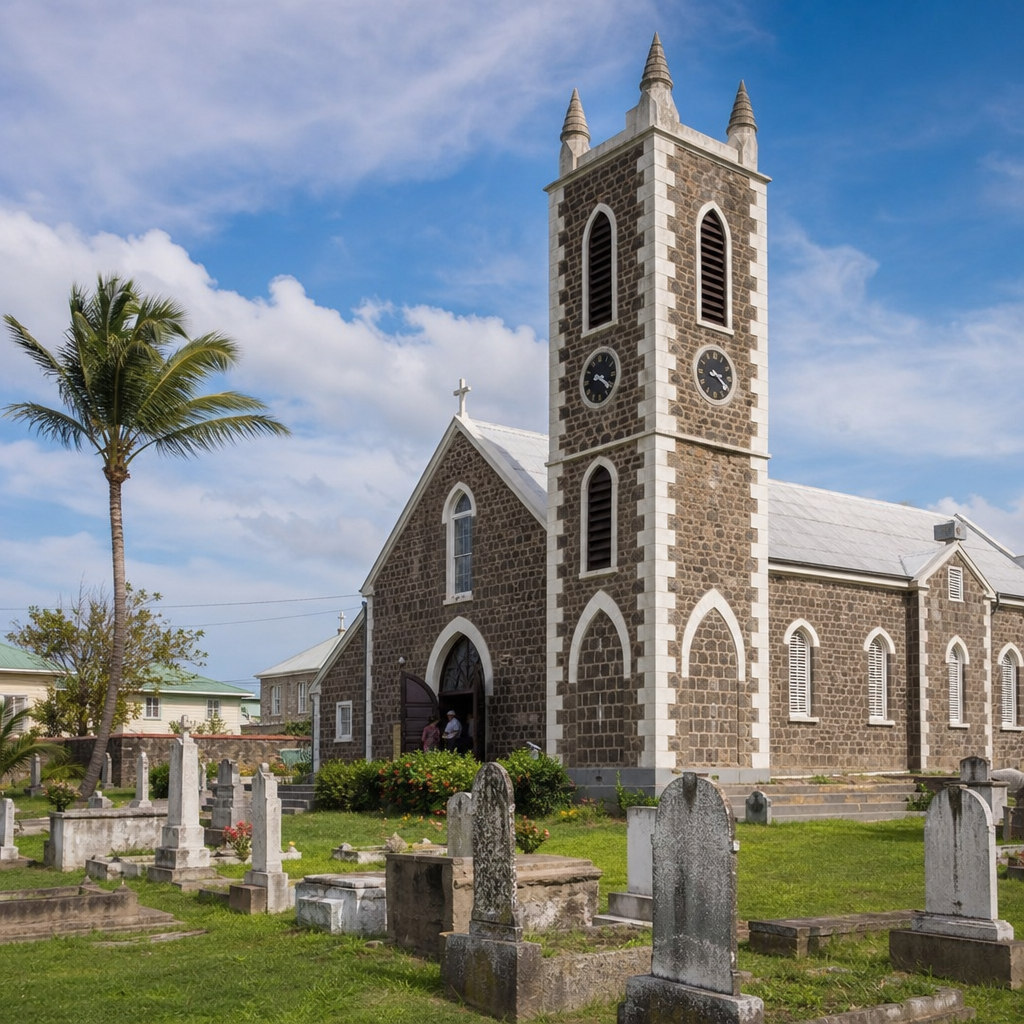
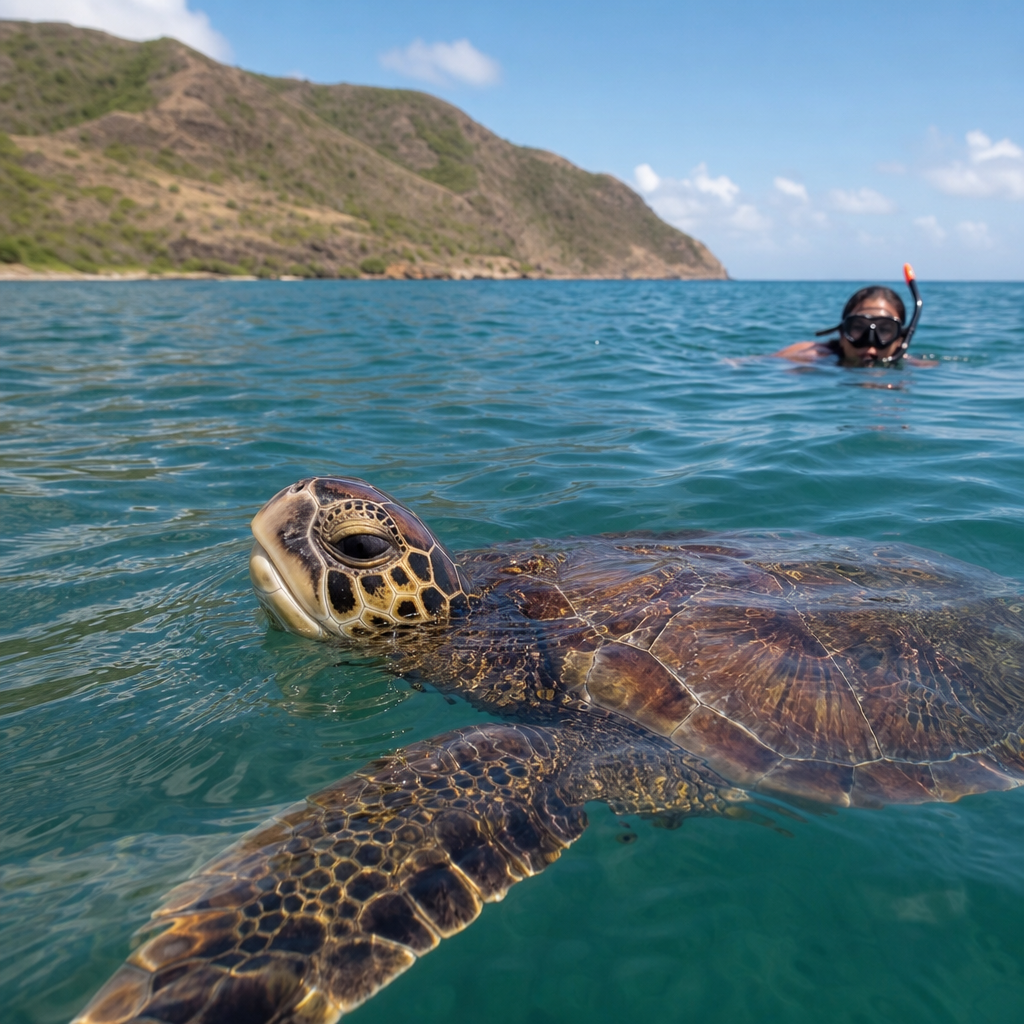
Marine and coastal tourism especially need this support because coral reefs and seagrass systems are already under pressure from warming seas, runoff, and physical disturbance. Solar does not solve reef degradation directly, but it fits the wider management approach that responsible coastal destinations need: cleaner energy, better wastewater treatment, controlled development, and education for boaters and snorkelers. Heritage tourism also gains. Brimstone Hill Fortress National Park and other cultural sites can incorporate efficient lighting, interpretation technology, and conservation operations with lower energy demand. When historic places adopt modern clean-energy systems sensitively, they demonstrate that preservation and innovation are not opposites.
Challenges, tradeoffs, and what realistic progress looks like
Solar energy on Saint Kitts is promising, but it is not effortless. Upfront capital cost is the first barrier. Even when lifecycle savings are strong, hotels and small tourism operators may hesitate if financing is expensive or uncertain. Grid integration is another challenge. Islands need careful planning for variable renewable generation, voltage regulation, storage, and backup systems. Land use can also become contentious if utility-scale projects compete with agriculture, habitat protection, or scenic values important to tourism. I have seen island destinations damage public support for renewables by treating site selection as purely technical. It is not. Community consultation and visual impact planning are essential.
There are also maintenance realities. Salt air, humidity, hurricanes, and supply-chain delays can affect performance and repair schedules. A solar system is only as reliable as its design, installer quality, inverter maintenance, and monitoring regime. Training local technicians matters because imported expertise is costly and slows response times. Finally, sustainability claims must stay honest. A resort with solar panels but poor waste management, excessive water use, and weak local sourcing is not genuinely practicing eco-tourism. Real progress is integrated progress. It combines renewable energy with efficiency retrofits, ecosystem protection, climate adaptation, community benefit sharing, and transparent reporting. That balanced view is what gives Saint Kitts long-term credibility.
How businesses and travelers can evaluate sustainable tourism on the island
For tourism businesses, the best starting point is an energy audit followed by a phased implementation plan. Measure actual consumption by end use, improve efficiency first, then size solar around realistic demand profiles. Tools such as Energy Star benchmarking methods, submetering, building management systems, and inverter monitoring platforms help operators track results instead of relying on marketing language. Green Key, EarthCheck, and similar certification frameworks can provide structure, but the strongest evidence is operational data: kilowatt-hours generated, fuel displaced, water saved, waste diverted, and local procurement increased. Businesses should also explain these efforts to guests in plain language. Clear signage, short sustainability briefings, and staff training make the difference between hidden infrastructure and a meaningful visitor experience.
Travelers can evaluate Saint Kitts eco-tourism options by asking a few direct questions. Does the property use solar or other renewable energy in a substantial way? Is there visible attention to efficiency, such as LED lighting, passive ventilation, and smart cooling controls? How does the operator manage water, waste, reef-safe practices, and local employment? Are excursions designed to minimize habitat disturbance? These questions reveal whether sustainability is operational or cosmetic. The main opportunity for Saint Kitts is that solar energy projects and eco-tourism reinforce each other. Cleaner power lowers costs, strengthens resilience, and supports the natural and cultural assets that attract visitors in the first place. As you explore sustainable tourism on the island, look for businesses and experiences that treat energy, conservation, and community benefit as one connected system, then support the operators proving that model works.
Frequently Asked Questions
How are Saint Kitts’ solar energy projects connected to eco-tourism?
On Saint Kitts, solar energy projects and eco-tourism are closely connected because both aim to support economic growth while reducing pressure on the island’s limited natural resources. Solar systems, including photovoltaic panels, battery storage, and grid-connected installations, help lower dependence on imported fossil fuels and can reduce air pollution, noise, and greenhouse gas emissions associated with conventional power generation. That matters for tourism because visitors are increasingly choosing destinations that actively protect beaches, reefs, forests, and scenic landscapes rather than simply market them.
Eco-tourism depends on the quality of the natural environment. If coastal ecosystems are degraded, freshwater supplies are strained, or development expands without planning, the island’s appeal can weaken over time. By investing in cleaner electricity, Saint Kitts can better support hotels, transport services, visitor centers, and local businesses in ways that are more consistent with conservation goals. In practical terms, this means tourism growth can be supported by energy infrastructure that has a smaller environmental footprint than traditional fuel-based systems.
The connection also matters at the community level. Eco-tourism is designed to benefit local residents, and solar development can complement that by creating opportunities for energy cost savings, skills training, and more resilient infrastructure. Together, these strategies help position Saint Kitts as a destination where sustainability is not just a branding message, but part of how the island plans its future development.
Why is solar energy especially important for a small island like Saint Kitts?
Solar energy is especially important for Saint Kitts because small islands often face high energy costs, limited land availability, and vulnerability to external fuel markets. Traditional electricity systems in island economies commonly depend on imported petroleum products, which can be expensive and subject to price volatility. When fuel costs rise, the effects can spread through the entire economy, increasing electricity prices for households, businesses, and tourism operators. Solar power offers a way to use an abundant local resource—sunlight—to improve energy security and reduce exposure to those outside shocks.
There is also an environmental advantage that is highly relevant to island conditions. Saint Kitts must carefully manage land, water, and coastal ecosystems because they are finite and deeply tied to food systems, public health, biodiversity, and tourism revenue. Expanding cleaner energy can help reduce emissions and support broader sustainability goals without requiring the same long-term fuel transport and combustion as conventional generation. When paired with battery storage and grid management improvements, solar can also strengthen resilience by helping the island diversify how electricity is produced and delivered.
For a tourism-dependent economy, reliable and sustainable energy is more than a utility issue; it is part of the visitor experience and the island’s international reputation. Hotels, restaurants, tour operators, and public facilities all depend on dependable electricity. Solar investment can help modernize that energy foundation in a way that aligns with the expectations of travelers, investors, and policymakers who increasingly prioritize climate responsibility and environmental stewardship.
What benefits can solar-powered eco-tourism bring to local communities in Saint Kitts?
Solar-powered eco-tourism can bring a mix of economic, environmental, and social benefits to local communities in Saint Kitts. Economically, cleaner energy can help reduce operating costs for small lodges, guesthouses, restaurants, community attractions, and tourism-related services, especially over the long term. Lower and more predictable energy expenses can make local enterprises more competitive and potentially free up resources for wages, maintenance, community programs, and reinvestment. This is particularly valuable in places where imported fuel costs can affect nearly every part of daily life and business activity.
Environmentally, combining solar power with eco-tourism principles helps reduce the strain that tourism can place on fragile ecosystems. Community-based tourism experiences often depend on healthy coastlines, trails, farms, wetlands, and wildlife habitats. When energy for those operations comes increasingly from solar rather than fossil fuels, the overall model is more consistent with conservation goals. That creates a stronger link between protecting natural assets and earning income from them, which can reinforce local support for sustainable land use and habitat protection.
There are also important community development benefits. As solar projects expand, they can create demand for technical training, system maintenance, project management, and environmental planning. At the same time, eco-tourism can support local guides, artisans, farmers, transport providers, and cultural practitioners. If managed well, the result is a more diversified local economy in which residents are not only hosting visitors, but actively shaping a greener development path for the island. That kind of participation is essential if sustainability is meant to be practical and lasting rather than just promotional.
What challenges does Saint Kitts face in expanding solar energy and eco-tourism at the same time?
Although the combination of solar energy and eco-tourism offers strong potential, Saint Kitts faces several real-world challenges in expanding both successfully. One major issue is land use. Small islands have limited space, and that space must serve many functions at once, including housing, agriculture, conservation, infrastructure, and tourism development. Large-scale energy projects must therefore be planned carefully so they do not conflict with scenic areas, sensitive habitats, or other community priorities. Siting decisions are especially important in places where environmental quality is itself a core economic asset.
Another challenge is financing and implementation capacity. Solar systems, battery storage, and grid upgrades often require substantial upfront investment, even if they deliver savings over time. Smaller businesses in the tourism sector may want to adopt solar technology but struggle with installation costs, access to credit, or technical expertise. On the public side, long-term progress depends on supportive policy, regulatory coordination, maintenance capacity, and energy planning that can integrate renewable power reliably into the wider electricity system.
Eco-tourism brings its own complexities as well. If tourism grows too quickly or is marketed as “eco” without strong standards, it can still create congestion, waste, water stress, and ecosystem damage. That is why balanced planning matters. Saint Kitts must ensure that renewable energy expansion, visitor infrastructure, and conservation efforts move together rather than in separate tracks. The long-term goal is not simply more projects or more tourists, but a development model that protects the island’s natural capital while delivering broad-based economic value.
How could Saint Kitts use its sustainability efforts to strengthen its tourism brand in the future?
Saint Kitts can strengthen its tourism brand by showing that sustainability is embedded in how the island operates, not just how it advertises itself. Travelers are paying closer attention to whether destinations are taking visible steps to reduce emissions, protect biodiversity, support local communities, and build resilience to climate change. If Saint Kitts continues to connect solar energy development with eco-tourism practices, it can present a clear and credible identity as a Caribbean destination committed to responsible growth. That message can be powerful when backed by real investments in renewable power, conservation, and community-centered tourism.
In practical terms, this could include promoting accommodations and visitor experiences that use solar energy, improve energy efficiency, reduce waste, and protect natural habitats. It could also involve highlighting community-based tourism initiatives, heritage experiences, farm-to-table enterprises, and nature activities that directly benefit residents while encouraging low-impact travel behavior. Visitors increasingly value authenticity, and a sustainability strategy that includes local participation can help Saint Kitts stand out from destinations that rely mainly on conventional resort marketing.
Over time, a strong sustainability brand can support more than visitor interest alone. It can attract environmentally minded investors, strengthen partnerships with development organizations, and help the island compete in a global tourism market where climate and conservation issues are becoming central. Most importantly, it can help ensure that tourism growth enhances, rather than erodes, the landscapes and communities that make Saint Kitts distinctive in the first place.