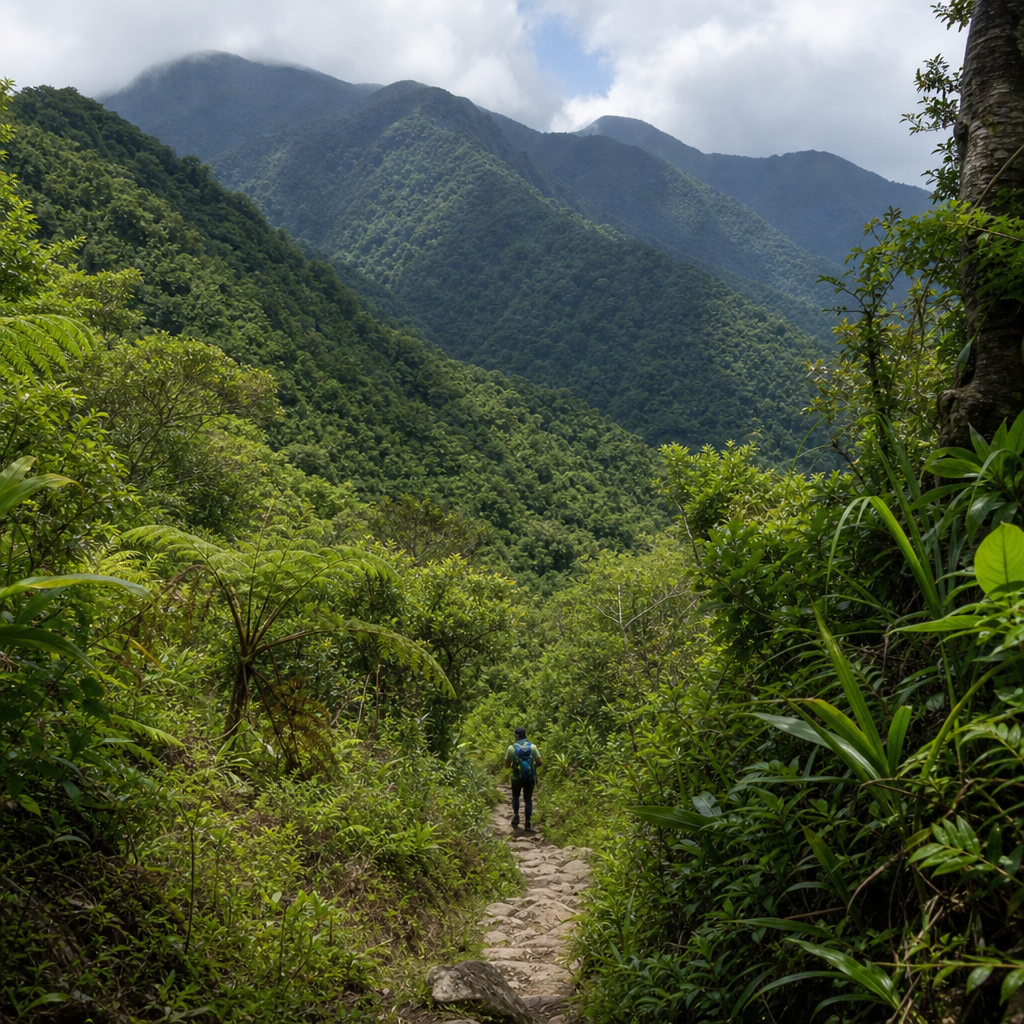
Nevis’ lush green rainforests give the island its most unforgettable character, combining steep volcanic slopes, dense tropical canopies, and trails that lead hikers from coastal villages into cool, cloud-wrapped highlands within a few hours. For travelers exploring Caribbean nature beyond beaches and resorts, these forests are the main reason to lace up hiking boots on Nevis. A rainforest on Nevis is not simply a patch of trees. It is an interconnected ecosystem shaped by trade winds, volcanic soils, high annual rainfall, and a long agricultural history that left some areas cultivated, others regenerated, and many now protected through local stewardship. A hiker’s guide to Nevis therefore needs to explain more than where to walk. It should clarify what makes the island’s interior unique, when conditions are safest, what wildlife and plants you are likely to encounter, and how to prepare for steep, muddy terrain that can challenge even fit walkers.
I have found that many visitors underestimate Nevis because of its compact size. The island covers roughly thirty-six square miles, yet its topography changes quickly. Nevis Peak rises to about 3,232 feet, and that elevation creates multiple habitat zones, from dry coastal vegetation to moist montane forest. For hikers, that means short driving distances but serious trail gradients. It also means exceptional biodiversity packed into a small area. Birdsong intensifies at dawn, tree ferns appear as you gain altitude, and cloud forest conditions can arrive suddenly. Understanding these patterns matters because the rainforest experience on Nevis is rewarding only when approached with realistic expectations, proper gear, and respect for weather, terrain, and local guidance.
This article serves as a hub for the miscellaneous side of Nevis rainforest hiking: the practical details, seasonal considerations, route types, wildlife highlights, safety standards, and planning advice that support every more specialized nature and wildlife guide. If you want a direct answer, here it is: the best way to experience Nevis’ rainforest is through guided hiking on established mountain trails, especially routes toward Nevis Peak and the island’s upper slopes, during the drier months from roughly January to April, with sturdy footwear, water, and time to move slowly. Everything else builds on that foundation. The sections below explain how the rainforest works, which hikes suit different ability levels, what to watch for, and how to make your visit both memorable and responsible.
What Makes Nevis’ Rainforests Distinctive
Nevis is a volcanic island, and that geology drives the rainforest experience. Deep, fertile soils support thick vegetation, while the island’s central mountain captures moisture from the northeast trade winds. As warm air rises along the slopes of Nevis Peak, it cools and condenses, feeding persistent humidity, mist, and regular rainfall in the interior. The result is a landscape where broadleaf trees, climbing vines, mosses, and epiphytes form layered habitats. Hikers notice this first as a change in temperature and sound. Near the coast, the air can feel hot and open. Higher up, the forest closes in, the ground softens, and every surface seems alive.
Another distinctive feature is scale. On larger islands, rainforest excursions may require full-day transfers. On Nevis, you can eat breakfast in Charlestown and reach a trailhead quickly, making rainforest hiking accessible even to visitors staying for only a few days. That convenience should not be confused with ease. Trails can be muddy year-round, roots become natural ladders, and upper sections often require hand-over-hand scrambling. In practical terms, Nevis offers concentrated adventure: less transit, more vertical effort, and a stronger sense of immersion than many first-time visitors expect.
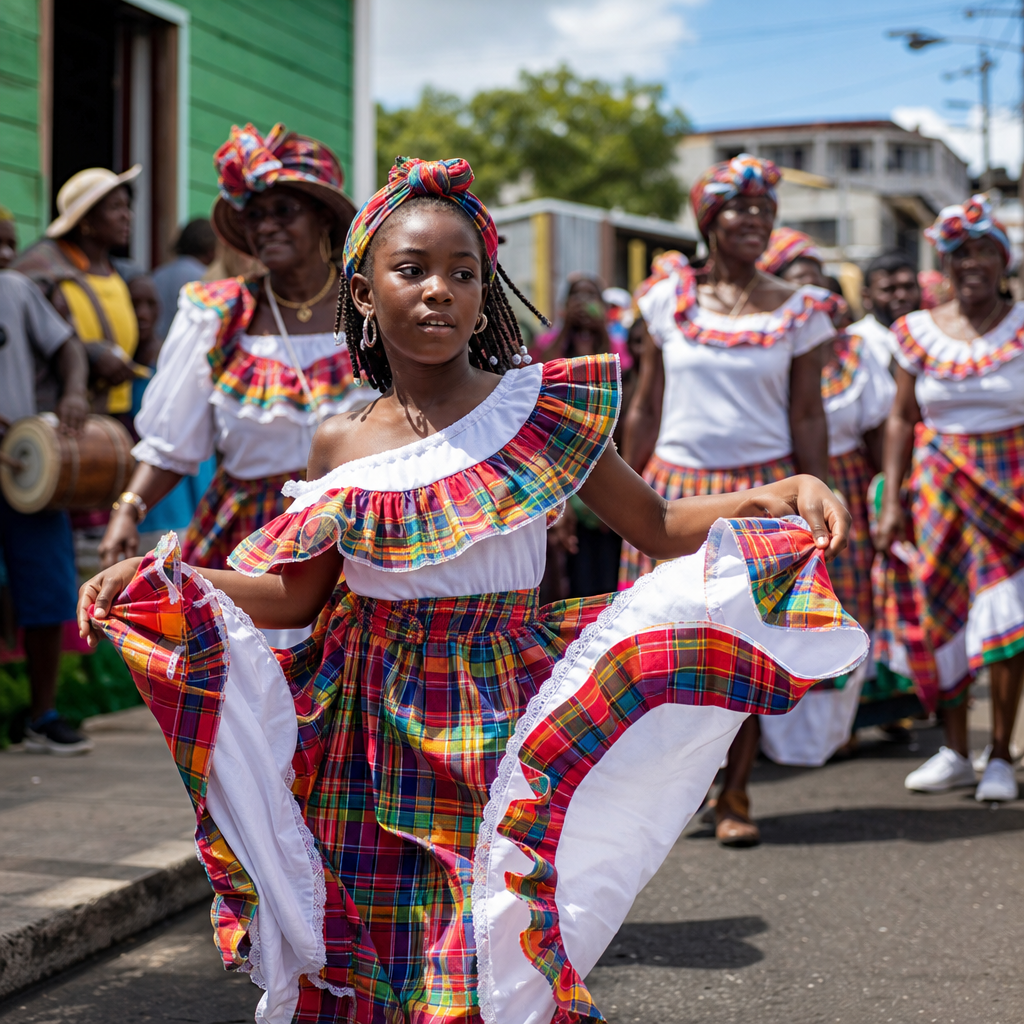
The rainforest also reflects Nevis’ cultural landscape. Former estates, old footpaths, and village access routes connect human history with natural recovery. In some sections, secondary growth has reclaimed areas once altered by agriculture. In others, fruit trees and introduced species remind hikers that Caribbean forests are rarely untouched wilderness. This blend is important because it shapes what you will see on the trail. You may pass mango, breadfruit, bamboo, or old stone features before entering denser native vegetation. The experience feels layered rather than pristine in the abstract, and that mix is part of Nevis’ appeal.
Best Hiking Areas and Trail Experiences
The signature trek is the Nevis Peak hike, the island’s best-known rainforest adventure and the benchmark against which other routes are judged. Most guided ascents begin in the interior, often from areas accessed through Gingerland, and climb steadily through wet forest before reaching steeper upper sections. On clear days, views can extend toward St. Kitts, the Caribbean Sea, and neighboring islands, though cloud cover frequently limits the summit panorama. The route is physically demanding because of mud, ropes on steep segments, and the need for balance over roots and rocks. For strong hikers, it is the definitive Nevis rainforest experience.
Not every visitor needs to summit the peak to appreciate the forest. Lower and mid-elevation walks can still deliver giant trees, bird activity, and dramatic vegetation without the same technical difficulty. Trails and estate roads near the foothills, especially around historic plantation zones and interior villages, provide gentler introductions. These are useful for families, older travelers, or anyone testing conditions before attempting something longer. A local guide can adapt a route according to rainfall, fitness, and time available, which is one reason guided hiking is the standard recommendation on Nevis rather than an optional add-on.
Another worthwhile experience is pairing a rainforest walk with nearby natural or heritage features. Some itineraries combine interior hiking with visits to historic estates, hot springs, or botanical areas, creating a fuller picture of Nevis beyond a single summit objective. This matters because the island’s nature and wildlife appeal is cumulative. A birder may care most about canopy species at dawn, while another traveler values giant tree ferns and landscape photography after rain. A flexible approach often produces the most satisfying day outdoors.
| Trail Type | Typical Experience | Difficulty | Best For |
|---|---|---|---|
| Nevis Peak ascent | Steep rainforest climb, ropes, mud, summit push | High | Experienced hikers seeking the classic challenge |
| Foothill rainforest walk | Dense vegetation, easier gradients, wildlife spotting | Moderate | Casual hikers and families with guides |
| Estate-to-forest route | Historic ruins, secondary forest, scenic interior paths | Low to moderate | Visitors wanting nature plus culture |
| Custom birding hike | Early start, quiet pacing, habitat-focused stops | Moderate | Birders and photographers |
Wildlife, Plants, and What You May See
Nevis’ rainforest is less about large mammals and more about birds, reptiles, insects, and plant diversity. Expect to notice species richness in layers. In the canopy and mid-story, birds are the main attraction. Depending on season and location, hikers may encounter bananaquits, Lesser Antillean bullfinches, hummingbirds, doves, and migratory warblers. Bird activity is strongest early in the morning, especially after first light and before the day heats up. If your goal is wildlife observation rather than simply reaching a summit, start early and keep your pace slow.
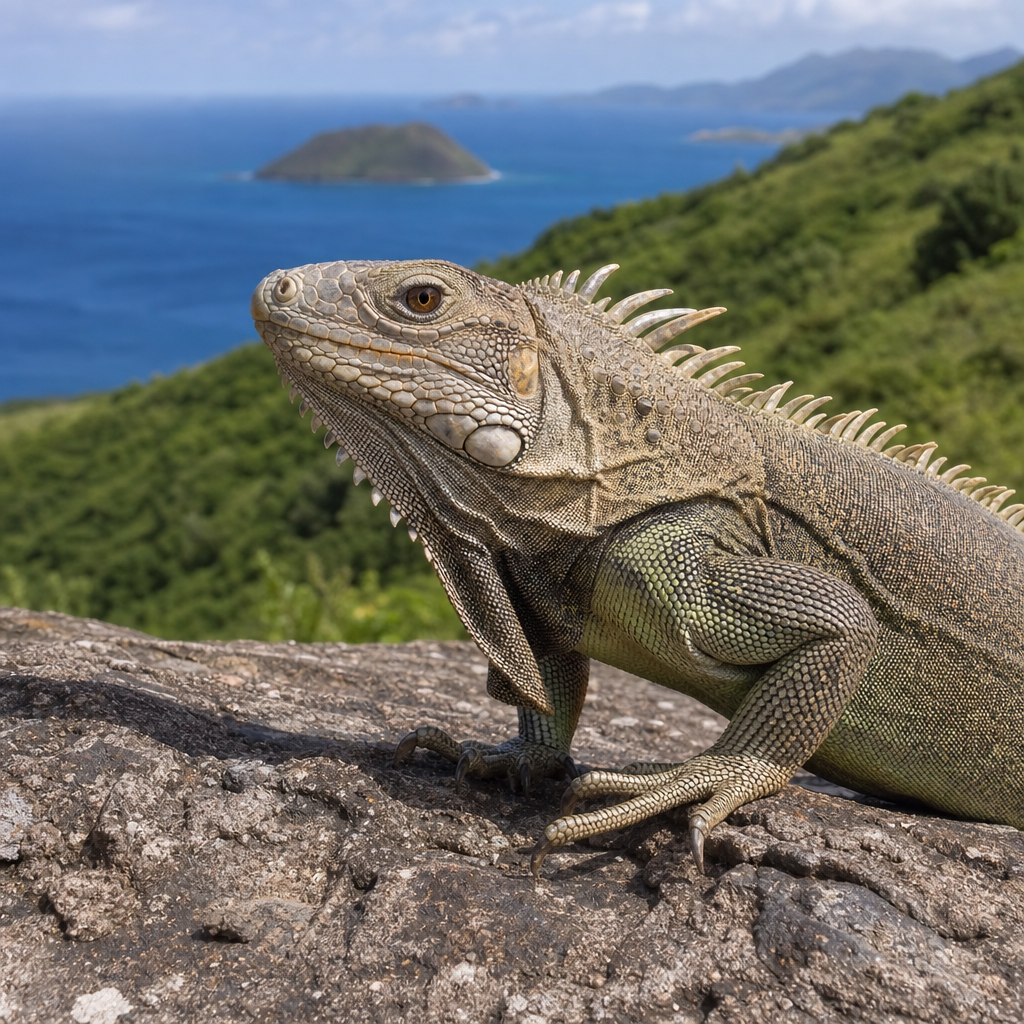
Reptiles are common but generally unobtrusive. Small lizards dart across rocks and tree trunks, and insects become more noticeable as humidity rises. After rain, invertebrate life increases, which also boosts bird feeding activity. The rainforest rewards attention to detail. On many hikes I have seen travelers focus only on the next climb, missing orchids clinging to branches, ferns unfurling near drainage channels, or moss-coated trunks that reveal just how saturated the upper forest can be. Nevis does not overwhelm with dramatic megafauna. It excels in texture, sound, and ecological density.
Flora is one of the island’s strongest draws. Tree ferns, broadleaf species, vines, and epiphytes create a layered visual effect that many hikers associate with textbook tropical rainforest. Higher elevations can feel almost primeval when fog moves through. At the same time, hikers should understand that not every species encountered is strictly native. Caribbean island ecosystems often include naturalized plants introduced during centuries of trade and plantation agriculture. A knowledgeable guide can point out the difference between native vegetation, useful cultivated species, and invasive plants that complicate forest management.
When to Go and How Weather Shapes the Hike
The best time to hike Nevis’ rainforests is generally the drier season, often from January through April, when trails are still muddy but usually more manageable and heavy downpours are less frequent. That said, rainforest conditions are never truly dry. Even in favorable months, shaded sections remain slick, and cloud cover can roll in quickly on upper slopes. If you are planning a peak ascent, the practical rule is simple: choose the most stable weather window available, start early, and stay flexible if guides recommend changing plans.
The wetter part of the year, especially from late summer into autumn, can bring heavier rains, tropical disturbances, and storm-related trail damage. During these periods, vegetation becomes especially vibrant, but footing worsens and visibility can drop. Hikes may still operate safely on lower routes, yet summit attempts can become less predictable. This is where local judgment matters more than online itineraries. Trail conditions on Nevis can change from one week to the next because rain affects mud depth, fallen branches, and rope reliability on steep segments.
Heat is another planning factor. Coastal temperatures can feel intense before and after a hike, while interior humidity increases fluid loss even when the forest itself feels cooler. Many visitors think cloud cover reduces dehydration risk. In practice, humid mountain hikes can be deceptively draining. Carrying sufficient water and electrolytes is not optional, especially for anyone attempting Nevis Peak.
Safety, Gear, and Hiring a Guide
The most important safety recommendation for hiking Nevis’ rainforest is to go with an experienced local guide. This is not a generic tourism suggestion. It is the standard best practice because trails can be poorly marked, weather shifts fast, and steep sections require route familiarity. Guides also know when to turn back, which matters more than summit success. On a mountain like Nevis Peak, judgment prevents accidents.
Footwear should be trail shoes or hiking boots with aggressive grip. Smooth-soled sneakers are a mistake on wet roots and mud. Wear lightweight clothing that can handle moisture, and expect to get dirty. A small pack should include water, snacks, a rain layer, insect repellent, sun protection for exposed lower areas, and a phone sealed in a waterproof pouch. Trekking gloves can help on rope-assisted sections. I also recommend carrying a dry bag for valuables because sudden rain showers are common.
Fitness preparation should match the route. A lower rainforest walk may suit most active travelers, but a peak hike demands stamina, leg strength, and comfort with uneven terrain. If you rarely hike steep trails, choose a shorter guided route first. The goal on Nevis is not to prove toughness. It is to experience the rainforest safely enough to appreciate it.
Responsible Hiking and Building Your Nature Itinerary
Responsible hiking on Nevis starts with staying on established routes, following guide instructions, and leaving natural features undisturbed. Tropical soils erode quickly when hikers cut switchbacks or widen muddy sections. Picking plants, feeding wildlife, or leaving litter damages a compact island ecosystem that depends on careful use. Even biodegradable waste, such as fruit peels, does not belong on the trail. Good rainforest etiquette is simple: pack out everything, keep noise low, and let wildlife behavior remain natural.
Because this article is a hub within a broader nature and wildlife topic, it helps to see rainforest hiking as the anchor activity around which other outdoor experiences can be planned. Pair a forest trek with birdwatching at dawn, coastal wildlife observation, historical estate visits, or a recovery afternoon at a beach. Nevis works well for this style of itinerary because distances are short. You can build a nature-focused trip without spending hours in transit.
The key takeaway is clear. Nevis’ lush green rainforests offer one of the Caribbean’s most concentrated hiking experiences, combining volcanic scenery, dense biodiversity, and accessible adventure on a small island. The best results come from choosing the right season, matching the route to your fitness, and relying on local guides who understand changing conditions. If you are planning a nature-centered trip to Nevis, make the rainforest your priority, then use it as the starting point for the rest of your wildlife and outdoor exploration.
Frequently Asked Questions
What makes Nevis’ rainforests different from other Caribbean hiking destinations?
Nevis stands out because its rainforest experience is shaped by the island’s volcanic topography, steady trade winds, and rapid elevation changes. In a relatively short hike, you can move from sunny coastal areas into shaded, moisture-rich forest where the air cools noticeably and the landscape becomes denser, greener, and more dramatic. That transition is one of the island’s defining features. Rather than offering a flat tropical walk, Nevis delivers a layered hiking environment with steep slopes, giant tree ferns, vines, mossy trunks, and cloud-wrapped highlands that feel far removed from the shoreline below.
Another major difference is the sense of intimacy. Nevis is smaller and quieter than many better-known Caribbean islands, so hikes often feel more personal and immersive. The rainforest is not just scenery around a resort corridor; it is a living part of the island’s identity and one of the clearest ways to understand its natural character. Trails frequently pass through old estates, villages, and foothill zones before entering deep vegetation, giving hikers a richer connection between landscape, ecology, and local history. For travelers looking for a Caribbean nature experience that goes well beyond beaches, Nevis offers a rare combination of accessibility, biodiversity, and authentic mountain rainforest atmosphere.
What should hikers expect on rainforest trails in Nevis?
Hikers should expect trails that can be beautiful, demanding, and changeable all at once. Nevis’ rainforest paths often include steep inclines, exposed roots, volcanic rock, muddy sections, and narrow passages under thick canopy. Even on shorter routes, the terrain can become slippery quickly after rain, which is common in upland forest zones. Conditions may shift within minutes as you gain elevation: bright coastal weather can give way to mist, cooler temperatures, and lower visibility in the cloud forest environment higher up the slopes.
You should also expect a highly sensory experience. The rainforest is full of birdsong, rustling leaves, insect activity, and the constant presence of moisture. Streams, small cascades, and dripping foliage are common depending on the route and season. Because the island’s forest is an interconnected ecosystem, hikers may notice a range of plant communities as they climb, from lower tropical growth to denser, wetter upland vegetation. This variety is part of what makes hiking on Nevis so memorable, but it also means preparation matters. Trails are not always heavily developed or extensively marked, and some routes are best tackled with a knowledgeable local guide who understands weather patterns, footing hazards, and trail access points.
Do you need a guide to hike in Nevis’ rainforest?
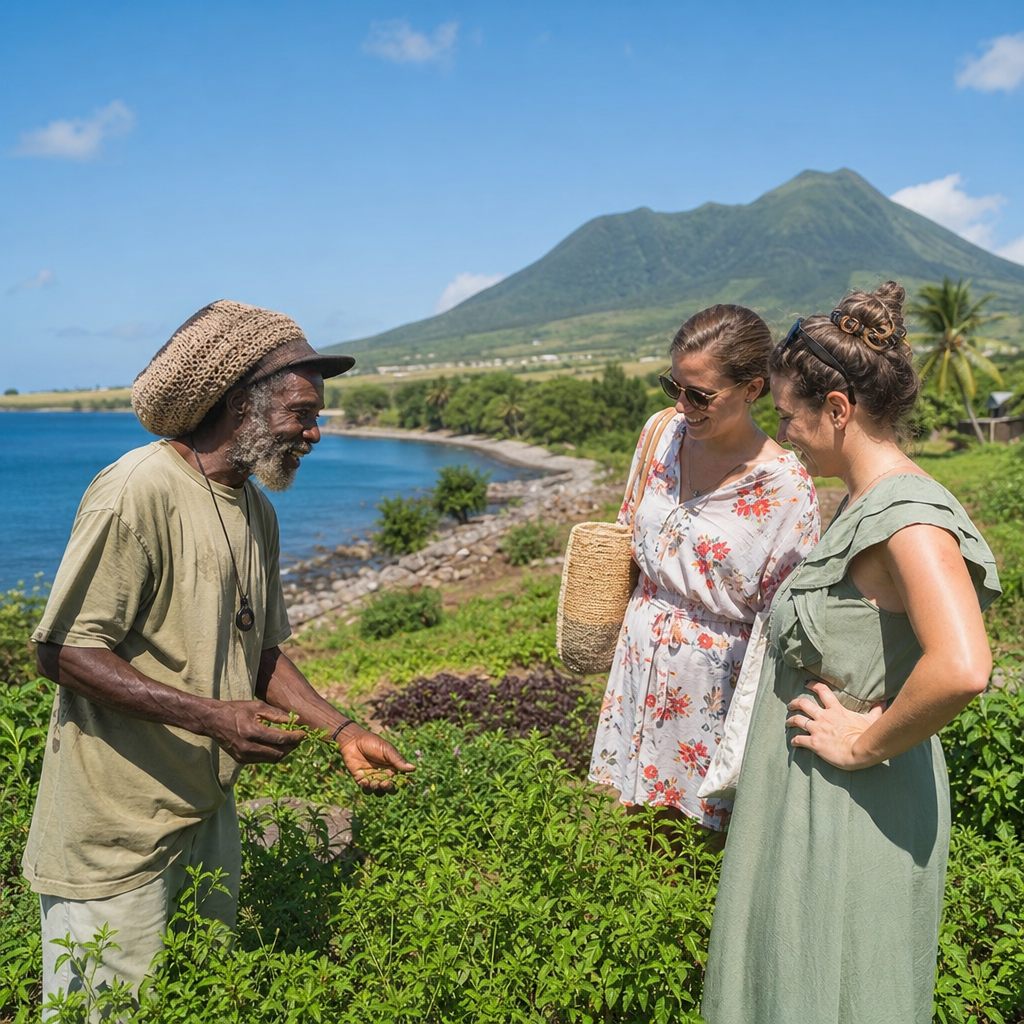
For many visitors, hiring a guide is the smartest and safest choice, especially if it is your first time hiking on Nevis or if you plan to tackle more challenging mountain routes. A guide can help with navigation, pacing, and safety on muddy or steep terrain, and they can also provide context that transforms the hike from a simple walk into a much deeper experience. Local guides often point out medicinal plants, endemic or notable birdlife, historical landmarks, old estate remnants, and subtle shifts in the forest that independent hikers might miss entirely.
Guides are particularly valuable because rainforest conditions can be deceptive. A trail that seems straightforward at the start may become slick, overgrown, or foggy as elevation increases. In some areas, paths can branch, fade, or become difficult to follow after rainfall. A guide reduces the risk of wrong turns and helps hikers make informed decisions if weather conditions deteriorate. While experienced and well-prepared travelers may choose easier routes independently, anyone seeking the best overall rainforest experience on Nevis will usually benefit from local expertise, both for safety and for a richer understanding of the island’s volcanic landscape and tropical ecology.
What gear should you bring for a hike in Nevis’ lush green rainforests?
The most important items are sturdy hiking shoes or trail boots with reliable grip, because Nevis’ rainforest trails are often wet, uneven, and root-covered. Footwear matters more here than many travelers expect. Lightweight athletic shoes may be fine for a casual village stroll, but on forested slopes they can struggle on mud and slick rock. Breathable, moisture-wicking clothing is also a good choice, along with a light rain jacket or poncho since showers can develop quickly in the highlands. Even when the coast feels warm and dry, the upper forest can be cool, damp, and misty.
You should also carry water, snacks, insect repellent, sunscreen for exposed sections, and a small first-aid kit. A hat can help in lower sunny areas, while a small backpack is useful for keeping essentials dry and secure. Many hikers also appreciate trekking poles for steeper ascents and descents, especially after rain. If you plan to spend several hours on the trail, bring a phone in a waterproof pouch and consider an extra layer for comfort at higher elevations. The goal is to prepare for a hike that can move through multiple microclimates in a short time. On Nevis, good gear is not about overpacking; it is about being ready for moisture, elevation, and variable terrain.
When is the best time to hike in Nevis’ rainforest, and how can you do so responsibly?
The best time to hike is usually in the morning, when temperatures are more comfortable and weather conditions tend to be more stable. Early starts also give you a better chance of clearer views before clouds gather around the higher slopes. In terms of season, hiking is possible through much of the year, but conditions vary depending on rainfall. Wetter periods can make trails muddier and more slippery, while drier stretches may offer easier footing. Even so, the rainforest remains a moist environment by nature, so hikers should always be prepared for damp ground and sudden showers regardless of the forecast.
Responsible hiking on Nevis means treating the rainforest as a fragile, living system rather than just an adventure backdrop. Stay on established trails where possible to reduce erosion and avoid damaging plant life. Do not leave litter, remove plants, or disturb wildlife. Keep noise to a minimum so you can experience the forest naturally and avoid disrupting animals. If you are hiking with a guide, follow local advice on trail etiquette and safety. Supporting reputable local guides and eco-conscious tour operators is also a responsible choice, because it helps sustain community knowledge and encourages tourism that values conservation. Nevis’ rainforests are one of the island’s greatest treasures, and careful hiking helps preserve their beauty, biodiversity, and cultural importance for future visitors and residents alike.