Saint Kitts’ outdoor adventures offer more than scenic escape; they create practical, measurable benefits for physical health, mental clarity, and emotional resilience. On this Caribbean island, wellness is not confined to a spa menu or hotel gym. It is built into rainforest trails, volcanic ridgelines, warm coastal water, and community spaces where movement feels natural instead of forced. When travelers search for active wellness in Saint Kitts, they are usually asking a straightforward question: what can I do outdoors that helps my body and mind at the same time? The answer includes hiking, swimming, snorkeling, paddle sports, beach walking, restorative nature experiences, and low-pressure cultural activities that encourage connection. In my experience planning wellness-focused Caribbean itineraries, Saint Kitts stands out because its scale is manageable, its terrain is varied, and its adventures can be adjusted for beginners, families, older adults, and highly active travelers. That makes it ideal as a hub for miscellaneous health and wellness experiences. Understanding this hub matters because visitors often need one reliable overview before choosing detailed guides on trails, beaches, marine excursions, or recovery practices. A strong Saint Kitts wellness plan starts with the right mix of exertion, safety, hydration, and downtime, all shaped by climate, fitness level, and access.
Why Saint Kitts Works So Well for Active Wellness Travel
Saint Kitts supports outdoor wellness because the island combines compact geography with unusual diversity. Within a short drive, a visitor can move from coastal promenade to shaded rainforest, then on to elevated viewpoints with steady cardiovascular demand. That variety matters for adherence. Exercise science consistently shows people stay active longer when movement is enjoyable and environment changes reduce boredom. On Saint Kitts, a beach walk at South Friars Bay, a moderate rainforest hike near the central mountain range, and a snorkeling session in clear Caribbean water all stress the body differently while still feeling recreational.
The climate also influences the wellness equation. Warm weather encourages year-round outdoor activity, but it requires practical adjustments. I recommend early starts for hikes, especially from late morning onward when heat index and sun exposure rise quickly. The Centers for Disease Control and Prevention advises hydration before, during, and after exertion in hot conditions, and that is especially relevant here. A reusable bottle, electrolytes for longer sessions, reef-safe sun protection, and breathable clothing are not optional extras; they are basic performance tools. Visitors who pace themselves usually report more energy, less irritability, and better sleep than those who try to pack every excursion into midday hours.
Another advantage is the island’s psychological effect. Blue space and green space exposure are both associated with reduced stress and improved mood. Saint Kitts gives travelers both in one destination. Looking over the Caribbean Sea from Timothy Hill or listening to tree frogs after a walk through tropical vegetation produces a kind of sensory reset that many travelers do not realize they need until they feel it. For people managing burnout, decision fatigue, or sedentary work stress, that reset can be as valuable as the calorie burn.
Hiking, Trail Running, and the Fitness Gains of Volcanic Terrain
Hiking is the most obvious starting point for outdoor wellness in Saint Kitts because it delivers cardiovascular training, lower-body strength work, balance practice, and mental restoration at once. The island’s interior is dominated by steep volcanic topography, and that means even moderate hikes can become solid workouts. Mount Liamuiga, the dormant volcano and highest peak on the island, is the signature challenge. The climb is demanding, often muddy, and best completed with an experienced local guide. For fit travelers, it can function like interval training in natural form: steep ascents elevate heart rate, uneven ground recruits stabilizer muscles, and cooler upper elevations create a rewarding contrast after the lower trail’s humidity.
Not everyone needs a summit day to benefit. Shorter rainforest hikes provide many of the same mental and metabolic advantages with lower strain. Guided walks often include medicinal plant knowledge, birdlife, and local history, which adds cognitive engagement. That matters because novel learning during physical activity can improve the overall sense of restoration. I have seen travelers who normally dislike exercise enjoy a two-hour interpretive walk because the focus shifts from performance to curiosity.
Trail running is possible for experienced runners, but it requires caution. Surfaces can be slick, roots can be exposed, and heat management becomes more important than pace. A safer option for many visitors is run-walking on coastal roads early in the day, then using inland trails for hiking only. Proper footwear with traction is essential. So is realistic self-assessment. If someone is unaccustomed to climbing, Saint Kitts will expose that quickly, and overreaching on day one can compromise the rest of a trip.
Water-Based Activities That Build Endurance While Lowering Stress
Saint Kitts is exceptionally strong for water-based wellness because the sea creates resistance without the joint impact of land exercise. Swimming in calm conditions supports cardiovascular health, shoulder mobility, and breath regulation. Snorkeling adds gentle fin propulsion and sustained attention, often creating a meditative rhythm that travelers describe as mentally quieting. In protected areas and on calm mornings, beginners can spend thirty to forty-five minutes in the water with moderate effort and low perceived strain, which is ideal for people returning to exercise.
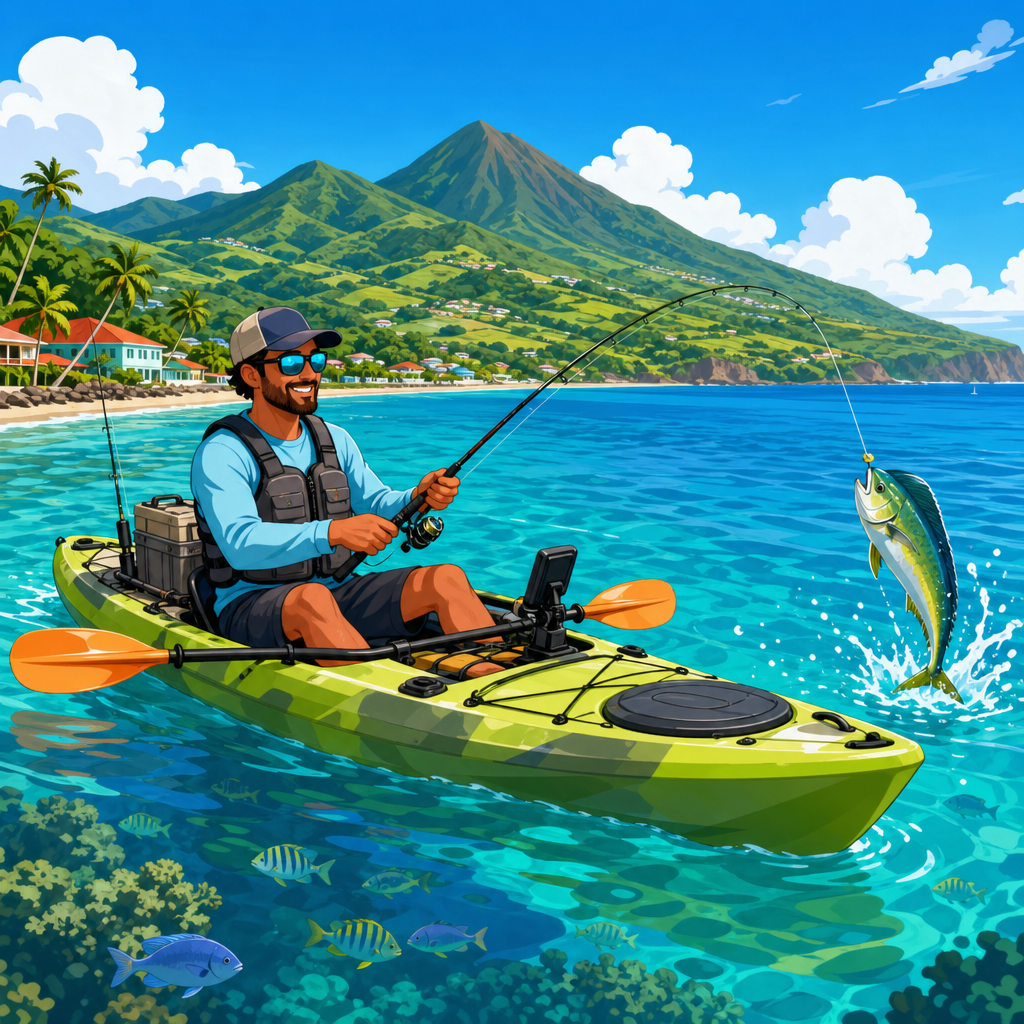
Stand-up paddleboarding and kayaking bring a different set of benefits. They train trunk stability, posture, and upper-body endurance while keeping movement relatively accessible. On Saint Kitts, sheltered bays are better for beginners than open wind-exposed sections of coast. I usually advise first-timers to book a guided session rather than rent independently, because instructors can match conditions to ability and reduce the chance of fatigue or sun overexposure. The result is not just a workout but an experience of controlled focus. Balance-based activities pull attention into the present moment, which is one reason they are so useful for stress reduction.
Catamaran excursions can also fit a wellness itinerary if chosen carefully. They are not all passive leisure trips. Many include swim stops, snorkeling, and time in direct sunlight and sea air, which may improve mood and encourage social connection. The key is intentionality: choose tours that emphasize time in the water and manageable active participation rather than alcohol-heavy party formats if wellness is the objective.
| Activity | Primary Physical Benefit | Mental Wellness Benefit | Best For |
|---|---|---|---|
| Rainforest hiking | Cardiovascular fitness, leg strength, balance | Stress reduction, attention restoration | Travelers wanting moderate to vigorous activity |
| Snorkeling | Low-impact endurance, breath control | Calm focus, sensory immersion | Beginners to intermediate swimmers |
| Paddleboarding | Core stability, posture, shoulder endurance | Mindfulness through balance and rhythm | Travelers seeking gentle challenge |
| Beach walking | Low-intensity movement, circulation | Mood support, decompression | All ages and recovery days |
Beach Walks, Scenic Cycling, and Low-Pressure Movement for Recovery Days
Not every wellness activity should be intense. One of the most common mistakes I see is treating an island trip like a fitness boot camp. Recovery is where many benefits consolidate, especially for sleep quality, muscle repair, and emotional regulation. Saint Kitts is well suited to low-pressure movement that still keeps the body active. Beach walking is the simplest example. Soft sand increases demand on the calves and stabilizing muscles, while firmer shoreline sections allow easier pacing for longer distances. Morning walks near Cockleshell Bay or South Peninsula viewpoints can become a dependable ritual that anchors the day without draining energy reserves.
Scenic cycling offers another middle-ground option, though route choice matters. Rolling terrain and traffic patterns mean casual cyclists should prioritize guided rides or quieter roads rather than assuming every stretch is beginner friendly. E-bikes can make cycling more inclusive for mixed-ability groups, letting one person with higher fitness ride alongside someone focused on gentle movement. That inclusion is important for wellness travel because social cohesion often determines whether people actually follow through on active plans.
Outdoor yoga, mobility work, and breath-focused stretching sessions also fit naturally into Saint Kitts’ environment. While these may happen on a resort deck or beach, their value is amplified by the open-air setting. Simple mobility sessions after hiking or paddling can reduce stiffness and improve readiness for the next day’s activity. For travelers with chronic stress, pairing ten minutes of diaphragmatic breathing with sunrise or sunset ocean views is not trivial; it is an effective way to shift from sympathetic overdrive toward a calmer state.
Nature, Community, and the Mental Health Value of Outdoor Variety
Mental wellness in Saint Kitts comes not only from exercise but from the island’s ability to combine nature contact with cultural grounding. Outdoor experiences feel more restorative when they are not isolated from local context. A guided hike that includes discussion of former sugar estates, local agriculture, or native ecology gives the mind narrative structure, and that can deepen memory and satisfaction. People tend to remember meaningful outings more vividly than generic workouts, which increases the likelihood they continue healthy habits after returning home.
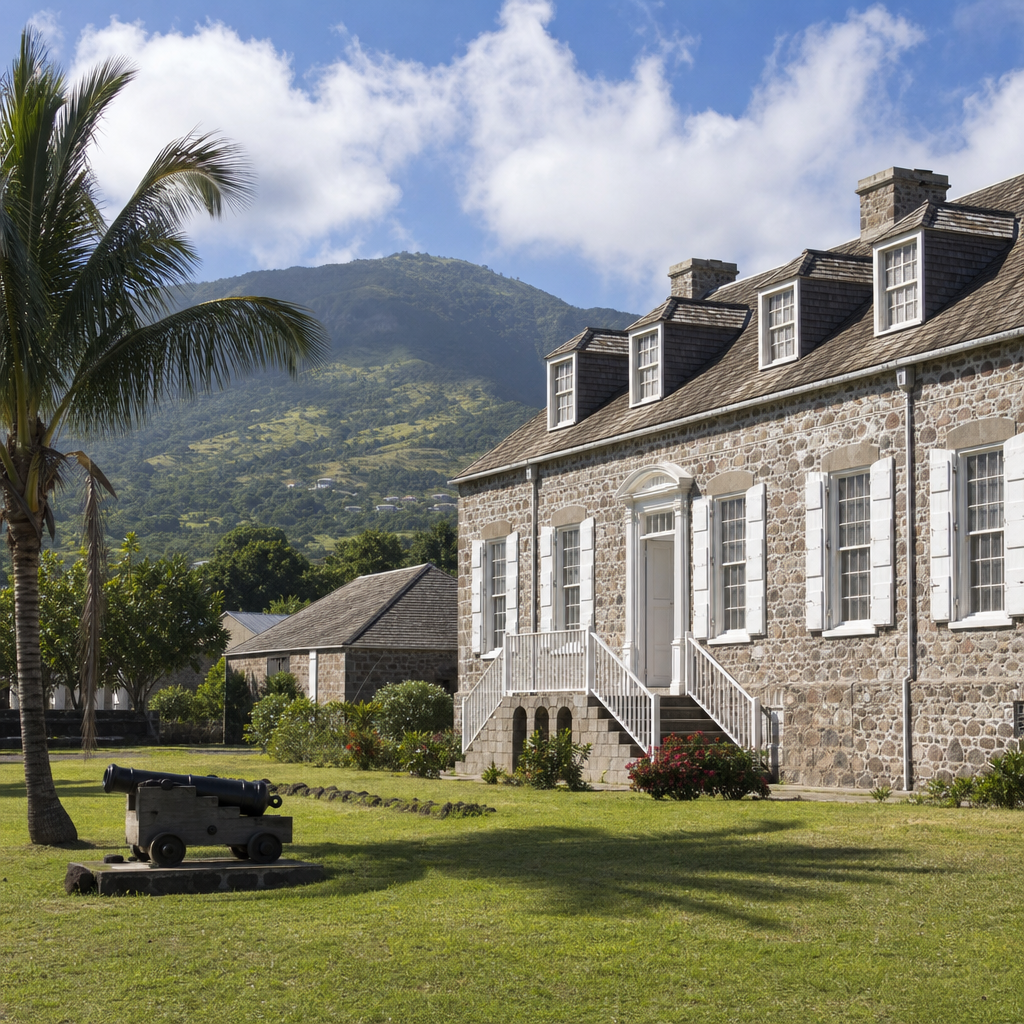
Brimstone Hill Fortress National Park is a good example of an outdoor site with layered wellness value. Physically, walking the grounds involves light to moderate effort with stairs, inclines, and heat exposure. Mentally, the elevation and panoramic views can create perspective and quiet concentration. Culturally, the UNESCO-listed site connects visitors to the island’s colonial history and resilience. That combination of movement, reflection, and learning often produces the kind of balanced travel day people describe as both energizing and centering.
Community-facing experiences matter too. Local markets, outdoor dining in walkable areas, and small-group excursions can reduce the isolation some travelers feel, especially solo visitors. Social connection is a recognized health factor, and active settings make conversation easier because there is a shared task and visible environment. Even a simple harbor walk in Basseterre or an informal beach meetup can contribute to mood stability. Wellness is broader than workouts; it includes belonging, novelty, confidence, and a sense of ease in one’s surroundings.
How to Plan a Safe, Sustainable Wellness Itinerary on Saint Kitts
The best Saint Kitts wellness itinerary balances ambition with recovery. A practical pattern is one strenuous activity, one moderate water or walking activity, and one lighter restoration day repeated across a week. For example, schedule Mount Liamuiga or a challenging rainforest trek on one day, snorkeling or paddleboarding on the next, then follow with beach walking, stretching, and a scenic cultural outing. That sequence lowers injury risk and helps maintain enthusiasm.
Safety planning should be specific. Use licensed guides for difficult hikes and marine excursions. Check weather, sea conditions, and cruise-ship traffic patterns if you want quieter beaches. Wear shoes with grip for trails and water shoes where entry is rocky. Build meals around hydration and steady energy, not just convenience. Fruit, lean protein, and adequate sodium matter more in tropical exertion than many travelers expect. If you take medication affected by heat or sun, discuss travel adjustments with a clinician before arrival.
This hub page works best when used as the starting point for deeper exploration of Saint Kitts health and wellness content. From here, travelers can branch into detailed guides on hiking routes, beaches, snorkeling spots, recovery practices, and practical packing advice. The central lesson is simple: Saint Kitts makes it easier to feel better because movement, scenery, and restoration are naturally linked. Choose activities that fit your actual fitness level, respect the climate, and leave room for recovery. If you are planning a wellness-focused Caribbean trip, use Saint Kitts as your base and build an outdoor schedule that strengthens your body, clears your mind, and gives you habits worth bringing home.
Frequently Asked Questions
What kinds of outdoor activities in Saint Kitts support both physical and mental wellness?
Saint Kitts offers a strong mix of outdoor activities that improve cardiovascular fitness, mobility, strength, and recovery while also helping reduce stress and mental fatigue. Hiking is one of the most effective examples. Trails through the rainforest and up the island’s volcanic terrain challenge the heart and lungs, engage the lower body, and improve endurance, but they also create the kind of focused attention that helps quiet mental noise. When travelers spend several hours walking beneath canopy cover, navigating uneven ground, and taking in ocean and mountain views, they are combining physical exertion with a form of immersive mental reset.
Water-based activities provide similar dual benefits. Swimming, snorkeling, paddleboarding, and kayaking use the body in low-impact ways that support joint health, coordination, and muscular endurance. At the same time, warm coastal water, steady breathing, and the calming rhythm of waves can help regulate the nervous system and improve mood. Even beach walks have measurable value. Walking on sand recruits stabilizing muscles, raises energy expenditure, and encourages slower, more mindful movement. In Saint Kitts, these activities are easy to integrate into a trip, which is one reason they feel sustainable rather than performative. Wellness here is not built around a rigid routine. It comes from moving through landscapes that naturally encourage consistency, presence, and balance.
Is hiking in Saint Kitts a good choice for travelers looking to improve fitness without a formal workout plan?
Yes, hiking in Saint Kitts is an excellent option for travelers who want meaningful physical activity without spending time in a gym or following a structured training schedule. The island’s terrain does much of the work for you. Moderate and more demanding trails can elevate heart rate, strengthen the legs and core, improve balance, and increase stamina simply through steady forward movement. Because hikes often include inclines, roots, rocks, and changing elevations, the body is constantly making small adjustments, which helps build functional fitness that carries over into daily life.
What makes hiking especially valuable is that it feels purposeful rather than repetitive. Travelers are not exercising just to complete a session; they are moving toward lookout points, crater rims, rainforest clearings, and panoramic coastal views. That sense of destination increases motivation and often makes people more willing to stay active for longer periods. Hiking also allows for flexibility. Beginners can choose shorter, guided walks with a manageable pace, while more active visitors can take on longer, steeper routes for a more demanding challenge. The result is a practical wellness activity with clear physical benefits and a strong mental payoff. Many people return from a hike feeling not only physically accomplished but mentally clearer and emotionally lighter.
How do Saint Kitts’ natural settings help reduce stress and improve mental clarity?
Saint Kitts supports mental wellness in a direct, practical way because its natural environments reduce the constant overstimulation that many travelers carry with them. Rainforest trails, open beaches, volcanic viewpoints, and quiet coastal waters create space for attention to settle. Instead of reacting to screens, schedules, traffic, and noise, people shift into a slower sensory experience built around movement, fresh air, natural sound, and changing light. That change in environment matters. It helps lower mental clutter and makes it easier to focus on the present moment.
Outdoor activity also reinforces that effect. When a traveler hikes a trail, follows a shoreline, or swims in calm water, the brain has a simple task to organize around. Breathing becomes steadier, the body falls into rhythm, and the mind often becomes less fragmented. This is one reason nature-based activity is so effective for mental clarity. It is not only relaxing; it restores attention. In Saint Kitts, these benefits are amplified by the island’s variety. A morning rainforest walk can feel grounding and shaded, while an afternoon by the sea can feel expansive and restorative. Together, these environments support emotional resilience by helping travelers disconnect from chronic stress patterns and reconnect with a calmer, more stable internal pace.
Are Saint Kitts’ outdoor adventures suitable for different ages and fitness levels?
In many cases, yes. One of the strengths of Saint Kitts as an active wellness destination is that outdoor movement does not have to look extreme to be effective. Travelers do not need to be experienced hikers, athletes, or adventure seekers to benefit. The island offers a range of options, from gentle beach walks and casual swims to guided hikes and more strenuous climbs. That flexibility makes it easier for couples, families, solo travelers, and older visitors to choose activities that match their comfort level while still gaining meaningful physical and mental benefits.
Guided experiences are especially useful because local operators can recommend routes, durations, and activity levels based on ability, weather, and goals. Someone looking for a light wellness-focused outing may choose a scenic nature walk with frequent stops, while a more active traveler may opt for a longer trail or a combination of hiking and water sports. The key is that wellness in Saint Kitts is scalable. Small amounts of intentional outdoor movement still count. A beginner does not need to summit the steepest route to improve circulation, mood, and energy. Likewise, a fit traveler can still find challenge and variety. With appropriate pacing, hydration, footwear, and guidance, the island’s outdoor experiences can be both accessible and rewarding across a wide range of ages and fitness levels.
How can travelers build a realistic wellness-focused itinerary around outdoor adventures in Saint Kitts?
The best approach is to think in terms of rhythm rather than intensity. A realistic wellness itinerary in Saint Kitts does not need to be packed from sunrise to sunset. In fact, it works better when active periods are balanced with recovery, hydration, nutritious meals, and unstructured time outdoors. For example, a traveler might begin the day with a moderate hike or a brisk walk along the coast when temperatures are cooler, follow it with a relaxed breakfast, then spend part of the afternoon swimming, snorkeling, or resting by the water. This creates a natural cycle of exertion and restoration that supports both physical energy and mental calm.
Travelers should also match activities to their actual goals. If the priority is stress reduction, choose experiences with a steady pace and strong nature immersion, such as guided rainforest walks, gentle paddling, or beach walks at sunrise. If the goal is physical challenge, combine a more demanding hike with active recovery the next day, such as swimming or stretching by the beach. It is also smart to leave room for spontaneity. Saint Kitts is a place where community spaces, scenic roads, and easy access to the coast make casual movement part of the day. That means wellness does not have to come from a strict plan alone. It can come from walking more, spending more time outside, and choosing activities that feel enjoyable enough to repeat. That is what makes an outdoor wellness itinerary in Saint Kitts effective: it is practical, sustainable, and grounded in experiences people genuinely want to do.