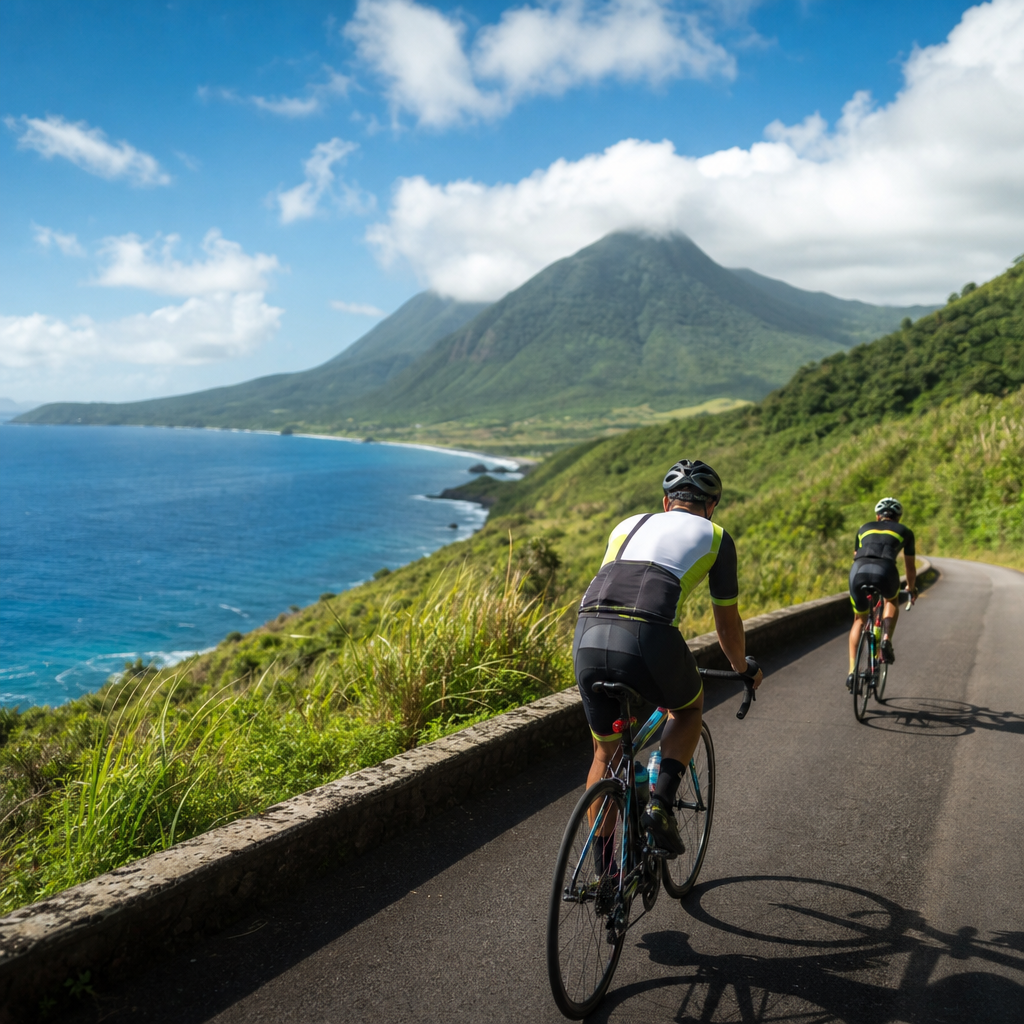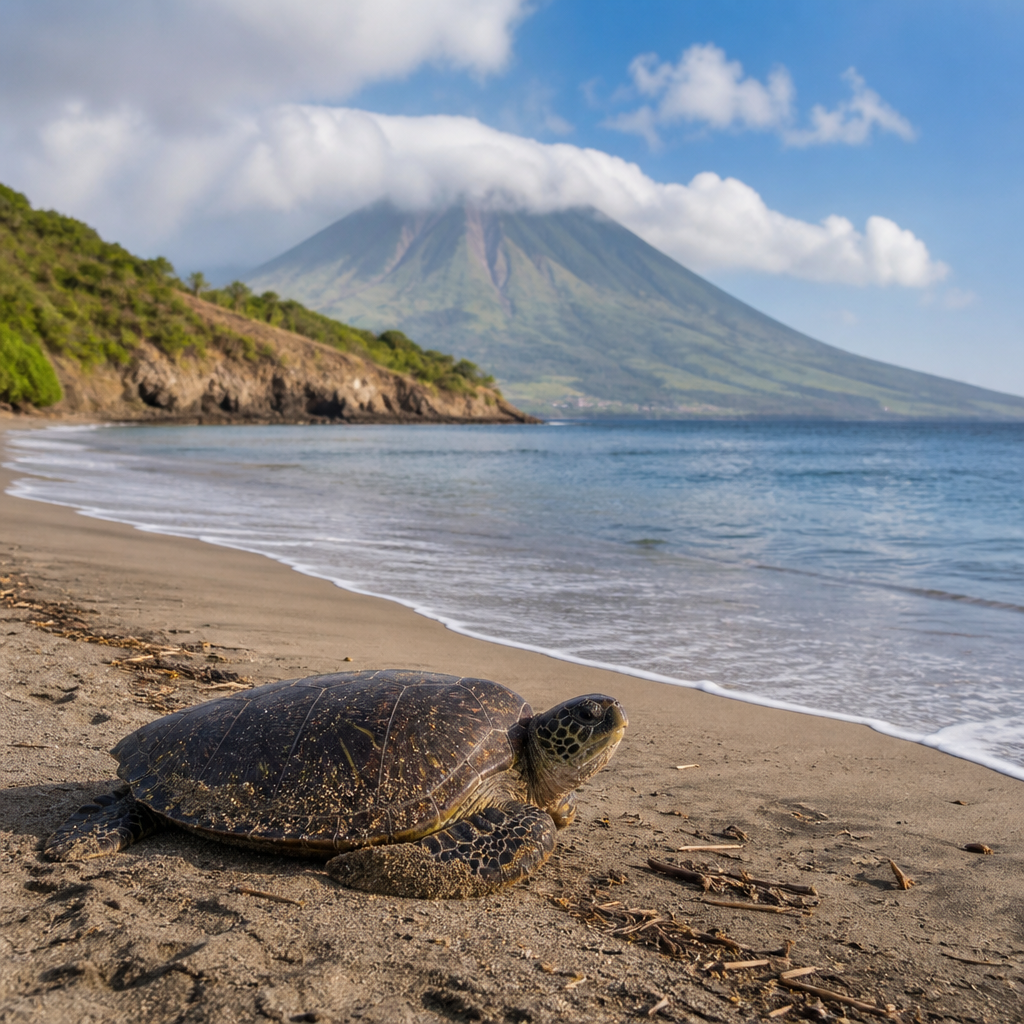
Protecting Nevis’ natural heritage is essential to the island’s future because its beaches, reefs, forests, wetlands, and freshwater systems support tourism, food security, climate resilience, and cultural identity at the same time. In practical terms, natural heritage means the living ecosystems and geological features that give Nevis its character, from the slopes of Nevis Peak to coastal mangroves and nearshore coral communities. Conservation efforts are the policies, restoration projects, community programs, scientific monitoring, and business practices designed to keep those assets healthy while people live, work, build, fish, farm, and travel on the island. I have worked on sustainability content and destination planning long enough to see a consistent pattern: islands that protect ecosystems early retain more options later, while islands that delay conservation end up paying more for erosion control, water treatment, reef rehabilitation, and storm recovery. Nevis matters because it is both ecologically rich and economically exposed. A relatively small land area means environmental damage travels quickly through the whole system. Sediment from one poorly managed construction site can affect one ghaut, then one bay, then tourism operators, fish habitat, and beachfront properties. Conversely, one well designed conservation program can generate multiple gains. Replanted vegetation stabilizes soil, improves water infiltration, reduces flood risk, supports birds and pollinators, and preserves the scenic quality visitors expect. That interconnected reality is why protecting Nevis’ natural heritage is not a niche environmental issue. It is core infrastructure for sustainable tourism and a practical development strategy for the island.
Why Nevis’ ecosystems deserve targeted protection
Nevis contains a compact but varied set of ecosystems, each with a distinct conservation value. The central volcanic massif, dominated by Nevis Peak, captures moisture and supports upland vegetation that helps regulate water flows. Lower slopes and dry coastal zones provide habitat for native and migratory species, while wetlands, ponds, and mangrove areas serve as nurseries for fish and buffers against storm surge. Offshore, coral reefs and seagrass beds reduce wave energy, support biodiversity, and anchor the marine experiences that many travelers associate with the island. In destination management, this diversity is a strength because it supports hiking, birdwatching, diving, snorkeling, heritage touring, wellness travel, and low impact luxury tourism. It is also a vulnerability because pressures accumulate across the landscape. Land clearing increases runoff, runoff clouds coastal waters, clouded waters weaken corals and seagrass, and weaker marine habitats reduce shoreline protection. The result is not abstract. Visitors notice murkier water, fishers notice lower catches, and hoteliers notice beach loss and post-storm repair costs. Effective conservation starts by recognizing that Nevis functions as one connected land and sea system rather than as separate scenic sites.
Main environmental pressures shaping conservation priorities
The most important threats to Nevis’ natural heritage are climate change, unsustainable coastal development, habitat fragmentation, invasive species, pollution, and resource overuse. Climate change intensifies extreme rainfall, drought periods, rising temperatures, coral bleaching risk, and sea level rise. For a small island, that combination is especially serious because roads, utilities, hotels, homes, and beaches often sit close to the coast. Coastal development can create jobs and improve amenities, but when projects remove vegetation, harden shorelines, or build too close to sensitive areas, they transfer costs into the future. I have seen this repeatedly in island destinations: short term gains from poorly sited construction become long term spending on drainage upgrades, sand replacement, and emergency shoreline defense. Invasive species present another difficult challenge because they quietly alter ecosystems over time by outcompeting native plants, preying on wildlife, or spreading disease. Pollution also deserves direct attention. Improper wastewater management, plastics leakage, and sediment runoff are among the most preventable causes of ecosystem decline. Conservation planning on Nevis therefore has to prioritize both acute risks, such as storms, and chronic pressures, such as daily land use decisions and waste handling.
Core conservation tools used on small islands like Nevis
Successful conservation on Nevis depends on combining regulation with restoration and education. Protected area management is one tool, but it works best when supported by environmental impact assessment, watershed protection, building setbacks, fisheries rules, and routine enforcement. The standard sequence is straightforward: identify sensitive habitats, map current pressures, set use limits, monitor indicators, and adjust management when conditions change. That adaptive approach is more effective than one-time policy announcements. In practice, conservation teams often rely on shoreline mapping, water quality testing, biodiversity surveys, and community reporting to identify where action is needed first. The most durable projects also involve local landowners, fishers, tour operators, schools, and hospitality businesses, because compliance improves when people understand both the ecological reason and the economic benefit. Restoration is equally important. Native tree planting on slopes, ghaut stabilization, mangrove rehabilitation, coral gardening where appropriate, and beach vegetation recovery can all reduce risk while improving habitat quality. Education closes the loop. When residents and visitors know why a dune should not be trampled or why anchors damage reefs, behavior changes faster and enforcement becomes easier.
How tourism and conservation can reinforce each other
Sustainable tourism on Nevis works when the natural asset is treated as productive capital rather than free scenery. Hotels, villas, restaurants, tour companies, taxi operators, and attraction managers all benefit when the island remains clean, biodiverse, and visually distinctive. That means conservation should be integrated into tourism operations, not left to government alone. Practical examples include installing low flow fixtures to reduce pressure on freshwater supplies, using native landscaping instead of water intensive ornamentals, controlling outdoor lighting near turtle nesting areas, funding reef safe mooring systems, and training staff to explain local ecology to guests. In my experience, travelers respond well when sustainability is visible and specific. A resort that can explain its runoff controls, composting system, beach cleanups, and habitat restoration earns more credibility than one that uses generic environmental messaging. Tourism also creates a funding pathway for conservation through park fees, voluntary guest contributions, local sourcing, and partnerships with nonprofits and schools. The key is governance. Money collected in the name of conservation should be transparently allocated to monitoring, maintenance, staffing, and measurable habitat improvements, not absorbed into unrelated expenses.
Priority conservation actions and their benefits
Decision makers on Nevis can focus resources by linking each conservation action to a clear environmental and economic outcome. The following priorities are practical, measurable, and aligned with how small island destinations protect natural heritage while supporting tourism.
| Action | Primary purpose | Example benefit for Nevis |
|---|---|---|
| Watershed reforestation | Reduce erosion and improve infiltration | Cleaner coastal water and lower flood risk after heavy rain |
| Coastal setback enforcement | Limit risky shoreline construction | Less storm damage and reduced need for hard defenses |
| Mangrove and wetland protection | Preserve nursery habitat and surge buffering | Better fisheries support and stronger coastal resilience |
| Wastewater and runoff controls | Cut nutrient and sediment pollution | Healthier reefs, seagrass, and swimming conditions |
| Marine moorings and reef rules | Prevent anchor and visitor damage | Improved dive quality and habitat protection |
| Invasive species management | Protect native ecosystems | Greater biodiversity stability across terrestrial habitats |
These actions are effective because they address root causes, not only symptoms. For example, reforesting a degraded slope is better than repeatedly dredging sediment from a bay. Enforcing setbacks is cheaper over time than rebuilding coastal roads after each major storm. Protecting wetlands often delivers returns that traditional accounting misses, including groundwater recharge, bird habitat, and flood absorption. The same logic applies offshore. Installing moorings and briefing boat operators costs far less than repairing a damaged reef, and some reef damage is irreversible within tourism planning timeframes. Good conservation policy on Nevis should therefore be framed as risk reduction, destination quality control, and long horizon asset management.
Community leadership, science, and policy coordination
Conservation succeeds fastest when local knowledge and scientific evidence are used together. Residents often know where flooding has worsened, where turtles return, which ghauts run brown after storms, and which beaches are eroding. Scientists and planners can convert those observations into repeatable monitoring and policy decisions. On Nevis, that means building a stronger evidence base through baseline habitat maps, water sampling, reef surveys, visitor carrying capacity assessments, and land use records. Named tools such as geographic information systems, drone mapping, benthic monitoring protocols, and environmental impact assessments are not administrative extras; they are decision tools that prevent expensive mistakes. Coordination matters just as much as data. Conservation policy touches planning, public works, tourism, fisheries, agriculture, education, and disaster management. If each department acts in isolation, outcomes weaken. For instance, a tourism campaign promoting pristine bays loses credibility if stormwater controls are not enforced upstream. Likewise, farmers adopting better soil practices should be supported by extension services and market incentives, not asked to absorb all costs alone. The strongest model is a whole island approach that sets shared targets, publishes progress, and treats ecosystem health indicators as seriously as visitor arrivals or hotel occupancy.
The long term payoff of protecting Nevis’ natural heritage is resilience that people can see and use. Healthy hillsides hold soil, cleaner bays support marine life, intact wetlands soften storms, and well managed tourism preserves the qualities that make the island competitive. Conservation on Nevis is therefore not about freezing the landscape or blocking development. It is about directing development so that natural systems continue to provide water regulation, shoreline protection, biodiversity, food support, and visitor appeal. The practical lesson is simple: every planning decision should ask whether it strengthens or weakens the island’s ecological foundations. When that standard is applied consistently, conservation moves from a side project to a core part of economic strategy. For businesses, the message is to invest in operations that reduce waste, runoff, and habitat damage. For residents, it means supporting local stewardship, reporting environmental harm, and valuing long term benefits over short term convenience. For policymakers, it means enforcing rules, funding monitoring, and coordinating land and sea management. Protecting Nevis’ natural heritage protects the island’s future. Make conservation a daily operating principle, and sustainable tourism becomes far more achievable.
Frequently Asked Questions
Why is protecting Nevis’ natural heritage so important?
Protecting Nevis’ natural heritage matters because the island’s environment is not separate from daily life or the economy; it is the foundation of both. Beaches, coral reefs, forests, wetlands, and freshwater systems help sustain tourism, support fisheries and agriculture, reduce erosion, buffer storm impacts, and strengthen long-term climate resilience. These ecosystems also shape the identity of Nevis, influencing local traditions, recreation, foodways, and the sense of place that residents and visitors value. When reefs are damaged, beaches can become more vulnerable to wave energy and erosion. When wetlands and mangroves are lost, coastal flooding risks can increase. When forests are degraded, watersheds may hold less water and become less effective at protecting soil and biodiversity. In other words, conservation is not just about saving scenery or protecting wildlife in the abstract. It is about safeguarding the natural systems that help keep communities safe, livelihoods stable, and the island attractive and livable for future generations.
What areas and ecosystems are included in Nevis’ natural heritage?
Nevis’ natural heritage includes a wide range of interconnected ecosystems and physical features, each playing a different but equally important role. On land, this includes the forests and upland habitats associated with Nevis Peak, which support biodiversity, help regulate water flow, and protect soils on steep slopes. It also includes dry coastal areas, ghauts, and freshwater resources that are essential for both ecological health and human use. Along the shoreline, beaches, dunes, wetlands, and mangrove areas help stabilize coasts, provide habitat for birds and marine life, and reduce the effects of storm surge and flooding. Offshore, seagrass beds and coral reef systems are especially important because they support fisheries, shelter juvenile species, enhance water quality, and contribute to the island’s appeal as a tourism destination. Natural heritage also includes geological features and landscapes that define Nevis’ character. The key point is that these places do not function in isolation. What happens in upland forests can affect freshwater quality and sediment runoff, which in turn can influence coastal habitats and reef health. Effective conservation recognizes this full island-to-sea connection.
What kinds of conservation efforts are used to protect Nevis’ environment?
Conservation efforts in Nevis typically combine policy, restoration, education, monitoring, and community participation. At the policy level, protection may involve land-use planning, coastal management rules, development review, fisheries regulations, and measures designed to reduce pollution or habitat destruction. These tools are important because they help guide growth in ways that are more compatible with environmental limits. On the ground, restoration projects may include replanting mangroves, stabilizing eroded areas, improving watershed health, rehabilitating degraded habitats, and supporting coral reef recovery where possible. Environmental monitoring is another major part of conservation because decision-makers need reliable information about shoreline change, reef condition, water quality, species health, and the effects of storms or human pressure. Public education and outreach are equally important, since long-term protection depends on residents, businesses, schools, fishers, tourism operators, and visitors understanding why these ecosystems matter and how everyday behavior affects them. In practice, the most effective conservation strategies are usually collaborative. Government agencies, community groups, scientists, nonprofits, and private stakeholders all have roles to play in reducing threats and improving resilience across the island.
What are the biggest threats to Nevis’ natural heritage today?
Nevis faces a combination of local and global pressures that can weaken ecosystems if they are not managed carefully. Climate change is one of the most serious long-term threats, bringing stronger storm impacts, rising sea levels, warmer ocean temperatures, coral stress, and changing rainfall patterns. These shifts can damage reefs, accelerate beach erosion, strain freshwater supplies, and affect agriculture and biodiversity. At the local level, poorly planned development can fragment habitats, increase runoff, and place pressure on sensitive coastal and upland areas. Pollution, including improper waste disposal, wastewater issues, and sediment entering nearshore waters, can reduce water quality and harm marine ecosystems. Overuse of natural resources, whether through unsustainable fishing practices or repeated disturbance of fragile habitats, can also erode ecological health over time. Invasive species may add another layer of pressure by disrupting native habitats and species balance. What makes these threats especially challenging is that they often interact. For example, a reef already weakened by warming seas may be less able to recover from pollution or storm damage. That is why conservation in Nevis must be proactive, science-informed, and focused on resilience rather than waiting until visible damage becomes severe.
How can local communities, businesses, and visitors support conservation efforts in Nevis?
Conservation succeeds best when it is shared across the whole community, not treated as the responsibility of one agency or organization alone. Residents can help by supporting cleanups, respecting protected areas, reducing litter and runoff, conserving water, and participating in local conversations about land use and development. Farmers and landowners can contribute through soil conservation, responsible water management, and practices that reduce erosion and pollution entering ghauts, wetlands, and coastal waters. Businesses, especially in tourism and hospitality, can make a major difference by improving waste management, reducing single-use plastics, conserving energy and water, supporting reef-safe and environmentally responsible operations, and aligning their branding with real sustainability practices rather than superficial claims. Visitors also play an important role. Choosing responsible tour operators, not disturbing wildlife, avoiding damage to reefs and seagrass, disposing of waste properly, and supporting local businesses that value environmental stewardship all help reduce pressure on fragile ecosystems. Beyond individual actions, community support for conservation funding, environmental education, habitat restoration, and science-based policy is essential. Protecting Nevis’ natural heritage is ultimately about building a culture of stewardship in which people recognize that healthy ecosystems are inseparable from the island’s prosperity, resilience, and identity.