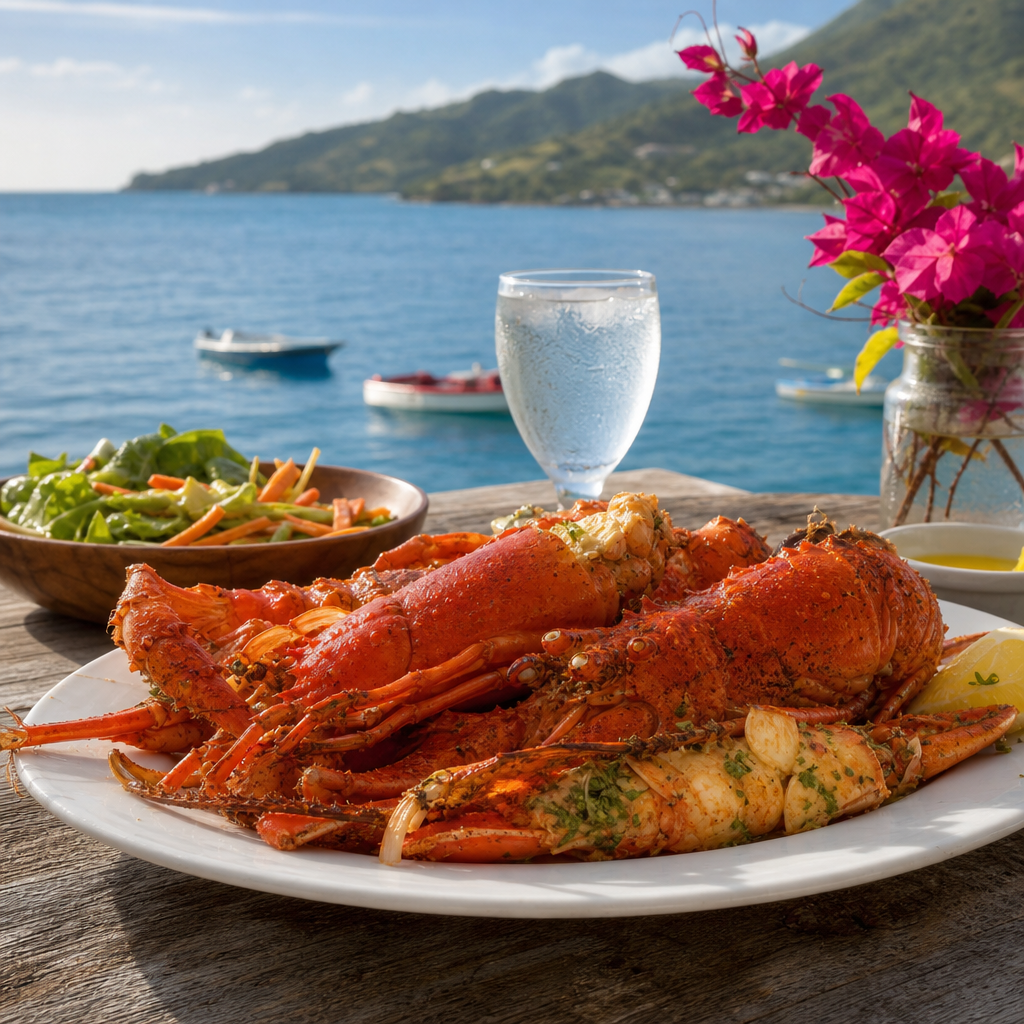
Healthy dining options in Nevis make it easier to start the year with habits that feel sustainable, enjoyable, and rooted in the island’s food culture. In this guide, I am treating “healthy dining” broadly: not just low-calorie meals, but balanced choices built around fresh produce, lean proteins, legumes, whole grains, hydration, and sensible portions. In Nevis, that often means grilled fish instead of heavy frying, vibrant salads made with local vegetables, fruit-forward breakfasts, soups, ground provisions, and dishes prepared with less sugar and salt. “Starting the year right” matters because January intentions often collapse when eating well feels restrictive. On Nevis, it does not have to. The island’s restaurants, beach bars, hotel dining rooms, and casual cafés can support wellness goals if you know what to look for and how to order. I have found that the best approach is practical rather than perfect: choose places that cook to order, ask direct questions about preparation, and prioritize freshness over trend-driven labels. That matters for residents returning to routine after the holidays, travelers trying to stay energized, and anyone using this page as a hub for deeper Health and Wellness reading. A useful healthy dining guide should answer simple questions clearly: where can you find lighter meals, what menu terms signal better options, how can you balance local flavor with nutrition, and what tradeoffs should you expect? Nevis is especially well suited to this conversation because its dining scene is small enough to navigate yet diverse enough to offer choice, from luxury resort kitchens to roadside vendors.
What healthy eating looks like in Nevis restaurants
Healthy eating in Nevis is less about a rigid menu category and more about recognizing the island’s strongest ingredients and cooking patterns. The most reliable foundation is seafood. Grilled mahi-mahi, snapper, tuna, and lobster in season can provide high-quality protein with relatively simple preparation. Many kitchens also serve chicken breast, vegetable soups, salads, omelets, and sides such as steamed vegetables, plantains, rice, peas, and provisions. A balanced plate on Nevis usually combines one lean protein, one vegetable-rich component, and one starch chosen with awareness of portion size. In practice, that may be grilled fish with callaloo and a modest spoon of rice and peas, or a breakfast of eggs, fruit, and whole-grain toast if available.
From experience, the biggest difference between a meal that supports wellness and one that works against it is the cooking method. Grilled, baked, roasted, steamed, and lightly sautéed dishes are easier to fit into a healthy routine than battered, heavily creamed, or sugar-glazed plates. This sounds obvious, but on menus it requires reading beyond dish names. “Creole” may mean tomato-based and herb-forward, which can be a good option. “Curry” can be nourishing when coconut milk and oil are used moderately, but richness varies by kitchen. “Festival,” fries, butter sauces, and sweet rum reductions are enjoyable, yet they increase energy density quickly. Asking how a dish is prepared is normal and usually welcomed.
Healthy eating also includes consistency and satisfaction. If your meal is too light, you may end up snacking on pastries or drinking extra calories later. The better target is a meal with protein, fiber, and enough flavor to feel complete. Nevisian cuisine helps here because herbs, pepper sauces, lime, ginger, thyme, scallion, and fresh fruit can create strong taste without depending entirely on fat, salt, or refined sugar.
Best types of venues for lighter, balanced meals
Different venue types serve different health goals. Resort restaurants often offer the broadest flexibility because kitchens are used to dietary requests. They may provide grilled catch-of-the-day, composed salads, vegetable-forward appetizers, fresh juices, yogurt, and breakfast fruit platters. Casual cafés are usually best for lighter daytime meals, especially if you want smoothies, wraps, soups, egg dishes, or coffee with a small breakfast instead of a large buffet. Beach bars can be surprisingly useful when they focus on fresh fish and straightforward sides, though some lean heavily toward fried baskets. Local restaurants and cookshops are valuable for authentic flavor and generous portions; the key is ordering selectively and sharing or saving part of the meal if needed.
For visitors, hotel breakfast service can shape the rest of the day. A breakfast with eggs, fruit, oats, and unsweetened tea or coffee provides steadier energy than pastries and juice alone. I have seen many travelers make one simple adjustment that changes everything: they stop treating breakfast as a holiday exception and start using it as nutritional insurance. Once protein and fiber are covered early, lunch and dinner become easier to manage.
Timing also matters. Midday is often the easiest time to eat lightly because menus may include salads, grilled sandwiches, or soups. Dinner on Nevis can become richer, especially in social settings where cocktails, desserts, and shared appetizers are part of the experience. That does not mean avoiding dinner out; it means planning for it. A lighter lunch, hydration through the afternoon, and a deliberate dinner order usually work better than trying to “be good” all day and then overcorrecting at night.
How to choose well from a menu
When I review menus for healthy dining, I look for four things first: protein quality, vegetable availability, cooking method, and hidden calorie sources. Protein quality means fish, shellfish, chicken, eggs, beans, or lentils prepared with moderate added fat. Vegetable availability means more than a garnish; a real salad, sautéed greens, roasted vegetables, or a soup with substance. Cooking method matters because grilled fish can become less healthy when covered in butter sauce. Hidden calorie sources usually come from dressings, creamy soups, sugary drinks, and oversized starch portions.
| Menu signal | Usually a stronger choice | Usually a weaker choice | Smart adjustment |
|---|---|---|---|
| Seafood entrée | Grilled catch with vegetables | Fried fish with fries | Swap fries for salad or provisions |
| Chicken dish | Roasted or grilled chicken | Creamy pasta chicken | Ask for sauce on the side |
| Breakfast | Eggs, fruit, oats, yogurt | Pastries and sweet drinks | Add protein before ordering juice |
| Side dish | Callaloo, salad, vegetables | Extra fried starches | Choose one starch, not several |
| Beverage | Water, sparkling water, unsweetened tea | Sugary cocktails or soda | Alternate alcohol with water |
The simplest ordering script is direct and effective: “Could I have the grilled version, dressing on the side, and extra vegetables instead of fries?” Most restaurants can accommodate at least one of those requests. Portion control is another overlooked advantage. Many Caribbean restaurants serve generously, so splitting an appetizer and entrée, or boxing half before you start, can be more realistic than relying on willpower at the table. If you are monitoring sodium, ask whether sauces, marinades, or seasoning mixes are added heavily; island food can be fresh and healthy, but seasoning levels vary.
Local foods that support wellness goals
One reason healthy dining in Nevis is genuinely appealing is that local foods naturally align with balanced eating. Fresh fish is the clearest example, but it is not the only one. Callaloo, often made from leafy greens, supports fiber, folate, vitamin A, and vitamin K intake. Ground provisions such as sweet potato, yam, and dasheen can be excellent carbohydrate sources when portions are sensible and preparation is not overly fried. Mango, papaya, pineapple, guava, soursop, and seasonal citrus offer nutrient-dense sweetness that can replace heavier desserts or sugary snacks.
Legumes also deserve more attention. Peas and beans appear in soups, stews, and rice dishes throughout the Caribbean. They add fiber and plant protein, which improve satiety and support steadier blood glucose response than highly refined starches eaten alone. Coconut is another ingredient to understand rather than fear. Fresh coconut and moderate coconut milk can fit into a healthy pattern, but rich stews and desserts built around coconut become calorie-dense quickly. Context matters more than labels.
Traditional flavorings can help reduce dependence on excess salt and sugar. Thyme, scallion, garlic, ginger, hot pepper, lime, and allspice create complexity and brightness. That is useful if you are trying to eat more simply without feeling deprived. In my experience, visitors often assume “healthy” on an island must mean imported wellness food, but Nevis offers a better route: local ingredients handled with restraint and respect.
Common challenges and how to handle them
The main obstacles are not lack of options but inconsistent availability, social eating patterns, and the vacation mindset. Availability changes with season, weather, and deliveries. A menu may list a salad with fresh catch, but the day’s catch might be limited, or a favorite fruit may be out of season. Flexibility is essential. Instead of fixating on one exact dish, use decision rules: choose grilled protein, add produce, moderate starch, and keep sauces controlled. That framework works almost everywhere.
Social eating can also complicate goals. Shared appetizers, celebratory cocktails, and late dinners are part of the Nevis experience. The practical solution is to choose your indulgence instead of collecting several at once. If you want rum punch, pair it with grilled fish and vegetables rather than fried appetizers and dessert. If dessert is the priority, keep the main course simpler. This is not moralizing; it is energy management. Alcohol deserves special mention because it can quietly increase intake and reduce decision quality. Alternating each alcoholic drink with water is one of the most effective habits I recommend.
Another challenge is confusing “healthy” with “tiny.” That often backfires, especially for active travelers walking, swimming, hiking, or playing tennis. Under-eating protein at lunch can lead to evening overeating. A better strategy is even distribution: include protein at each meal, eat fruit or yogurt as a snack if needed, and avoid arriving at dinner overly hungry. If you have specific medical needs such as diabetes, celiac disease, or hypertension, ask detailed questions early. Smaller kitchens can often adapt, but they need clear guidance.
Using this page as your Health and Wellness hub
This article works best as a starting point for broader Health and Wellness planning in Nevis. Dining connects directly to activity, sleep, hydration, and recovery. If you are building a January reset, think in systems rather than isolated meals. A morning walk in Charlestown, a protein-forward breakfast, steady hydration in the heat, and a sensible dinner create better outcomes than chasing a perfect superfood lunch. The hub approach also matters because “Miscellaneous” wellness topics are where people usually have the most practical questions: where to find a lighter meal after a beach day, what to order during a work trip, how to balance local treats with fitness goals, or how to keep children and older relatives well fed without defaulting to processed food.
As you explore related articles in this sub-pillar, use this guide as the decision-making base layer. Choose freshness first, ask how dishes are cooked, favor local produce and seafood, watch liquid calories, and respect portion size without turning meals into a math exercise. Nevis makes healthy dining easier than many destinations because quality ingredients are close at hand and many kitchens are happy to adjust a plate. Starting the year right does not require a cleanse or rigid rules. It requires repeatable choices that support energy, enjoyment, and long-term health. Use this hub to plan your meals more intentionally, explore the island’s better-for-you options, and make your next dining decision a smart one today.
Frequently Asked Questions
What does “healthy dining” really mean in Nevis?
In Nevis, healthy dining is best understood as balance rather than restriction. It is not only about choosing the lowest-calorie item on a menu. Instead, it often means building meals around fresh local produce, grilled or roasted seafood, lean proteins, legumes, ground provisions, whole grains when available, and reasonable portions. Because the island’s food culture naturally includes fresh fish, tropical fruit, vegetable-based sides, soups, and simple preparations, many healthy choices can feel satisfying and connected to local tradition rather than overly strict or temporary.
A healthy meal in Nevis might look like grilled fish with steamed vegetables and a fresh salad, a broth-based soup with vegetables and legumes, or a fruit-forward breakfast paired with protein for staying power. It can also mean making practical swaps, such as choosing grilled instead of fried, requesting dressing or sauce on the side, or pairing a heavier entrée with lighter sides. The goal is to create habits that feel sustainable at the start of the year and beyond, so healthy dining in Nevis should feel enjoyable, flexible, and realistic.
What are some of the healthiest foods and dishes to look for on menus in Nevis?
Some of the strongest healthy options in Nevis are dishes that highlight the island’s access to fresh ingredients. Grilled fish is one of the best examples, since it provides lean protein and is often served in a simple way that lets the quality of the seafood stand out. Salads made with local vegetables can also be excellent choices, especially when they include protein such as fish, chicken, or legumes. Vegetable soups, pumpkin soup, callaloo-based dishes, bean dishes, and lightly prepared sides can all support a balanced meal without feeling bland.
Breakfast menus can also offer smart choices. Fresh fruit, smoothies made with real fruit, eggs, oats, yogurt, and lighter traditional items can help start the day on a steady note. At lunch or dinner, look for preparations described as grilled, baked, roasted, steamed, or sautéed rather than deep-fried. You can also watch for meals that include vegetables, beans, lentils, or rice in sensible portions. If a menu leans toward richer entrées, it is still possible to eat well by focusing on seafood, adding a salad, sharing larger plates, or selecting one indulgent element instead of several at the same meal.
How can I make healthier choices when dining out in Nevis without missing out on local flavor?
The most effective approach is to embrace local flavor while being selective about preparation and portion size. Nevisian cuisine offers plenty of opportunities to enjoy the island’s character without defaulting to the heaviest menu items. For example, you can choose fresh fish seasoned with Caribbean herbs and spices, vegetable-rich soups, fruit-based breakfasts, or dishes built around beans and local produce. These choices still reflect the island’s food culture, but they often feel lighter and more energizing than heavily fried or oversized meals.
It also helps to think in terms of simple decisions rather than perfection. Ask whether a fish dish can be grilled instead of fried. Request extra vegetables in place of a richer side. Have sauce served separately so you can control how much you use. If there is a signature item you want to try, balance it by keeping the rest of the meal lighter or by sharing it. Hydration matters too, especially in the warm climate, so pairing meals with water, sparkling water, or unsweetened drinks can support how you feel throughout the day. This way, you can enjoy the flavors that make dining in Nevis memorable while still staying aligned with your health goals.
Are healthy dining options in Nevis suitable for starting sustainable New Year habits?
Yes, and that is one of the biggest advantages of focusing on healthy dining in Nevis at the start of the year. The island makes it easier to build routines around fresh, satisfying foods instead of relying on extreme diets or short-lived resolutions. Because many menus naturally feature seafood, fruit, vegetables, soups, and straightforward cooking methods, it is possible to create a pattern of eating that feels both realistic and enjoyable. That matters, because habits last longer when they fit the setting and still allow room for pleasure.
Sustainable New Year habits usually come from consistency, not intensity. In practical terms, that could mean choosing a balanced breakfast most mornings, ordering grilled seafood more often than fried dishes, adding vegetables to lunch and dinner, staying hydrated, and treating richer meals as occasional choices rather than daily defaults. Nevis supports this kind of rhythm especially well, since the food culture does not require you to separate “healthy eating” from “good eating.” When meals are flavorful, rooted in local ingredients, and portioned sensibly, it becomes much easier to maintain healthy habits beyond January.
What should I prioritize if I want to eat healthy in Nevis while traveling or dining out frequently?
If you are eating out often in Nevis, prioritize meal balance, ingredient quality, and consistency. Start by looking for a source of lean protein such as fish, chicken, or legumes. Then add vegetables or salad, and include starches or grains in moderate portions rather than letting them dominate the plate. This simple framework can help you make good decisions across different restaurants and meal styles. It is also useful to pay attention to cooking methods, since grilled, baked, steamed, and roasted dishes are generally easier to fit into a health-conscious routine than heavily fried options.
Hydration should also stay high on the list, particularly in a tropical setting where heat can affect appetite, energy, and overall wellbeing. Water with meals, fresh fruit in place of overly sugary desserts on some occasions, and lighter breakfasts can all make a noticeable difference. Finally, remember that healthy dining while traveling does not require every meal to be perfect. If one meal is more indulgent, the next can return to grilled seafood, soup, salad, fruit, or vegetables. The key is to keep making thoughtful choices most of the time. In Nevis, that approach is not only achievable, but often deeply enjoyable because it aligns so naturally with the island’s freshest and most appealing foods.