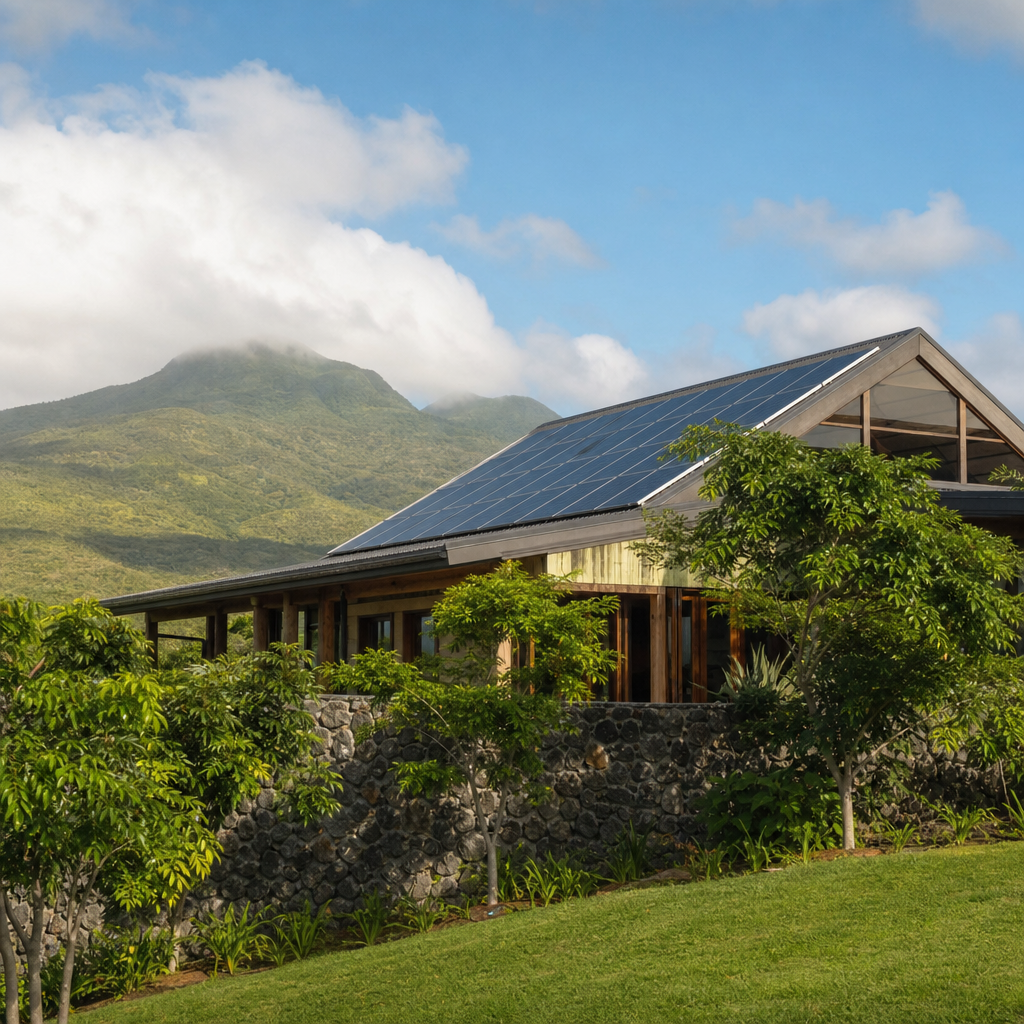
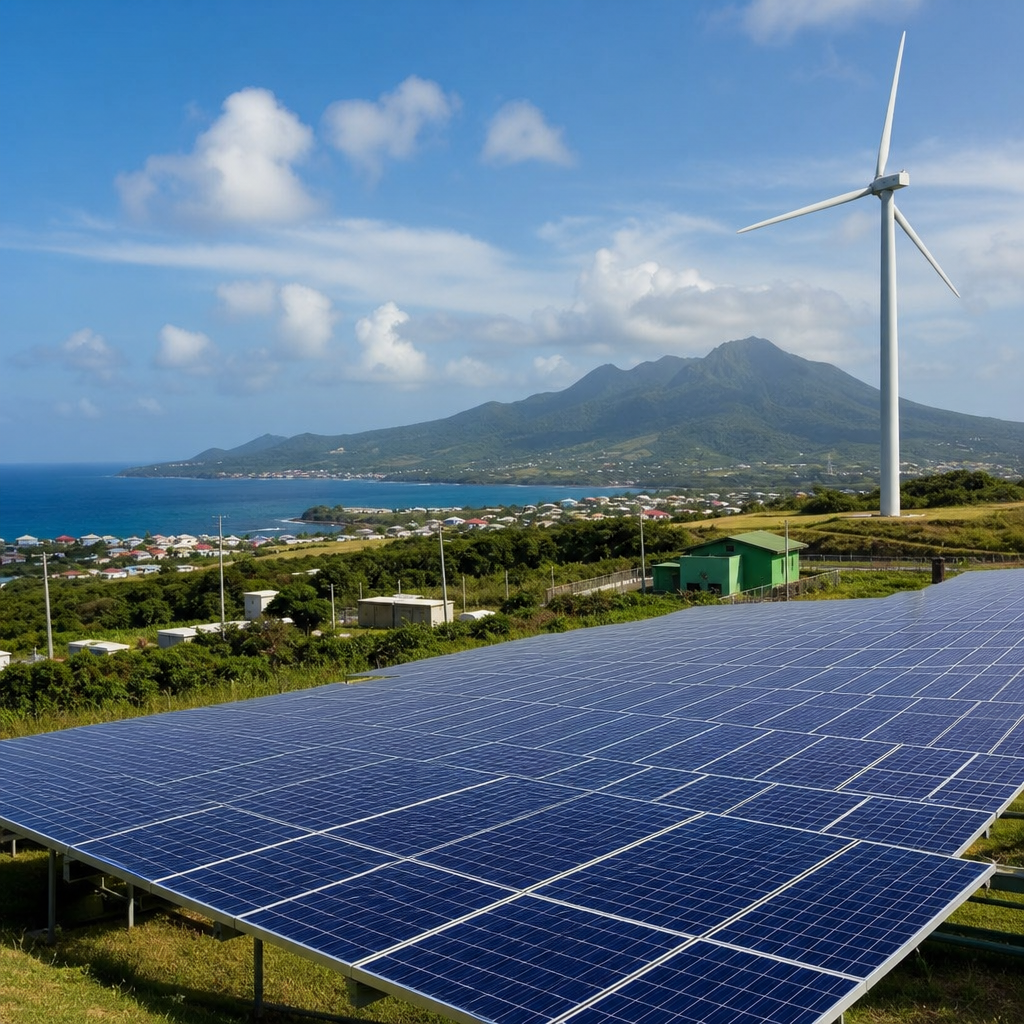
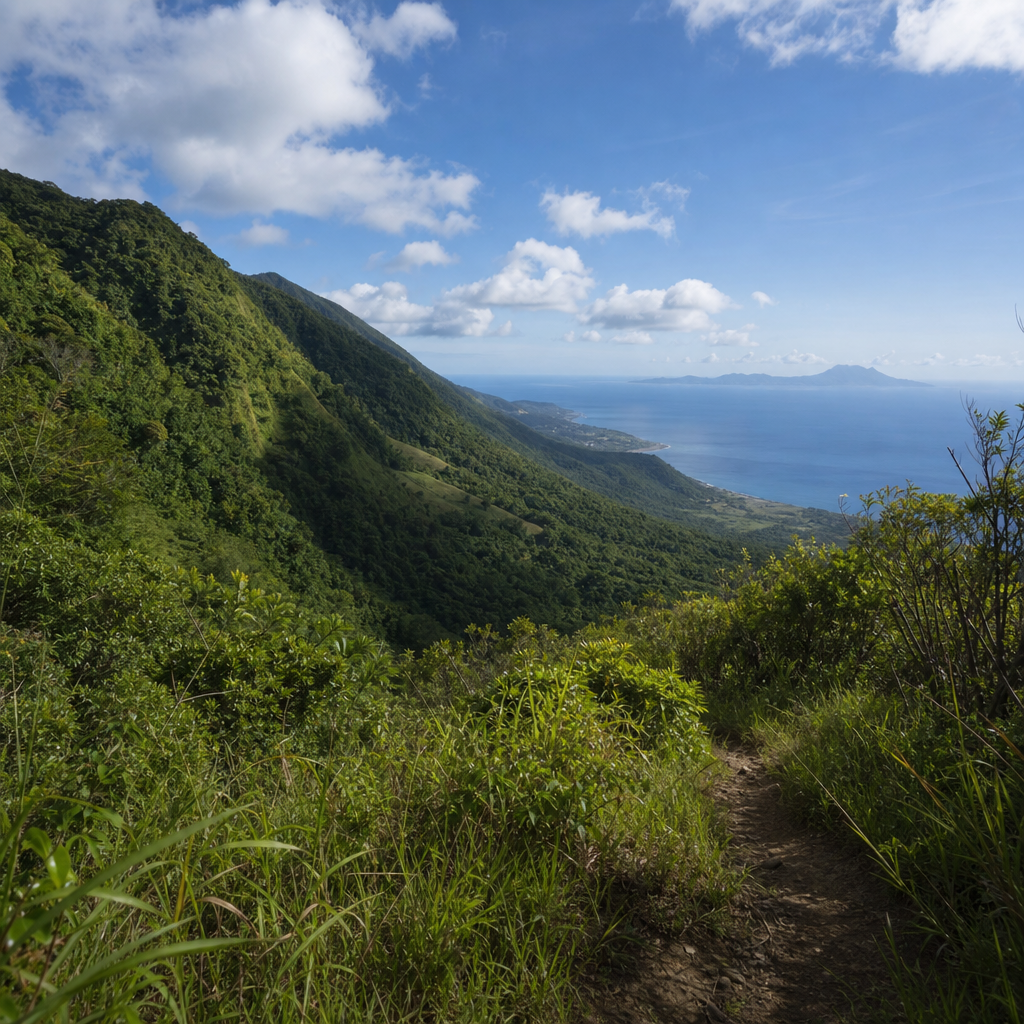
Nevis’ wildlife conservation is the practical work of protecting habitats, species, and ecological processes on a small Caribbean island where land, sea, tourism, farming, and community life meet in a very limited space. On Nevis, conservation is not an abstract policy exercise. It affects reefs that buffer the coast, wetlands that shelter birds, forested slopes that hold soil in place, and marine nursery areas that support fish populations and livelihoods. Because the island is compact, every development choice has visible consequences. A damaged ghaut, an overfished nearshore reef, or unmanaged hillside clearing can affect water quality, biodiversity, and visitor experience within a single season.
When people ask what wildlife conservation means in Nevis, the clearest answer is this: it is the effort to preserve nature’s balance while allowing the island’s communities and economy to thrive. That balance includes native and migratory birds, sea turtles, coral reefs, mangroves, monkeys, bats, insects, seagrass beds, and the cloud forest around Nevis Peak. It also includes the systems connecting them. Healthy upland vegetation slows runoff. Cleaner runoff helps reefs and seagrasses. Strong marine habitats support fish, which support food security, recreation, and business. On small islands, these links are direct, measurable, and impossible to ignore.
I have worked on island destination content and conservation planning briefs long enough to know that small-island wildlife protection succeeds only when it is grounded in land-use reality. Nevis faces the same pressures seen across the Caribbean: coastal development, invasive species, climate change, plastic pollution, habitat fragmentation, and heavy dependence on tourism revenue. Yet Nevis also has advantages. Its scale makes monitoring easier, its communities are closely connected, and its natural identity remains central to how residents and visitors experience the island. That combination makes conservation both urgent and achievable.
This hub article covers the miscellaneous dimensions of wildlife conservation in Nevis by bringing together the major issues, habitats, species groups, management tools, and community actions that shape results. If you are researching Nevis ecology, sustainable travel, biodiversity policy, habitat protection, or environmental stewardship, this page provides the framework. The key point is simple: preserving nature’s balance in Nevis requires integrated protection from ridge to reef, supported by science, local knowledge, practical enforcement, and long-term public commitment.
Why Nevis Is Ecologically Significant
Nevis is small, but ecological significance is not a function of size. The island contains a steep elevational gradient, coastal wetlands, beaches used by nesting turtles, dry and moist forest zones, marine habitats, and volcanic uplands centered on Nevis Peak. Such diversity creates multiple ecological niches within a short geographic distance. Birds use different elevations seasonally, bats depend on forest cover and roosting sites, and juvenile fish rely on structurally complex nearshore habitats. This concentration of habitats means conservation planning cannot isolate one area without considering adjacent systems.
Its position within the Lesser Antilles also matters. Nevis supports both resident species and migratory wildlife moving through Caribbean flyways. Shorebirds and seabirds depend on intact coastal resting and feeding areas, especially where human disturbance is low. Marine ecosystems are similarly connected to broader regional patterns. Coral larvae, fish recruitment, and turtle migration do not stop at political boundaries. Effective conservation on Nevis therefore contributes to wider Caribbean ecological resilience, even though decisions are made locally.
Small islands are especially vulnerable because edge effects are everywhere. There is little room to push wildlife aside. A resort expansion near a beach can disrupt turtle nesting. Increased sediment from construction uphill can reduce coral health offshore. Artificial lighting can disorient hatchlings. Free-roaming pets can affect birds and reptiles. These are not distant risks; they are routine management questions. For Nevis, ecological significance comes from biodiversity itself and from the clarity with which cause and effect appear on the landscape.
Core Habitats That Need Protection
The first conservation priority is habitat integrity. On Nevis, that means protecting forests, wetlands, beaches, reefs, seagrass beds, and mangrove-associated coastal zones as connected assets rather than isolated attractions. Upland forests regulate water flow, reduce erosion, and provide cover for birds, insects, and small mammals. Forest loss on steep slopes is particularly damaging because rainfall can quickly mobilize sediment into ghauts and then into coastal waters. Once that sediment reaches reefs, coral stress increases and recovery becomes slower, especially under warming sea temperatures.
Coastal habitats deserve equal attention. Beaches are dynamic systems, not empty strips for recreation. They support turtle nesting, invertebrates, and dune vegetation that stabilizes shorelines. Wetlands and ponds, even when small, are essential for waterbirds and serve as buffers during intense rain events. Seagrass beds are among the most undervalued habitats in the Caribbean. They trap sediment, store carbon, stabilize the seabed, and provide foraging grounds for turtles as well as nurseries for fish. Coral reefs then extend that protective chain by dissipating wave energy and supporting marine biodiversity.
In practical terms, habitat protection on Nevis means setback enforcement, drainage control, vegetation retention, wastewater management, and limits on disruptive coastal alteration. It also means recognizing that scenic value and ecological value are often the same thing. The shaded trails, intact shorelines, and clear snorkeling waters that attract visitors exist because ecological processes are still functioning. Once fragmentation becomes severe, restoration is slower and more expensive than prevention.
Species Conservation Priorities on Nevis
Wildlife conservation in Nevis must focus on species that are ecologically important, culturally visible, or especially vulnerable to disturbance. Sea turtles are among the highest-profile examples. Across the Caribbean, nesting turtles face threats from beachfront lighting, poaching, entanglement, boat strikes, and loss of nesting habitat. Protecting nesting beaches on Nevis requires seasonal monitoring, public education, lighting controls, and clear protocols when nests are discovered near active tourism areas. Turtle conservation works best when hotels, residents, fishers, and environmental agencies all know the same rules.
Bird conservation is broader but just as important. Nevis supports resident land birds, wetland users, and migratory species. Habitat quality determines whether these birds can feed, rest, and breed successfully. Bats also deserve more attention than they usually receive in visitor-facing discussions. In island ecosystems, bats can be key pollinators and seed dispersers, directly supporting forest regeneration. Protecting roosts and maintaining native vegetation are basic but effective actions.
The island’s green vervet monkeys complicate the picture. They are iconic and widely seen, yet wildlife management is not only about affection or visibility. Any abundant species can create agricultural conflict, alter plant communities, or intensify debate about carrying capacity and human-wildlife interaction. Conservation on Nevis therefore requires species-specific management, not one blanket approach. Some species need strict protection, some need habitat support, and some require careful population and conflict management to preserve wider ecological balance.
Main Threats and Practical Responses
The leading threats to Nevis’ wildlife are well known, but they interact in ways that multiply damage. Unplanned or weakly regulated development can remove vegetation, increase runoff, and fragment habitat. Climate change adds stronger storms, hotter seas, coral bleaching pressure, and coastal erosion. Pollution enters through litter, sewage failures, plastics, and sediment. Overuse of sensitive areas by vehicles, anchors, or foot traffic can then finish the damage. When these pressures overlap, wildlife declines are rarely caused by one event alone.
The most effective response is layered management. Strong environmental impact assessment should guide major projects before damage occurs. Construction sites on slopes need erosion and sediment controls, including silt fencing, staged clearing, and runoff management. Nearshore boating needs mooring systems to reduce anchor damage. Beachfront properties should use turtle-friendly lighting with shielding and warmer wavelengths. Wastewater systems must be maintained because nutrient pollution fuels algal growth that competes with corals. None of these measures is exotic. They are standard good practice on islands serious about conservation.
| Threat | Typical Impact | Best Response on Nevis |
|---|---|---|
| Coastal development | Habitat loss, lighting disturbance, erosion | Setbacks, lighting controls, native vegetation buffers |
| Sediment runoff | Coral stress, poor water clarity, seagrass burial | Drainage planning, slope stabilization, site inspections |
| Marine overuse | Reef breakage, wildlife disturbance, fish decline | Moorings, zoning, operator standards, visitor education |
| Plastic and wastewater pollution | Ingestion risk, entanglement, algal blooms | Waste management, infrastructure maintenance, enforcement |
| Climate change | Bleaching, storm damage, beach erosion | Resilience planning, habitat restoration, risk reduction |
Enforcement matters as much as policy. I have seen islands produce solid environmental language that changes little because inspections are irregular and penalties are weak. Nevis can avoid that trap by pairing regulations with visible compliance systems, trained officers, business guidance, and public reporting channels. Conservation succeeds when rules are understandable, consistent, and applied early rather than after irreversible damage.
Community, Tourism, and Conservation Governance
Community support is the deciding factor in long-term wildlife protection. On Nevis, conservation cannot be framed as something separate from daily life or imposed only for visitors. Fishers, tour operators, hoteliers, farmers, students, and householders all influence habitat quality. The best programs make those connections explicit. A hotel that reduces beachfront lighting helps turtles. A farmer who stabilizes drainage channels reduces sediment runoff. A boat operator who uses moorings protects coral for the next season’s guests. These are local actions with immediate ecological benefits.
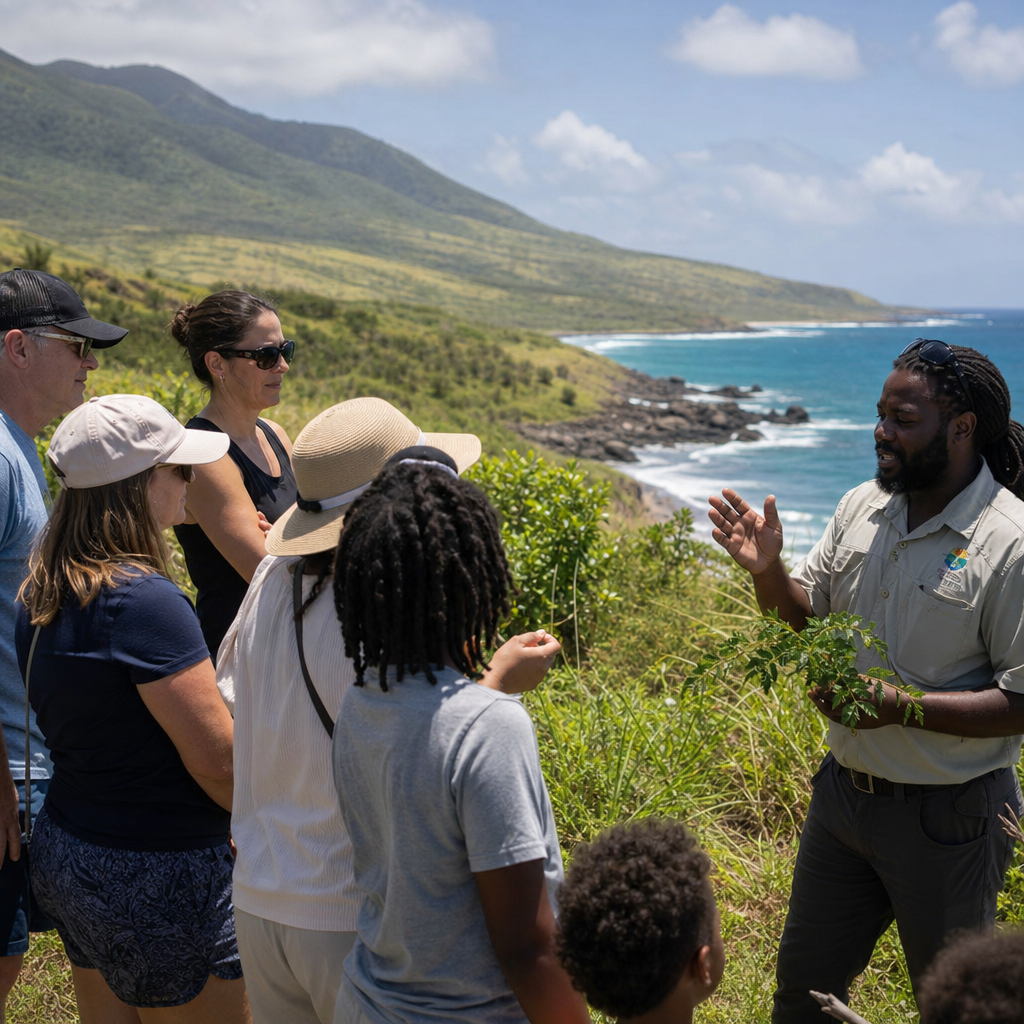
Tourism can either erode nature or fund its protection. On Nevis, the opportunity is to align the visitor economy with conservation standards. Guided hikes, birdwatching, turtle awareness programs, reef tours with strict no-touch policies, and heritage-nature interpretation all create revenue while reinforcing stewardship. Visitors increasingly choose destinations that can demonstrate authentic environmental practice. Clear signage, trained guides, reef-safe operating procedures, and visible habitat restoration projects build trust and differentiate the island in a crowded Caribbean market.
Governance must tie those efforts together. Effective conservation typically relies on a mix of government agencies, local NGOs, regional partnerships, schools, and businesses. Baseline biodiversity surveys, beach patrol data, reef monitoring, and land-use mapping should inform decisions rather than sit unused in reports. Schools can strengthen conservation literacy early, and citizen science can expand monitoring capacity. The most durable model for Nevis is collaborative governance: science-based, community-supported, and realistic about economic tradeoffs without surrendering ecological limits.
What Preservation Looks Like in Practice
Preserving nature’s balance in Nevis is not one project. It is a portfolio of repeated actions that improve ecological condition year after year. In marine areas, that includes reef monitoring, fisheries management, mooring maintenance, and seagrass protection. On land, it includes trail management, invasive plant control, forest protection, drainage maintenance, and limits on clearing in sensitive zones. At the coast, it means dune and beach vegetation retention, turtle-season protocols, and careful decisions about lighting and shoreline engineering.
Restoration also has a role, but it should not be romanticized. Coral gardening, beach planting, and wetland cleanup can help, yet restoration is rarely a substitute for prevention. Once a reef has suffered repeated bleaching and chronic pollution, recovery is uncertain. Once a nesting beach is heavily altered, functionality may not fully return. The practical lesson is to protect intact systems first, restore strategically where benefits are realistic, and monitor outcomes with measurable indicators such as nest counts, water clarity, coral cover, and bird observations.
The strongest future for Nevis lies in treating wildlife conservation as essential infrastructure. Healthy ecosystems reduce erosion, support fisheries, protect shorelines, improve visitor appeal, and preserve the island’s character. The main takeaway is clear: conservation on Nevis works when habitats are managed as connected systems, species protection is targeted, and community participation is built into every policy. If you are planning research, travel, investment, or local action around Nevis’ natural environment, start with that integrated view and support the organizations and practices that keep nature in balance.
Frequently Asked Questions
Why is wildlife conservation so important on a small island like Nevis?
Wildlife conservation matters deeply on Nevis because the island’s ecosystems are closely connected, limited in size, and under constant pressure from human activity and natural change. On a small island, forests, wetlands, reefs, coastal vegetation, and marine habitats do not function as isolated places. They support one another. Forested slopes help reduce erosion, which in turn protects nearshore waters from excess sediment. Healthy reefs buffer wave energy and help protect the coastline. Wetlands provide shelter for birds, help manage water flow, and support biodiversity that contributes to the island’s ecological stability.
Because Nevis is compact, even relatively small disturbances can create wide-ranging effects. A poorly managed development site, the loss of mangroves or coastal vegetation, overfishing in nursery areas, or pollution entering a ghaut or shoreline can quickly affect multiple habitats at once. Conservation is therefore practical, not theoretical. It helps preserve fisheries, protects tourism assets such as beaches and reefs, supports agriculture by maintaining soil and water quality, and reduces the island’s vulnerability to storms and climate-related impacts. In a place where land, sea, economy, and community life intersect so closely, preserving nature’s balance is essential to long-term resilience and quality of life.
What habitats and species are most important to protect in Nevis?
Several habitats are especially important in Nevis because they provide critical ecological services and support a wide variety of species. Coral reefs are among the most valuable. They serve as habitat for fish and invertebrates, help protect the shoreline from erosion and storm surge, and contribute to tourism and local livelihoods. Seagrass beds and other marine nursery habitats are also vital because juvenile fish and marine life depend on them during sensitive stages of development. When these areas are degraded, fish populations can decline, affecting both biodiversity and fishing communities.
Wetlands and coastal zones are equally significant. These areas support resident and migratory birdlife, help filter water, and act as buffers during heavy rainfall and coastal flooding. Upland forests and vegetated slopes play a major role as well. They stabilize soil, support native wildlife, retain moisture, and reduce sediment runoff into streams and coastal waters. On an island like Nevis, protecting habitat often matters just as much as protecting individual species, because species survival depends on healthy ecological systems.
In terms of wildlife, conservation attention often focuses on birds, reef-associated marine life, fish populations, and native or locally significant species that are sensitive to habitat loss or disturbance. The goal is not simply to save one animal at a time, but to maintain the ecological processes that allow wildlife communities to thrive. Effective conservation recognizes that a reef fish, a wetland bird, and a hillside forest may seem unrelated at first glance, yet all are connected through water movement, land use, and the island’s overall environmental health.
What are the biggest threats to wildlife and ecosystems in Nevis?
The greatest threats to wildlife in Nevis usually come from cumulative pressure rather than a single dramatic event. Habitat loss and fragmentation are major concerns, particularly when land is cleared or altered without careful planning. On a small island, changing one area can have immediate downstream effects. Removing vegetation from slopes can increase erosion, which sends sediment into coastal waters and harms reefs and seagrass beds. Disturbing wetlands or coastal margins can reduce habitat for birds and weaken natural flood protection.
Marine ecosystems face their own pressures, including overfishing, damage to nursery areas, anchor impacts, pollution, and warming ocean conditions. Coral reefs are particularly vulnerable because they are affected by both local stress and global climate change. If reefs are already weakened by sedimentation or poor water quality, they are less able to withstand bleaching events, disease, and storm damage. Similarly, fish stocks can decline when breeding grounds are disturbed or when harvesting exceeds what populations can naturally replace.
Pollution is another persistent challenge. Improper waste disposal, runoff carrying chemicals or sediments, and wastewater issues can affect streams, nearshore habitats, and public health. Invasive species may also disrupt local ecological balance by outcompeting native species or altering habitat conditions. Climate change intensifies many of these threats through stronger storms, changing rainfall patterns, coastal erosion, sea-level rise, and heat stress in marine environments. For Nevis, the central conservation challenge is managing these pressures together, because the island’s ecosystems are so closely linked that damage in one place rarely stays contained.
How does wildlife conservation benefit local communities, tourism, and the economy of Nevis?
Wildlife conservation supports local communities in very practical ways. Healthy ecosystems help protect the natural systems people rely on every day. Reefs reduce wave energy and help defend the coast. Forests and vegetated slopes help hold soil in place, reducing landslide and erosion risks while improving water quality. Wetlands contribute to flood management and provide habitat that enriches the island’s biodiversity. These are not abstract environmental benefits; they translate into safer coastlines, more stable landscapes, and healthier natural resources.
There are also clear economic benefits. Tourism in Nevis depends heavily on the island’s natural beauty, coastal health, and sense of environmental quality. Visitors are drawn to clean beaches, thriving marine life, scenic landscapes, and opportunities to experience nature. If reefs decline, waters become polluted, or visible habitat damage increases, the visitor experience can suffer. Conservation helps protect the environmental assets that support hotels, tour operators, fishers, restaurants, transport services, and many small businesses linked to the tourism economy.
For local livelihoods, conservation strengthens long-term sustainability. Fish populations are more likely to remain productive when nursery habitats are protected and marine resources are managed responsibly. Agricultural land also benefits from good watershed management, reduced erosion, and healthier soils. Importantly, conservation can build community resilience by reducing disaster risk and preserving ecosystem services that would be expensive or impossible to replace with built infrastructure alone. In that sense, wildlife conservation in Nevis is not a barrier to development. When done well, it is a foundation for smarter development that protects both natural heritage and economic stability.
What can residents, businesses, and visitors do to support wildlife conservation in Nevis?
Conservation in Nevis works best when it is shared across the community. Residents can make a meaningful difference by supporting responsible land use, reducing litter and pollution, protecting vegetation on private property, and being mindful of how runoff, burning, dumping, or clearing can affect nearby habitats. Community participation in cleanups, habitat restoration, environmental education, and local conservation initiatives also strengthens long-term stewardship. People who understand how closely the island’s ecosystems are connected are better equipped to support practical solutions.
Businesses have an important role as well, especially those involved in tourism, construction, hospitality, transport, and food production. They can adopt stronger waste management practices, reduce single-use plastics, improve wastewater handling, avoid damaging sensitive coastal and marine areas, and support development that respects ecological limits. Tourism operators, in particular, can help by educating guests, promoting low-impact activities, and ensuring that excursions do not damage reefs, wildlife habitat, or nesting areas. Responsible business practices send a powerful message that environmental protection and economic success can go hand in hand.
Visitors can contribute by choosing eco-conscious operators, avoiding the disturbance of wildlife, not touching or standing on coral reefs, disposing of waste properly, and respecting protected or sensitive areas. Even small actions matter on a small island. The broader point is that wildlife conservation in Nevis is not only the responsibility of government agencies or environmental groups. It depends on everyday decisions made by landowners, fishers, planners, employers, families, and travelers. Protecting nature’s balance requires collective care, because the health of the island’s habitats ultimately shapes the health, identity, and future of Nevis itself.