Saint Kitts is often introduced through its beaches, cruise port, and sugar-era landmarks, yet its most compelling story lies beyond the familiar shorelines. The wild side of Saint Kitts is found in rain-fed mountain slopes, volcanic ridges, black-sand coves, dry coastal scrub, offshore reefs, and forgotten estate roads where green vervet monkeys appear before sunrise. Exploring uncharted territories on this Eastern Caribbean island does not always mean stepping into places no human has visited. It means moving beyond standard itineraries to understand the landscapes, species, microclimates, and cultural traces that shape the island’s living environment.
For travelers researching nature and wildlife in Saint Kitts, “uncharted territories” includes remote hiking corridors, less-visited marine habitats, birding hotspots, seasonal wetlands, abandoned plantations reclaimed by forest, and community knowledge that rarely appears in resort brochures. As a hub for the miscellaneous side of nature travel, this guide connects the major themes that define outdoor exploration on Saint Kitts: terrain, biodiversity, marine life, practical access, conservation, and responsible travel. In my own field days on Caribbean islands, the most useful guides were always the ones that explained not just where to go, but how the ecosystem works and why one valley feels different from the next. That is the aim here.
Saint Kitts matters ecologically because it compresses remarkable variety into a small land area. The island is dominated by Mount Liamuiga, a stratovolcano rising roughly 1,156 meters, with steep ghauts, moist forest bands, and cloud-wrapped upper elevations that feed lower habitats. Coastal zones shift quickly from rocky headlands to sandy bays and coral-fringed shallows. On the Atlantic side, exposure to wind and current creates a different marine character than the more sheltered Caribbean coast. This diversity supports reptiles, seabirds, migratory birds, reef fish, bats, invertebrates, and native plant communities adapted to distinct conditions.
The practical value of understanding Saint Kitts as a wildlife destination is simple: better planning leads to better experiences. A hiker deciding between the crater trail on Mount Liamuiga and a lower-elevation walk near the Central Forest Reserve needs different gear, timing, and expectations. A snorkeler comparing White House Bay with offshore sites near the Southeast Peninsula should know how visibility, currents, and reef structure change the outing. A photographer hoping to capture vervet monkeys, frigatebirds, or coastal panoramas will benefit from knowing when wildlife is active and which habitats are most productive. This article provides that framework while pointing to the island’s lesser-known natural assets.
Volcanic Landscapes, Forest Corridors, and Hidden Inland Routes
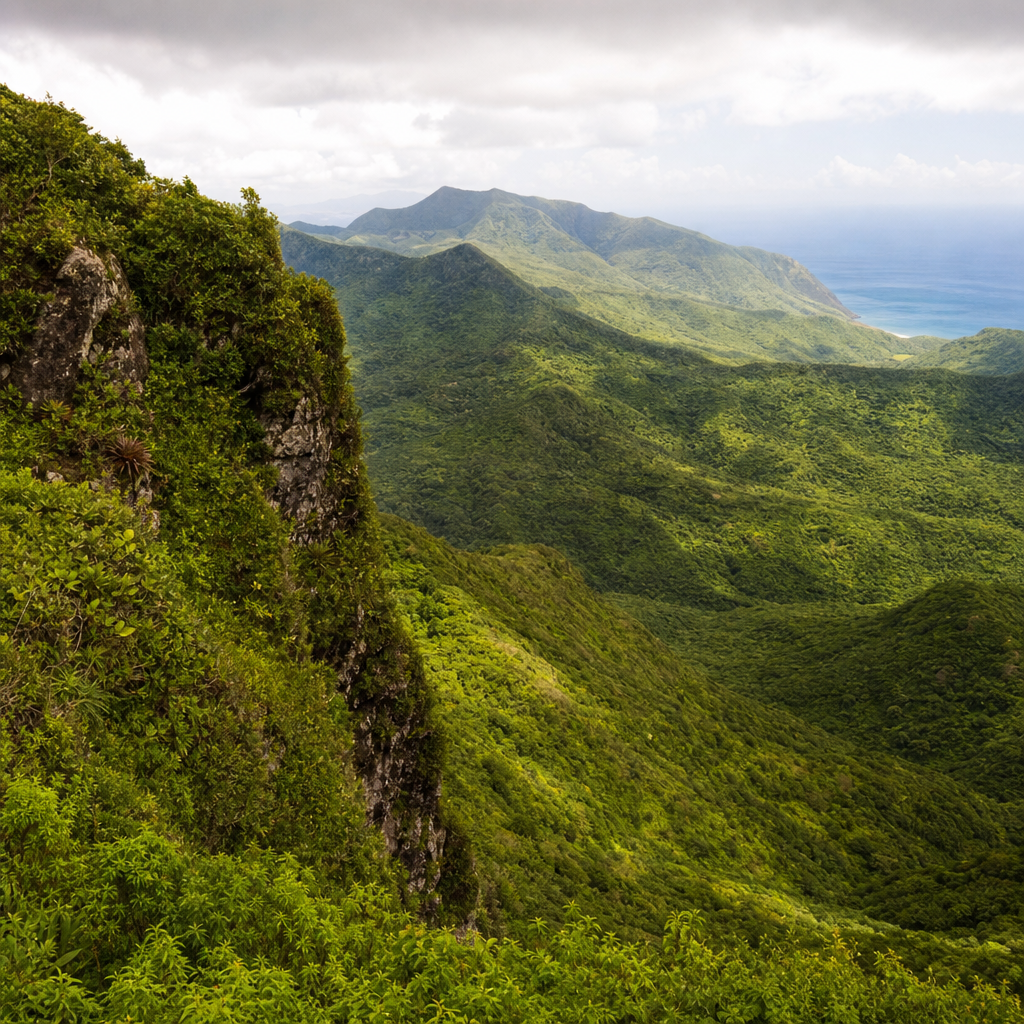
The backbone of wild Saint Kitts is volcanic. Mount Liamuiga shapes rainfall patterns, soils, drainage, and vegetation across the island. Its upper slopes hold moist tropical forest, tree ferns, lianas, and epiphytes, while lower elevations transition through secondary woodland, overgrown agricultural land, and grassier edges. One reason the interior feels uncharted to many visitors is historical land use. Former sugar estates once occupied broad lowland areas, but after the industry contracted, many access roads, aqueduct lines, and service paths fell into partial disuse and were gradually reclaimed by vegetation. Today these routes create a patchwork of exploration opportunities for hikers, naturalists, and birders.
The most famous inland adventure is the Mount Liamuiga hike. Guides usually begin from Belmont Estate or nearby access points, leading groups through farmland remnants into increasingly dense forest. The trail is physically demanding, often muddy, and rooted with volcanic rock steps. Near the summit crater, cloud cover can reduce visibility quickly, but in clear conditions the vantage is extraordinary, with views toward neighboring islands including Sint Eustatius and Saint Barths. The ecological interest is just as important as the view. Elevation changes compress habitat transitions into a single day, allowing visitors to observe how moisture, temperature, and exposure alter plant structure and animal activity.
Less publicized are the ghauts and interior ridges outside the marquee summit route. Ghauts are steep-sided ravines that channel runoff during heavy rain and create cooler, sheltered microhabitats. These areas often host denser vegetation and attract birdlife because they provide water, food, and cover. Walking old estate tracks near Spooner’s, Lodge, or Phillips can reveal giant bamboo stands, fruiting trees that draw monkeys and birds, and old stoneworks now wrapped in vines. These are not wilderness in the strict untouched sense; they are rewilded cultural landscapes, and that combination is what makes Saint Kitts especially interesting.
Visitors should treat inland exploration seriously. Trails can be slick, cell coverage can be inconsistent, and unofficial routes may cross private or semi-managed land. Hiring a local guide is not just a tourism add-on; it is the safest and most informative way to travel. Experienced guides know weather windows, wasp-prone sections, loose footing zones, and where heritage remnants such as windmill towers, cisterns, and estate foundations intersect with forest habitat. They also read subtle signs that casual walkers miss, from fresh monkey movement to recent washouts after rain. On Saint Kitts, the best nature travel usually begins with local knowledge.
Wildlife You Can Actually See on Saint Kitts
Saint Kitts does not market itself as an African-style megafauna destination, and that is exactly why expectations should be calibrated around realistic wildlife encounters. The island’s most visible mammal is the green vervet monkey, introduced centuries ago and now widespread. They are frequently seen along roadsides, estate ruins, fruiting trees, and forest margins, especially in the early morning and late afternoon. They are charismatic and photogenic, but they are also opportunistic feeders, so visitors should never offer food. Feeding alters behavior, increases conflict with farms, and encourages aggressive approaches around picnic spots and scenic overlooks.
Birdlife is more varied than many first-time visitors expect. Common sightings include brown pelicans, magnificent frigatebirds, cattle egrets, herons, bananaquits, and several shorebirds depending on season. Offshore and coastal areas can produce terns and other seabirds, while wetter inland pockets attract species that prefer cover and reliable food sources. During migration periods, Saint Kitts becomes even more rewarding for birders because transient species use Caribbean islands as stopover habitat. Quiet observation around ponds, salt flats, mangrove edges where present, and less-disturbed coast can be surprisingly productive even without a formal hide or reserve infrastructure.
Reptiles and smaller fauna reward patient visitors. Anoles are common, and geckos are regularly seen around buildings and forest edges. Invertebrate life, including butterflies, moths, land crabs in some coastal zones, and pollinating insects, plays a major ecological role that travelers often overlook. Bats also contribute significantly through pollination, seed dispersal, and insect control, though they are more likely to be detected at dusk than clearly seen. The key point is that wildlife viewing on Saint Kitts is habitat-led rather than attraction-led. Instead of one guaranteed encounter point, success comes from spending time in the right environment at the right hour.
| Habitat | Likely Sightings | Best Time | What to Know |
|---|---|---|---|
| Forest edge and old estate roads | Vervet monkeys, bananaquits, lizards | Early morning | Quiet movement improves sightings; avoid feeding wildlife |
| Upper mountain trails | Forest birds, insects, dense plant life | Morning in drier weather | Cloud and mud are common; use a guide |
| Coastal bays and rocky shore | Pelicans, frigatebirds, shorebirds | Morning or late afternoon | Wind exposure changes viewing conditions |
| Snorkeling reefs and seagrass areas | Parrotfish, sergeant majors, sea fans, turtles occasionally | Calm seas with good visibility | Choose licensed operators familiar with currents |
Coastlines, Reefs, and the Island’s Lesser-Known Marine Side
The wild side of Saint Kitts continues offshore. The island’s marine environments vary significantly depending on coastline orientation, seabed structure, and weather exposure. On the Caribbean side, calmer conditions often support accessible snorkeling and small-boat excursions. On the Atlantic side and around exposed points, wave action and current can create a rougher, less forgiving environment that is beautiful but not always suitable for casual swimmers. This contrast matters because many visitors assume all tropical beaches function the same way. They do not. Reading the water is essential on Saint Kitts.
Among the better-known natural marine areas is White House Bay on the Southeast Peninsula, valued for clear water, volcanic scenery, and reef-associated marine life. Conditions can still vary, especially with wind, but on a good day snorkelers may see reef fish, sea fans, coral structures, and occasionally turtles. Boat charters also reach quieter coves and offshore spots that are difficult to access overland. What makes these outings worthwhile is not only the chance of wildlife encounters, but also the explanation of habitat. A good operator will identify seagrass beds, reef slope transitions, and signs of storm impact or coral stress, turning a swim into a real ecology lesson.
Marine exploration should also include the island’s coastline as a landscape in itself. Black-sand beaches, rocky inlets, and wave-cut formations reveal Saint Kitts’ volcanic origin more clearly than manicured resort strands do. Places along the peninsula and around less-developed bays can feel remote even when they are not far from the main road. Photographers often do best here around golden hour, when side light defines the textures of lava-derived stone and coastal vegetation. For families or casual travelers, these same sites offer tidepool-style observation of crabs, shells, and nearshore fish without the commitment of a long trek.
Because marine ecosystems are under pressure across the Caribbean, responsible behavior matters. Avoid standing on coral, touching sea fans, collecting shells from sensitive areas, or using sunscreens that wash off heavily in enclosed bays. Operators who follow mooring best practices, maintain safety standards, and limit wildlife disturbance are worth choosing even if they cost more. The marine side of Saint Kitts remains one of its strongest assets precisely because significant stretches still feel relatively uncrowded. Keeping them that way depends on small decisions made by individual visitors.
How to Explore Responsibly, Safely, and with Better Results
Successful nature travel on Saint Kitts is less about chasing a checklist and more about matching activities to conditions. Start with seasonality and weather. The island is warm year-round, but rainfall patterns influence trail mud, stream flow, insect activity, and visibility from higher elevations. After heavy rain, forest hikes can become technically harder and some routes may be unsuitable without guidance. During drier spells, lower coastal walks are easier, but wildlife may concentrate around more sheltered or watered areas. Early starts are consistently the best strategy because temperatures are cooler, bird activity is higher, and afternoon cloud buildup is more likely inland.
Gear should be simple but specific. For inland routes, wear grippy hiking shoes, carry more water than you think you need, and protect electronics from humidity and sudden rain. Binoculars are more valuable than a long camera lens for many travelers because they improve birding and reef-edge scanning without adding much weight. For marine outings, rash guards, reef-safe sun protection, and dry bags are useful. If you are booking guides, ask direct questions: Is transport included? How strenuous is the trail? Are walking sticks provided? What is the guide-to-guest ratio? Clear answers usually indicate a professional operation.
Responsible exploration also means understanding that some places should remain lightly used. Not every overgrown track needs social media exposure, and not every wildlife location benefits from increased traffic. I have repeatedly found that destinations retain their value longest when visitors focus on observation rather than conquest. Stay on established paths where possible, keep noise low, pack out all waste, and respect gates, signs, and local instructions. If you want the island’s wild side to stay wild, support guides, community businesses, and conservation-minded operators who treat landscapes as assets to steward rather than scenery to consume.
As a miscellaneous hub within the broader nature and wildlife topic, this guide should point you toward deeper exploration across Saint Kitts rather than replace it. Use it to plan hikes, compare coastlines, identify likely wildlife encounters, and build an itinerary that includes both mountain and marine environments. The main takeaway is straightforward: the real richness of Saint Kitts lies beyond the obvious. Volcanic forests, estate ruins reclaimed by vines, seabird coastlines, and reef-fringed bays combine to create one of the Caribbean’s most layered small-island landscapes. Choose one lesser-known trail, one local guide, and one quiet bay, and you will begin to see the island differently.
Frequently Asked Questions
What does “the wild side” of Saint Kitts actually refer to?
The wild side of Saint Kitts refers to the parts of the island that exist beyond the polished beach strips, busy cruise arrivals, and well-photographed plantation landmarks. It includes the rainforest-covered interior, steep volcanic slopes, windswept ridgelines, black-sand bays, thorny coastal scrub, offshore reef systems, and old estate tracks that reveal a more textured and less curated version of the island. In many places, this landscape feels remote not because it is untouched by history, but because it is less frequently explored by casual visitors.
What makes these areas so compelling is the contrast they offer. Within a relatively small island, travelers can move from humid mountain forest to dry coastal terrain, from quiet fishing settlements to dramatic Atlantic-facing coves. Along the way, they may encounter green vervet monkeys at first light, hear tree frogs and birds in the canopy, or discover traces of the island’s colonial and agricultural past hidden along forgotten roads. In this sense, Saint Kitts’ wild side is both ecological and historical. It is a place where natural forces and human stories overlap in ways that feel immediate, vivid, and far more adventurous than the island’s standard postcard image.
Which landscapes and natural areas best showcase uncharted Saint Kitts?
Several parts of Saint Kitts stand out for travelers who want to experience the island’s lesser-known terrain. The central mountain region is one of the most important. This elevated interior, shaped by volcanic activity and sustained by frequent rain, supports dense tropical vegetation, steep trails, and panoramic viewpoints. Mount Liamuiga is the most famous landmark in this zone, but the surrounding slopes and forested ridges are equally important in understanding the island’s rugged character. These uplands offer a cooler climate, richer biodiversity, and a sense of immersion that is very different from the coast.
The island’s black-sand coves and dramatic shorelines also reveal its untamed side. These beaches are reminders of Saint Kitts’ volcanic origins and often feel more elemental than the soft, resort-adjacent sands most visitors expect in the Caribbean. In addition, the southeastern peninsula presents a striking mix of dry scrubland, salt ponds, and sweeping sea views. This region is more open and wind-shaped, with a raw beauty that contrasts strongly with the greener interior. Offshore, reefs and nearshore marine habitats add another layer to the island’s wild geography, particularly for snorkelers and divers interested in coral communities, fish life, and coastal ecosystems. Together, these environments show that Saint Kitts is not defined by a single landscape, but by a surprisingly diverse range of terrains packed into one island.
Is exploring Saint Kitts’ lesser-known areas safe for independent travelers?
Exploring the lesser-known parts of Saint Kitts can be safe and rewarding, but it requires preparation, awareness, and respect for local conditions. The island’s wild areas are not necessarily dangerous in an extreme sense, yet they are often less developed, less signposted, and less forgiving than the main tourist corridors. Trails may become muddy or steep after rain, old estate roads may be uneven or overgrown, and remote coves may have limited facilities or cell coverage. For this reason, travelers should avoid assuming that a short distance on the map means an easy outing on the ground.
The best approach is to combine curiosity with caution. Wear proper footwear, bring water, sun protection, insect repellent, and let someone know your plans if heading into remote areas. Hiring a knowledgeable local guide is often the smartest option, especially for hikes into the mountain interior or routes that pass through historical estate lands and less obvious paths. Guides do more than provide navigation; they add ecological, cultural, and historical context that turns a scenic excursion into a richer experience. Independent travelers can absolutely enjoy Saint Kitts beyond the usual stops, but they should do so with the understanding that wild places reward preparedness. A thoughtful approach helps ensure the journey remains memorable for the right reasons.
What wildlife and natural features might visitors encounter off the beaten path?
One of the great pleasures of exploring wild Saint Kitts is the variety of life and landforms visitors can encounter in a relatively compact area. Green vervet monkeys are among the most recognizable animals on the island, and early morning is often the best time to spot them along estate roads, forest edges, and quieter rural zones. Birdlife is also part of the experience, especially in wooded and coastal habitats where different species take advantage of the island’s varied environments. In the rainforest and mountain zones, travelers may notice a chorus of insects and frogs, thick mossy growth, and layered vegetation shaped by consistent moisture and volcanic soils.
Along the coast, the natural features change quickly. Black-sand beaches, rocky inlets, sea cliffs, and scrub-covered headlands reveal the island’s geologic origins and exposure to wind and surf. In offshore waters, reefs support marine life that can often be observed while snorkeling or diving, depending on weather and water clarity. Seasonal conditions also influence what visitors see, from greener slopes during wetter periods to drier, more open coastal scenery at other times of year. What is most striking is how closely all of these features coexist. Saint Kitts offers a compact but dynamic natural world where volcanic history, tropical climate, and coastal ecosystems combine to create an experience that feels far larger than the island’s size suggests.
How can travelers explore Saint Kitts responsibly while preserving its wild character?
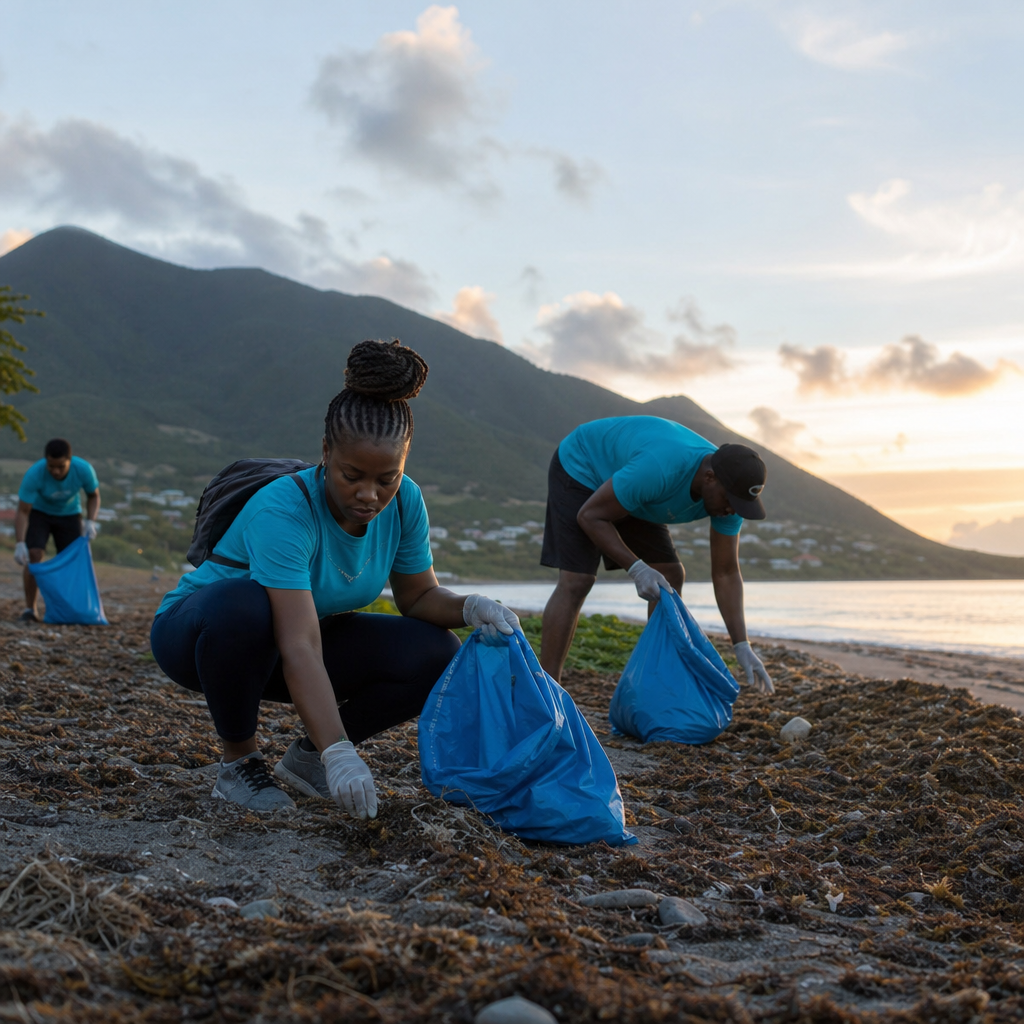
Responsible exploration begins with understanding that Saint Kitts’ wild places are not simply attractions; they are living ecosystems and culturally meaningful landscapes. Travelers can help preserve them by staying on established paths where possible, avoiding the removal of plants, shells, or historical objects, and minimizing litter of any kind. Even seemingly minor actions matter in sensitive environments such as reefs, black-sand coves, and mountain trails. Respecting wildlife is equally important. Vervet monkeys and other animals should be observed from a distance rather than fed or approached, since human interaction can disrupt natural behavior and create longer-term problems for both animals and communities.
It is also worth supporting local knowledge and local stewardship. Choosing local guides, community-based tours, and businesses that value conservation helps keep tourism connected to the people who know the island most intimately. Travelers should ask permission when crossing private or estate lands, follow guidance about weather and trail conditions, and recognize that some areas may be culturally sensitive or ecologically fragile. Responsible travel on Saint Kitts does not diminish adventure; it deepens it. When visitors move carefully, listen well, and treat the island as more than a backdrop, they are better able to experience the very quality that makes these uncharted territories special: their authenticity, complexity, and enduring wildness.