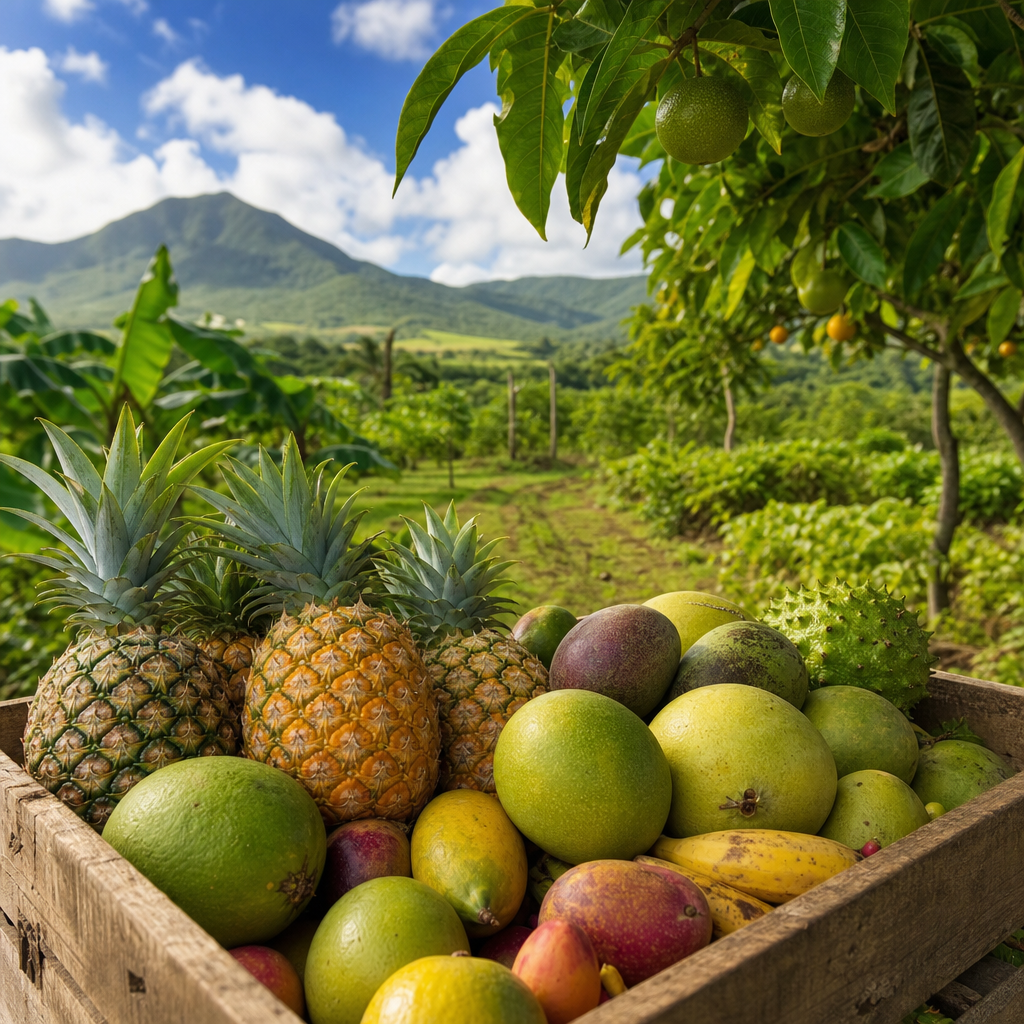
Saint Kitts’ fruit harvest season turns the island’s hillsides, village yards, and roadside stalls into a living map of abundance. From June through early autumn, mangoes drop heavy from old trees, sugar apples split open in the heat, guavas perfume the air, and soursop, tamarind, papaya, bananas, coconuts, and breadfruit move from backyard gardens to market tables. In Saint Kitts, fruit harvest season is more than a moment of agricultural productivity. It is a practical expression of climate, ecology, food culture, and rural memory, shaped by rainfall patterns, volcanic soils, family growing traditions, and the rhythms of local trade.
For travelers, gardeners, and readers exploring Saint Kitts under the wider theme of nature and wildlife, fruit harvest season offers a useful hub because it connects many parts of the island’s environment at once. It reveals how cultivated trees support birds, bats, insects, and soil life; how villages still depend on mixed home gardens; and how seasonal produce appears in juices, jams, stews, desserts, and roadside snacks. The term fruit harvest season here refers to the months when common tropical fruits reach peak ripeness and are gathered for fresh eating, cooking, preserving, or selling. The exact timing changes by elevation, rainfall, storm activity, and variety, but the overall pattern is consistent enough to shape local expectations every year.
This matters because fruit season is one of the clearest ways to understand Saint Kitts beyond beaches and cruise itineraries. I have seen visitors notice the island differently once they start identifying a mango cultivar, asking why vervet monkeys raid trees at dawn, or learning why breadfruit and coconut remain staples in both everyday meals and emergency food planning. A harvest calendar also helps travelers know what to taste, helps photographers know what landscapes to seek, and helps anyone interested in sustainability appreciate the value of local food systems. When you understand the island through its fruits, you also understand weather, land use, wildlife interactions, and the everyday resourcefulness that defines Kittitian life.
The climate and landscapes behind Saint Kitts’ fruit harvest season
Saint Kitts is a volcanic island with fertile soils, warm temperatures through the year, and wet-dry seasonal variation that strongly influences flowering and fruiting. The central mountain range, anchored by Mount Liamuiga, catches moisture, creating greener interior slopes and a gradient of microclimates from rainforest margins to drier coastal belts. Many fruit trees thrive because they are adapted to tropical heat but respond differently to rainfall and water stress. Mangoes often flower after a relatively dry spell. Soursop appreciates warmth and moisture but dislikes waterlogging. Breadfruit performs well in deep, well-drained soils. Bananas and plantains need steady moisture and wind protection, which is why sheltered gullies and backyard plots are common planting sites.
These conditions create a staggered harvest rather than a single uniform peak. On one side of the island, a tree may ripen earlier because of sun exposure or lower elevation. In upland communities, cooler nights and more cloud cover can slow development slightly. Local growers watch the trees closely rather than relying on a fixed date. They look for color change, shoulder fill, scent, natural fruit drop, and animal activity. If bats start visiting a sapodilla tree heavily, ripeness is near. If a mango begins dropping before full yellow color, growers may pick it mature-green and finish ripening indoors to avoid bruising, insect damage, or monkey losses.
The island’s environmental history also matters. Large-scale sugar cultivation once dominated land use, but the decline of the sugar industry opened space for diversified agriculture, home gardens, and small mixed holdings. Today, fruit production in Saint Kitts is often decentralized. Instead of massive commercial orchards, many fruits come from household yards, small farms, village commons, and long-established trees that have outlived property changes. That scattered pattern gives harvest season a distinctly local feel. Abundance appears in many places at once: a roadside cooler filled with guava juice, a neighbor giving away surplus mangoes, or a market vendor selling tamarind balls made from fruit gathered the same week.
What fruits are in season and when to expect them
No two years are identical, but Saint Kitts’ fruit harvest season typically intensifies from late spring into summer and extends into early autumn for several species. Mango is the headline fruit, with multiple varieties ripening across several weeks. Some are fibrous and strongly aromatic, ideal for juices and chutneys. Others are smoother-fleshed and eaten out of hand. Alongside mango comes guava, often used for jams, jellies, and drinks because of its intense fragrance and pectin content. Sugar apple and soursop follow important summer patterns, while papaya, banana, coconut, and breadfruit are available more broadly across the year, with recognizable seasonal peaks.
Tamarind usually arrives slightly differently because people often value it at multiple stages. Green tamarind can be used tart, while fully mature pods become the base for sweet tamarind balls, sauces, and drinks. Golden apple, also called June plum in many Caribbean islands, lives up to its common name by appearing around the early summer period. West Indian cherry, also known as acerola, can fruit multiple times with rain, offering bursts of vitamin C-rich harvests. Avocado is not always associated first with fruit season tourism, yet local avocado harvests are significant because they anchor savory meals and show how broad the island’s edible tree culture really is.
| Fruit | Typical Peak in Saint Kitts | Common Uses |
|---|---|---|
| Mango | June to August | Fresh eating, juice, chutney, preserves |
| Guava | July to September | Jam, jelly, juice, desserts |
| Soursop | Mid-summer to early autumn | Juice, ice cream, fresh pulp |
| Sugar apple | Summer | Fresh eating |
| Tamarind | Late spring to summer | Snacks, drinks, sauces |
| Golden apple | June to July | Chow, juice, preserves |
| Breadfruit | Summer and early autumn peaks | Roasting, boiling, frying |
This seasonality is best treated as a guide, not a promise. Tropical fruiting responds to drought, storms, pruning, and pest pressure. A heavy rain event during flowering can reduce fruit set. Strong winds can strip immature breadfruit or mango. Extended dry conditions may improve flowering in one species while stressing another. That variability is part of what makes the season feel alive. People ask not only what month it is, but whether the rains came on time, whether the monkeys were bad this year, and which district has the sweetest fruit right now.
How harvest season connects to daily life, food culture, and local trade
In Saint Kitts, seasonal fruit is woven into ordinary routines rather than treated as a niche luxury. During peak mango weeks, offices, schools, and family homes often become informal exchange points. Someone arrives with a bag of extra fruit from a relative’s yard, and by afternoon half of it has been shared. Roadside vendors adjust quickly to gluts, selling peeled mangoes, chilled coconut water, guava cheese, tamarind sweets, or bottles of homemade juice. The market value of fruit can fluctuate sharply during abundant weeks, but cultural value rises at the same time because recipes, memories, and neighborly exchange all intensify.
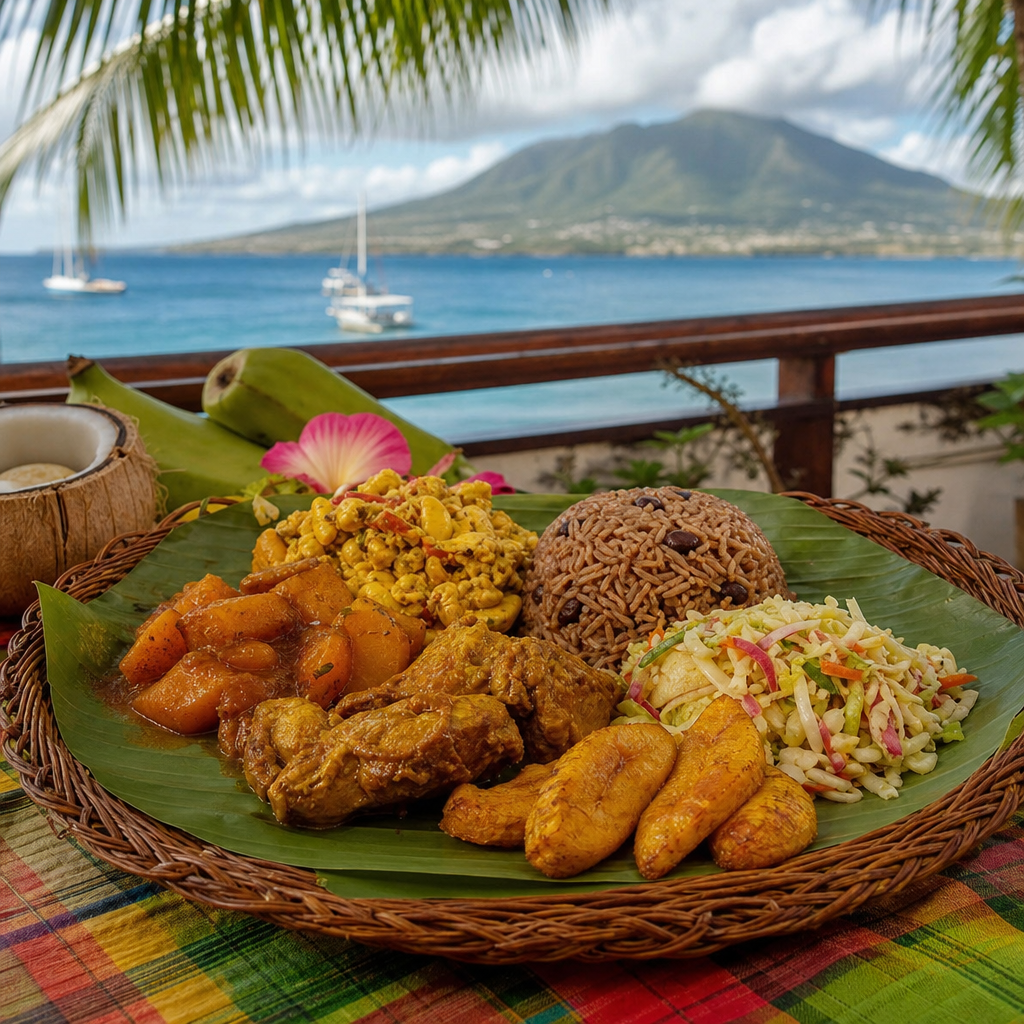
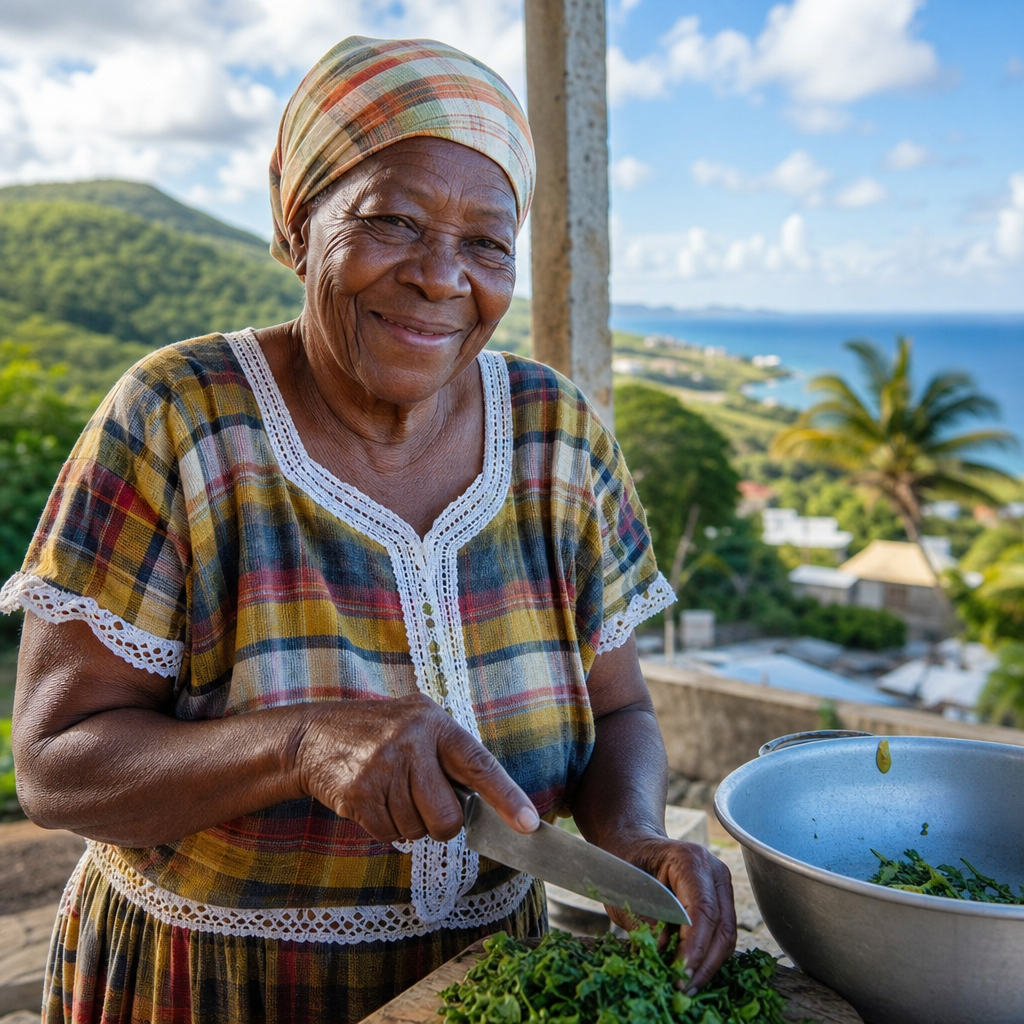
Food traditions explain why harvest season matters beyond fresh eating. Green mango becomes chow with pepper, salt, and herbs. Ripe mango turns into juice, smoothies, and thick preserves. Breadfruit is roasted over open flame or boiled as a starch alongside fish and stewed meats. Soursop pulp flavors drinks and frozen desserts. Guava becomes jam because its natural pectin helps it set well, a practical preservation method long used across the Caribbean. Tamarind is transformed into sticky sweet-sour snacks that keep longer than fresh pulp and travel well. These preparations reduce waste and stretch the usefulness of a short seasonal surplus.
Harvest season also supports small-scale livelihoods. A household with several mature trees may not be a formal farm, yet surplus fruit can become real income through direct sales, prepared foods, or supply to local shops. This kind of micro-enterprise is common in island economies where land parcels are small and mixed production is practical. It also strengthens food resilience. When imported produce is expensive or shipping is disrupted, local fruit remains available through home gardens and community networks. That resilience became especially clear across the Caribbean whenever storms, freight issues, or price spikes exposed the vulnerability of import dependence.
Wildlife, ecology, and the hidden environmental value of fruit trees
As a nature and wildlife hub topic, fruit harvest season is valuable because cultivated trees are part of the island’s broader ecological web. Fruiting trees feed pollinators during flowering and then support birds, bats, insects, and mammals when fruit develops. On Saint Kitts, vervet monkeys are famous agricultural opportunists, often raiding mangoes, papayas, and other soft fruits. Their presence creates frustration for growers, but it also highlights how closely human food landscapes overlap with wildlife habitat. The same tree that feeds a family can also feed a monkey troop, visiting birds, and nectar-seeking insects across different stages of its yearly cycle.
Birds benefit directly from fruiting species, especially in mixed gardens where native and introduced plants coexist. Bats, often overlooked by visitors, are essential nighttime consumers and seed dispersers for many tropical ecosystems. Even where bats damage marketable fruit, they remain part of the ecological processes that sustain island biodiversity. Fruit trees also provide shade, reduce soil erosion, cycle organic matter through leaf fall, and create cooler microclimates around homes. In a hot Caribbean setting, that shade has human value as well as ecological value. A mature mango tree can lower surface temperatures around a yard while producing food for decades.
There are tradeoffs. Non-native species can spread aggressively in some contexts, and wildlife conflict is real. Fruit flies, fungal diseases, and opportunistic mammals can reduce usable harvests. Good management matters: pruning for airflow, collecting fallen fruit, using sanitation to limit pest buildup, and protecting young trees from grazing and storm damage. Still, the overall environmental contribution of diverse fruit tree cover is substantial. Compared with bare ground or purely ornamental landscaping, productive tree gardens support richer biological activity and stronger household food security at the same time.
How visitors can experience Saint Kitts’ fruit harvest season well
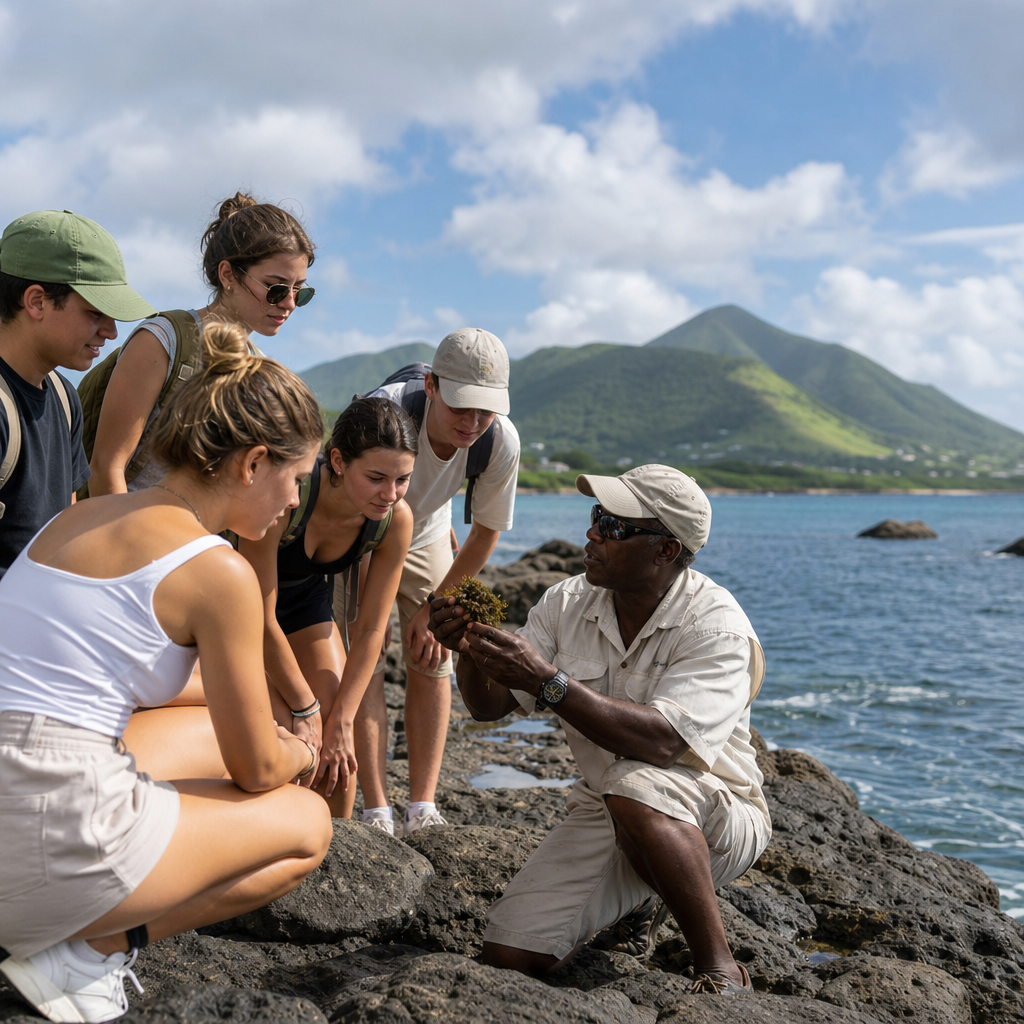
The best way to experience Saint Kitts’ fruit harvest season is to treat it as a sensory field guide rather than a shopping list. Visit public markets early, ask vendors what is truly local that week, and learn the names people actually use. One stall may call a fruit golden apple, another June plum. A vendor might distinguish between mango varieties by texture, fiber, or where the tree grows. These conversations usually reveal more than any brochure. If you stay in a guesthouse or villa, ask whether there are fruit trees on the property and whether ripe fruit can be picked or gathered from the ground.
Travelers should also know the etiquette. Do not pick from roadside or yard trees without permission, even when branches overhang public space. Many trees are on private land, and surplus visible from the road is not an invitation. Buying directly from local sellers is the simplest way to support the season respectfully. If you are photographing harvest scenes, ask before taking close images of vendors or private gardens. When tasting, expect variation. A tree-ripened mango from one district may be deeply sweet and almost floral, while another from a drier site may be firmer and more resinous. That diversity is the point, not a flaw.
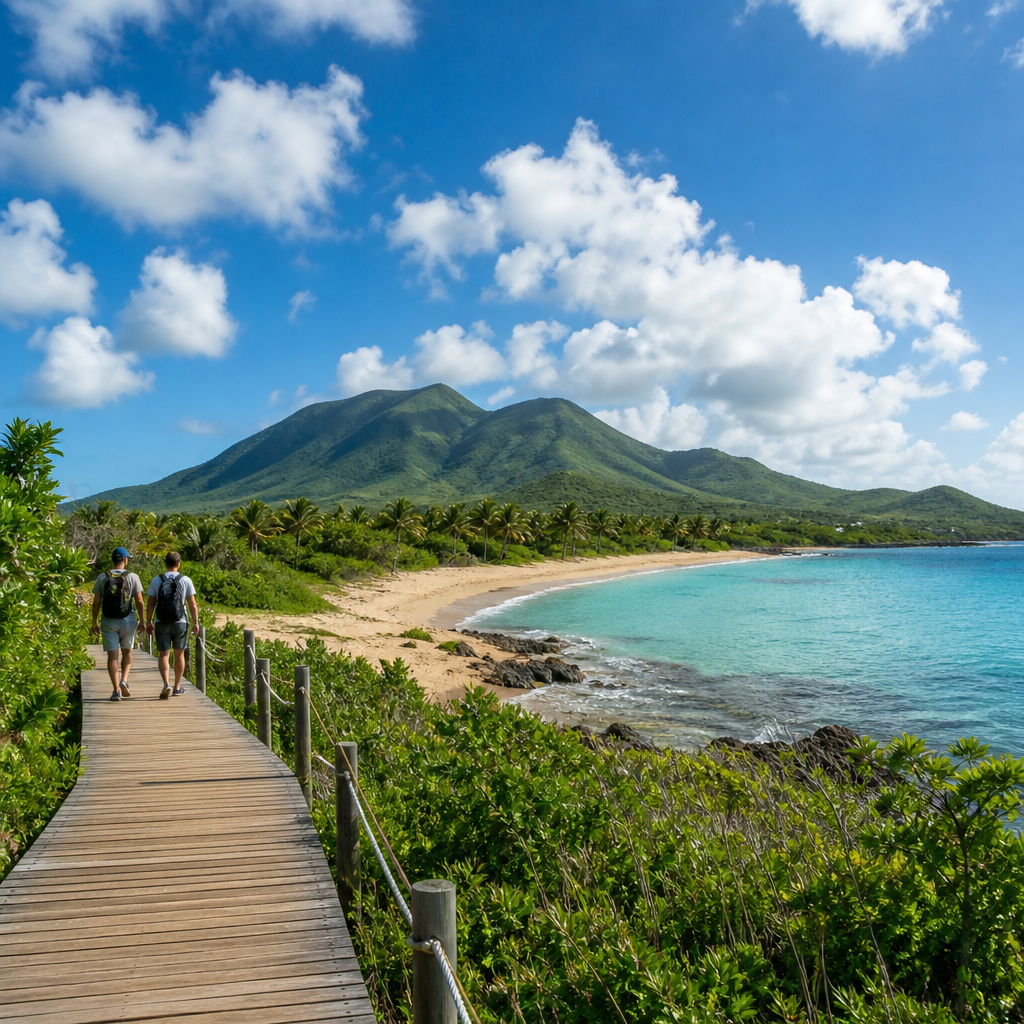
For a deeper experience, connect fruit season with wider island exploration. A morning hike in the greener interior can be followed by market browsing in Basseterre. Visits to community events, farm tours, botanical spaces, or rural food stops often reveal how fruit moves from tree to table. If you cook where you stay, buy small amounts of several fruits and compare them fresh, juiced, and chilled. Keep expectations seasonal and flexible. The reward of engaging fruit harvest season in Saint Kitts is not just tasting one famous item. It is understanding the island as a working, fruit-bearing landscape shaped by weather, wildlife, and people.
Saint Kitts’ fruit harvest season is one of the island’s clearest windows into nature’s bounty because it gathers climate, culture, ecology, and everyday economics into a single vivid experience. Mangoes, guavas, soursop, tamarind, breadfruit, papaya, and other seasonal staples are not isolated attractions. They are signs of fertile volcanic land, localized knowledge, resilient home gardens, and a food culture that knows how to use abundance well. They also reveal the living relationship between cultivated spaces and wildlife, from pollinators and bats to the ever-present vervet monkeys that test every grower’s patience.
As a hub within the wider nature and wildlife theme, this topic points outward to many related stories: backyard agriculture, tropical tree ecology, market culture, traditional preservation methods, seasonal travel planning, and human-wildlife interaction. Understanding harvest season helps make sense of what visitors see on roadsides, in villages, and on plates. It explains why certain drinks appear at one time of year, why elders care about old fruit trees, and why local abundance remains important even in a tourism-driven economy. Few subjects connect the natural and human landscape of Saint Kitts as efficiently as fruit does.
If you want to experience the island more fully, plan around the harvest, ask questions at the market, taste what is ripe, and follow the trail from tree to table. Saint Kitts will make more sense once you see its seasons in fruit.
Frequently Asked Questions
When is fruit harvest season in Saint Kitts, and what fruits are typically available?
Fruit harvest season in Saint Kitts generally builds from June and continues through early autumn, when warm temperatures, seasonal rainfall, and rich tropical growing conditions bring a wide variety of fruits into abundance. During this period, mangoes are often the most visible and celebrated crop, hanging heavily from mature trees in village yards, on hillsides, and near rural roads. Sugar apples, guavas, soursop, tamarind, papaya, bananas, coconuts, and breadfruit also become more widely available, moving from home gardens and small plots to roadside stalls, produce vendors, and local market tables.
Although the season is often spoken of as a single harvest period, availability can vary slightly by microclimate, elevation, rainfall, and the age of individual trees. Some fruits may appear earlier in one district and later in another. This is especially true in an island setting where backyard cultivation plays a major role in food supply. In practical terms, visitors and residents can expect the greatest variety and freshness in mid-year through the early fall months, when the island feels especially alive with picking, sharing, selling, and preserving fruit.
Why is Saint Kitts’ fruit harvest season considered so important beyond agriculture?
In Saint Kitts, fruit harvest season represents far more than a period of high agricultural output. It reflects the close relationship between climate, land, household food traditions, and community life. Much of the island’s fruit culture is rooted in backyard growing rather than large-scale industrial production, so harvest season becomes visible in everyday spaces: family yards, roadside baskets, neighborhood exchanges, and village markets. When fruit comes in heavily, it is not unusual for people to share with relatives, friends, neighbors, and coworkers, reinforcing social ties as much as supplying food.
The season also carries economic, culinary, and cultural importance. Vendors benefit from increased supply, households enjoy more affordable access to fresh produce, and cooks make use of ripe fruit in juices, desserts, preserves, sauces, and everyday meals. Traditional knowledge also becomes more active during this time, including how to judge ripeness, how to store fruit in tropical heat, how to use fruit at different stages, and how to prevent waste through drying, freezing, stewing, or jam-making. In that sense, harvest season serves as a living expression of local resilience, seasonal awareness, and food heritage.
Where can visitors and locals find the freshest fruit during harvest season in Saint Kitts?
The freshest fruit in Saint Kitts during harvest season is often found in a combination of roadside stalls, public markets, village vendors, and direct-from-yard sales. Roadside stands are especially important because they frequently offer fruit that was picked very recently, sometimes the same morning. These stalls often reflect hyper-local abundance, meaning the selection changes depending on what is ripening in the surrounding area. A basket full of mangoes one week may be joined by guavas, tamarind, sugar apples, or coconuts the next.
Local markets are another excellent source, particularly for those who want variety in one place. They provide the chance to compare ripeness, ask questions, and buy fruit suited for immediate eating or for taking home to cook. In many cases, the best buying strategy is to speak directly with vendors, who can often explain where the fruit came from, whether it is ready to eat, and how best to store or prepare it. For travelers, buying locally also offers a more authentic connection to the island’s seasonal rhythms and supports small-scale growers and sellers who form an essential part of Saint Kitts’ food economy.
How are fruits from Saint Kitts’ harvest season commonly eaten and used?
One of the most appealing aspects of Saint Kitts’ fruit harvest season is the sheer versatility of the produce. Many fruits are eaten fresh at peak ripeness, often simply sliced, peeled, or chilled. Mangoes may be enjoyed straight from the hand, guavas may be eaten raw or turned into juice, and sugar apples are commonly split open and scooped out. Soursop is often blended into drinks or used in desserts, while tamarind can be transformed into sweet-tart refreshments, syrups, or candies. Papaya and bananas are regular kitchen staples, and coconuts provide both water and flesh for drinking, cooking, and baking.
Beyond fresh consumption, harvest season encourages preservation and creative household cooking. Extra fruit may be made into jams, jellies, stews, punches, ice treats, and baked goods. Breadfruit, while technically different in culinary use from sweet fruits, is also central to seasonal abundance and is commonly roasted, boiled, or fried as a hearty accompaniment to meals. In many homes, using fruit well is part of practical island living: ripe fruit is eaten quickly, slightly overripe fruit becomes juice or preserves, and surplus produce is shared rather than wasted. This flexible use of seasonal ingredients is a hallmark of Saint Kitts’ food culture.
What should visitors know if they want to experience Saint Kitts’ fruit harvest season authentically?
Visitors who want an authentic experience of Saint Kitts’ fruit harvest season should approach it as both a food experience and a cultural one. The best way to engage is to buy fruit where locals buy it, ask questions, and remain open to trying varieties at different stages of ripeness. Not every fruit will look supermarket-perfect, but that is often part of the appeal; local produce is frequently less standardized and more seasonally real, with flavor taking priority over uniform appearance. Asking a vendor what is sweetest that day, what should be eaten immediately, or what is best for juice can lead to memorable discoveries.
It is also helpful to understand that seasonality on the island is dynamic rather than rigid. Weather patterns may affect timing, and fruit availability can shift quickly. Visitors should be flexible, curious, and willing to explore village areas, roadside stands, and market spaces instead of relying only on hotel or imported selections. Respect for local customs matters as well, especially when fruit is growing in private yards or residential spaces; it is always best to ask before picking or photographing produce on someone’s property. Experiencing the season authentically means noticing how deeply fruit is woven into daily life in Saint Kitts: not just as produce, but as hospitality, memory, livelihood, and a visible sign of the island’s natural bounty.