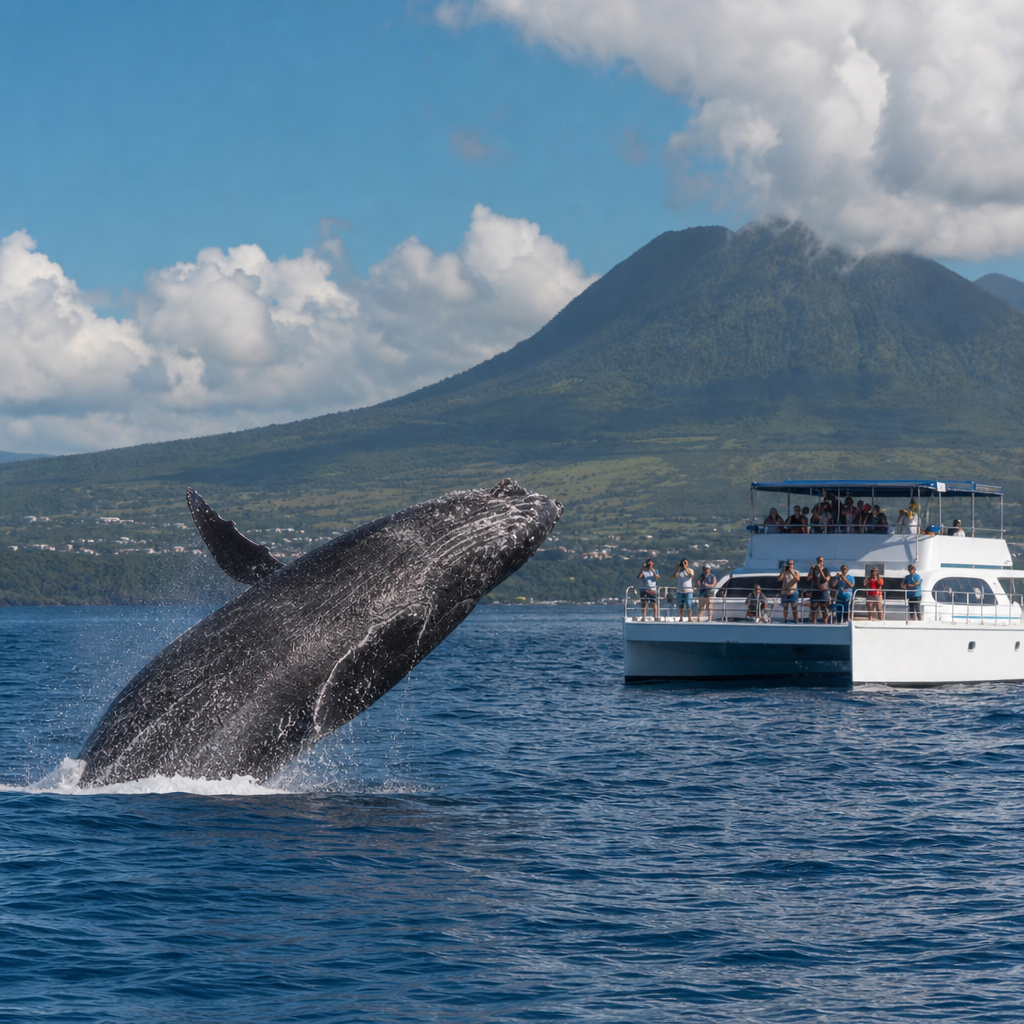
Watching the whales in Nevis in March is one of the Caribbean’s most memorable wildlife experiences, combining warm trade-wind weather, seasonal marine migration, and remarkably intimate encounters with some of the largest animals on Earth. In practical terms, whale watching in Nevis means joining a licensed boat excursion from the island or nearby St. Kitts to look for migrating humpback whales, resident dolphins, and occasional sperm whales in the deep channels surrounding the federation. March matters because it sits near the heart of the eastern Caribbean humpback season, when whales move through warmer waters to breed, calve, and nurse before returning north. I have planned marine wildlife itineraries across the Lesser Antilles, and Nevis consistently stands out because sightings often come with uncrowded boats, short transfer times, and a dramatic volcanic backdrop that turns every breach into a postcard scene.
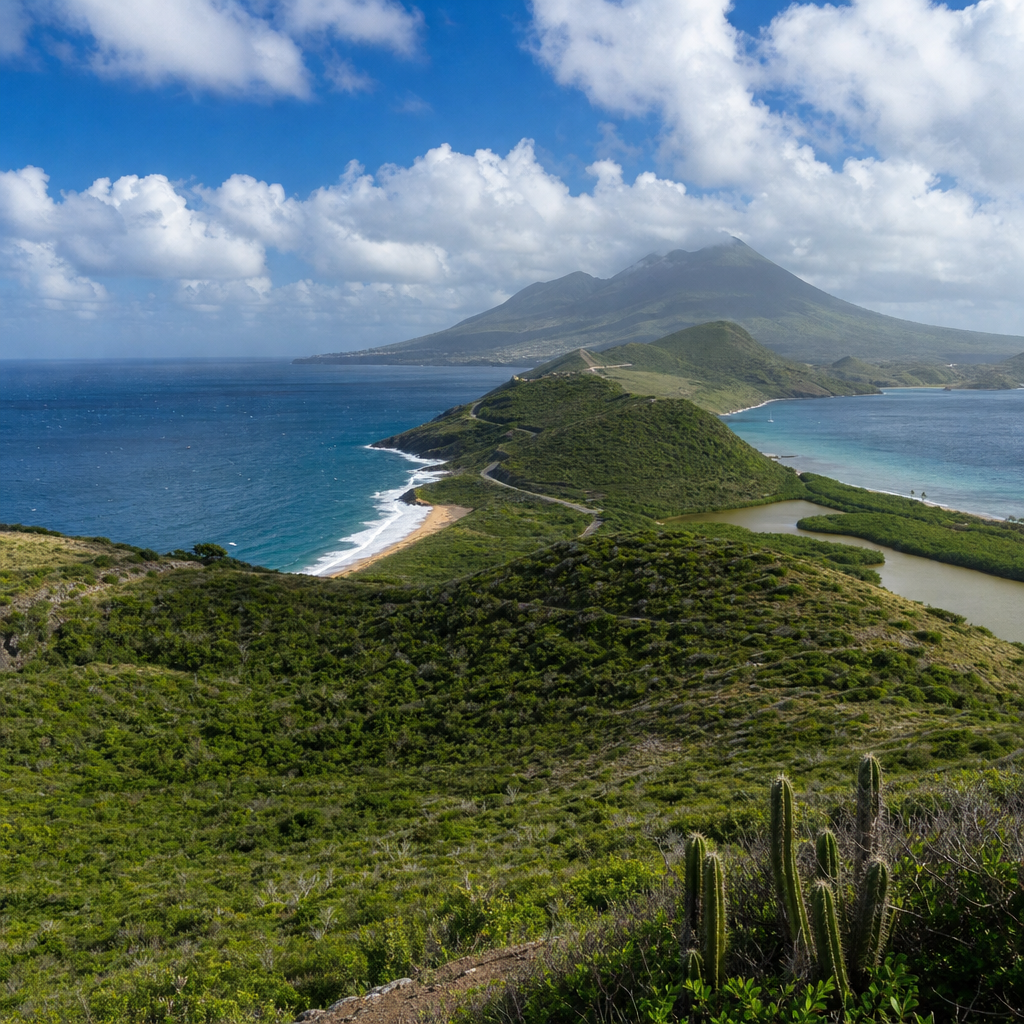
For travelers building a broader Nature and Wildlife itinerary, this Miscellaneous hub matters because it connects marine life, coastal ecology, responsible tourism, local seasonality, and trip planning in one place. Many visitors search only for “best whale watching in Nevis” and miss the fuller picture: what species are present, why March is the prime window, how sea conditions affect viewing, what ethical operators should do, what to bring, and how whale watching fits with snorkeling, birding, hiking, and conservation-focused travel on the island. Nevis is small, but the waters around it are biologically significant. The steep underwater drop-offs near the island create productive marine corridors, and the narrow channels between islands can funnel both whales and viewing boats into surprisingly favorable sightlines. When conditions line up, you may see a humpback’s fluke, hear a calf’s blow, and be back on shore for lunch in Charlestown.
Understanding key terms helps set expectations. A breach is when a whale launches part or all of its body out of the water. A fluke-up dive occurs when the tail lifts clearly before a deep descent. A blow is the visible exhalation from the whale’s blowholes, often the first sign guides spot at distance. In March around Nevis, the headline species is the humpback whale, known scientifically as Megaptera novaeangliae. Humpbacks are famous for acrobatic behavior, long pectoral fins, and complex songs produced by males on breeding grounds. You may also encounter bottlenose dolphins, spotted dolphins, and sea turtles. That variety is why this article serves as a hub: the March whale trip is not an isolated excursion but a gateway into Nevis’s wider wildlife identity.
Why March Is the Peak Month for Whale Watching in Nevis
March is widely considered the sweet spot for whale watching in Nevis because it overlaps with the late winter and early spring migration period of North Atlantic humpback whales in the eastern Caribbean. These whales spend feeding months in higher-latitude waters, then move south into warmer seas where mating, calving, and early calf development occur. Across the Wider Caribbean Region, humpback activity is documented from January through April, but March often provides the best balance of presence, weather reliability, and sea conditions. On the water, that usually means more active behavior than in the earliest part of the season and calmer scheduling than the holiday-heavy midwinter period.
Weather is another reason March performs so well. Nevis in March typically experiences lower rainfall than the wetter summer and autumn months, with warm daytime temperatures and steady northeast trade winds. Those winds can still roughen the sea, especially in open channels, but morning departures often benefit from lighter conditions. Operators who know local patterns usually schedule trips early, because glare, chop, and afternoon wind can all reduce visibility. A practical advantage for travelers is that March sits outside the Atlantic hurricane season, so cancellations due to major storms are rare compared with late summer travel.
From an experience standpoint, March also offers a strong chance of seeing characteristic humpback behaviors. Males may tail slap, pectoral slap, or breach in social and breeding displays. Mothers with calves tend to be more cautious, and responsible captains keep wider distances when calves are present, but even a slow-moving pair can be deeply impressive. In my experience, visitors who understand that the best trips are not always the most dramatic ones enjoy the outing more. A series of close, calm surfacings can reveal body size, breathing rhythm, and social behavior better than a single distant breach. March gives you a realistic chance of both spectacle and sustained observation.
What Species You Can See Around Nevis
Humpback whales are the main attraction, but the wider marine wildlife picture around Nevis is richer than many first-time visitors expect. Humpbacks dominate March itineraries because they are seasonal migrants and the species most likely to produce dramatic surface activity. Adults can reach roughly 40 to 50 feet in length and weigh up to 40 tons. Their long pectoral fins, knobbly head tubercles, and variable black-and-white tail patterns make them easier to identify than many other large whales. Some research programs use those tail patterns for photo-identification, matching individual animals across years and regions.
Other cetaceans appear less predictably. Sperm whales occur in deeper waters of the Caribbean and are regularly recorded elsewhere in the eastern islands, though they are not the standard Nevis whale-watch target. Pilot whales can occasionally be encountered, depending on offshore conditions and prey distribution. Dolphin sightings are often more frequent than many brochures admit. Common bottlenose dolphins are familiar to most travelers, while Atlantic spotted dolphins may approach vessels in energetic groups. Spinner dolphins are better known from some other tropical regions, but fast-moving mixed pods can still surprise crews around the Leeward Islands.
Sea turtles add another layer, especially green and hawksbill turtles in coastal waters. Seabirds can also help captains read the ocean. Magnificent frigatebirds, brown pelicans, and terns may signal fish activity, and while birds do not directly indicate humpbacks in the same way they can help locate feeding whales in colder regions, skilled guides continuously scan for any ecological clue. If your interest extends beyond whales, this is where Nevis becomes an excellent hub destination. A single March boat trip can introduce cetaceans, turtles, seabirds, reef edges, and volcanic island geology in one half day.
Where Whale Watching Trips Depart and What the Tour Is Like
Most whale watching for Nevis travelers is arranged either directly on Nevis or through operators running from nearby St. Kitts with Nevis pickups or transfers. Because the islands are close, some of the best viewing grounds lie in the channels and offshore waters between and around them. The exact departure point matters less than the operator’s marine experience, vessel suitability, and safety standards. I always advise travelers to ask whether the captain has specific whale watching experience rather than general sightseeing experience. Reading swell, interpreting whale behavior, and approaching legally and ethically are specialized skills.
A standard excursion lasts between three and five hours. Boats range from rigid inflatable craft to larger catamarans and covered powerboats. Smaller boats can reach sightings faster and offer lower eye-level intimacy, but they also transmit more motion, which matters for anyone prone to seasickness. Larger boats provide shade and stability but may be less agile when repositioning. The best tours begin with a safety briefing, explain likely species, and set realistic expectations before leaving the harbor. Good guides also discuss marine mammal regulations, because the quality of interpretation is often the difference between a simple boat ride and a meaningful wildlife experience.
| Tour Factor | What to Look For | Why It Matters in March |
|---|---|---|
| Departure time | Early morning launch | Usually calmer seas and better visibility |
| Boat size | Balanced comfort and maneuverability | March trade winds can make open water choppy |
| Guide quality | Naturalist or experienced marine captain | Improves species ID and ethical viewing decisions |
| Safety equipment | Life jackets, radio, first aid, shade | Essential for offshore wildlife trips |
| Group size | Smaller groups when possible | Quieter encounters and better sight lines |
Expect periods of searching between sightings. This is normal and should not be mistaken for a poor tour. Whales cover large areas, and captains typically rely on repeated surfacing patterns to predict movement. Once a whale is found, ethical operators avoid rushing directly toward it. Instead, they position the boat parallel to the animal’s path at a respectful distance and let the whale decide whether to approach. The best encounters often happen when engines are reduced and everyone onboard is quiet enough to hear the exhale.
How to Choose a Responsible Whale Watching Operator
The quality of the operator determines not only your sighting odds but also the impact your trip has on marine wildlife. Responsible whale watching follows recognized principles used worldwide: keep a safe distance, approach from the side rather than head-on, limit viewing time, avoid separating mothers and calves, and never chase a diving whale. In the Caribbean, local rules can vary, so ask specifically what guidelines the company follows. If the answer is vague, keep looking. A professional operator should be able to explain approach distances, speed reductions near cetaceans, and what conditions trigger a no-approach decision.
Look for evidence of seamanship and conservation awareness. Captains should monitor weather, carry functioning communication equipment, and cancel when conditions are unsafe rather than push a departure for revenue. Strong operators also brief guests about not throwing food, trash, or plastics overboard and about keeping noise down during encounters. Some collaborate informally with researchers by sharing sighting locations, tail photographs, or seasonal observations. That kind of participation is a positive sign because it shows the business sees whales as a living resource to protect, not just a product to sell.
Reviews can help, but read them intelligently. A complaint like “we did not see whales” may say more about wildlife uncertainty than tour quality. Better indicators are comments about respectful boat handling, knowledgeable guides, limited overcrowding, and honest communication. If you are staying at a reputable hotel in Nevis, ask the concierge which operators consistently prioritize conservation and safety. On small islands, service reputations are usually well known, and the best recommendations often come from dive professionals, not generic booking platforms.
How to Prepare for a March Whale Watching Trip
Preparation is simple but important. Wear light clothing that dries quickly, because spray is common even on calm days. Bring a hat with a secure strap, polarized sunglasses, reef-safe sunscreen, and more water than you think you need. The Caribbean sun reflects strongly off open water, and dehydration can undermine an otherwise excellent trip. If you are sensitive to motion, take a proven seasickness remedy before boarding, not after symptoms start. I usually recommend choosing a seat near the vessel’s center of gravity, where motion feels less intense.
Camera choice matters. A smartphone can capture close encounters, but a camera with moderate zoom is better for distant blows or flukes. Avoid spending the whole trip behind a lens. Whales surface briefly, and people who watch with their eyes first generally enjoy the experience more and often get better photos because they anticipate behavior. Binoculars are useful in transit but less essential once a whale is near. Keep electronics protected in a dry bag, and assume salt spray will reach everything.
Finally, build flexibility into your itinerary. Book whale watching early in your Nevis stay so you have a backup day if weather changes. March is favorable, but wind shifts still happen. Pair the trip with other Nature and Wildlife experiences such as snorkeling at Pinney’s Beach, hiking Nevis Peak’s forested slopes with a guide, or visiting coastal areas for birdwatching at dawn. That wider plan turns one excursion into a rounded eco-travel program and makes this Miscellaneous hub genuinely useful rather than a single-activity page.
Beyond Whales: Building a Nature and Wildlife Itinerary in Nevis
Whale watching becomes even more valuable when treated as the centerpiece of a broader wildlife-focused visit. Nevis offers a compact but diverse set of experiences: reef snorkeling, turtle observation, tropical dry forest birding, volcanic cloud forest hiking, and shoreline ecology walks. March is especially attractive because sea conditions are often workable, daytime heat is manageable, and the landscape remains green without the disruption of peak wet season storms. Travelers who stay three to five nights can combine marine and terrestrial wildlife without feeling rushed.
Start with one offshore morning for whales and dolphins. Use another day for snorkeling or diving around coral and volcanic rock formations, where you may see parrotfish, angelfish, rays, and occasionally turtles. Add an early birding session for species such as bananaquits, Caribbean elaenias, and hummingbirds in gardens and forest edges. If fitness allows, a guided hike on Nevis Peak introduces endemic-rich vegetation zones and demonstrates how elevation changes create different habitats on a small island. This contrast between mountain forest and deep marine channel is one of Nevis’s greatest ecological strengths.
Responsible travel also means supporting businesses that keep the island’s natural assets viable. Choose local guides, reduce single-use plastics, stay on marked trails, and avoid touching coral or wildlife. The best March trip is not just about seeing a whale breach. It is about understanding why Nevis remains a place where such encounters are still possible and helping keep it that way. If you are planning a Caribbean wildlife holiday, start with Nevis in March, book a reputable whale watching tour early, and build the rest of your itinerary around the island’s exceptional natural variety.
Frequently Asked Questions
Why is March such a good time for whale watching in Nevis?
March is widely considered one of the best months to watch whales in Nevis because it falls right within the seasonal migration period for humpback whales in the Caribbean. During this time, humpbacks move through the warmer waters around St. Kitts and Nevis to breed, calve, and socialize, which increases the chances of sightings in the deep offshore channels surrounding the federation. Conditions are also especially appealing for visitors: the weather is typically warm, the trade winds help keep the climate comfortable, and sea conditions are often favorable enough for boat excursions to operate regularly. Just as importantly, March sits in that sweet spot where marine activity is high, but the experience can still feel intimate and uncrowded compared with larger whale-watching destinations. For many travelers, that combination of active migration, pleasant boating conditions, and the dramatic backdrop of Nevis Peak creates one of the most memorable wildlife outings in the Caribbean.
What kinds of whales and other marine life can you see on a whale-watching trip from Nevis?
The highlight for most visitors is the humpback whale, which is the species most commonly associated with March whale watching in Nevis. These whales are famous for their size, dramatic surfacing behavior, and occasional displays such as tail slaps, fin waves, and breaches, although sightings vary from trip to trip because this is a natural wildlife experience rather than a controlled attraction. In addition to humpbacks, some excursions may encounter sperm whales in deeper waters, though they are generally less predictable and less frequently seen. Dolphin sightings are also a major part of the experience, with several species known to move through the area, often riding the bow wake or traveling in active pods. Depending on sea conditions and the route taken, guests may also spot sea birds, flying fish, turtles, and other signs of a healthy pelagic ecosystem. One of the reasons whale watching in Nevis feels so special is that the outing is not limited to a single species; it offers a broader glimpse into the seasonal marine life of the northeastern Caribbean.
How do whale-watching tours in Nevis usually work, and where do they depart from?
Whale-watching in Nevis is typically done through licensed boat excursions departing either from Nevis itself or from nearby St. Kitts, depending on the operator and the day’s conditions. Most tours are led by experienced captains and guides who understand the migration season, local currents, and the deep channels where whales are most likely to be seen. After a safety briefing, guests head offshore and spend several hours scanning for blows, dorsal fins, tail flukes, and surface activity. Guides often share commentary about humpback behavior, migration patterns, and the marine geography of the area, which adds depth to the trip and helps passengers understand what they are seeing. Because operators are working in open water and following wildlife respectfully, tours can vary in duration, route, and pace. Some days involve a quick encounter not far from shore, while others require more searching across deeper water between Nevis and St. Kitts. Booking with a reputable, licensed operator is important because it supports both passenger safety and responsible marine-wildlife practices.
What should you bring and wear for a whale-watching trip in Nevis in March?
Even though March weather in Nevis is warm and generally comfortable, it is still smart to prepare for several hours on the water. Lightweight, breathable clothing works best, along with sun protection such as reef-safe sunscreen, sunglasses, and a wide-brimmed hat or cap. Soft-soled shoes or sandals with good grip are useful on a boat deck, and many travelers appreciate bringing a light extra layer in case the ride becomes breezy offshore. If you are prone to motion sickness, it is wise to take preventative medication before departure rather than waiting until the boat is underway. A camera or smartphone with a strap, binoculars, and a reusable water bottle can all make the experience more enjoyable. It is also worth bringing patience and realistic expectations: whale watching is exhilarating, but sightings happen on nature’s schedule. The best-prepared guests are usually the ones who come ready not only for photographs, but also for the full experience of being out in open Caribbean waters watching for marine life.
Is whale watching in Nevis ethical and safe for travelers?
Yes, whale watching in Nevis can be both ethical and safe when done with licensed, responsible operators. Ethical whale-watching tours follow local guidelines and best practices designed to minimize disturbance to marine mammals, including maintaining respectful distances, avoiding aggressive pursuit, and limiting the amount of time spent too close to animals. This matters because humpback whales and other cetaceans are wild animals engaged in important natural behaviors during migration season, and the goal should always be observation rather than interference. From a safety perspective, professional operators provide trained crew, seaworthy vessels, and essential briefings before departure. They also make judgment calls based on weather, sea state, and visibility, which is especially important in open-water conditions. For travelers, choosing a reputable company is the single best way to ensure a positive experience. If the tour emphasizes conservation, education, and respectful viewing practices, that is usually a strong sign that the excursion is being run responsibly. In short, whale watching in Nevis is at its best when it combines excitement with stewardship, allowing visitors to enjoy a majestic encounter while helping protect the animals and habitat that make it possible.