Whale watching in Nevis in February is one of the most rewarding wildlife experiences in the Caribbean, combining peak seasonal sightings, calm winter conditions, and the rare chance to observe migratory marine mammals against the dramatic backdrop of Nevis Peak and the Leeward Islands. For travelers exploring Nature and Wildlife in Nevis, this February adventure works especially well as a hub topic because it connects marine ecology, responsible tourism, local boat culture, seasonal travel planning, and the broader range of miscellaneous wildlife encounters that make the island more than a beach destination. Whale watching usually refers to guided observation of whales and dolphins from a licensed vessel, though in Nevis the experience often includes seabirds, sea turtles, flying fish, and discussions of reef systems and migration corridors. February matters because it falls within the winter migration season for humpback whales moving through warmer Caribbean waters to breed, calve, and socialize. In practical terms, that means visitors have a stronger chance of sightings, captains can plan routes around known offshore pathways, and naturalist guides can interpret behavior with more confidence. I have planned wildlife-focused island itineraries in the eastern Caribbean, and Nevis consistently stands out because the scale is intimate: you leave a quiet harbor, reach productive offshore waters quickly, and often spend more time observing than transiting. For readers using this page as a starting point, the value goes beyond one excursion. A whale watch in Nevis opens the door to linked experiences such as birding in coastal wetlands, snorkeling over reef edges, hiking cloud forest trails, and learning how local communities balance tourism with conservation. That mix of accessibility and ecological depth is why February whale watching deserves to anchor the island’s miscellaneous wildlife coverage.
Why February Is the Prime Month for Whale Watching in Nevis
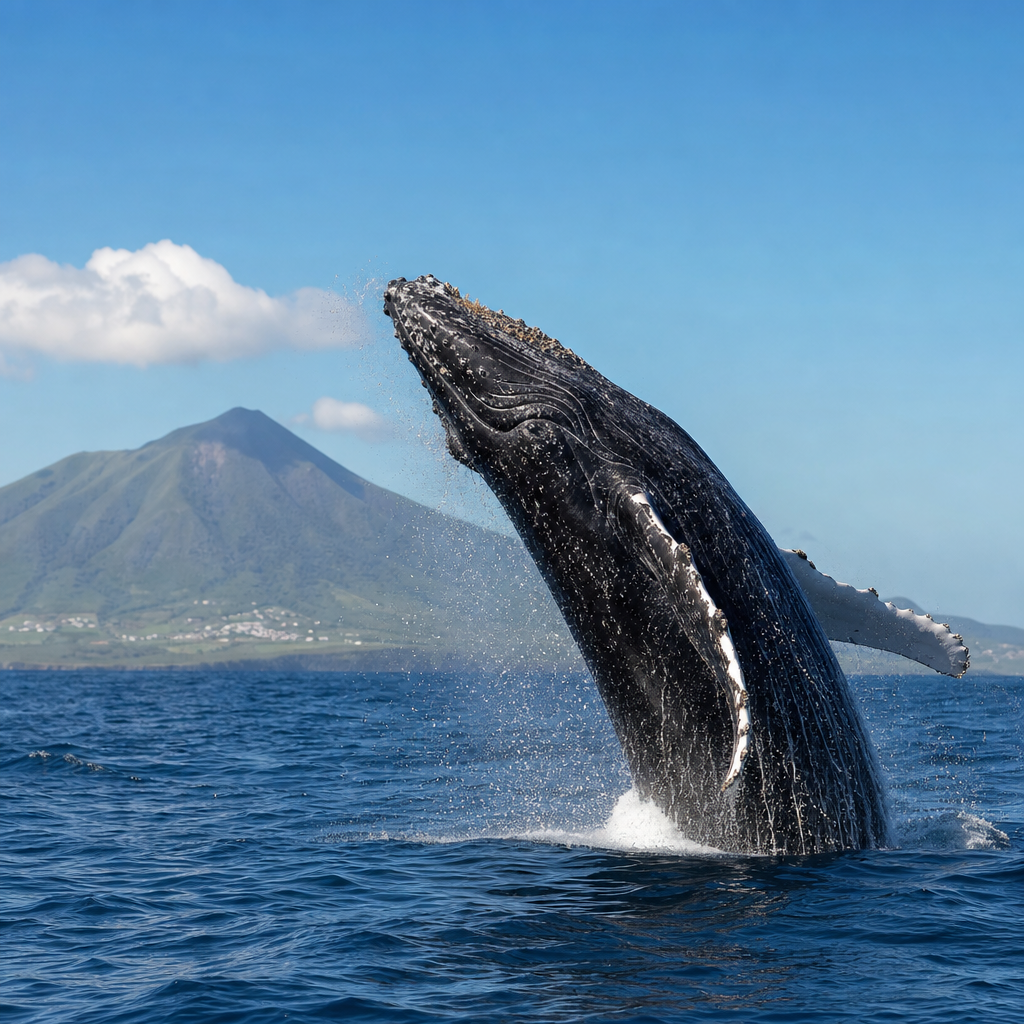
February is widely regarded as one of the best months for whale watching in Nevis because the broader eastern Caribbean is active with humpback whale migration during midwinter. Humpbacks travel from colder North Atlantic feeding grounds to warm tropical waters where they mate and give birth. The waters around St. Kitts and Nevis sit within this seasonal movement zone, and experienced captains watch for surface blows, tail slaps, pectoral fin displays, and the repeated surfacing patterns that signal an animal moving steadily through an area. Conditions also help. February often brings relatively dry weather, comfortable air temperatures, and sea states that are more manageable than rougher transition periods. That does not guarantee flat water every day, but it improves the odds of a productive trip and cleaner visibility for spotting from the bow.
The month is also strong from a planning perspective. Winter visitors are already on island, tour operators are running regularly, and departure schedules are usually more dependable than in the wetter, storm-prone parts of the year. Morning trips tend to offer the calmest seas, while late afternoon excursions can provide dramatic light for photography but sometimes contend with more chop. If your main priority is wildlife rather than atmosphere, choose the earliest available departure and confirm that the operator is targeting offshore viewing rather than combining the tour with a general sightseeing cruise. In my experience, that distinction matters. Serious wildlife charters brief guests on species, maintain watch positions, and adjust search patterns based on bird activity, current lines, and recent sightings reported by nearby vessels.
What Species You May See Beyond Humpback Whales
Although humpbacks are the headline attraction, a February whale watching trip in Nevis can produce a richer list of sightings than many first-time visitors expect. Dolphins are frequently part of the experience, with spinner dolphins and bottlenose dolphins among the species operators may report in the wider region. Pods may bow-ride, leap, or travel in coordinated formation, giving guests an excellent chance to observe social behavior. Sperm whales are less predictable but are known from Caribbean waters, and occasional pilot whales may also appear offshore. You should treat these species as possible rather than likely, but that uncertainty is part of what makes pelagic wildlife viewing compelling.
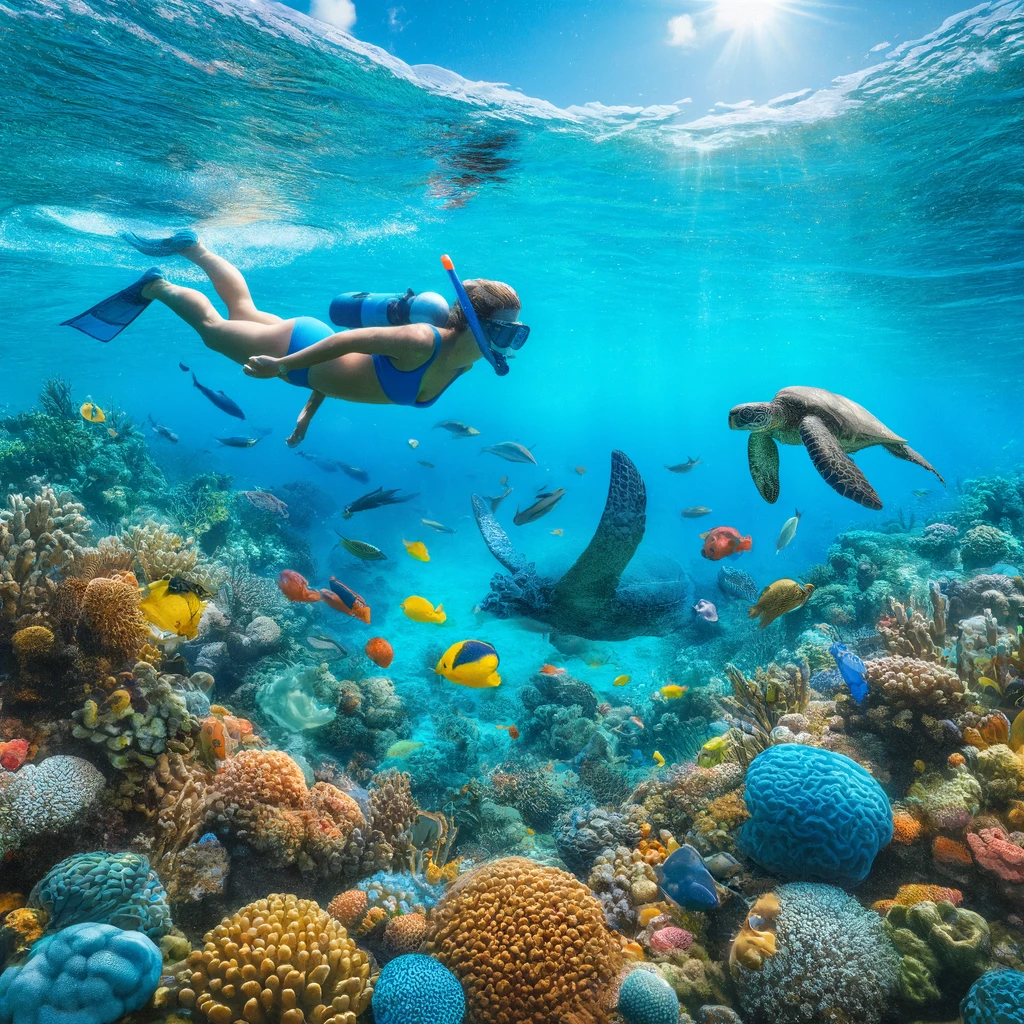
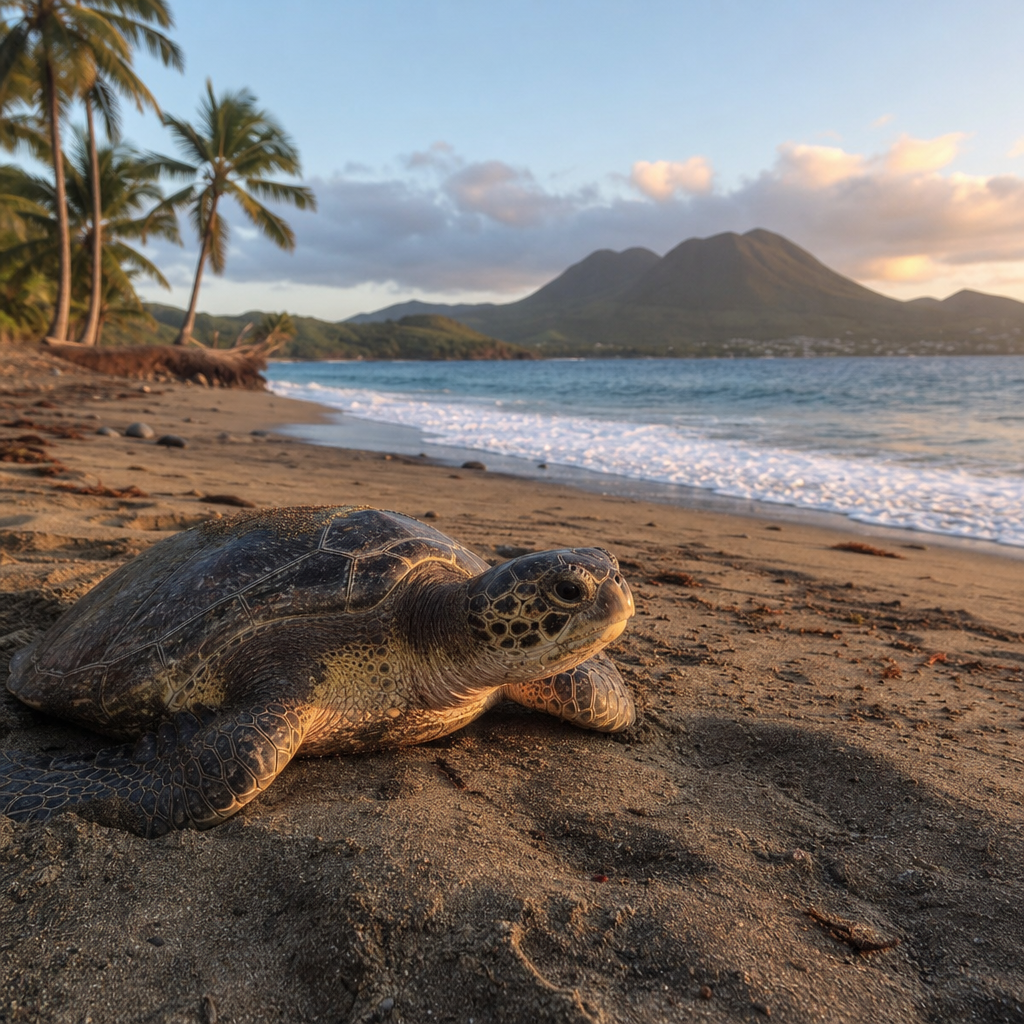
Many tours also deliver incidental wildlife encounters that justify this page’s role as a miscellaneous hub under Nature and Wildlife. Brown boobies, magnificent frigatebirds, tropicbirds, and terns can all help guides locate feeding activity at sea. Sea turtles may surface briefly between dives. Flying fish often scatter in front of the vessel, especially in calmer conditions. On some trips, guides point out changes in water color caused by depth, reef structure, or current boundaries, turning a simple excursion into a practical lesson in marine ecology. Families often remember the dramatic whale breach, but dedicated nature travelers usually come away equally impressed by the interconnectedness of species and habitats packed into a few offshore hours.
How a Typical Nevis Whale Watching Tour Works
Most whale watching tours in Nevis begin with a harbor departure after a safety briefing, weather check, and explanation of sighting etiquette. Boats vary from small open craft to larger catamarans, but the best wildlife trips are usually run by captains who know local waters intimately and keep guest numbers manageable enough for everyone to see clearly. Expect the crew to scan constantly with the naked eye rather than rely only on electronics. Whale blows are often visible at a distance as vertical bursts of spray, and trained operators distinguish them from wave splash by rhythm, height, and location. Once a whale is spotted, the captain will approach carefully, usually from the side and at reduced speed, allowing the animal to continue its natural movement without pressure.
Trip length commonly ranges from two to four hours, depending on sea conditions and how far offshore recent sightings have been. Some operators include drinks, fruit, or snorkeling gear, but a dedicated whale watch should not be judged by extras alone. Ask whether a guide interprets behavior, whether the vessel follows regional marine mammal approach standards, and whether the route is adjusted based on recent wildlife reports. A good operator keeps a sighting log, postpones in unsafe conditions, and makes it clear that wild animals cannot be guaranteed. That honesty is a mark of professionalism, not a weakness.
| Tour Factor | What to Ask | Why It Matters |
|---|---|---|
| Departure time | Is the earliest morning trip available? | Calmer seas usually improve comfort and spotting conditions. |
| Boat type | How many passengers are onboard? | Smaller groups often get better visibility and guide interaction. |
| Guide expertise | Is there a naturalist or experienced wildlife guide? | Interpretation turns sightings into a meaningful learning experience. |
| Safety policy | What happens if weather changes suddenly? | Responsible operators prioritize sea conditions over schedule. |
| Wildlife protocol | How close does the boat approach marine mammals? | Ethical viewing reduces stress on whales and supports conservation. |
Responsible Whale Watching and Marine Conservation
Responsible whale watching in Nevis depends on the simple principle that the animals’ welfare comes first. International best practice, reflected in guidance used across many marine tourism destinations, emphasizes slow approaches, limited viewing times, no chasing, no separating mothers and calves, and reduced engine noise near animals. Even when local regulations differ in detail, reputable captains generally apply these standards because stressed whales change behavior, shorten surface intervals, and abandon areas. That undermines both conservation and guest experience. I have seen the difference firsthand between vessels that hover patiently on a predicted surfacing line and those that rush unpredictably. The former usually get longer, calmer observations.
Conservation also has a local economic dimension. Wildlife tourism works in islands like Nevis only if healthy marine ecosystems remain intact. Coral reefs support fish populations, fish attract larger predators and seabirds, and productive waters sustain the food webs that make offshore excursions worthwhile. Plastic pollution, careless anchoring, fuel spills, and harassment of marine life all weaken that system. Visitors can help by choosing operators that avoid single-use waste where possible, maintain engines properly, use moorings instead of damaging reef areas, and communicate conservation messages clearly. If you want your spending to support the right model, ask direct questions before booking. Good businesses will answer confidently.
What to Bring, Wear, and Prepare for at Sea
Preparation has an outsized effect on whether a February whale watching trip in Nevis feels exhilarating or exhausting. Start with clothing. Wear light, quick-drying layers, because early mornings can feel cool underway even in the Caribbean, while midday sun becomes intense once the boat slows. Polarized sunglasses are essential; they reduce glare and make blows, dorsal fins, and bird activity easier to detect. Bring reef-safe sunscreen, a hat with a secure strap, and more water than you think you need. Dehydration and sun fatigue are common reasons people stop enjoying a trip before it ends.
If you are prone to motion sickness, take preventive medication well before departure, following medical guidance and product timing instructions. Waiting until the boat is rolling rarely works. Keep your camera setup simple. A phone can capture close encounters, but a camera with a moderate zoom, fast autofocus, and image stabilization is better for distant breaches or tail flukes. Avoid changing lenses on a wet, moving deck. Also carry a dry bag, as sea spray is routine. Finally, manage expectations properly. Whale watching is a field experience, not a marine park show. The best trips are shaped by patience, scanning, and sudden moments of reward. Travelers who understand that rhythm usually enjoy every part of the outing, including the search itself.
Building a Wider Nature and Wildlife Itinerary Around the Excursion
As a miscellaneous hub within Nature and Wildlife, whale watching in Nevis should lead travelers toward a fuller island itinerary rather than stand alone. The most effective plan is to pair offshore wildlife with land and nearshore habitats over several days. After a morning whale watch, spend an afternoon exploring Pinney’s Beach during quieter hours, where brown pelicans dive offshore and shorebirds forage along the strand line. On another day, snorkel or dive with a reputable operator to see how reef fish communities, sea fans, and coral structures underpin the island’s marine biodiversity. Even a beginner-friendly snorkeling site can make the food web discussed on the boat feel real.
On land, the trails around Nevis Peak and the island’s greener interior offer a different but complementary wildlife experience, including forest birds, insects, monkeys, and an appreciation for how elevation shapes habitats. Historical estates and botanical gardens can also be valuable stops, especially for travelers interested in introduced species, cultivated tropical plants, and the relationship between ecology and plantation history. If you are building internal content pathways for readers, the logical related topics are dolphin encounters, sea turtle awareness, birdwatching, reef etiquette, hiking in Nevis, and responsible family nature travel. That broad coverage reflects how visitors actually experience the island: not in isolated categories, but as a connected landscape where marine and terrestrial systems constantly inform each other.
Common Questions Travelers Ask Before Booking
The most common question is simple: can you really see whales in Nevis in February? Yes, you can, and February is one of the strongest months to try, but sightings are never guaranteed because these are wild migratory animals moving through open water. The next question is whether children can join. In most cases, yes, if the sea is moderate and the child is comfortable on boats, though parents should ask about minimum age, shade, toilet access, and trip duration. Travelers also ask whether they should choose Nevis or a larger island for whale watching. Nevis has an advantage for people who value a quieter experience, shorter transfer times to open water, and a less crowded tourism environment.
Another frequent concern is cost. Prices vary by vessel size, trip length, and whether the excursion is private or shared, but the cheapest tour is not automatically the best value. A slightly higher rate often buys lower passenger density, better guiding, and more ethical operating standards. Finally, many visitors ask if they should book in advance. In February, the answer is yes. Peak winter demand means the best operators can fill preferred morning departures early, especially around holiday weeks. Book ahead, reconfirm the day before, and stay flexible if weather forces a reschedule.
Whale watching in Nevis in February earns its place as a signature wildlife experience because it combines seasonal migration, accessible offshore waters, knowledgeable local operators, and the wider ecological richness that makes the island so rewarding for nature-focused travel. The key points are straightforward. February offers some of the best chances to encounter humpback whales in the area. A strong tour is defined less by luxury extras than by skilled spotting, ethical boat handling, honest communication, and a guide who can explain what you are seeing. The experience rarely stops with whales alone; dolphins, seabirds, turtles, and changing marine conditions often turn the outing into a broader lesson in Caribbean biodiversity. Preparation matters, too. Early departures, sun protection, motion-sickness planning, and realistic expectations significantly improve the day.
As a hub for miscellaneous wildlife coverage under Nature and Wildlife, this topic is most useful when it inspires a bigger itinerary. Pair your whale watch with snorkeling, birding, hiking, and conservation-minded local experiences, and Nevis becomes far more than a scenic island escape. It becomes a place where visitors can understand how habitats connect from mountain slopes to deep offshore channels. If you are planning a February trip, reserve a responsible whale watching tour early, ask informed questions, and build the rest of your wildlife days around it. That approach gives you the best chance not only to see a whale, but to understand the living island around it.
Frequently Asked Questions
Why is February considered one of the best months for whale watching in Nevis?
February is widely regarded as one of the top months for whale watching in Nevis because it falls within the peak winter migration period for several marine mammals moving through the warm waters of the Caribbean. During this time, whales are more likely to be spotted as they travel, rest, and sometimes socialize in the region’s deeper offshore channels. Conditions in February also tend to be favorable for boat excursions, with relatively calm seas, clear skies, and comfortable temperatures that make it easier to spend several hours on the water scanning for activity.
Another reason February stands out is the quality of the overall experience. The contrast between open blue water, the slopes of Nevis Peak, and the surrounding Leeward Islands creates a visually dramatic setting that adds to the sense of adventure. For travelers interested in nature and wildlife in Nevis, this month offers more than a simple sightseeing trip. It becomes an opportunity to witness seasonal marine behavior, learn about migration patterns, and enjoy one of the island’s most memorable eco-tourism activities at a time when both weather and wildlife align especially well.
What kinds of whales and other marine wildlife might you see around Nevis in February?
Whale sightings around Nevis can vary from trip to trip, but February offers a strong chance of encountering migratory species passing through Caribbean waters. Depending on local conditions and routes, visitors may spot humpback whales, which are among the most celebrated winter visitors in the wider region. These whales are known for their size, dramatic surfacing behavior, and occasional displays such as tail slaps or blows visible from a distance. While no sighting can ever be guaranteed, February is an especially promising month because marine activity is typically heightened during the seasonal migration window.
In addition to whales, many tours may also encounter dolphins, sea turtles, and seabirds that help make the excursion feel like a broader wildlife safari at sea. Dolphins are often seen riding bow waves or traveling in pods, and turtles may surface in calmer stretches of water. Birdlife can also provide clues to activity below the surface, with frigatebirds and other seabirds often circling productive feeding areas. For travelers who appreciate ecology as much as adventure, this variety is part of what makes whale watching in Nevis so rewarding: even when the focus is on whales, the surrounding marine environment tells a much bigger and more fascinating story.
What should you expect on a whale watching tour in Nevis during February?
A typical whale watching tour in Nevis usually begins at a local dock or marina, where guests board a small to mid-sized excursion boat operated by experienced captains familiar with regional waters. February departures often take advantage of the calmer morning sea conditions, though schedules can vary depending on weather and operator preferences. Once on board, you can expect a combination of scenic cruising, active searching, and interpretation from the crew, who may explain how they look for whale blows, movement patterns, bird activity, or surface disturbances that suggest marine mammals are nearby.
The experience is often a blend of patience and excitement. There may be stretches of quiet observation followed by sudden moments when a whale surfaces, a dolphin pod appears, or the captain changes course toward fresh activity. Because Nevis is a relatively intimate destination, many tours also feel personal and connected to local boat culture, with guides sharing practical knowledge rooted in years of navigating these waters. Travelers should expect sun, wind, salt spray, and changing sea conditions, so it is wise to dress comfortably, bring reef-safe sunscreen, sunglasses, and water, and be prepared for a wildlife experience shaped by nature rather than a fixed script. That unpredictability is part of what makes a February whale watching trip feel authentic and memorable.
How can travelers enjoy whale watching in Nevis responsibly and respectfully?
Responsible whale watching starts with choosing a reputable operator that follows best practices for marine wildlife encounters. Ethical tours keep a respectful distance, avoid chasing or crowding animals, and limit noise and sudden maneuvers that could disrupt natural behavior. This is especially important during migration season, when whales may be resting, traveling with calves, or engaging in sensitive social behavior. A good captain understands that the goal is observation, not interference, and will position the boat in a way that allows guests to enjoy the sighting without placing stress on the animals.
Travelers can also contribute by listening carefully to crew instructions, keeping voices low during sightings, never attempting to feed or touch wildlife, and avoiding litter or any behavior that could harm the marine environment. Using reef-safe sunscreen, securing loose belongings, and respecting onboard safety rules are small but meaningful ways to support sustainable tourism. In a place like Nevis, where nature, community, and tourism are closely connected, responsible whale watching helps protect not only the animals themselves but also the long-term health of local marine ecosystems and the livelihoods of the people who depend on them. Done well, the experience becomes both thrilling and conservation-minded.
How should you plan a February whale watching trip in Nevis to make the most of the experience?
Planning ahead is the best way to make a February whale watching trip in Nevis successful, since this is one of the island’s most appealing seasons for outdoor travel. Booking your tour early is a smart move, particularly if you are visiting during a busy winter period when accommodations, excursions, and inter-island travel can fill quickly. It is also helpful to schedule your whale watching outing early in your stay rather than on your final day, since weather and sea conditions can occasionally lead to rescheduling. That extra flexibility gives you a better chance of getting out on the water during optimal conditions.
To maximize the experience, think of whale watching as part of a broader February nature itinerary in Nevis. Pairing a morning boat excursion with island activities such as coastal sightseeing, hiking, birdwatching, or exploring quiet beaches can turn the trip into a well-rounded wildlife-focused adventure. Bring a camera with zoom capability, motion-sickness remedies if you are prone to seasickness, light layers, and plenty of hydration. Most importantly, arrive with realistic expectations and a sense of curiosity. Whale watching is always a wild experience rather than a staged one, and that is exactly what gives it value. In February, Nevis offers the rare combination of seasonal marine movement, scenic beauty, and relaxed island atmosphere, making it an excellent hub for travelers interested in both responsible tourism and unforgettable encounters with Caribbean wildlife.