Nevis’ farm-to-table movement is reshaping how residents and visitors experience food, connecting local farms, fishers, chefs, and households through meals rooted in the island itself. On a small Caribbean island where imported goods have long filled supermarket shelves, farm-to-table means more than a restaurant trend. It describes a practical system in which ingredients are grown, raised, caught, and prepared as close as possible to where they are eaten. In Nevis, that includes leafy greens from hillside plots, mangoes and breadfruit from village trees, freshly landed fish from coastal boats, herbs cut the same morning, and livestock raised by local producers. I have seen firsthand that when chefs buy directly from growers, menus become more seasonal, waste drops, and customers begin asking where their food came from.
This matters because food choices shape more than taste. They affect public health, farm income, tourism revenue, land use, and cultural continuity. Nevis has fertile volcanic soils, a long agricultural history, and a hospitality sector that can create dependable demand for local produce. Yet it also faces the common pressures of small-island food systems: limited acreage, unpredictable rainfall, high input costs, shipping disruptions, and strong competition from imported foods that can seem cheaper or more standardized. A farm-to-table approach addresses those pressures by shortening supply chains and building relationships across the local economy. For travelers exploring Local Life and Experiences, it offers one of the clearest windows into daily island life, because food reveals how people work, celebrate, and adapt.
As a hub article for this Miscellaneous subtopic, this guide explains how Nevis’ farm-to-table movement works, what foods define it, where it shows up across the island, and why it is becoming a meaningful part of modern Nevisian identity. It also answers practical questions readers commonly have: What is grown locally in Nevis? How do restaurants source ingredients? Is farm-to-table really sustainable on a small island? What should visitors look for when choosing authentic local dining? By the end, the movement becomes easier to understand not as a marketing phrase, but as a network of real people making local food more visible, viable, and enjoyable.
What farm-to-table means in Nevis
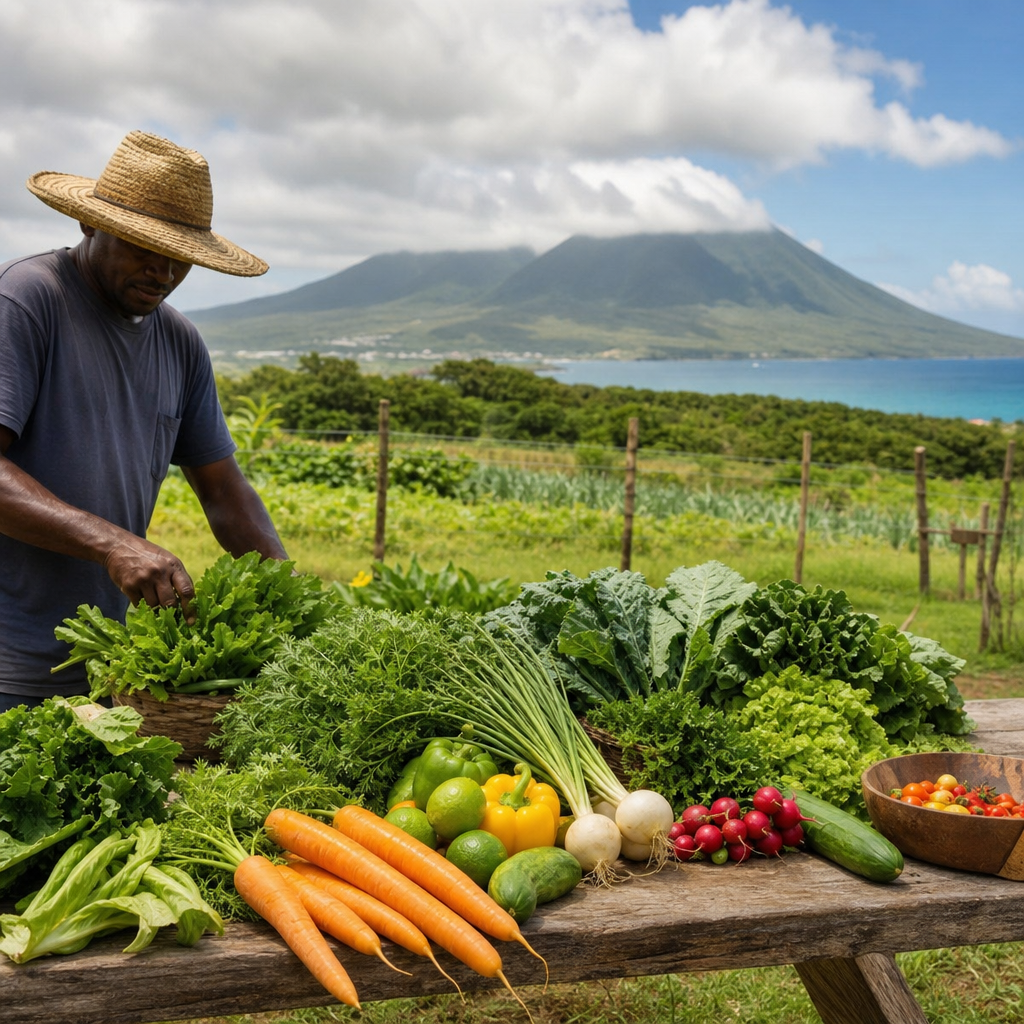
In Nevis, farm-to-table usually means direct or near-direct sourcing from island producers into restaurants, guesthouses, markets, and homes. The model is often informal. A chef might message a farmer in the morning to ask what is ready, then build specials around that answer. A hotel may buy callaloo, pumpkin, cucumbers, and herbs from several small growers rather than relying on one distributor. A household may purchase fish directly at the landing site, then pair it with breadfruit, yam, or plantain from a family plot. The core principle is proximity: fewer intermediaries, fresher ingredients, and more economic value retained on the island.
Unlike farm-to-table systems in large agricultural regions, Nevis does not operate on volume alone. Production is typically small-batch and seasonal, which requires flexibility from buyers. This is one reason the movement works best when chefs understand menu engineering. Instead of printing a fixed menu built around ingredients that must always be available, stronger operators design rotating offerings that can absorb changes in harvest size, weather, or catch. That approach is not a compromise. In practice, it is what makes local food feel alive and specific to place.
What Nevis grows, raises, and catches locally
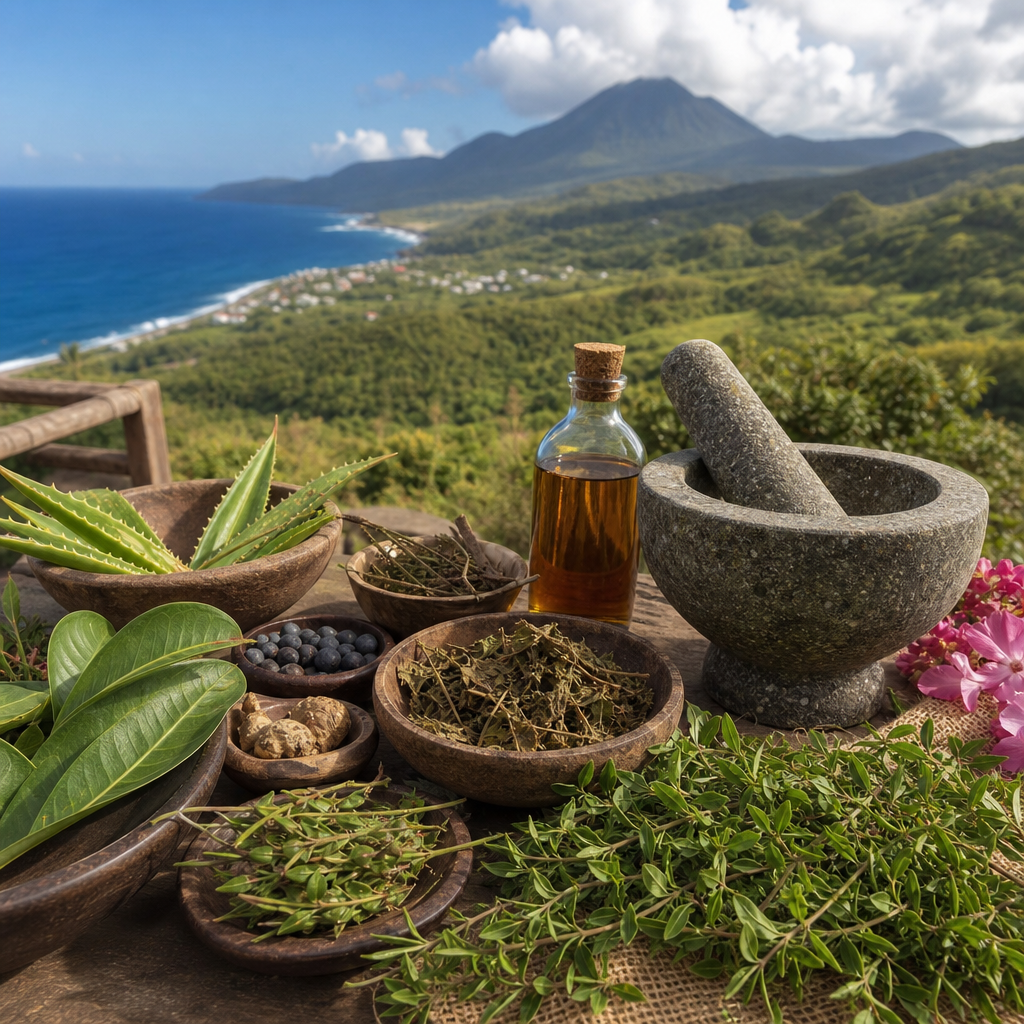
The island’s farm-to-table identity depends on a diverse mix of products rather than a single flagship crop. Common local ingredients include tomatoes, sweet peppers, cucumbers, lettuce, pak choi, callaloo, okra, pumpkin, sweet potato, yam, cassava, plantain, and various culinary herbs. Fruit is equally important: mango, soursop, papaya, banana, guava, tamarind, coconut, and breadfruit all appear in home kitchens and on restaurant menus when in season. Livestock and eggs from local producers contribute to breakfasts and comfort dishes, while coastal waters supply fish such as mahi-mahi, tuna, snapper, and grouper depending on season, weather, and effort.
Volcanic soil gives many crops strong flavor, but soil quality alone does not guarantee output. Water management is critical. Growers who use drip irrigation, shade netting, mulch, and staggered planting schedules are usually the ones able to supply hospitality buyers consistently. On the livestock side, feed costs can narrow margins, so local meat production often remains more limited than produce. Seafood therefore plays a major role in the island’s local sourcing story. In menu planning, fish is often the most visible local protein because it aligns naturally with island geography and can reach the plate within hours of landing.
How the supply chain works from field to plate
Nevis’ supply chain is relationship-driven. Farmers, fishers, chefs, market vendors, and consumers rely heavily on direct communication rather than anonymous wholesale systems. That has clear advantages. Buyers know who grew the produce, how recently it was harvested, and whether more is likely next week. Sellers know which restaurants pay on time, which hotels need consistency, and which dishes move enough volume to justify planting more. Over time, those patterns create practical trust, which is one of the most valuable assets in a small food economy.
There are limits, however. Small producers may not have refrigerated transport, standardized packaging, or formal crop forecasts. Restaurants that want local sourcing must often adapt procurement habits. In my experience, the operators who succeed do three things well: they communicate demand early, accept cosmetic imperfections in produce, and train kitchen teams to use whole ingredients efficiently. When those habits are in place, farm-to-table stops being fragile and starts becoming operational.
| Supply stage | Typical Nevis practice | Main benefit | Common challenge |
|---|---|---|---|
| Production | Small farms grow mixed crops in short seasonal cycles | Diverse harvests and fresher produce | Weather and water variability |
| Harvesting | Picked to order or within a day of delivery | Better flavor and shelf life in the kitchen | Labor availability during peak periods |
| Distribution | Direct drop-off to restaurants, markets, and villas | Fewer middlemen and stronger farmer margins | Limited cold-chain logistics |
| Menu use | Chefs build specials around what is available | Seasonal authenticity and lower waste | Need for flexible menu planning |
Why restaurants and hotels are investing in local sourcing
For hospitality businesses, the farm-to-table movement improves both guest experience and operational resilience. Visitors increasingly want food with a sense of place, not the same imported menu they could order anywhere. A salad made with Nevis-grown greens, herbs, and cucumbers or a grilled catch served with roasted breadfruit tells a stronger island story than a plate assembled from imported ingredients. That story has commercial value. It supports premium pricing when the quality is evident and the sourcing is real.
Local buying also reduces exposure to shipping delays and inventory gaps, which matter on any island. Imported produce can arrive tired after transit. Locally harvested ingredients usually perform better in the kitchen, especially leafy greens and herbs that lose quality quickly. Still, sourcing locally is not automatically cheaper. Unit prices may be higher because of smaller scale and higher production costs. The economic advantage comes from freshness, reduced spoilage, stronger guest satisfaction, and money circulating within the island economy rather than leaving it.
Where visitors encounter the movement in everyday island life
Travelers do not need to book a formal culinary tour to experience Nevis’ local food culture. It appears in roadside fruit stands, village cookshops, market stalls, family-run eateries, hotel breakfast menus, beachside seafood lunches, and community events where traditional dishes still anchor gatherings. One of the easiest signals is menu language. Places that are truly engaged with local sourcing often mention the farm, the fisherman, the village, or the season instead of using generic claims. Staff can usually explain what arrived that day and which dishes changed because of it.
Another sign is variability. On islands with genuine local sourcing, the best menus are not identical every night. A restaurant may feature pumpkin soup one week, grilled mahi the next, then shift to snapper, tamarind glaze, or mango desserts as availability changes. That flexibility reflects the island’s real rhythms. For readers exploring Local Life and Experiences, these details matter because they turn a meal into cultural context. The food is not just consumed; it is interpreted as part of the place.
Cultural roots behind the modern movement
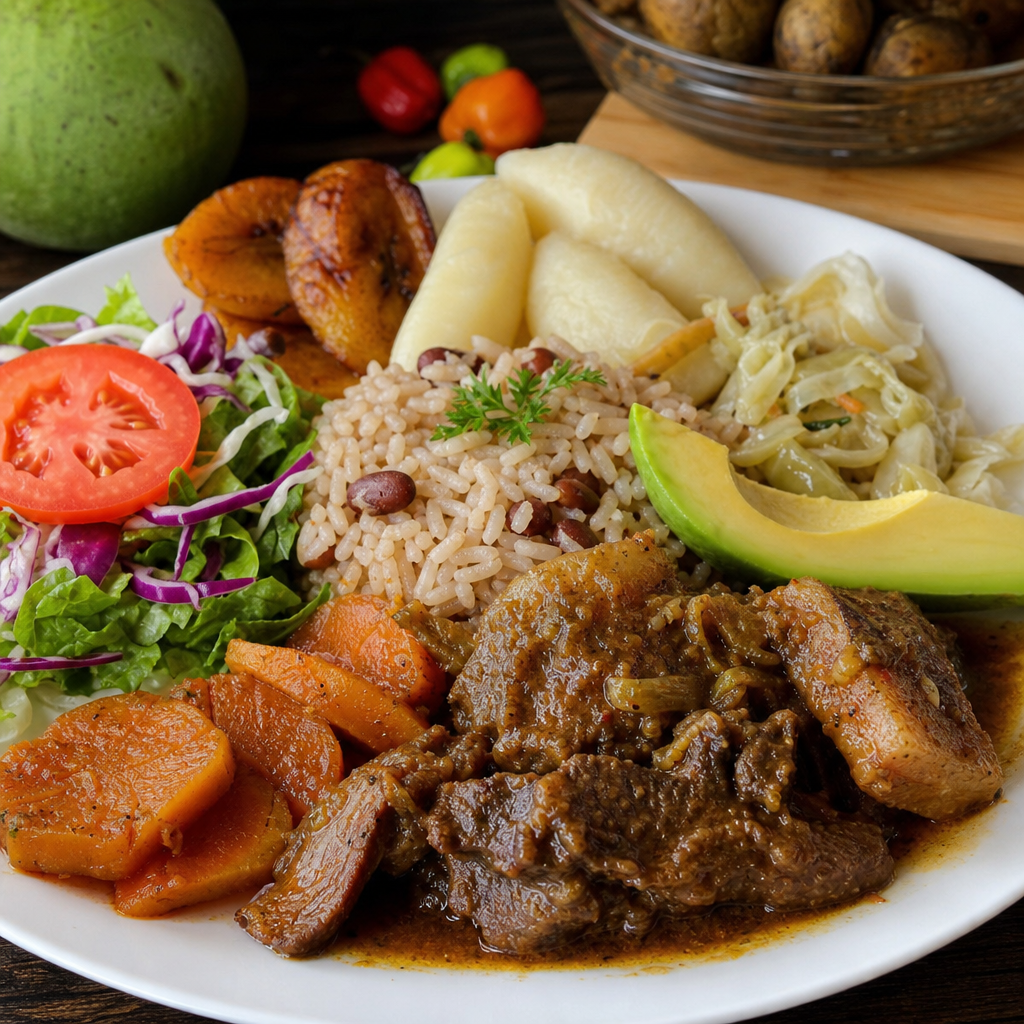
Although the phrase farm-to-table sounds contemporary, the underlying practice is not new in Nevis. Older household patterns depended on kitchen gardens, backyard fruit trees, seasonal fishing, and community exchange long before restaurants began marketing locality. Traditional dishes drew from what families could grow, gather, or trade nearby. Goat water, provision sides, green fig preparations, breadfruit dishes, stewed fish, and fruit-based drinks all emerged from that practical food culture. The modern movement succeeds when it respects those roots rather than presenting local sourcing as a novelty invented for tourism.
This cultural continuity is important because authenticity cannot be manufactured through décor alone. A chef can import expensive ingredients and still produce an unmemorable meal. By contrast, a carefully prepared local pumpkin soup with fresh thyme, island peppers, and coconut can communicate far more about Nevisian taste and history. The strongest farm-to-table experiences connect modern plating and service with recognizable local ingredients and methods. That balance keeps culinary heritage relevant instead of freezing it as museum culture.
Economic and environmental benefits, with realistic limits
The economic case for farm-to-table in Nevis is straightforward: local purchasing keeps a larger share of food spending on the island. Farmers gain buyers, fishers gain market visibility, restaurants gain distinctive products, and consumers gain fresher options. That multiplier effect is especially valuable in tourism-dependent economies, where leakage through imports can be high. Even modest substitution matters. If more hotels purchase local herbs, eggs, greens, root crops, and seafood regularly, the cumulative impact on small producers can be significant.
Environmental benefits are real but should be described carefully. Shorter transport distances can reduce emissions associated with long-haul shipping, and fresher food often means less spoilage. Mixed small-scale farming can also support soil cover and crop diversity when managed well. But local is not automatically low-impact. Water use, fertilizer practices, packaging, and post-harvest handling all affect sustainability. The most credible approach is not to romanticize local production, but to improve it with better irrigation, composting, integrated pest management, and practical food-waste reduction across the supply chain.
What is slowing growth and what can strengthen it
The main constraints on Nevis’ farm-to-table movement are consistency, scale, climate pressure, labor, and coordination. A restaurant may want local tomatoes every week, but one storm or irrigation failure can interrupt supply. Farmers may hesitate to expand without firm purchase commitments, while buyers may hesitate to commit without proof of consistency. This is a classic coordination problem in small food systems. It is solvable, but only if both sides share planning information and accept seasonality as a normal feature rather than a failure.
Several practical steps can strengthen the system. Production planning between farms and hospitality buyers helps align crop cycles with demand. Protected agriculture, including shade houses and greenhouse structures, can improve reliability for greens and herbs. Shared cold storage, standardized crates, and basic grading protocols would reduce losses and make delivery easier for smaller producers. Training also matters. Farmers benefit from support in recordkeeping and post-harvest handling, while chefs and procurement managers benefit from understanding seasonality and whole-product utilization. Those are operational improvements, not abstract ideals, and they are the foundation of long-term success.
How to support locally grown, locally enjoyed food in Nevis
Nevis’ farm-to-table movement works because it turns local food into a daily relationship rather than a slogan. The island has the ingredients needed for a durable model: fertile land, experienced growers, active fishers, a hospitality sector that values distinctiveness, and a culture that already understands the worth of seasonal eating. The strongest examples show that locally sourced food can deliver better flavor, stronger economic circulation, and a more meaningful visitor experience at the same time. When a meal reflects what the island actually produced that week, it becomes more memorable and more honest.
The key takeaway is simple. Supporting local food in Nevis means rewarding transparency, seasonality, and real connections between producer and plate. Choose restaurants that can tell you where ingredients came from. Visit markets and roadside stands. Ask what is in season. Order dishes built around local fish, provisions, fruit, and vegetables instead of defaulting to imported standards. For businesses, commit to steady local purchasing where possible and build menus around availability. For readers following this Local Life and Experiences hub, that is the best next step: explore Nevis through its food, then support the people who make locally grown, locally enjoyed meals possible every day.
Frequently Asked Questions
What does farm-to-table mean in Nevis, and why is it important?
In Nevis, farm-to-table means food is grown, raised, caught, and prepared as close as possible to where it is ultimately eaten. Rather than relying heavily on imported produce, meats, and packaged goods, this approach strengthens the link between local farmers, fishers, chefs, market vendors, and households. On a small island, that matters in very practical ways. Fresher ingredients often reach kitchens faster, seasonal harvests shape menus more naturally, and more of the money spent on food stays within the local economy.
It is also important because it supports food resilience. Islands can be especially vulnerable to shipping delays, rising import costs, and changing global supply chains. A stronger local food network helps reduce that dependence while encouraging agricultural knowledge, fishing traditions, and culinary creativity rooted in Nevis itself. For residents and visitors alike, farm-to-table is not just about freshness or restaurant branding. It is about experiencing the island through what it actually produces, from greens and herbs to tropical fruits, root crops, seafood, and locally crafted dishes that reflect Nevisian life.
What kinds of local foods are commonly part of Nevis’ farm-to-table movement?
Nevis’ farm-to-table movement includes a wide variety of ingredients that reflect the island’s climate, landscape, and food traditions. Fresh leafy greens, tomatoes, peppers, cucumbers, herbs, and other garden vegetables often play a central role, especially in salads, side dishes, and chef-driven seasonal menus. Root crops such as sweet potatoes, yams, and cassava are also important, offering both versatility and a strong connection to Caribbean cooking. Tropical fruits, including mangoes, papayas, bananas, and soursop, frequently appear in juices, desserts, breakfasts, and sauces.
Seafood is another essential part of the picture. Fishers supply fresh catches that may include snapper, tuna, lobster when in season, and other locally available seafood, giving restaurants and home cooks ingredients that are both flavorful and closely tied to the surrounding waters. Depending on the producer, locally raised livestock, eggs, and specialty items such as jams, pepper sauces, baked goods, or herbal products may also be included. What makes these foods part of the farm-to-table movement is not simply that they are local, but that they are integrated into a direct, community-based food system where the source of the meal remains visible and meaningful.
How does Nevis’ farm-to-table movement benefit local farmers, fishers, and the wider economy?
One of the biggest benefits is that it creates more direct and reliable demand for local producers. When restaurants, hotels, markets, and households intentionally purchase ingredients grown or caught on the island, farmers and fishers have stronger incentives to keep producing and, in some cases, expand what they offer. That can improve income stability, reduce waste, and open opportunities for better planning around seasonal crops and fishing cycles. It also encourages collaboration, with chefs designing menus around what is available rather than forcing producers to compete with imported goods on unfair terms.
The wider economy benefits because food spending circulates more locally. Instead of a large share of that money immediately leaving the island through imports, more of it supports jobs, transportation, small businesses, agricultural services, and community livelihoods. There are also indirect benefits, including skills development, entrepreneurship, and a stronger identity around Nevisian food culture. For tourism, the movement adds depth to the visitor experience by turning meals into something place-specific and memorable. In that sense, farm-to-table can help connect agriculture and hospitality in a way that makes the local economy more distinct, more self-supporting, and more resilient over time.
How can visitors experience farm-to-table dining and shopping while in Nevis?
Visitors can experience Nevis’ farm-to-table movement by seeking out restaurants and accommodations that highlight local sourcing on their menus, asking staff where ingredients come from, and choosing dishes built around seasonal produce or freshly caught seafood. Many chefs are proud to talk about their relationships with nearby farms and fishers, and those conversations often lead to a richer understanding of the island’s food culture. Instead of looking only for familiar international dishes, travelers can get more from the experience by ordering local vegetables, fruit-based drinks, traditional side dishes, and seafood specialties that reflect what is freshest at the time.
Shopping locally is another excellent way to participate. Visitors can explore produce stands, community markets, and small food businesses that sell island-grown fruits and vegetables, homemade condiments, baked items, and other locally prepared products. Even simple choices, such as buying local mangoes for breakfast or choosing a lunch made with island ingredients, help support the network behind the movement. Travelers who are especially interested in food can also ask about farm visits, culinary events, or hotel dining programs that emphasize local partnerships. The key is to approach food in Nevis as part of the destination itself, not just as something convenient to consume.
What challenges does Nevis face in building a stronger farm-to-table food system?
Although the movement has strong potential, Nevis faces several real challenges in expanding a local-first food system. Limited land, changing weather patterns, drought pressure, storm risk, and the cost of farming inputs can make local production difficult and sometimes unpredictable. Small islands also face logistical constraints, including storage, refrigeration, transportation, and the need to maintain a consistent supply for restaurants and hospitality businesses. Imported goods may at times seem cheaper, more standardized, or easier to access in bulk, which can make it harder for local producers to compete.
There is also the challenge of scale. A successful farm-to-table system depends on steady coordination between growers, fishers, chefs, retailers, and consumers. That requires communication, planning, and a willingness to adapt menus and expectations to the seasons. Still, these challenges do not weaken the value of the movement; they explain why it matters. The more Nevis invests in local production, agricultural support, market access, and public appreciation for island-grown food, the stronger and more sustainable the system can become. In the long run, overcoming these obstacles can help create a food culture that is fresher, more economically beneficial, and more rooted in the island’s own resources and traditions.