Eco-friendly activities for families in Nevis make it possible to enjoy the island’s beaches, forests, farms, and heritage sites while protecting the natural systems that draw visitors there in the first place. In practical terms, eco-friendly means choosing experiences that reduce waste, conserve water and energy, respect wildlife, and direct spending toward local guides, farmers, artisans, and conservation-minded businesses. For families, that matters because children learn quickly from what travel looks like in action: whether adults refill bottles, stay on marked trails, ask permission before photographing people, and support operators who treat the island as a living home rather than a backdrop. Nevis is especially well suited to this kind of travel. The island is compact, less crowded than many Caribbean destinations, and rich in varied landscapes, from coral-fringed shoreline and quiet coves to volcanic slopes, rain-fed vegetation, and working agricultural land. That variety gives families many low-impact ways to spend a day without relying on high-consumption entertainment.
After planning family itineraries across the Eastern Caribbean, I have found that Nevis rewards slower, more intentional travel. Distances are short, so a single base can support beach mornings, village visits, historical stops, and nature outings with limited driving. The best sustainable family activities here are not extreme or complicated. They are the simple choices repeated consistently: walking instead of driving when practical, booking local naturalists instead of generic excursions, carrying reef-safe sun protection, and choosing tours that explain ecosystems instead of merely using them. Families often ask what children can actually do on Nevis besides swim. The answer is a lot. They can explore tide pools, join guided hikes suitable for mixed ages, visit small farms, cycle quiet roads, learn about sea turtles and coastal habitats, and discover how local history connects to land use, architecture, and food. Done well, these activities create meaningful memories and leave a lighter footprint.
Beach days with a conservation mindset
A beach day can be one of the most eco-friendly family activities in Nevis if it is planned with care. The island’s beaches, including Pinney’s Beach, Oualie Beach, and the more secluded Lovers Beach area, offer long stretches of sand and calm water that work well for children. The low-impact approach starts before anyone reaches the shore. Bring reusable water bottles, avoid single-use snack packaging where possible, and choose mineral-based, reef-conscious sunscreen that does not rely on chemicals commonly associated with coral stress, such as oxybenzone and octinoxate. While sunscreen science is nuanced and local regulations vary by destination, families can still reduce unnecessary chemical load by using rash guards, hats, and shade first, then applying sun protection thoughtfully.
On the beach itself, families should treat dunes, seagrass wrack, and rocky pools as habitat, not mess. The dried seaweed and plant material that wash ashore can look untidy, but they help trap sand, reduce erosion, and support invertebrates that feed birds and fish. Children often love searching for shells, but the better lesson is to admire living creatures where they are and leave intact shells behind when possible, because shells provide future habitat and eventually become part of the coastal system again. Snorkeling can also be sustainable when families avoid standing on coral, keep fins clear of fragile areas, and never chase sea turtles or rays. A good beach operator will brief guests on these rules automatically. If they do not, that is a signal to choose another provider.
Nature walks, volcano foothills, and family hiking
Nevis Peak dominates the island, and while the full summit hike is strenuous and usually best for experienced adults or older teens with a qualified guide, the lower slopes and surrounding trails offer excellent family-friendly nature experiences. The ecological value of hiking on Nevis is obvious once a guide begins pointing things out. Families move from drier coastal vegetation into greener interior zones shaped by elevation, moisture, and volcanic soils. Along the way, children can learn to identify common tropical plants, listen for birds, and understand how forests help regulate runoff, stabilize hillsides, and protect nearshore waters from sedimentation. That final point matters: when upland areas are degraded, soil washes downhill after rain and can smother marine habitats.
I always recommend guided walks for families because local naturalists turn a simple trail into a living classroom. They can explain the difference between native species and introduced ones, show signs of monkey activity, and pace the route for younger walkers. Green vervet monkeys are charismatic, but they should never be fed. Feeding wildlife changes behavior, increases conflict, and teaches children the wrong lesson about wild animals. Families should also stay on established paths, both for safety and to prevent trampling of vegetation. Proper footwear, refillable water bottles, and a willingness to turn around if conditions change are part of responsible hiking. In tropical environments, sustainability includes safety because rescues and trail damage often begin with poor preparation.
Sea-based learning: kayaking, paddleboarding, and responsible snorkeling
Non-motorized water sports are among the best sustainable tourism choices for families in Nevis because they offer close contact with marine ecosystems with relatively low noise and fuel use. Kayaking and stand-up paddleboarding around calm bays let children see fish, seabirds, and mangrove edges at a slower pace than jet skis or speedboats ever allow. The key is to book operators who prioritize instruction and habitat protection. Good guides explain wind conditions, safe distances from nesting birds, and how shallow seagrass beds function as nurseries for marine life. Seagrass is often overlooked by visitors because it lacks the visual drama of coral reefs, yet it stores carbon, stabilizes sediment, and supports juvenile fish populations that help sustain broader reef health.
Responsible snorkeling follows the same principle: access should lead to understanding, not damage. Families with young children do best in calm, sandy-entry sites where flotation aids can be used comfortably. The goal is not to cover maximum distance but to observe carefully. Point out parrotfish grazing algae, explain why that grazing supports reef resilience, and show how even a small patch reef contains many microhabitats. Avoid touching starfish, turning over rocks, or collecting marine life in buckets. If a guide feeds fish to create photo opportunities, that is not a conservation-oriented experience. Choose educators over entertainers. Many families remember one carefully guided hour in the water far more vividly than a rushed half-day boat trip built around volume rather than quality.
Farm visits, local food, and low-impact family outings
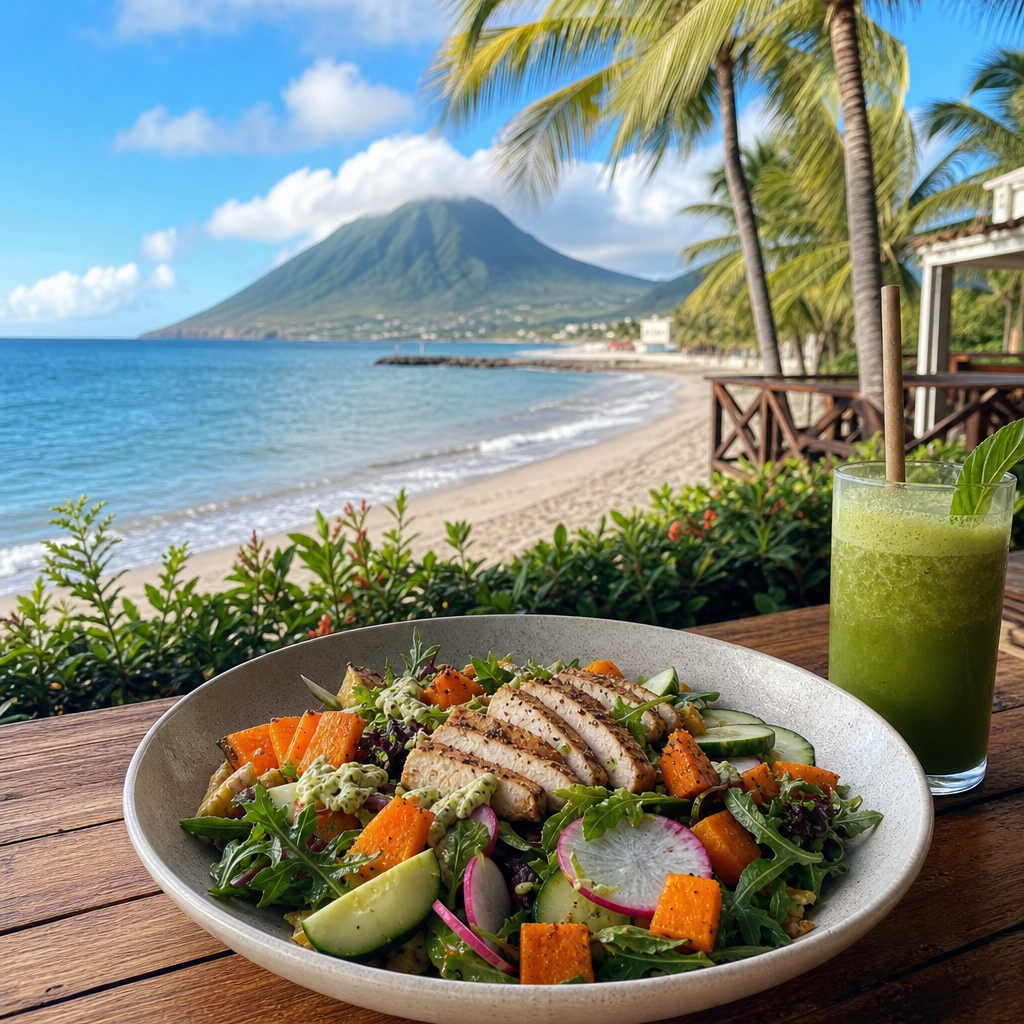
One of the most underrated eco-friendly activities for families in Nevis is visiting the island through its food system. Small farms, kitchen gardens, roadside fruit stands, and locally run restaurants all tell part of the sustainability story. Children can see breadfruit, mango, coconut, herbs, and seasonal vegetables growing in the climate where they are eaten, which makes food feel less abstract than it does at home. Supporting local agriculture shortens supply chains, keeps more visitor spending on the island, and reduces dependence on imported goods that arrive with packaging and transport emissions. Families can also ask practical questions: what grows well in the dry season, how farmers manage soil health, and which crops are most vulnerable to storms or drought.
A thoughtful food-based outing might include a farm tour, a stop at the public market, and a meal built around local ingredients rather than heavily imported menus. This approach is not about purity. Nevis, like many islands, imports a significant share of its food, and visitors should understand that reality rather than romanticize self-sufficiency. Still, every meal that features local fish from responsible sources, island-grown produce, and house-made drinks in reusable glass has a different economic and environmental effect than one centered on disposable service ware and imported convenience foods. For children, tasting guava jam, fresh coconut water, or a dish made with local greens can be as memorable as any attraction, especially when someone explains where the ingredients came from and who produced them.
Heritage sites and cultural experiences that support place-based tourism
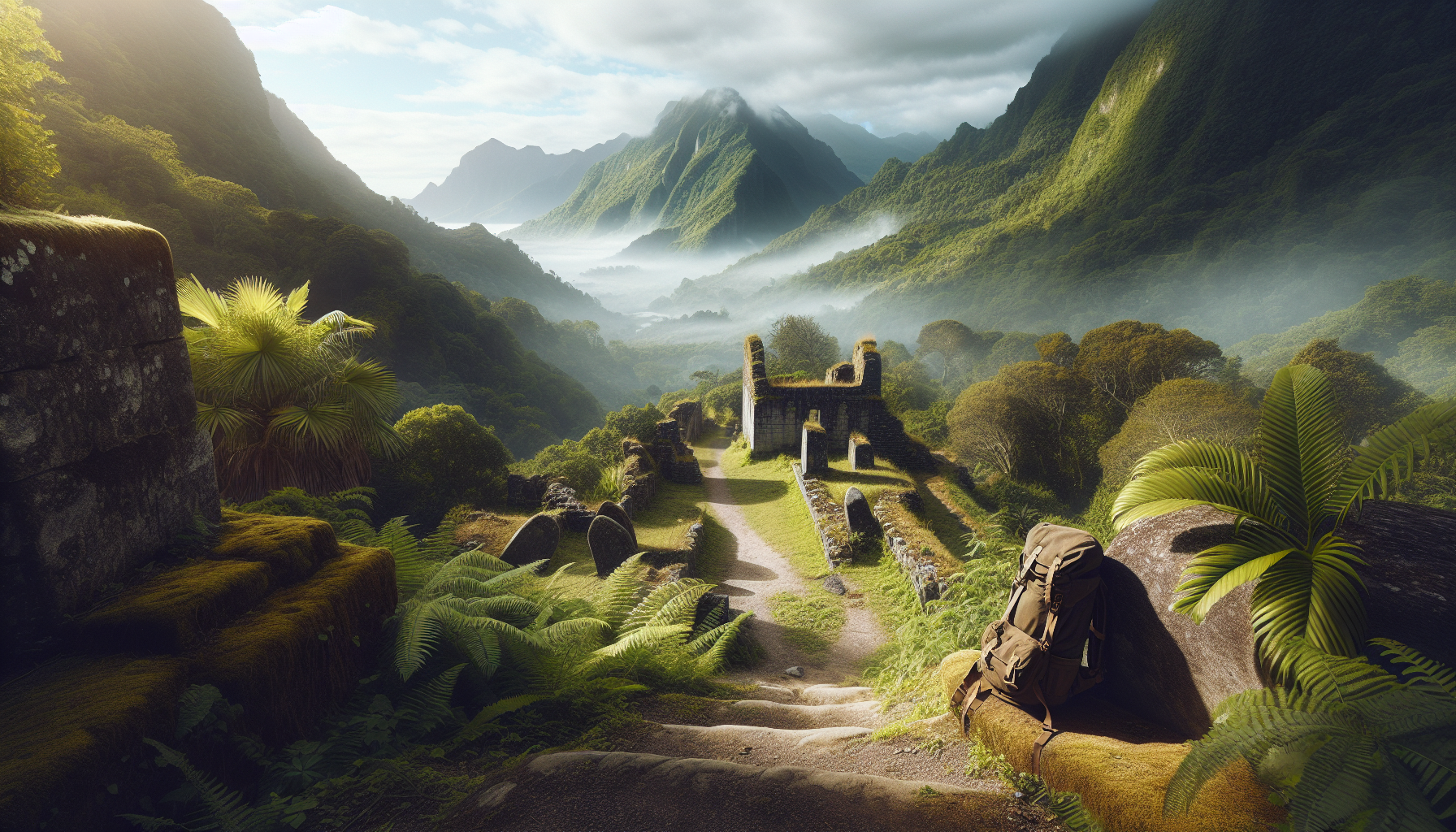
Sustainable family travel in Nevis is not only about wildlife and landscapes. It also includes understanding the island’s history, architecture, and living culture. Heritage stops such as the Alexander Hamilton Museum area in Charlestown, old churches, village streets, and plantation-era sites help families connect environmental stewardship to human stories. Land use in the Caribbean has always shaped ecosystems, from sugar cultivation and deforestation to modern tourism development and coastal change. When children learn that history, they understand that sustainability is about choices over time, not just picking up litter on the beach. A guided heritage walk can also support local experts whose knowledge might otherwise be undervalued compared with purely recreational tourism products.
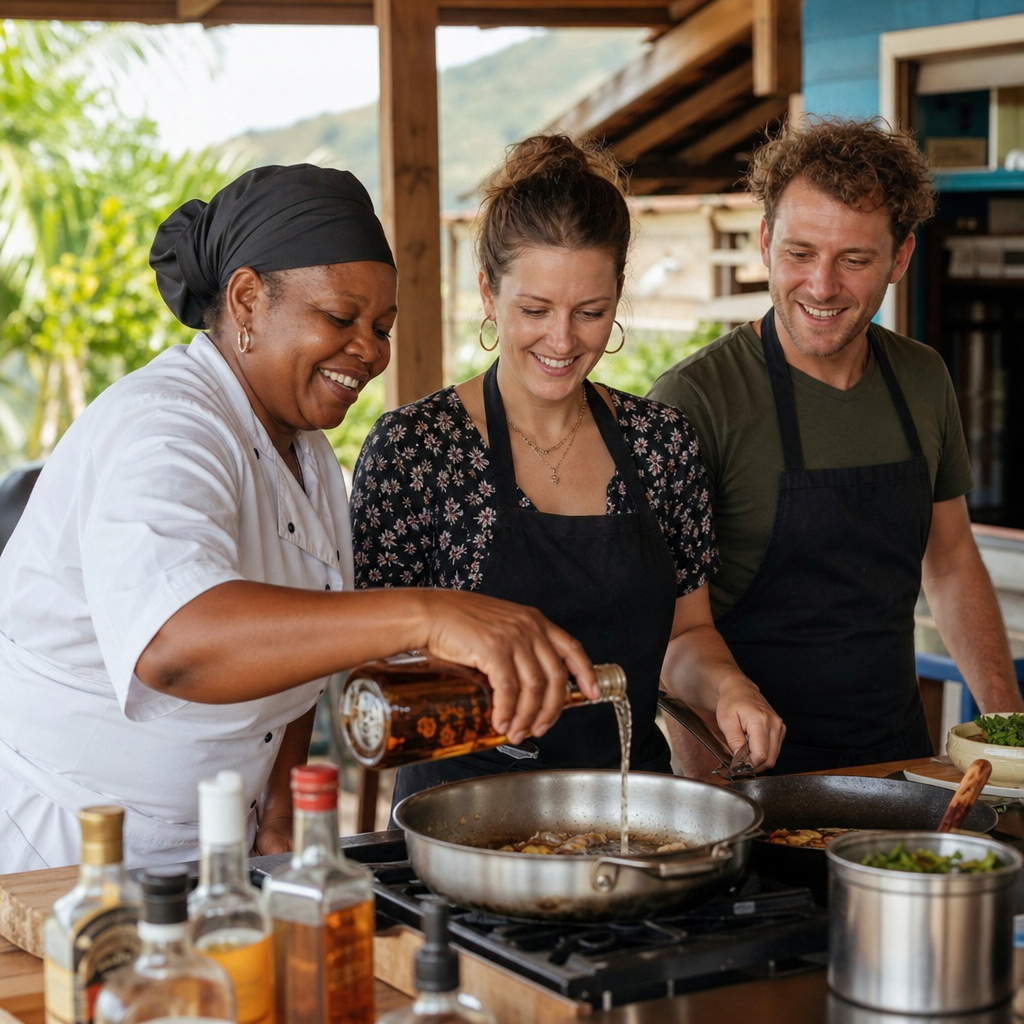
The most responsible cultural experiences are the ones that treat communities as participants, not displays. Families should look for workshops, walking tours, and small-group visits where residents lead the interpretation and benefit directly from visitor spending. That could mean learning traditional cooking methods, visiting artisans, or attending community events respectfully. Dress appropriately, ask before taking close-up photos, and buy directly from makers when possible. Heritage conservation and environmental conservation often reinforce each other: maintaining historic buildings can reduce demolition waste, preserving walkable town centers lowers transport demand, and valuing local identity can discourage the kind of generic overdevelopment that erodes both culture and habitat. In Nevis, culture is not separate from sustainability; it is one of its strongest anchors.
Practical planning tips for a lower-impact family itinerary
The difference between ordinary sightseeing and genuinely eco-friendly family travel in Nevis usually comes down to planning details. Families who want a lower-impact trip should prioritize nearby activities, combine stops geographically, and leave room for slower days instead of crisscrossing the island repeatedly. Choose accommodations that demonstrate visible conservation practices such as refill stations, efficient lighting, linen reuse policies, and local sourcing. Ask tour providers direct questions: How large are your groups? Do you brief guests on wildlife etiquette? Do you employ local guides? What do you do about waste on tours? Serious operators answer clearly. Vague responses usually mean sustainability is being used as a label rather than a practice.
| Activity | Why it is eco-friendly | Best family practice |
|---|---|---|
| Beach visit | Low infrastructure use when done responsibly | Bring reusables, use shade, leave shells and wildlife undisturbed |
| Guided nature walk | Builds conservation awareness and supports local experts | Stay on trails, carry refillable water, do not feed monkeys |
| Kayaking or paddleboarding | Minimal fuel use and low noise in marine habitats | Keep distance from birds, avoid scraping seagrass, follow guide instructions |
| Farm or market visit | Supports local producers and shorter food supply chains | Buy seasonal items, carry a tote bag, ask about local crops |
| Heritage walking tour | Encourages place-based tourism with low material impact | Book local guides, respect photography norms, support artisans directly |
Transport choices matter too. Nevis is small enough that walking and cycling can replace some car trips, especially around Charlestown and certain beach areas, though families should still account for heat, road conditions, and children’s stamina. If renting a vehicle, combine errands and excursions rather than making multiple short journeys. Pack a simple sustainability kit: reusable bottles, light towels, utensils for takeout, a dry bag, and a container for snacks. These basics prevent a surprising amount of waste. Finally, let children take part in the decisions. Ask them to help choose one beach rule, one wildlife rule, and one local business to support each day. Participation turns sustainability from a parental lecture into a family habit.
Eco-friendly activities for families in Nevis are most rewarding when they combine enjoyment, education, and respect for local realities. The island offers exactly that mix: calm beaches, gentle water sports, guided walks, local food experiences, and heritage outings that reveal how culture and environment shape each other. Families do not need a perfect zero-impact vacation to travel responsibly. What matters is making better choices consistently: supporting local guides and farmers, reducing disposable waste, protecting reefs and wildlife, and moving through the island with attention rather than entitlement. Those choices improve the trip itself because they slow the pace, deepen understanding, and create stronger memories for children and adults alike.
As a hub within sustainable tourism, Nevis stands out because its best family experiences are grounded in place, not excess. A morning tide-pool walk, an afternoon market stop, or a short guided forest trail can teach more than a packed schedule of generic attractions. Start with a few simple actions: book one nature-based tour with a local expert, plan one meal around local ingredients, and commit to reusable essentials from day one. Families who travel this way help protect the island they came to enjoy, and they return home with habits worth keeping. Build your Nevis itinerary around care, curiosity, and community, and the island will give your family far more than a holiday.
Frequently Asked Questions
What are the best eco-friendly activities for families in Nevis?
The best eco-friendly activities for families in Nevis are the ones that let you experience the island’s natural beauty and culture without putting unnecessary pressure on local ecosystems. Family favorites often include guided nature walks in forested areas, beach cleanups paired with swimming or picnics, farm visits that introduce children to local food production, snorkeling in calm waters while following reef-safe practices, and exploring historic sites with local guides who share the island’s heritage in a meaningful way. These activities are enjoyable, educational, and easier on the environment than more resource-intensive excursions.
For many families, a good balance includes time at the beach, time in nature, and at least one experience that supports local livelihoods directly. A morning spent birdwatching or hiking can be followed by lunch at a locally owned restaurant that uses island-grown ingredients. A visit to a small farm or artisan workshop helps children connect what they eat and buy with the people who produce it. In Nevis, eco-friendly travel is not only about “doing less harm”; it is also about making better choices that benefit the island’s communities and landscapes. When families choose low-impact activities and support conservation-minded local businesses, they help preserve the very places they came to enjoy.
How can families enjoy Nevis beaches responsibly and still have fun?
Families can absolutely enjoy Nevis beaches responsibly without giving up any of the fun. The key is to combine simple habits with a little planning. Bring reusable water bottles, snack containers, and beach bags instead of disposable plastic items. Choose reef-safe sunscreen that avoids ingredients known to harm marine ecosystems, and apply it well before entering the water. Stick to established beach access points so dunes and coastal vegetation are not damaged, and always take all trash with you when you leave, even small items like bottle caps, food wrappers, or broken toys.
It also helps to teach children how beach ecosystems work. Explain why shells with living creatures should be left in place, why birds should not be chased or fed, and why touching marine life can be harmful to both animals and people. Families can turn this into a positive learning experience by looking for signs of coastal life, identifying seabirds from a distance, or joining an organized cleanup if one is available. Responsible beach time in Nevis means treating the shoreline as more than a playground; it is also habitat, protection from erosion, and part of the island’s identity. With that mindset, families can swim, explore, build sandcastles, and relax while still being good stewards of the coast.
Are there family-friendly nature tours in Nevis that support conservation?
Yes, many family-friendly nature experiences in Nevis can support conservation, especially when they are led by knowledgeable local guides and small operators who prioritize education, wildlife respect, and low-impact practices. Guided walks, birdwatching outings, rainforest hikes, and marine experiences can all be eco-friendly when they are well managed. A good tour operator will keep group sizes reasonable, use established trails or safe marine access points, avoid disturbing animals, and explain why these practices matter. For families, this often makes the experience better, because children stay more engaged when a guide helps them notice birds, insects, trees, and coastal life they would otherwise miss.
When choosing a tour, ask a few practical questions. Does the guide follow leave-no-trace principles? Do they employ local residents? Do they provide information about Nevis’s ecosystems, history, or conservation challenges? Do they avoid wildlife handling and discourage feeding animals? Businesses that can answer clearly and confidently are often the best fit for families who want their spending to align with their values. Supporting these tours helps create economic incentives for preserving forests, coastlines, and biodiversity. It also gives children a firsthand example of how tourism can protect natural places rather than simply use them.
What should families pack for eco-friendly activities in Nevis?
Packing thoughtfully can make a big difference in how sustainable your family trip is. Start with reusable essentials: water bottles, coffee cups if needed, food containers for snacks, cloth napkins, shopping bags, and a lightweight tote for beach or market visits. Sun protection is also important, so pack reef-safe sunscreen, reusable hats, UV-protective swimwear, and sunglasses. For nature outings, bring sturdy walking shoes or sandals suitable for trails, a small first-aid kit, insect protection that is appropriate for tropical conditions, and quick-dry clothing that can be washed and worn again. These items reduce waste and make it easier to choose lower-impact activities throughout your stay.
It is also wise to pack with local conditions and conservation in mind. A reusable water bottle helps cut down on single-use plastic, especially during long beach or hiking days. A dry bag or waterproof pouch can protect phones and documents without needing disposable plastic bags. Binoculars are great for birdwatching and allow children to observe wildlife from a respectful distance. If you plan to shop at farm stands or local markets, reusable produce bags are useful as well. Packing this way is not complicated, but it encourages habits that support the island’s environmental goals and helps families move through Nevis more comfortably and responsibly.
How can families make sure their spending in Nevis supports local communities and sustainable tourism?
Families can support local communities and sustainable tourism in Nevis by being intentional about where they spend money. Prioritize locally owned accommodations, restaurants, tour companies, farms, and shops whenever possible. That keeps more tourism income on the island and strengthens the businesses that are often most invested in protecting local landscapes and traditions. Eating locally grown food, hiring Nevis-based guides, and purchasing handmade goods from artisans are all practical ways to make your trip more beneficial to residents. These choices also tend to create more authentic family experiences, because they bring visitors into closer contact with the island’s culture and everyday life.
It is equally important to look beyond marketing language and ask what a business actually does. Sustainable tourism is not just about using the word “eco.” Look for operators that reduce waste, conserve water and energy, treat staff fairly, source products locally, and educate visitors about responsible behavior. Families can also avoid experiences that exploit wildlife, generate excessive noise or pollution, or encourage disrespect for fragile natural areas. Even small decisions matter, such as choosing refill stations over bottled water, dining at independent restaurants instead of imported-chain style venues, or joining tours that emphasize learning rather than extraction. Over time, these choices help shape a tourism economy in Nevis that protects the island’s beaches, forests, farms, and heritage for future generations.