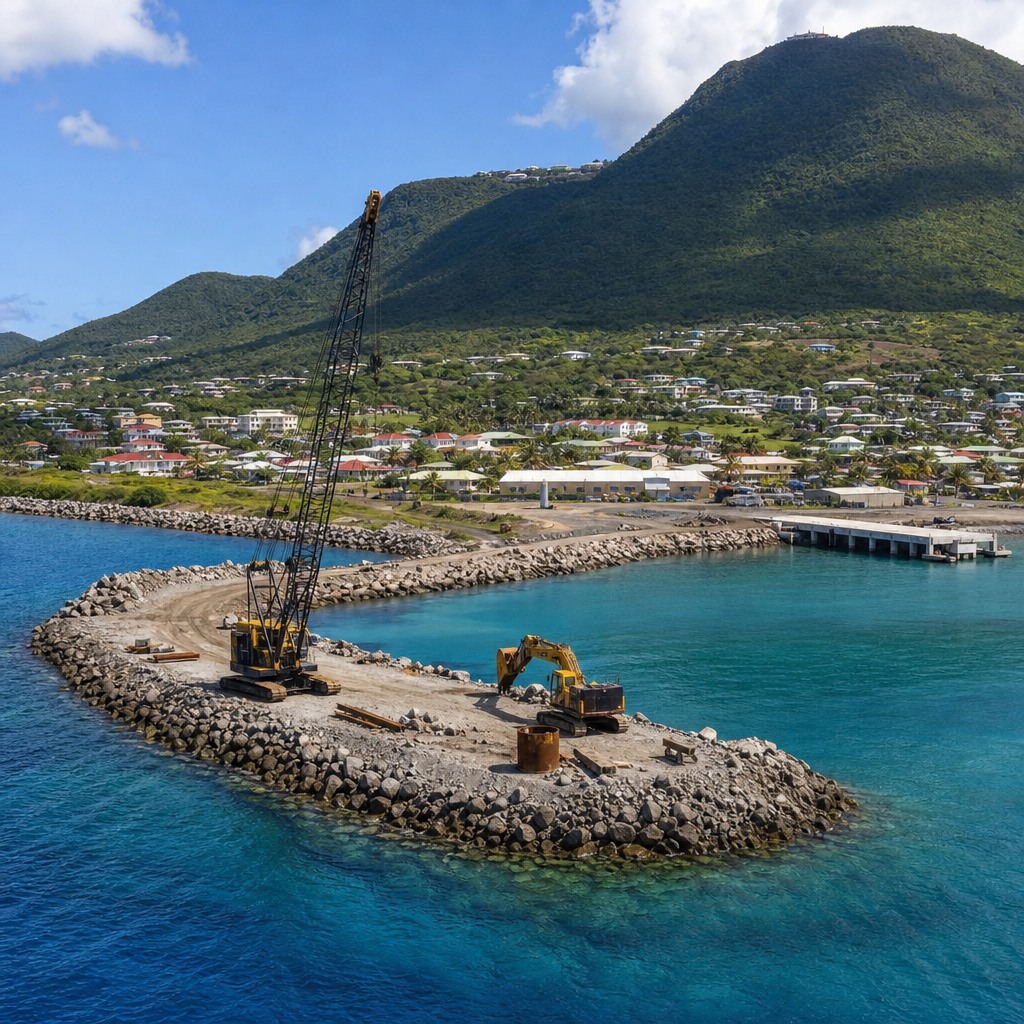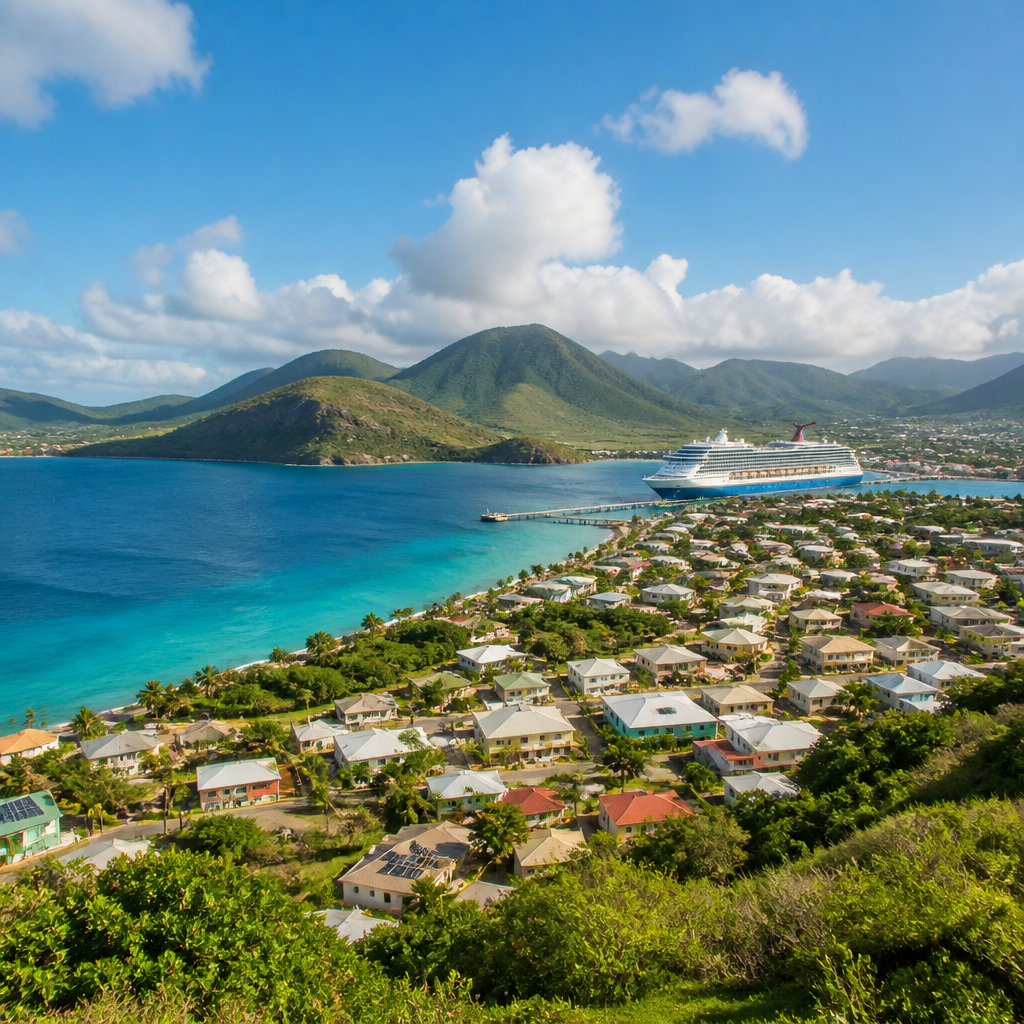
Sustainable cruise travel in Saint Kitts is no longer a niche concern for a few environmentally minded visitors; it is becoming the practical standard for travelers, ports, tour operators, and local communities that want tourism growth without damaging the island experience people come to enjoy. In this guide, sustainable cruise travel means planning, arriving, touring, spending, and departing in ways that reduce environmental harm, support Kittitian businesses, protect cultural heritage, and distribute tourism benefits more fairly across the destination. Saint Kitts, part of the Federation of Saint Kitts and Nevis in the Eastern Caribbean, welcomes cruise passengers primarily through Port Zante in Basseterre, a busy gateway that places thousands of visitors within walking distance of historic sites, shops, transport operators, and excursion providers. That convenience creates opportunity, but it also raises pressure on roads, beaches, waste systems, reefs, water use, and community life. I have worked with cruise-focused destination content and shore-experience planning long enough to see the same pattern everywhere: when sustainability is treated as a marketing slogan, overcrowding and low local benefit follow; when it is built into excursion design, transport choices, food sourcing, and visitor behavior, both guest satisfaction and destination resilience improve. For travelers researching Saint Kitts cruise excursions, eco tours, local food, cultural experiences, and responsible shore days, the core question is simple: how do you enjoy the island while leaving it better off? This article answers that question directly and serves as a hub for the wider miscellaneous side of sustainable tourism in Saint Kitts, connecting practical decisions on transport, spending, wildlife, timing, and etiquette into one clear framework.
Why sustainable cruise travel matters in Saint Kitts
Saint Kitts is compact, scenic, and highly accessible from the cruise port, which makes it ideal for shore excursions but also vulnerable to concentrated visitor flows. On heavy ship days, thousands of passengers can move through Basseterre, South Friars Bay, Romney Manor, Brimstone Hill Fortress National Park, and scenic railway departures within a narrow time window. That concentration can strain traffic corridors, create beach crowding, and push operators toward high-volume, low-value experiences. Sustainable cruise travel matters because the island’s appeal depends on intact reefs, clean beaches, reliable water infrastructure, preserved architecture, and a strong sense of place that cannot survive unmanaged volume forever.
It also matters economically. Cruise tourism can generate strong daily visitor numbers, yet the share of spending retained locally varies widely depending on what travelers book and buy. Imported souvenirs, foreign-owned excursion chains, and prepaid packages often leak revenue out of the destination. By contrast, independently run taxi tours, locally owned restaurants, craft producers, heritage guides, and community-based experiences keep a higher portion of each tourism dollar on the island. In practice, one responsible shore day can have more local economic value than a rushed schedule built around generic retail stops.
There is a climate and marine dimension as well. Cruise ships have improved technology in areas such as shore power readiness, wastewater management, and emissions controls, but the industry still carries a significant environmental footprint. A passenger cannot redesign a ship’s fuel system in one afternoon, yet individual choices still matter. Walking instead of taking a short taxi ride, choosing a small-group snorkeling operator that follows reef-safe practices, carrying a reusable water bottle where refill options exist, and avoiding single-use beach gear all reduce impact at the destination level. Sustainability in Saint Kitts is therefore not abstract. It shows up in traffic, coral condition, beach cleanliness, business ownership, food sourcing, and whether residents feel tourism is serving them rather than displacing them.
How to choose responsible cruise excursions and shore days
The best sustainable cruise excursions in Saint Kitts share five traits: they are locally owned or locally led, they run in manageable group sizes, they respect natural and heritage sites, they are transparent about pricing and inclusions, and they leave enough schedule margin to avoid rushed transport or missed-ship risk. When I assess operators, I look first at who owns the business and who guides the experience. A rainforest hike led by a trained local naturalist, for example, usually delivers stronger interpretation and better trail conduct than a large convoy tour built around speed.
Travelers often ask whether ship-sponsored tours or independent tours are more sustainable. The answer depends on the operator, not the sales channel. A cruise-line excursion can be responsible if it uses certified local partners, small groups, and well-managed sites. An independent tour can be irresponsible if it overloads beaches, feeds wildlife, or sells unrealistic itineraries. The practical screening questions are straightforward: How many guests are on the tour? Is lunch sourced locally? Are guides trained in heritage or marine safety? What is the policy on litter, plastics, reef contact, and wildlife disturbance? Does the itinerary include meaningful time at one place, or is it a box-ticking loop?
Saint Kitts offers several excursion formats that can work well when operated responsibly: walking tours of Basseterre’s historic core, heritage visits to Brimstone Hill Fortress National Park, farm or garden experiences, culinary tours, small-group catamaran trips with reef-safe briefings, scenic drives with cultural interpretation, and railway journeys paired with local food stops. The most sustainable option is usually the one that matches your mobility, budget, and interests closely enough that you do not overconsume transport, time, and packaged add-ons you never wanted in the first place.
Where your money goes: supporting the local economy
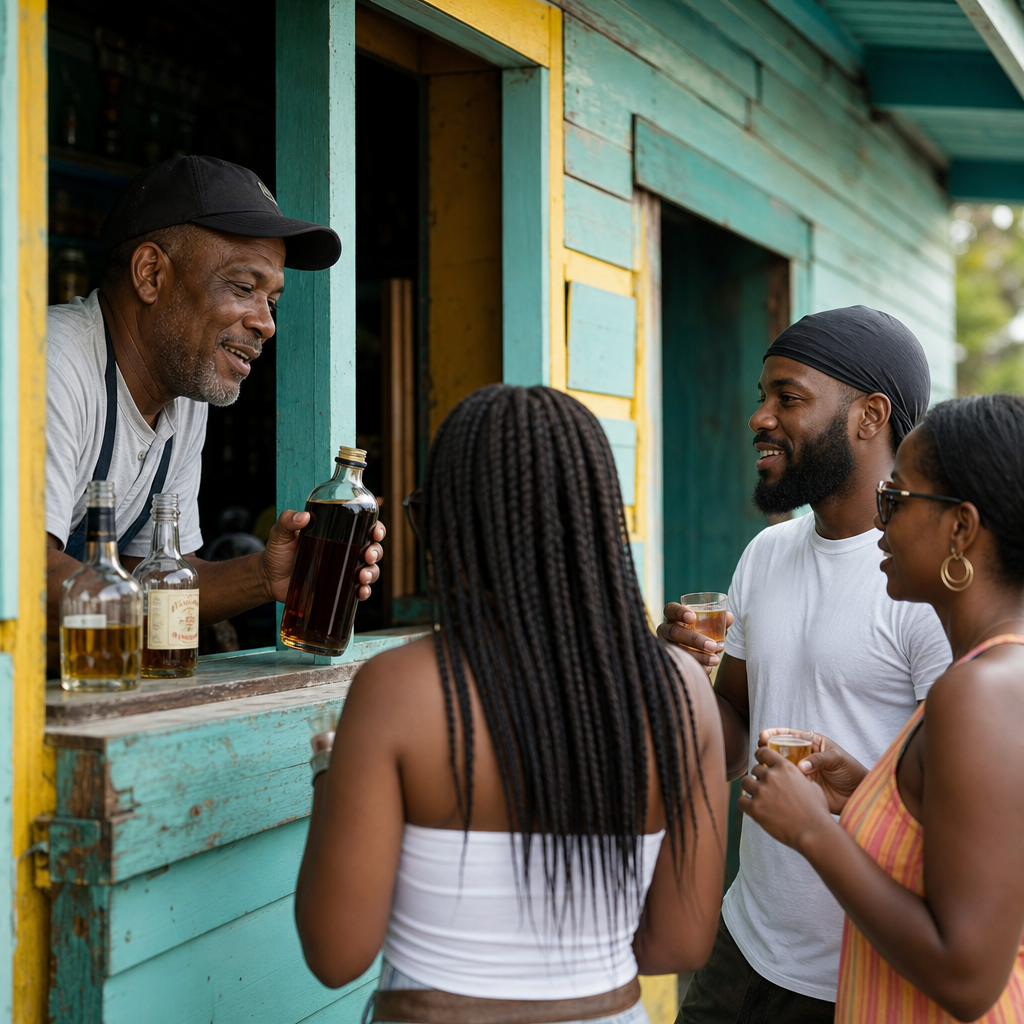
If you want your cruise visit to benefit Saint Kitts directly, spend intentionally. The highest-value purchases are usually services and products with local labor, local ownership, and local inputs. That includes guided walking tours, licensed island guides, family-run restaurants, craft vendors making goods on island, musicians, cultural performers, and small transport providers. Imported jewelry and standardized duty-free shopping may have a place in cruise retail, but they rarely deliver the same local multiplier effect as food, storytelling, and skilled services rooted in the island.
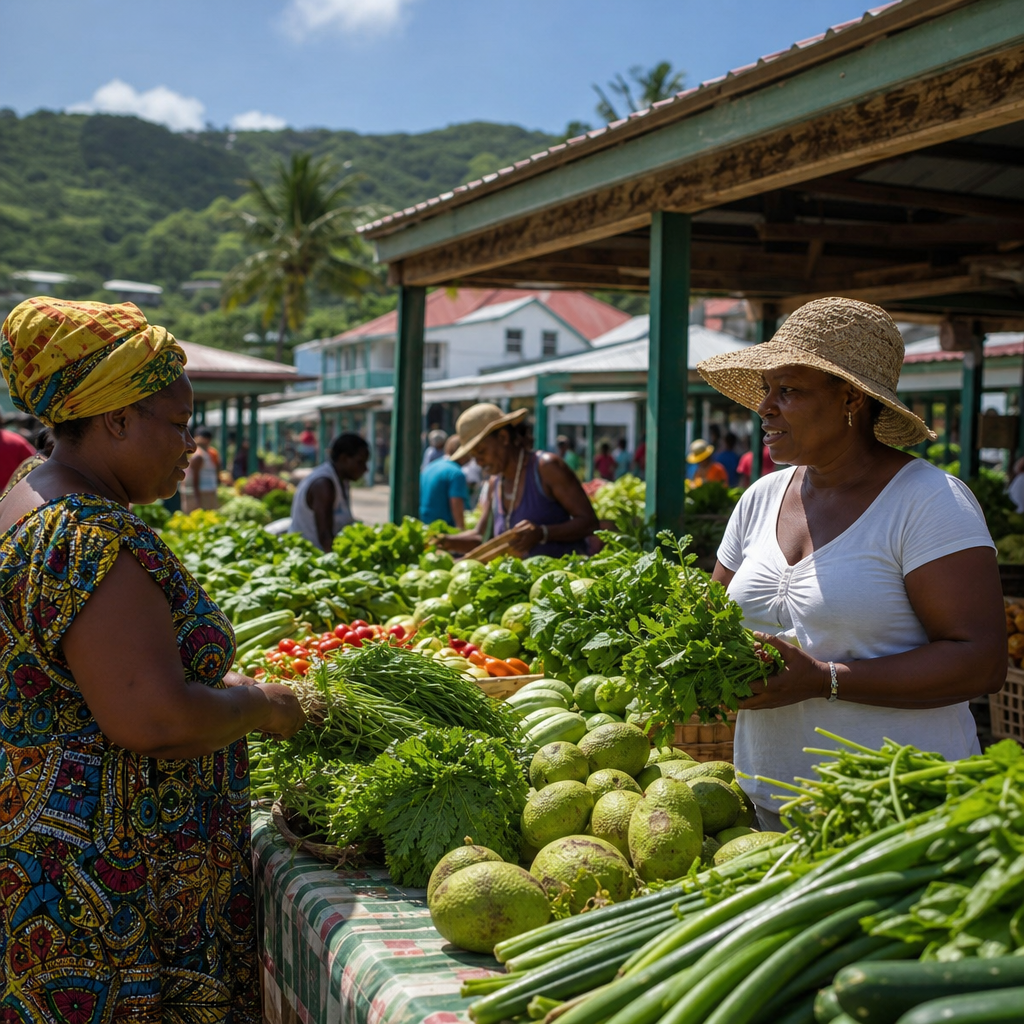
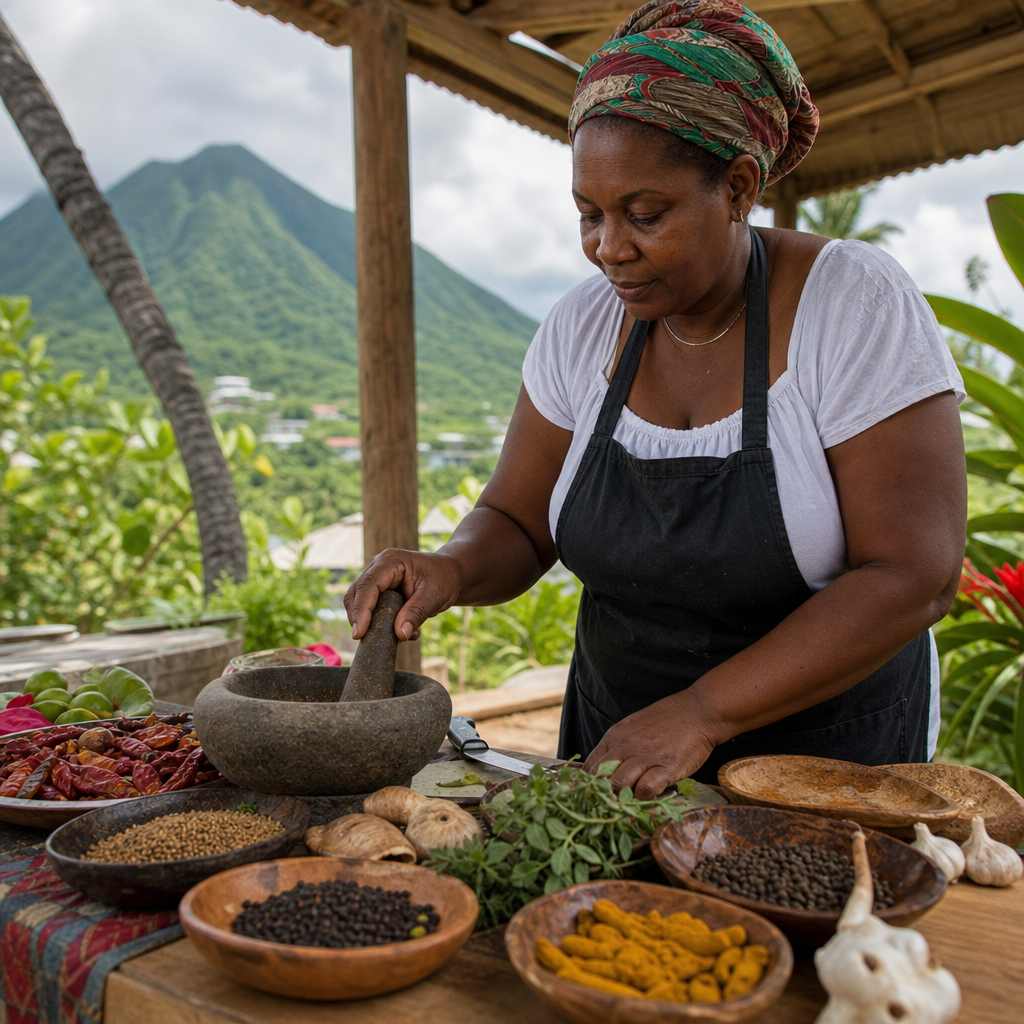
A good rule is to ask one extra question before buying: was this made here, grown here, cooked here, or guided by someone from here? In Basseterre, that can steer you toward handmade crafts, local sauces, island cuisine, and historical interpretation rather than anonymous products available in any port. It can also shift lunch choices away from familiar chain-style menus toward Kittitian dishes that reflect place and season. Conch, saltfish, goat water, johnny cakes, breadfruit, plantain, and fresh tropical fruit offer a stronger connection to destination than imported convenience food.
Tipping matters too, especially when it rewards service workers directly. Use cash where appropriate, confirm accepted payment methods in advance, and carry small denominations to avoid friction. Responsible spending is not about spending more at every turn. It is about increasing local retention of the money you were already planning to spend.
Low-impact ways to explore Basseterre and beyond
For many cruise passengers, the most sustainable day in Saint Kitts is also the most enjoyable: a slower day with fewer transfers. Port Zante sits close to central Basseterre, making walking a strong first choice for shops, architecture, Independence Square, the National Museum area, and informal food stops. Walking reduces congestion, lowers emissions from short trips, and gives you time to notice details that bus-based tours miss, from Georgian-influenced facades to street-level commerce and everyday island rhythms.
When you do travel farther, combine stops intelligently. For example, pairing Romney Manor with Caribelle Batik and Brimstone Hill Fortress in one route can be more efficient than booking disconnected outings on separate visits. Shared taxis and organized small-group transport often outperform individual vehicle hire from a sustainability perspective, provided vehicles are not idling excessively and drivers avoid unnecessary deadheading. On beach days, choose one beach and stay put rather than hopping between multiple coves for social media variety.
| Travel choice | Typical impact | Better sustainable option |
|---|---|---|
| Short taxi ride from port to nearby town sights | Higher congestion for minimal time savings | Walk Basseterre when distance and mobility allow |
| Large bus tour with many brief stops | Low depth, more idling, crowded sites | Small-group tour with fewer, longer stops |
| Imported souvenir shopping only | Lower local economic retention | Buy locally made crafts, food products, or guided services |
| Beach hopping across the island | More transport use and site pressure | Choose one managed beach and support onsite local vendors |
| Reef visit without environmental briefing | Higher risk of coral damage | Use operators with clear snorkel rules and reef-safe practices |
Travelers with limited time should remember that doing less can produce a better shore day. One heritage site, one local meal, and one unhurried walk through Basseterre often create a richer memory than trying to compress beaches, shopping, viewpoints, and sailing into a six-hour sprint.
Protecting beaches, reefs, wildlife, and water resources
Marine and coastal protection is central to sustainable tourism in Saint Kitts because the island’s visitor economy depends heavily on beach quality, nearshore ecosystems, and scenic coastline. Coral reefs are vulnerable to physical contact, sediment disturbance, sunscreen pollution, and careless anchoring. If you snorkel or swim, never stand on coral, chase marine life, feed fish, or collect shells from living habitats. Choose operators that give a pre-water briefing, use established moorings where possible, and separate confident swimmers from beginners so the group does not drift onto sensitive areas.
Sunscreen deserves special mention. Mineral-based reef-conscious formulas are generally preferable for reef areas, though regulations and scientific debates vary by ingredient and jurisdiction. The practical point is simple: apply thoughtfully, cover up with rash guards or swim shirts when possible, and avoid creating avoidable chemical load in the water. Bring reusable gear, secure trash before windy boat rides, and refuse single-use plastics you do not need.
Fresh water is another underappreciated issue on Caribbean islands. Long showers at beach clubs, unnecessary towel turnover, and disposable beverage habits all increase resource pressure. Cruise passengers often assume their individual use is too small to matter, but on high-volume port days the cumulative effect is real. Sustainable travel in Saint Kitts means treating water, shade, sand, and reef access as limited assets, not endless amenities.
Cultural respect, heritage sites, and community etiquette
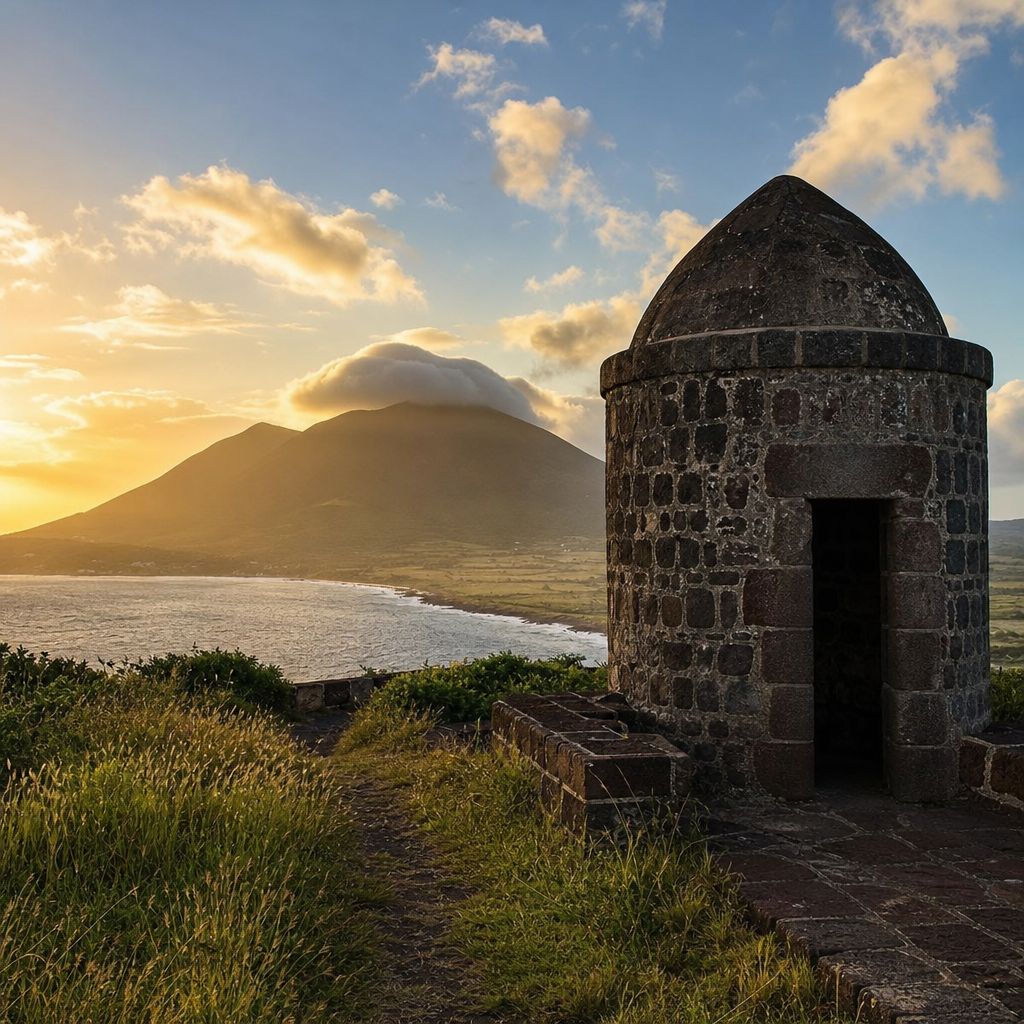
Responsible cruise travel is not only environmental; it is cultural. Saint Kitts has layered histories of Indigenous presence, colonization, plantation agriculture, emancipation, and nation-building that shape today’s landscapes and communities. Sites such as Brimstone Hill Fortress National Park are not interchangeable photo backdrops. They are historical places that deserve time, context, and appropriate conduct. Read the site panels, listen to guides, stay on designated paths, and resist the cruise habit of consuming heritage at high speed.
In towns and villages, basic etiquette carries outsized importance. Ask before photographing people, especially vendors and children. Dress appropriately when leaving beach areas and entering churches, public buildings, or more residential streets. Be patient with island pace instead of demanding instant service based on ship schedules. Local hospitality is strongest when visitors show ordinary courtesy and curiosity rather than entitlement.
Language matters as well. Avoid describing places as undeveloped when you mean less commercialized. Do not treat local neighborhoods as attractions without understanding that people live and work there. Sustainable tourism in Saint Kitts works best when cruise guests behave like temporary participants in a real community, not consumers moving through a themed environment.
Planning, timing, and practical tips for a better cruise visit
Good sustainable outcomes often come from simple planning decisions made before the ship docks. Check how many ships are scheduled in port, because crowding levels can change your best option completely. On busy days, walking tours, museum visits, and prebooked small-group excursions usually outperform popular public beaches. On lighter days, you may have more flexibility to arrange an independent taxi tour or spend longer at a heritage site without contributing to severe congestion.
Book with licensed providers, confirm return times conservatively, and keep a buffer for traffic. Bring a refillable bottle if your operator offers safe refill access, sun protection that minimizes waste, and a small day bag instead of accumulating disposable shopping bags. Download offline maps, carry local currency or small bills, and know the difference between a meaningful bargain and underpaying someone whose work depends on seasonal tourism.
Most importantly, align your expectations with the island. Saint Kitts is not a theme park engineered for infinite throughput. Its value lies in landscapes, stories, hospitality, and scale. Plan a shore day that fits that reality, and the island will give you more than a rushed checklist ever could.
Sustainable cruise travel in Saint Kitts comes down to a practical promise: enjoy the island in a way that protects what makes it worth visiting. Choose locally rooted excursions, favor walking and efficient small-group transport, spend with Kittitian businesses, respect water and marine habitats, and approach heritage sites and neighborhoods with patience and courtesy. These choices reduce pressure on beaches, roads, reefs, and communities while increasing the share of tourism value that stays on the island. They also create a better visitor experience, because authentic food, informed guides, slower exploration, and meaningful cultural contact consistently outperform rushed, generic port-day consumption. As a hub for the miscellaneous side of sustainable tourism in Saint Kitts, this guide should help you evaluate every shore decision through one question: does this option leave the destination stronger or more strained? If the answer is stronger, you are on the right path. Use this framework when planning your next cruise stop in Basseterre, and let your day ashore support the future of Saint Kitts as much as your own itinerary.
Frequently Asked Questions
What does sustainable cruise travel in Saint Kitts actually mean?
Sustainable cruise travel in Saint Kitts means making choices before, during, and after your port call that reduce environmental impact while creating real benefits for the island and its people. In practical terms, it starts with how you plan your trip: choosing cruise lines that publicly report on emissions reduction, waste management, water use, and responsible shore excursion standards. It also includes what you do once you arrive, such as selecting tours run by local guides, visiting independently owned shops and restaurants, respecting heritage sites, and avoiding activities that damage marine ecosystems or overwhelm neighborhoods.
On Saint Kitts, sustainability is not just about “going green” in a general sense. It also involves supporting the local economy in ways that keep more tourism spending on the island, protecting beaches and reefs from pollution and overuse, and helping preserve Kittitian culture rather than reducing it to a quick photo opportunity. A sustainable visitor pays attention to transportation, waste, water consumption, and the social effects of tourism. That can mean bringing a reusable water bottle, refusing single-use plastics when possible, using reef-safer sun protection, and choosing experiences that are educational, low-impact, and community-connected.
The bigger idea is balance. Saint Kitts depends on tourism, including cruise tourism, but long-term success depends on keeping the island’s natural beauty, cultural identity, and quality of life intact. Sustainable cruise travel supports that balance by encouraging travelers, cruise operators, ports, and local businesses to work in the same direction: welcoming visitors without degrading the very places they came to enjoy.
How can cruise passengers reduce their environmental impact during a stop in Saint Kitts?
The most effective way to reduce your environmental impact in Saint Kitts is to focus on the small decisions that add up over the course of a day ashore. Start with transportation. If your itinerary allows, choose walking tours in Basseterre or small-group excursions instead of resource-intensive activities that require long vehicle transfers or large amounts of fuel. When transportation is necessary, look for operators that keep routes efficient, maintain their vehicles well, and limit unnecessary idling. Smaller, well-managed tours often create a lighter footprint and a better visitor experience at the same time.
Waste reduction is another major area. Bring reusable essentials from the ship, including a water bottle, shopping bag, utensils, and a hat or sun gear you can use repeatedly. Avoid leaving litter anywhere, including beaches, scenic overlooks, and port areas. If you purchase food or drinks, choose businesses that use less disposable packaging when possible. Being mindful about what you carry back to the ship also matters, especially if it helps you avoid generating unnecessary trash onshore.
Marine and coastal protection should be a priority as well. If you plan to swim, snorkel, or visit beach areas, avoid touching coral, stepping on seagrass beds, feeding marine life, or removing shells and natural materials. Use reef-safer sunscreen where appropriate and apply it well before entering the water. Even if your stop is short, your behavior has a direct effect on delicate coastal environments that many travelers come specifically to see.
Finally, respect the island’s water and energy resources. Fresh water and utility systems can face pressure in island environments, especially during busy tourism periods. Use what you need, but not more than you need. Sustainable travel is rarely about one dramatic gesture; in Saint Kitts, it is mostly about being intentional, observant, and careful enough to leave the lightest possible footprint behind.
What are the best ways to support local communities and businesses in Saint Kitts during a cruise visit?
Supporting local communities in Saint Kitts means directing your time and spending toward Kittitian-owned businesses, guides, artists, food vendors, and service providers whenever possible. One of the simplest and most meaningful ways to do this is to book shore experiences with local operators rather than defaulting only to generic, high-volume excursion models. Locally led tours often provide stronger cultural context, more personal interaction, and a clearer economic benefit to residents. They can also introduce you to places, stories, and traditions that are easy to miss on a standard port stop.
Shopping choices matter too. Instead of focusing only on imported souvenirs, look for locally made crafts, artwork, spices, foods, or specialty items that reflect Saint Kitts itself. Ask vendors where products are made and who makes them. That question alone can help you identify purchases that keep money circulating within the island economy. The same principle applies to dining: choosing an independent restaurant or café can have a much more direct community impact than spending exclusively in port-controlled retail zones.
Being supportive also means being respectful. Learn a bit about Kittitian history, greet people politely, follow local customs, and ask before photographing individuals, especially artisans or performers. Cultural heritage is not a backdrop for tourism; it is a living part of community identity. Travelers who engage with that reality thoughtfully tend to have more rewarding experiences and leave a more positive impression in return.
If you want your visit to have lasting value, think beyond what is cheapest or fastest. The best sustainable spending in Saint Kitts is often the spending that is most locally rooted. When visitors choose community-based experiences and authentic local businesses, they help strengthen livelihoods, encourage cultural preservation, and make tourism more beneficial for the island over the long term.
Are there specific activities cruise travelers should avoid in order to travel more sustainably in Saint Kitts?
Yes. Travelers who want to cruise more sustainably in Saint Kitts should avoid activities that place unnecessary stress on marine habitats, wildlife, heritage sites, or local communities. A useful rule is to be cautious about any excursion that feels extractive, overcrowded, or poorly managed. For example, avoid tours that encourage touching coral, collecting shells, disturbing wildlife, feeding marine animals, or entering sensitive natural areas without clear guidance. These activities may seem minor in the moment, but repeated by thousands of visitors, they can cause significant cumulative damage.
It is also wise to avoid businesses that cannot clearly explain their environmental or animal welfare practices. If an attraction features wildlife, ask direct questions about how animals are housed, handled, or exposed to visitors. If a tour involves beaches, forests, or protected areas, ask how the operator limits waste, group size, and ecological disturbance. Responsible operators are usually prepared to answer these questions. If the answers are vague, dismissive, or overly promotional, that is often a sign to choose another option.
Another category to avoid is experiences that isolate visitors from the real island economy. Some port-day offerings are designed to keep nearly all visitor spending within tightly controlled commercial channels, with limited benefit reaching local residents beyond a narrow margin. While convenience is understandable, a more sustainable approach is to balance convenience with intentional support for Kittitian enterprises and neighborhoods that welcome tourism responsibly.
Finally, avoid behavior that contributes to crowding pressure and social friction. That includes trespassing, ignoring local instructions, playing loud music in shared spaces, leaving trash behind, or treating residential areas like tourist attractions without sensitivity. Sustainability in Saint Kitts is as much about social respect as it is about environmental care. Choosing thoughtful, low-impact activities helps protect the island and improves the experience for both visitors and residents.
How can travelers choose a cruise line and shore excursions that align with sustainable tourism in Saint Kitts?
Choosing sustainably starts well before your ship reaches Saint Kitts. Begin by researching whether a cruise line has clear, public commitments on emissions reduction, wastewater treatment, waste diversion, energy efficiency, and destination stewardship. Look for concrete reporting rather than broad marketing language. A company that publishes measurable sustainability goals, progress updates, and third-party standards is generally a better choice than one that relies only on vague promises about caring for the environment.
Then look at how the cruise line handles shore experiences. Stronger operators increasingly screen excursion partners for safety, environmental practices, labor standards, and community impact. Pay attention to whether tours emphasize small groups, educational content, local guiding, responsible wildlife interaction, and cultural respect. Excursions that highlight local food, history, walking routes, scenic conservation areas, and Kittitian-owned businesses often align better with sustainable tourism principles than high-volume activities built purely for speed and throughput.
It also helps to read beyond the official sales copy. Independent reviews, destination forums, and responsible travel resources can reveal whether an excursion is genuinely well-managed or simply labeled “eco” for marketing purposes. Look for specifics: Does the operator limit group size? Do they avoid single-use plastics? Do they provide guidance on reef-safe behavior? Do they employ local residents and work with local suppliers? These details matter more than branding.
For Saint Kitts in particular, the best sustainable choices are usually the ones that connect you more deeply with the island rather than insulating you from it. A well-chosen excursion should leave you better informed about local history, culture, and ecosystems while ensuring your visit contributes positively to them. When you combine a more accountable cruise line with thoughtfully selected local tours, your port call becomes more than a stop on an itinerary; it becomes a form of tourism that helps protect what makes Saint Kitts worth visiting in the first place.