Nevis is a small Caribbean island with a food culture shaped by proximity, seasonality, and skill, and nowhere is that more visible than in its local seafood cuisine. When people talk about Nevisian food, they often mention grilled lobster, snapper, conch, fish stews, and beachside lunches, but the deeper story is about how fish moves from coastal waters into kitchens, roadside shacks, family tables, and hotel restaurants. Local seafood cuisine of Nevis is not a single dish. It is a system of harvesting, cleaning, seasoning, cooking, and serving that reflects geography, history, trade, and community life.
In practical terms, local seafood cuisine on Nevis refers to dishes made from fish and shellfish commonly caught or sourced around the island and prepared using methods rooted in Caribbean home cooking. The core ingredients include snapper, mahi-mahi, tuna, wahoo, kingfish, lobster, conch, and saltfish, though availability changes with weather, fishing conditions, and closed seasons. Preparation matters as much as species. In kitchens I have worked around on Caribbean islands, the difference between a memorable seafood plate and a forgettable one often comes down to freshness, a careful rinse with lime or vinegar, balanced green seasoning, and knowing when to fry hard, steam gently, or grill over charcoal.
This matters to travelers because seafood is one of the clearest ways to understand local life beyond resort walls. It matters to residents and restaurateurs because seafood supports livelihoods across fishers, vendors, cooks, taxi drivers, market sellers, and hospitality businesses. It also matters for trip planning. Visitors searching for the best seafood in Nevis usually want direct answers: what to eat, where it comes from, when it is freshest, how it is prepared, and what makes Nevis different from nearby islands such as St. Kitts, Antigua, or Barbados. A useful guide needs to answer all of those questions clearly while respecting the realities of local supply and sustainability.
What sets Nevis apart is scale. The island is compact, so the distance between catch point and plate can be very short. A fish landed in the morning may be cleaned, seasoned, and served by lunch. That speed preserves texture and flavor. It also shapes menus. Instead of a broad, standardized seafood list available every day of the year, many kitchens in Nevis build offerings around what came in, what the sea allowed, and what local cooks know how to do best. For visitors, that means the smartest choice is often to ask what was caught today rather than insist on a fixed menu item.
What Defines Nevis Seafood Cuisine
Nevis seafood cuisine is defined by freshness, restrained handling, and bold but not masking seasoning. The most common flavor base includes garlic, onion, scallion, thyme, hot pepper, black pepper, lime, and sometimes a green seasoning blend similar to those used across the Eastern Caribbean. Fried fish is usually dusted or lightly floured for crispness, while grilled fish relies on marinade and heat control. Stewed and curried preparations use more layered aromatics. The goal is not to hide the fish. It is to highlight it while adding heat, acid, herbaceous lift, and savory depth.
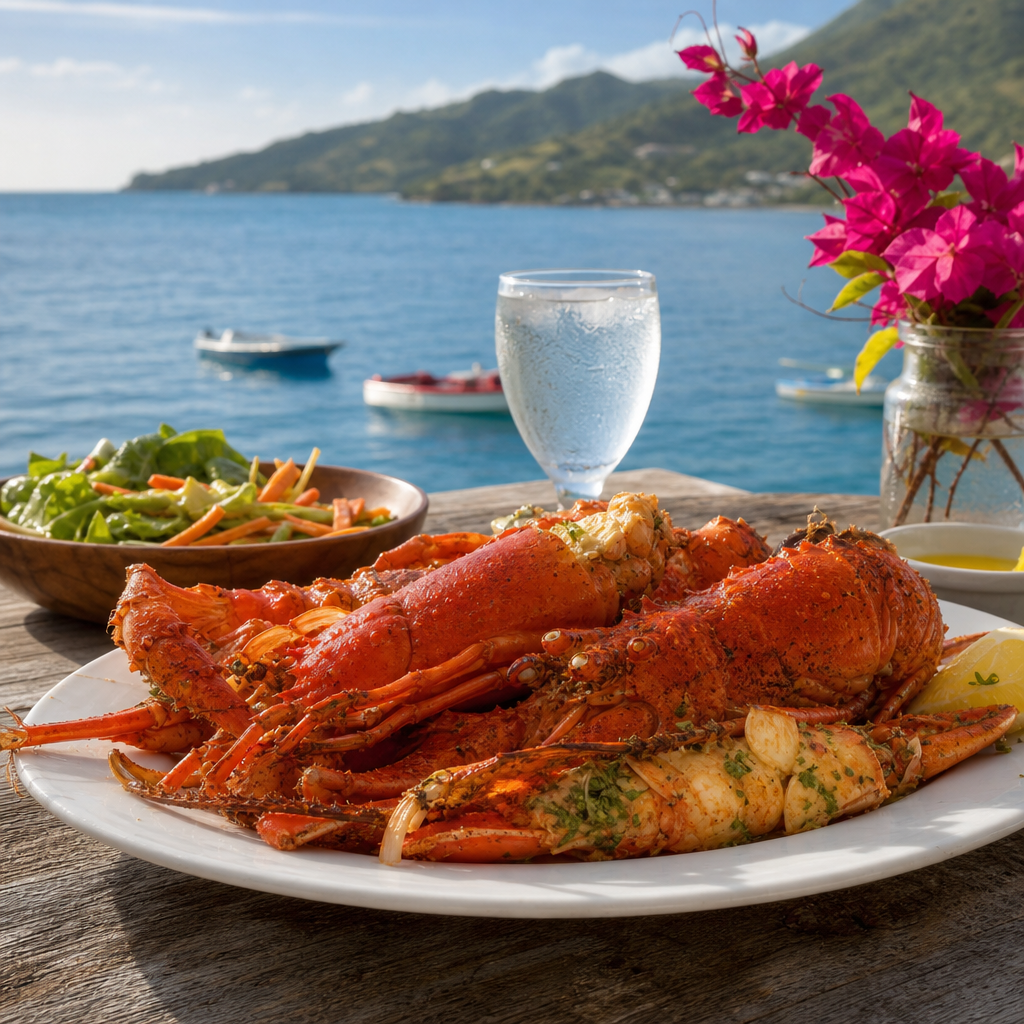
Several dishes appear repeatedly across local menus. Whole snapper, often fried, is a standard because the fish holds up well and presents beautifully. Lobster is typically grilled with butter, garlic, and herbs when in season. Conch may be curried, stewed, or made into fritters. Saltfish, though preserved rather than fresh, remains central in breakfast and everyday cooking because it connects present-day cuisine to historical preservation methods used before widespread refrigeration. Fish broth, fish water, and hearty stews also matter because they reflect home cooking rather than purely tourist-facing plates.
Nevisian seafood cuisine also reflects African, British, and wider Caribbean influences. The use of provisions such as yam, sweet potato, plantain, breadfruit, and rice alongside seafood is not incidental. These starches balance spice, absorb sauce, and turn seafood from a tasting experience into a full meal. On Nevis, a plate is judged not only by the fish but by the sides, the pepper sauce, the pickled vegetables, and whether the cook got the texture right. That complete plate logic is part of what makes the cuisine locally grounded.
From the Ocean: Species, Seasons, and Fishing Realities
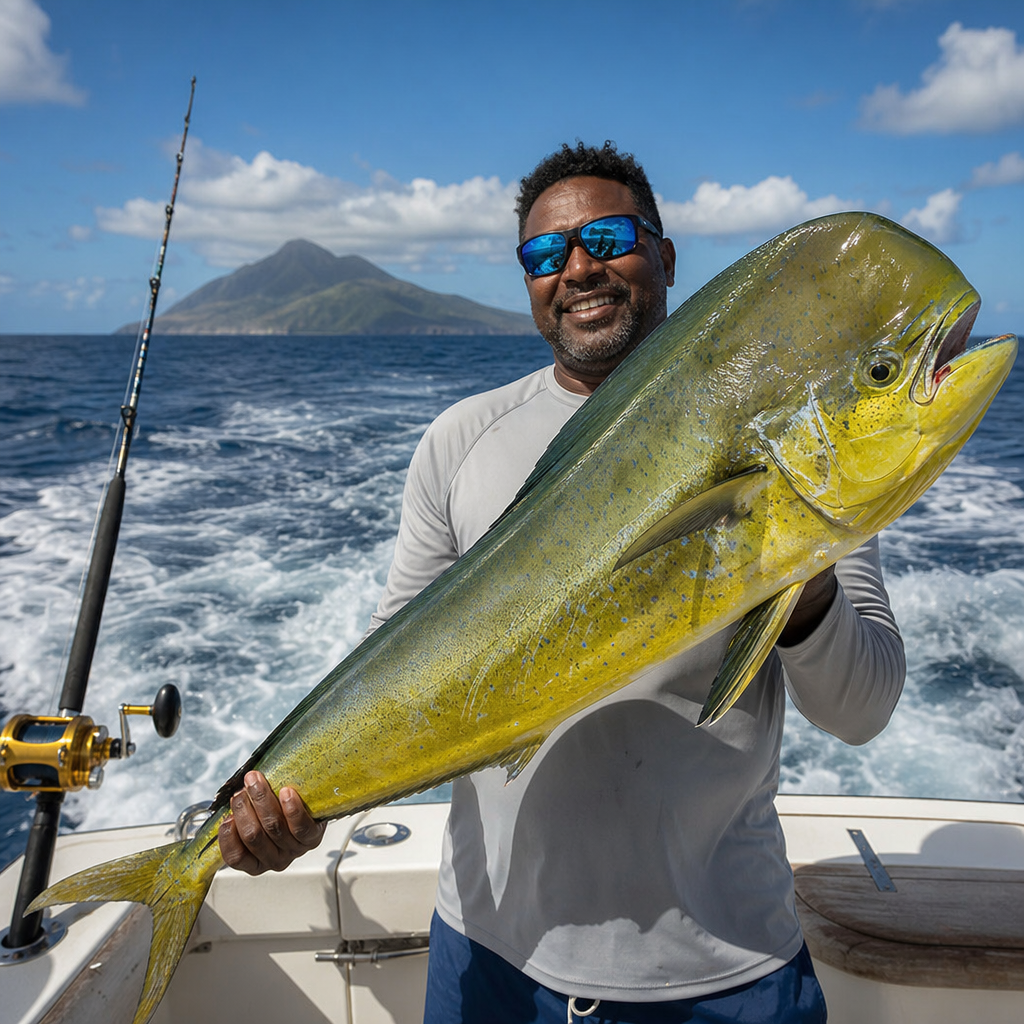
The phrase from the ocean to the plate is literal on Nevis. Local fishers target species that are practical for nearshore and offshore conditions, and menus shift accordingly. Snapper and grouper are prized for firm flesh and broad appeal. Pelagic species such as mahi-mahi and wahoo offer clean flavor and grill well. Tuna may appear seared or simply prepared, especially when supply is strong. Lobster is highly sought after but is seasonal and subject to legal management, including closed periods designed to protect stocks. That means responsible kitchens do not treat lobster as an unlimited commodity.
Visitors often ask whether every seafood dish in Nevis is locally caught. The honest answer is no. Some restaurants supplement local catch with imported products when demand exceeds supply or when weather limits fishing. Strong winds, rough surf, fuel costs, and small-scale fleet capacity all affect availability. In my experience evaluating island menus, the better restaurants are transparent about this and steer guests toward the freshest local options on a given day. That transparency is a mark of quality, not a weakness.
Fishing on Nevis is also part of community rhythm. Early landings influence market activity and restaurant purchasing. A chef who has a direct relationship with fishers can secure better product, more reliable sizes, and more accurate information about catch timing. That relationship matters because freshness is measurable. Clear eyes, red gills, firm flesh, clean smell, and proper cold storage separate premium fish from average fish. If you want the best seafood meal in Nevis, timing and sourcing matter more than menu design alone.
| Seafood | Common Preparation in Nevis | What to Expect on the Plate |
|---|---|---|
| Snapper | Whole fried or grilled | Crisp skin, flaky flesh, served with plantain, rice, or salad |
| Lobster | Grilled with butter and garlic | Sweet meat, smoky edges, often paired with vegetables or rice |
| Conch | Curry, stew, or fritters | Chewy texture when overcooked, tender when handled properly |
| Mahi-mahi | Grilled or pan-seared | Lean, mild fish that takes citrus and herbs well |
| Saltfish | Breakfast sautés or mixed dishes | Salty, savory flavor balanced by onions, peppers, and provisions |
How Nevisian Cooks Turn Fresh Catch Into Memorable Dishes
Good seafood cooking on Nevis starts before heat touches the pan. Fish is cleaned thoroughly, often rinsed with lime or vinegar to reduce any residual odor and sharpen the flavor. Scoring whole fish helps seasoning penetrate and promotes even cooking. Marinades are usually short because very fresh fish does not need long soaking. Too much acid can toughen flesh. Skilled cooks know that a modest coating of herbs, garlic, pepper, and salt is enough, especially for snapper, mahi-mahi, or lobster.
Frying remains one of the most popular methods because it creates contrast: crisp exterior, moist interior. The oil must be hot enough to seal the surface quickly without making the fish greasy. Grilling is equally important, especially in beach bars and open-air restaurants where charcoal adds smoke and visual appeal. Steaming and stewing are less dramatic but often reveal greater technical skill. Overcook a fried fish and the crust can hide it. Overcook a stew and the fish falls apart, the sauce turns muddy, and the dish loses definition.
Side dishes complete the experience. Coconut rice, peas and rice, breadfruit, festival-style fried dough, plantain, coleslaw, and steamed vegetables all appear regularly. Pepper sauces vary in heat and fruitiness, often using Scotch bonnet or local hot peppers. In practical tasting terms, the best plates balance three things: saline freshness from the seafood, acidity from lime or pickles, and earthy sweetness from starches. That combination is one reason local seafood cuisine of Nevis feels both comforting and vibrant.
Where Seafood Fits Into Daily Life, Celebrations, and Hospitality
Seafood on Nevis is not reserved for one type of setting. It appears in home kitchens, roadside food spots, beach bars, guesthouses, and upscale dining rooms. That range matters because local cuisine is best understood across price points. A simple lunch of fried fish and johnnycake can teach as much about island food culture as a polished multi-course dinner. In fact, many of the strongest flavors are found in informal settings where cooks are making food they themselves eat regularly.
Social context shapes dishes too. Weekend beach gatherings often feature grilled fish, lobster when in season, and generous sides meant for sharing. Family meals may lean toward stews, broths, or saltfish dishes that stretch ingredients and satisfy larger groups. In the tourism economy, seafood also acts as a bridge between local identity and visitor expectations. Hotels that do this well do not just plate fish attractively. They explain the species, note whether it was local, pair it with regional sides, and preserve the character of the dish instead of flattening it into generic international fare.
For readers exploring local life and experiences in Nevis, seafood is a natural hub topic because it connects to beaches, fishing communities, markets, agriculture, festivals, rum culture, and island transportation patterns. A seafood lunch can easily lead to broader local discovery: a stop at a produce stand for breadfruit, a conversation with a driver about fishing weather, or a visit to a coastal area where boats land. That interconnectedness is part of why food content performs best when it links cuisine to place rather than isolating dishes from the lives around them.
How to Choose the Best Seafood Experience in Nevis
If you want an excellent seafood meal in Nevis, ask smart questions. What was caught today. Is the lobster in season. Is the snapper local. How is the fish prepared. These questions are normal and useful. The answers will tell you more than a glossy menu. A restaurant that can describe its sourcing and recommend a preparation based on the species is usually a safer choice than one offering every fish every day with no explanation.
Timing helps. Lunch is often ideal for the freshest catch because supply may have come in that morning. Simpler preparations are also a good test of kitchen quality. Whole grilled fish, fried snapper, or plainly prepared mahi-mahi leave little room to hide mediocre product. Look for signs of careful handling: moist flesh, crisp skin, clean seasoning, and sides that feel intentional rather than automatic. Be cautious with heavily sauced seafood if you are specifically trying to taste local catch quality.
Finally, respect seasonality and limits. Sustainable seafood choices support the island’s long-term food culture. If a species is out of season or unavailable, choose another local option instead of pushing for an exception. The reward is a more honest meal and a better understanding of how Nevis actually eats. For travelers building an itinerary under the broader local life and experiences category, seafood is one of the strongest starting points. Follow the catch, ask questions, try both casual and refined kitchens, and let the island’s ocean-to-plate rhythm guide your table.
Local seafood cuisine of Nevis tells a complete island story. It begins with coastal waters, small-scale fishing effort, and the daily uncertainty that comes with weather and seasonality. It continues through market relationships, careful cleaning, practical marinades, and cooking methods refined over generations. It reaches the table with sides, sauces, and service styles that reveal how Nevisians actually eat, celebrate, host, and adapt. That is why seafood on Nevis is more than a menu category. It is one of the clearest expressions of local life.
For visitors, the biggest benefit of understanding this cuisine is simple: you make better choices and have better meals. You know to ask what was landed today, when lobster is in season, and whether a kitchen is highlighting local product or filling gaps with imports. You know that fried snapper, grilled lobster, conch, saltfish, fish stews, breadfruit, plantain, and pepper sauce are not random vacation foods but parts of an integrated food culture. You also know that the best seafood experience may come from a modest beachside spot as easily as from a formal dining room.
Use this hub as your foundation for exploring the wider miscellaneous side of Nevis local life and experiences. Start with seafood, then branch into markets, beach culture, roadside dining, island ingredients, and the people who make the food economy work every day. On your next meal in Nevis, choose the catch of the day, ask where it came from, and taste the island one plate at a time.
Frequently Asked Questions
What makes Nevis seafood cuisine different from seafood traditions on other Caribbean islands?
What sets Nevis apart is the close relationship between the sea, the cook, and the table. On a small island like Nevis, seafood is not just a restaurant category or a vacation indulgence. It is part of a practical, living food system shaped by what is caught nearby, what is in season, and how quickly ingredients move from coastal waters into home kitchens, roadside grills, beach bars, and upscale dining rooms. That immediacy gives Nevisian seafood a freshness and simplicity that is hard to replicate elsewhere.
Another defining feature is that local seafood cuisine in Nevis is not centered on one signature dish. Instead, it includes a range of preparations built around species such as snapper, lobster, conch, and other reef and coastal fish. These may be grilled, stewed, curried, fried, or served alongside familiar island staples like rice and peas, ground provisions, plantains, johnny cakes, and pepper sauces. The result is a cuisine that feels both deeply local and highly adaptable.
Nevisian seafood also reflects a balance between tradition and hospitality. Family recipes and straightforward cooking techniques remain important, but the same local catch may appear in different forms depending on where you eat it. At a beach shack, that could mean grilled fish served with a squeeze of lime and a side of festival. At a hotel restaurant, it might mean carefully plated lobster with seasonal vegetables and regional sauces. In both cases, the heart of the cuisine is the same: respect for the ingredient, confidence in simple methods, and a strong sense of place.
Which seafood dishes should visitors try first when exploring local food in Nevis?
If you want a strong introduction to Nevis seafood cuisine, start with grilled lobster when it is in season. It is one of the island’s most talked-about seafood experiences for good reason. Local lobster is often prepared simply, allowing its natural sweetness to stand out, usually with butter, garlic, herbs, citrus, or a lightly spiced marinade. Because freshness is such an important part of the experience, the dish often tastes clean, rich, and unmistakably tied to the surrounding waters.
Snapper is another essential choice. It is widely appreciated because it works beautifully in several classic preparations. Grilled snapper highlights the fish itself, especially when seasoned with green herbs, lime, and island spices. Fried snapper offers crisp texture and bold flavor, while stewed snapper shows how Nevisian cooking builds depth through onions, peppers, tomatoes, thyme, and savory sauces. Sampling snapper in more than one style can give you a better sense of how local cooks think about seafood.
Conch is also worth trying if available. It is valued not just as an ingredient but as part of the wider coastal food culture of the Caribbean. In Nevis, conch may appear in fritters, salads, or stewed dishes, depending on the kitchen and the catch. Its texture and preparation require skill, which makes it a good example of how local seafood cuisine is shaped by experience as much as by ingredients. You should also look out for fish stews and beachside fish lunches, because these often reveal the most everyday and authentic side of island eating. These meals may not always be the most elaborate on the menu, but they often capture the essence of how seafood is actually enjoyed in Nevis: fresh, satisfying, and closely connected to daily life.
How does seafood typically go from the ocean to the plate in Nevis?
In Nevis, the journey from the ocean to the plate is often remarkably short, and that short chain is a major reason the island’s seafood is so memorable. Local fishermen work in nearby coastal waters, bringing in catches that may go directly to markets, local buyers, restaurants, or neighborhood food vendors. Because the island is small, distribution is less about a long industrial process and more about relationships, timing, and trust. A chef may know exactly who caught the fish, and a home cook may buy from a familiar source who understands what is freshest that day.
Once landed, seafood is typically cleaned and prepared with an emphasis on freshness rather than heavy processing. Fish may be scaled, filleted, or cut into steaks for grilling or frying. Lobster may be split and seasoned for the grill. Conch requires more labor and technique, which is one reason it is often associated with experienced preparation. In many cases, seafood is seasoned with ingredients common to Caribbean kitchens, including lime, garlic, scallion, thyme, hot pepper, black pepper, and onion. These flavors enhance rather than hide the seafood itself.
The final stage depends on where you are eating. In family homes, seafood may become part of a communal meal served with traditional sides and homemade sauces. In roadside or beach settings, it may be cooked to order over open heat and served casually but generously. In restaurants, chefs may combine local methods with more contemporary plating. Across all of these settings, the core idea remains consistent: seafood in Nevis is most valued when it reflects local waters, local timing, and skilled but unfussy handling. That is what gives the cuisine its authenticity and its strong connection to place.
Why are seasonality and local availability so important in Nevisian seafood cooking?
Seasonality matters in Nevis because the island’s seafood culture is rooted in what the sea can provide at a given time, not in the expectation that every ingredient should be available year-round. This creates a more responsive and grounded way of eating. When certain species are abundant, they become central to menus and family meals. When they are less available, cooks adjust. That flexibility is part of the identity of local cuisine, and it reflects generations of working with nature rather than against it.
Local availability also affects quality in a direct, practical sense. Seafood that is caught nearby and cooked soon after landing tends to have better texture, cleaner flavor, and greater culinary versatility. A fresh snapper can be grilled, steamed, fried, or stewed with excellent results. Fresh lobster needs very little embellishment. Even simple dishes become impressive when the ingredient itself is at its peak. This is one reason visitors often find that seafood in Nevis tastes especially vivid and satisfying, even when the preparation is straightforward.
There is also a cultural dimension to seasonality. It shapes expectations, influences menus, and encourages people to appreciate what is special in the moment. Rather than seeing limitation, many Nevisian cooks see opportunity. Seasonal rhythms inspire creativity, whether that means changing the day’s catch, adjusting side dishes, or using different marinades and cooking methods. In a tourism setting, this can be especially valuable, because it gives visitors a more genuine experience of the island instead of a generic seafood menu that could be found anywhere. In short, seasonality and local availability are not obstacles in Nevisian seafood cuisine. They are part of what gives it integrity, flavor, and identity.
Where can travelers find the most authentic seafood experiences in Nevis?
The most authentic seafood experiences in Nevis are often found by looking beyond the idea that only formal restaurants define local food. Some of the island’s best seafood meals may come from beachside grills, roadside shacks, community food spots, or small family-run establishments where the menu changes with the catch. These places often offer the clearest expression of how locals actually eat seafood: fresh fish cooked with confidence, hearty sides, bold seasoning, and a relaxed atmosphere that lets the ingredient speak for itself.
That said, authenticity is not limited to casual dining. Hotel restaurants and more polished kitchens can also offer excellent representations of Nevisian seafood culture, especially when they work closely with local suppliers and respect the rhythms of the island’s fisheries. In those settings, you may find traditional ingredients interpreted with a more refined presentation, but the best versions still honor the same foundations of freshness, locality, and straightforward flavor. A beautifully prepared snapper in a resort restaurant can be just as connected to Nevis as a grilled fish lunch eaten at a picnic table near the shore.
For travelers, the smartest approach is to experience seafood in multiple settings. Try a beach lunch, a local dinner spot, and a restaurant known for regional cooking. Ask what was caught that day, which dishes are considered local favorites, and how the seafood is usually prepared on the island. Those questions often lead to better meals and more meaningful conversations. In Nevis, authenticity comes less from a single famous dish or venue and more from the continuity between the fishermen, the cooks, and the communities that keep this food tradition alive. The more you explore that connection, the more fully you will understand what local seafood cuisine of Nevis really means.