Nevis’ ethical wildlife encounters offer a practical model for travelers who want close contact with nature without feeding harmful tourism habits. On this Caribbean island, ethical wildlife encounters means observing animals in ways that protect natural behavior, avoid captivity, reduce habitat disturbance, and direct visitor spending toward conservation-minded guides and local businesses. That includes birdwatching in forest edges, snorkeling above reef communities without touching coral, spotting sea turtles from approved distances, and learning where monkeys, seabirds, and marine life fit within Nevis’ ecosystems. I have planned sustainable itineraries across small islands, and Nevis stands out because its scale makes impacts visible: one careless tour can stress a nesting beach, while one well-run excursion can build community support for habitat protection. For travelers researching sustainable tourism in Nevis, this matters because wildlife experiences often shape both the memory of a trip and the footprint it leaves behind.
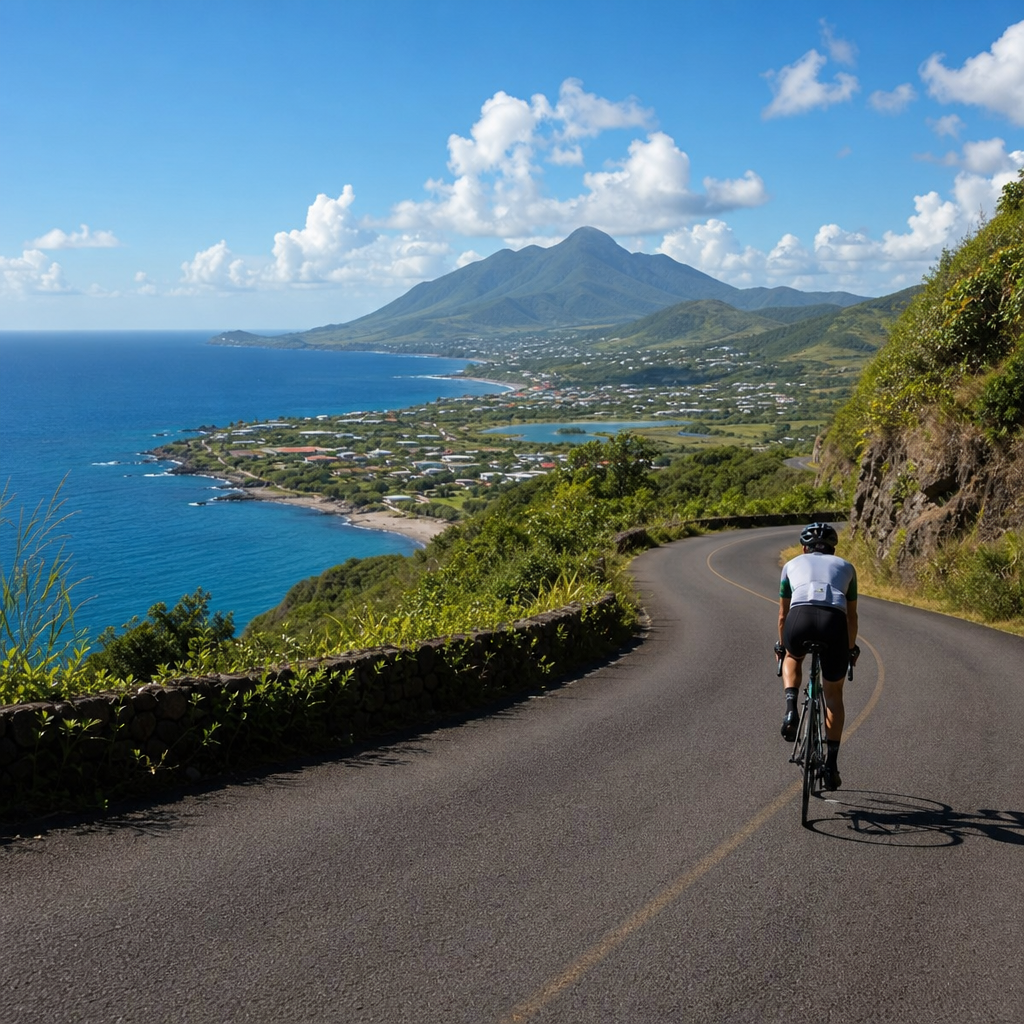
Unlike destinations built around high-volume attractions, Nevis rewards slower observation. The island’s volcanic slopes, dry coastal zones, mangroves, offshore reefs, and agricultural lands create a compact but diverse habitat mosaic. Visitors may encounter vervet monkeys introduced centuries ago, frigatebirds and pelicans along the coast, reef fish in clear shallows, and seasonal sea turtle activity on beaches. Ethical choices determine whether these encounters remain authentic. The core questions are simple: Is the animal free to leave, is the habitat protected, is the guide following recognized best practice, and does local income reinforce conservation rather than extraction? This hub page answers those questions and connects the wider miscellaneous side of sustainable tourism in Nevis, where wildlife, culture, transport, beaches, and community economics all overlap.
What Ethical Wildlife Encounters Mean in Nevis
Ethical wildlife tourism in Nevis begins with a non-negotiable principle: the animal’s welfare and ecosystem health come before the visitor’s photo or proximity. In practice, that means no chasing monkeys for pictures, no touching turtles or rays, no collecting shells from active habitats, no standing on coral, and no feeding wild animals to make them easier to view. Feeding changes behavior fast on islands. Monkeys that learn to associate people with food become bolder around roads and hotels, and fish conditioned by handouts can abandon natural feeding patterns. Responsible operators know this and design experiences around patience, fieldcraft, and interpretation instead of manipulation.
Nevis is especially suited to this approach because many encounters are low-tech and place-based. A dawn walk on the island’s trails can reveal songbirds, land crabs, insects, and monkey troops without any infrastructure beyond a knowledgeable guide. A boat outing can focus on seabird colonies, coastal geology, and responsible snorkeling rather than high-speed wildlife pursuit. Good guides explain seasonality, weather, and tide conditions, because ethical viewing often depends on timing more than access. If a guest expects guaranteed sightings, that expectation itself can pressure operators into bad practices. The better standard is honest uncertainty paired with strong natural history knowledge.
Nevis Wildlife You May Encounter and How to View It Responsibly
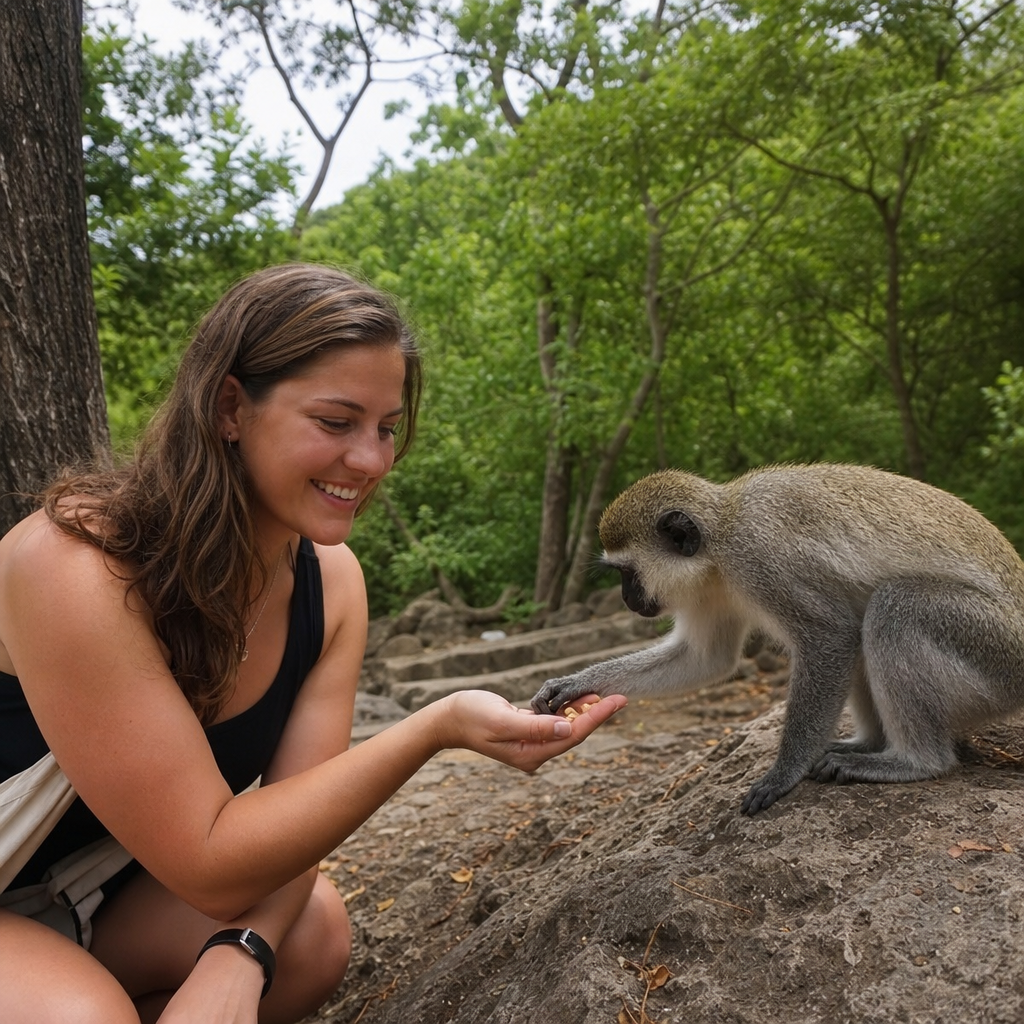
For most visitors, the best-known land animal in Nevis is the African green vervet monkey, established in Saint Kitts and Nevis since the colonial era. They are charismatic, intelligent, and highly visible near roadsides, gardens, and forest margins, which makes them easy to misuse as a tourist prop. Ethical viewing means keeping food out of sight, avoiding direct approach, and never encouraging a guide or staff member to place fruit for photographs. Observe troops from a respectful distance and use a zoom lens. Their social behavior, alarm calls, and foraging patterns are more interesting when undisturbed than any staged close-up.
Marine wildlife is equally important. Green turtles and hawksbill turtles may nest on some beaches in season, while reef systems support parrotfish, angelfish, sergeant majors, sea fans, and coral species sensitive to contact and sunscreen pollution. The best snorkeling practice in Nevis is straightforward: wear reef-safe sun protection where possible, maintain horizontal body position to avoid fin strikes, never stand on rock that may actually be living coral substrate, and let turtles surface and swim without interception. If you see a turtle, the correct response is to pause and drift, not pursue. The animal should control the encounter.
Birdlife rewards careful attention. Brown pelicans, tropicbirds, herons, egrets, and shorebirds appear in coastal zones, while inland habitats can produce doves, hummingbirds, and migratory species at certain times of year. Serious birders often prefer early morning and shoulder seasons, but casual visitors can still have meaningful sightings by combining a quiet coastal walk with local interpretation. The rule is simple: lower your voice, stay on established paths, and avoid approaching nests. Nest disturbance is one of the most common preventable impacts in small-island tourism because beach walkers often do not realize how close they are to vulnerable sites.
Best Practices for Tours, Guides, and Visitor Behavior
When I assess whether a wildlife tour is genuinely responsible, I look for a few concrete signals. First, the guide should brief guests before departure on distance, noise, waste, and photography etiquette. Second, group size should be proportionate to habitat sensitivity; six snorkelers over a small reef patch is very different from twenty. Third, the operator should have a clear no-touching and no-feeding policy. Fourth, they should adapt the plan if conditions change, including canceling when seas, nesting activity, or trail erosion make the experience too disruptive. Flexibility is a sign of professionalism, not inconvenience.
Visitors also carry responsibility beyond the tour itself. Hotel choices matter because beachfront lighting, unmanaged runoff, and disposable plastic all affect wildlife. Transport matters because repeated off-road driving can damage coastal vegetation and disturb nesting areas. Even souvenir purchases matter; coral fragments, turtle shell products, and certain imported marine curios should never enter a responsible travel plan. On Nevis, sustainable tourism works best when travelers see wildlife not as a standalone attraction but as part of a wider island system that includes fisheries, farms, watersheds, heritage landscapes, and community livelihoods. That systems view separates ethical tourism from performative tourism.
| Wildlife experience in Nevis | Ethical choice | Red flag | Why it matters |
|---|---|---|---|
| Monkey watching | Observe quietly from distance with no food | Guide feeds monkeys for photos | Feeding alters behavior and increases conflict |
| Snorkeling reefs | Float above coral and follow buoyed entry points | Standing on coral or chasing turtles | Physical contact damages fragile marine habitat |
| Beach walks in turtle season | Use dim light and keep distance from nests | Flash photography near nesting turtles | Light and noise can disrupt nesting behavior |
| Birdwatching | Stay on paths and use binoculars | Approaching nesting sites closely | Stress can cause nest abandonment |
| Boat excursions | Slow approach and wildlife-first routing | High-speed pursuit for sightings | Harassment raises stress and collision risk |
Marine Encounters: Reefs, Turtles, and Coastal Stewardship
Nevis’ coastal waters are central to its sustainable tourism identity, but marine wildlife encounters are where small mistakes create outsized damage. Coral reefs are living colonial organisms, not decorative rocks, and even brief contact from fins, hands, or anchors can break tissue that takes years to recover. In warm-water regions, reefs already face pressure from heat stress, sedimentation, and pollution, so visitor care is not a bonus; it is part of basic stewardship. Choose operators that use moorings instead of anchoring on reef areas, cap group sizes, and match sites to swimmer ability. Poorly matched excursions lead directly to panic standing and habitat breakage.
Sea turtles deserve special caution. Hawksbills are critically endangered globally according to the International Union for Conservation of Nature, and green turtles remain threatened. Local nesting activity can be highly sensitive to beachfront lighting, dogs, and nighttime disturbance. If you join a guided turtle walk, expect strict rules about torches, distance, and silence. Those restrictions are not for show. Artificial light can disorient nesting females and hatchlings, pulling them away from the sea. During daytime snorkeling, never block a turtle’s route to the surface. Any operator promising hands-on turtle interaction should be ruled out immediately.
Coastal stewardship also includes what happens before you enter the water. Sunscreen ingredients such as oxybenzone have been scrutinized for marine impacts, and while the science is more nuanced than some marketing claims suggest, mineral-based or reef-considerate options are the safer choice when combined with rash guards and shade. Equally important is stormwater and litter. A plastic bottle left near a beach gut can wash into turtle and seabird habitat in hours. Travelers who pack a reusable bottle, refuse excess packaging, and leave beaches cleaner than they found them make a direct, measurable contribution.
Land-Based Wildlife Experiences, Habitats, and Seasonal Awareness
Not every ethical wildlife encounter in Nevis happens on the coast. Inland, the island’s topography creates gradients in moisture, vegetation, and species activity. Lower dry areas support different birds and insects than the greener slopes around Nevis Peak. Agricultural edges can be surprisingly productive for observation because they attract both resident species and adaptable animals such as vervets. The key is to treat cultivated land respectfully. Do not wander into fields without permission, and do not frame crop-raiding wildlife as harmless entertainment. On small islands, the line between charming sighting and real economic loss for farmers can be thin.
Seasonality is another overlooked factor. Rainfall patterns, migration windows, sea conditions, and nesting cycles all change what can be seen responsibly. A traveler who understands this will build an itinerary around likely conditions instead of demanding a fixed checklist. During hotter months, dawn and late afternoon often produce better bird activity and more comfortable walking conditions. After heavy rain, some trails may be more prone to erosion, which means postponing a hike can be the ethical choice. This is where local guides add real value: they interpret the landscape in context, not as a generic excursion template.
Photography deserves its own mention because image-seeking drives much bad behavior. Long lenses, silent observation, and natural light produce better results than crowding wildlife ever does. I advise travelers to decide in advance that no image is worth causing an animal to flush, freeze, or alter course. If behavior changes when you approach, you are already too close. The most responsible wildlife photographs from Nevis usually show animals within habitat, not isolated like trophies. That framing also tells a truer story about conservation, because species survival depends on functioning ecosystems, not just individual animals.
How This Hub Connects to Sustainable Tourism in Nevis
As a miscellaneous hub within sustainable tourism, Nevis’ ethical wildlife encounters links naturally to many adjacent decisions travelers make. Accommodation affects beachfront lighting, water use, landscaping, and waste. Dining choices influence demand for local produce and responsibly sourced seafood. Transport choices shape emissions and road pressure. Beach behavior affects dune vegetation and turtle habitat. Heritage visits can disperse visitor flows away from overused coastal zones. In other words, wildlife ethics is not a silo. It sits in the middle of the broader visitor economy, where each decision either supports or weakens conservation outcomes on a small island.
This hub should therefore guide readers toward practical trip planning questions. Is your hotel reducing single-use plastics and managing wastewater well? Does your boat operator brief guests properly and avoid wildlife harassment? Are you buying from local artisans instead of imported souvenir stalls that have no conservation benefit? Have you built unstructured time into your itinerary so you can choose slower, lower-impact encounters rather than rushed consumption? These are the operational details that make sustainable tourism in Nevis credible. A destination does not become sustainable through branding alone; it becomes sustainable when visitor behavior aligns with ecological limits and local priorities.
Nevis shows that ethical wildlife encounters can be memorable precisely because they are restrained. The island does not need artificial spectacle. Its value lies in authentic observation, informed guiding, and the understanding that wildlife should remain wild. For travelers, the main takeaway is clear: choose distance over disturbance, interpretation over performance, and local conservation-minded businesses over convenience. For trip planners and publishers, this hub provides the foundation for deeper articles on marine life, birdwatching, turtle season, reef-safe snorkeling, responsible hiking, eco-friendly stays, and community-based tourism. Use it to plan better questions before you book, then travel in ways that leave Nevis’ habitats healthier, quieter, and more resilient than you found them.
Frequently Asked Questions
What makes a wildlife encounter in Nevis “ethical” rather than harmful?
An ethical wildlife encounter in Nevis is built around one simple idea: people should enjoy nature without changing animal behavior or degrading the habitats that support it. In practice, that means observing wildlife at a respectful distance, avoiding any activity that encourages animals to associate humans with food, and choosing experiences that do not rely on captivity, chasing, handling, or staged interactions. Ethical encounters protect the animal’s ability to behave naturally, whether that means feeding, nesting, resting, migrating, or hiding when people get too close.
On Nevis, this often looks like birdwatching along forest edges and quieter inland trails, snorkeling over reef ecosystems without touching coral or standing on the seabed, and joining guides who understand local species, weather patterns, and sensitive habitats. It also means being aware that not every “close-up” experience is responsible. If a tour promises guaranteed contact, allows feeding, corners wildlife for photos, or treats animals as entertainment, that is usually a sign the experience is designed for spectacle rather than conservation.
Ethical wildlife tourism also includes where your money goes. Responsible operators tend to work in smaller groups, follow local rules, respect seasonal wildlife patterns, and support local conservation values rather than extracting quick profits from the landscape. When travelers choose these businesses, they help create demand for lower-impact tourism and reinforce the idea that wildlife is most valuable alive, wild, and undisturbed.
What kinds of ethical wildlife experiences can travelers realistically enjoy on Nevis?
Nevis offers a range of wildlife experiences that are rewarding precisely because they are low-impact and grounded in observation rather than interaction. Birdwatching is one of the clearest examples. The island’s forest margins, gardens, coastal areas, and higher elevation habitats can provide opportunities to spot resident and migratory birds without disturbing them. Early morning walks with a knowledgeable guide can be especially productive, as guides can help visitors identify calls, understand habitat use, and observe species without crowding nesting or feeding areas.
Marine life viewing is another strong option. Snorkeling above reef communities allows visitors to see fish, coral structures, and other marine organisms while minimizing disturbance, provided they maintain good buoyancy, avoid contact with coral, and never attempt to touch or pursue sea life. Calm, attentive snorkeling can reveal a surprising amount of biodiversity and often results in a more meaningful experience than fast-paced tours focused only on getting people as close as possible to animals.
Travelers may also enjoy nature walks, coastal observation, and guided outings that emphasize ecology over entertainment. Depending on conditions and season, this can include watching seabirds, looking for smaller native species, or learning how different habitats connect across the island. The key point is that ethical wildlife experiences in Nevis are not defined by dramatic physical contact; they are defined by patient viewing, informed interpretation, and respect for the natural rhythms of the island.
How can I tell if a wildlife tour or guide in Nevis is genuinely responsible?
A responsible wildlife guide or tour operator usually shows their standards through behavior, not just marketing language. One of the first signs is that they set clear expectations: they do not promise touching animals, guaranteed sightings, or unusually close encounters, and they explain that wildlife remains unpredictable because it is wild. That honesty is a positive sign. Ethical guides also keep group sizes manageable, avoid loud or chaotic approaches, and are willing to change plans when weather, animal behavior, or habitat conditions make an area too sensitive to visit responsibly.
It is also worth paying attention to the details of how a tour is run. Good guides provide practical instruction such as maintaining distance, staying on established paths where appropriate, controlling flash photography, and avoiding feeding or baiting. In marine settings, they should emphasize reef-safe behavior, including not standing on coral, not collecting shells or marine life, and not pursuing animals for better photos. If a guide corrects unsafe or disruptive behavior quickly and professionally, that is often evidence that they take stewardship seriously.
Before booking, ask direct questions. You can ask how they minimize wildlife disturbance, whether they follow local environmental guidance, how they handle guests who want closer contact than is appropriate, and whether they collaborate with local conservation-minded businesses or community initiatives. Their answers should be specific, practical, and confident. Vague claims about being “eco-friendly” without clear rules or examples are less reassuring than a guide who can explain exactly how they protect birds, reefs, and coastal habitats during each outing.
Why is feeding wildlife or seeking very close contact discouraged, even if it seems harmless?
Feeding wildlife may look kind in the moment, but it can disrupt natural behavior in lasting ways. Animals that begin to rely on human food sources may change where they forage, how they interact with each other, and how cautious they are around people. This can make them more vulnerable to injury, conflict, poor nutrition, or habitat imbalance. In island environments like Nevis, where ecosystems can be especially sensitive, small repeated disturbances from tourism can add up over time.
Close contact creates similar risks. Approaching too closely can interrupt feeding, mating, nesting, or resting, even if the animal does not appear visibly distressed. Many species respond to stress subtly, and repeated disturbance can force them to spend energy avoiding people instead of carrying out normal survival behaviors. In marine settings, crowding sea life or touching coral can cause damage that is not always immediately obvious. Coral is living tissue, and even brief contact from hands, fins, or feet can contribute to breakage or stress.
There is also a broader tourism issue at work. When travelers reward businesses that offer intimate, high-contact encounters, they help normalize business models that prioritize customer excitement over ecological responsibility. By contrast, choosing no-feeding, no-touch, observation-based experiences supports a healthier standard for the destination. In Nevis, ethical wildlife tourism is about appreciating the privilege of being present in an animal’s environment without trying to control or intensify the encounter for personal convenience.
What should travelers do to make sure their wildlife encounters in Nevis stay low-impact?
The most effective thing travelers can do is approach every encounter with patience and restraint. Keep a respectful distance, move calmly, and let the wildlife set the terms of the experience. If an animal changes direction, stops feeding, becomes alert, or retreats because of your presence, that is a sign to back away. On land, stay on durable surfaces or established routes when possible, avoid trampling vegetation, and keep noise levels low. For birdwatching and other observation-based outings, binoculars and zoom lenses are far better tools than trying to move closer.
In the water, low-impact behavior becomes even more important. Practice good snorkeling control so you can float without kicking coral or stirring up sediment, and never touch marine animals, coral, or the seabed. Use reef-safe sun protection when possible, secure loose gear, and follow your guide’s positioning instructions carefully. Small actions matter because reefs and coastal habitats can be easily damaged by repeated contact from visitors who may not realize the cumulative effect of their movements.
Spending choices also shape impact. Support local guides and businesses that value conservation, small-group experiences, and habitat respect. Bring reusable water bottles and minimize litter, avoid purchasing souvenirs made from shells, coral, or wildlife products, and choose operators who educate guests instead of simply entertaining them. When travelers combine good field behavior with thoughtful spending, they help reinforce the kind of tourism model Nevis needs: one where wildlife remains wild and where tourism supports the long-term health of the island’s ecosystems and communities.