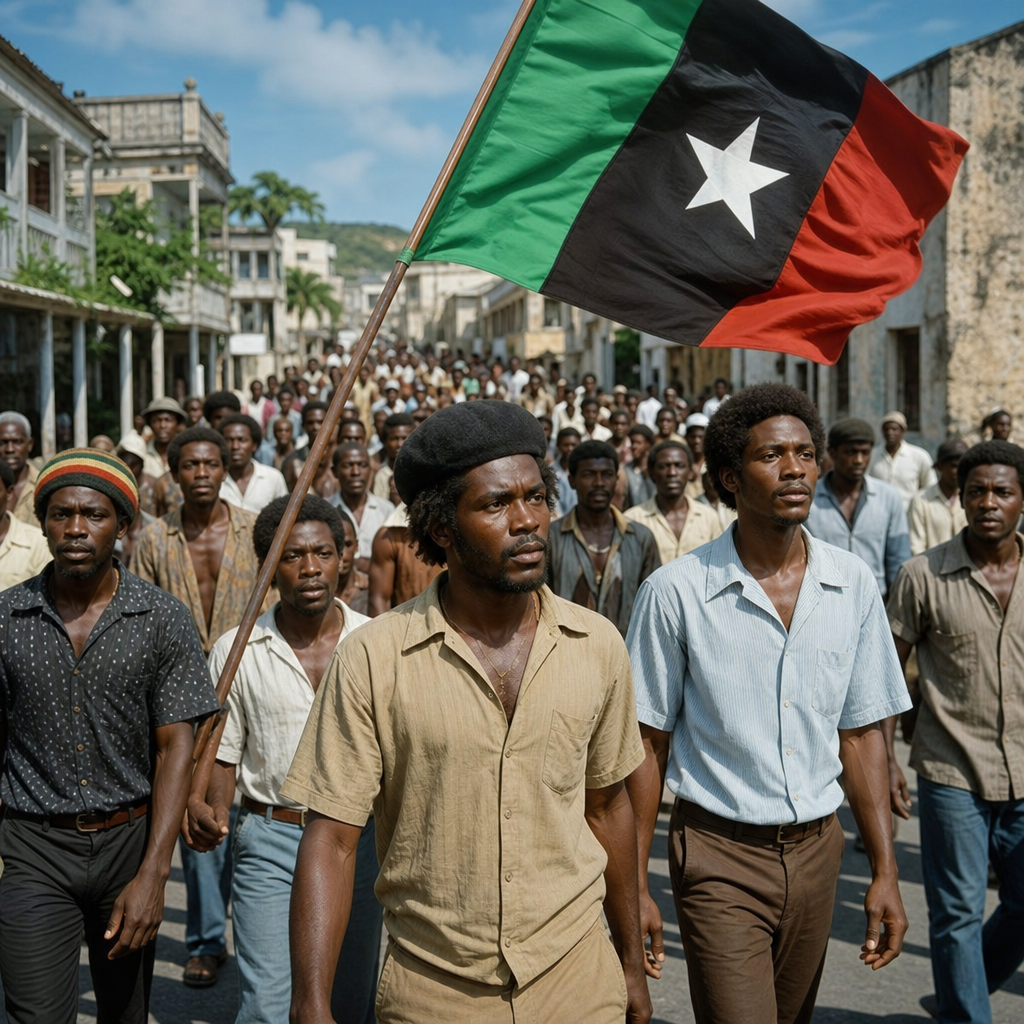
Exploring Nevis’ historical sites with a local guide turns a beautiful Caribbean island into a living archive, where every stone church, estate ruin, and waterfront lane reveals layers of colonial ambition, enslavement, trade, resilience, and community memory. Nevis is the smaller partner in the Federation of Saint Kitts and Nevis, yet its historical importance is outsized: it was one of Britain’s earliest and richest sugar islands, the birthplace of Alexander Hamilton, and home to plantation complexes, fortifications, civic buildings, and religious sites that still shape local identity. When travelers hear “historical sites,” they often imagine static monuments. On Nevis, history is not static. It is embedded in villages, family names, old roads, place-based storytelling, and the practical knowledge local guides use to connect archival facts with what stands in front of you. That matters because independent sightseeing can show you structures, but a local guide explains why they were built, who profited, who labored, how hurricanes and earthquakes changed them, and why some ruins remain emotionally complex for residents today.
A local guide in Nevis does more than recite dates. The best guides translate the island’s heritage in plain terms, balancing architecture, politics, genealogy, religion, and everyday life. I have found that visitors remember Nevis far more clearly when they understand the difference between a Georgian public building and a plantation boiling house, or when they hear how Charlestown’s grid responded to trade, defense, and disaster. Guided exploration also helps with context that signage rarely provides, such as the relationship between hot springs tourism at Bath, the rise of health travel in the eighteenth century, and the wider plantation economy. Because Nevis is compact, travelers can visit multiple sites in one day, but the island rewards slower, informed exploration. This hub article covers the core historical places, what a guide adds at each stop, and how to approach the island’s past responsibly.
Why a local guide changes the experience
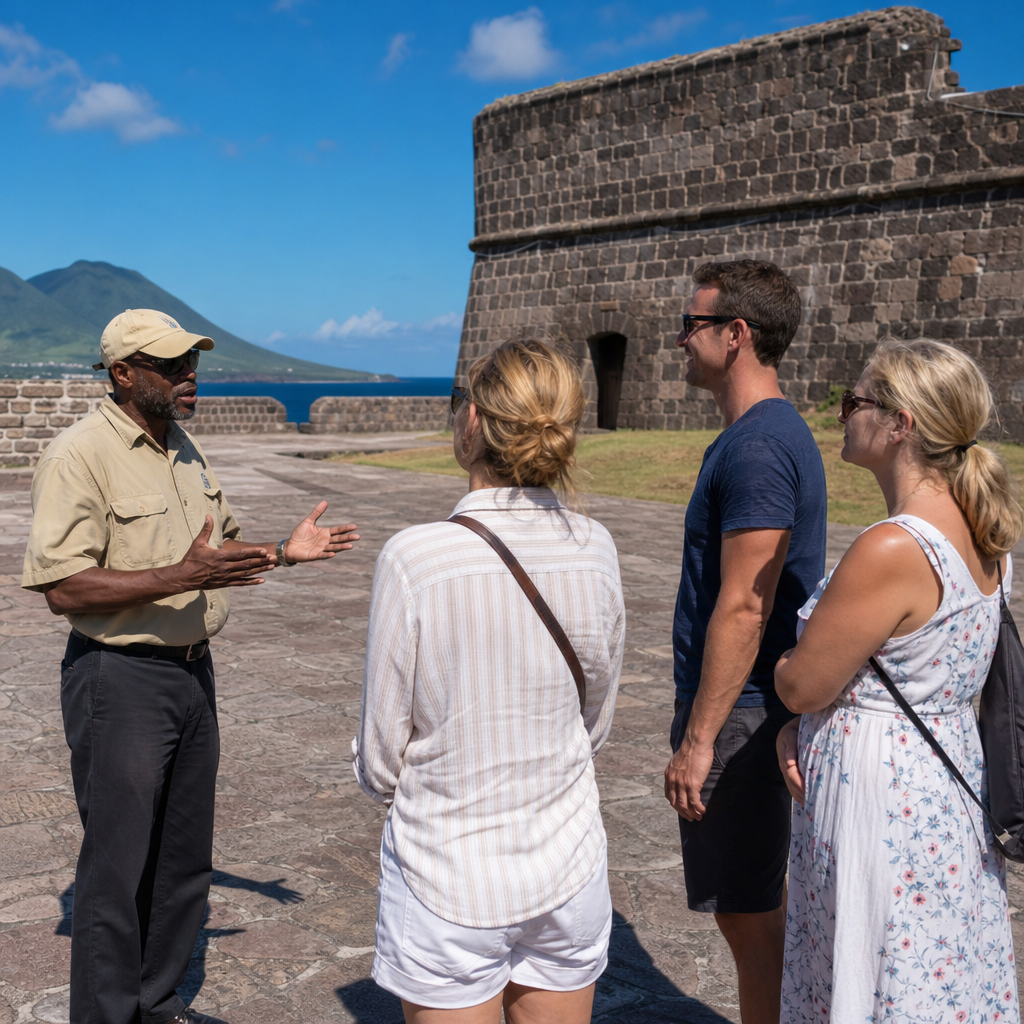
The main advantage of exploring Nevis’ historical sites with a local guide is interpretation. Many Caribbean islands preserve ruins, but ruins alone cannot explain power, class, race, and survival. On Nevis, a guide can point out how estate houses were positioned for breeze and visibility, why churches often occupied raised ground, and how roads linked plantations to export points. They can also distinguish between stories supported by records and stories preserved through oral tradition. That distinction matters. For example, visitors often ask whether every old stone structure was a “fort” or “great house.” A guide can identify features accurately: thick retaining walls, cisterns, sugar works, officer quarters, graveyards, and defensive batteries all have different functions.
Guides also help travelers navigate sensitivity. Plantation sites are visually striking, but they are inseparable from the brutal history of enslaved African labor. A responsible local guide does not romanticize the sugar era. Instead, they explain that wealth from Nevisian sugar built elite fortunes while enslaved people created that wealth under violent coercion. In practice, this makes the tour better, not heavier for its own sake. It gives the landscape honesty. Good guides are also practical assets. They know opening patterns, road conditions, heat exposure, and which sites are best paired geographically. On an island where weather changes quickly and some heritage places have limited interpretation panels, local knowledge saves time and deepens understanding.
Charlestown: the historical core
Charlestown is the logical starting point for anyone exploring Nevis’ historical sites with a local guide. As the island’s capital and principal port, it concentrates civic, commercial, and memorial landmarks within a walkable area. A guide can explain how the town developed as an administrative and trading center during the sugar economy, and how repeated shocks shaped it. Nevis suffered major earthquakes in 1680 and 1843, periodic fires, and hurricane damage, all of which influenced rebuilding styles and site preservation. Walking through Charlestown without that context can feel pleasant but fragmented. With it, the town becomes a legible historical document.
One key stop is the Museum of Nevis History, often associated with Alexander Hamilton’s birthplace. Whether Hamilton was born in the exact building now interpreted on site has been debated historically, and a knowledgeable guide will address that nuance rather than flatten it into a tourist slogan. What matters most is that the museum anchors Nevis within Atlantic history. Hamilton’s rise from Caribbean origins to prominence in the United States gives visitors an entry point into trade networks, colonial society, and mobility in the eighteenth century. Nearby public buildings, memorials, and churches allow guides to expand the story beyond one famous figure, showing how ordinary residents, merchants, enslaved people, and free people of color all occupied the same urban geography differently.
Churches, cemeteries, and civic memory
Nevis’ churches and burial grounds are essential historical sites because they preserve inscriptions, architectural styles, and community continuity. St. Thomas Anglican Church, among others on the island, offers examples of religious life intertwined with empire and local society. A local guide can decode details visitors usually miss: imported stone versus local materials, hurricane rebuilding phases, grave symbolism, and the way churchyards function as archives of family history. In small-island communities, surnames on old graves often remain present in contemporary life, so guides can connect memorial stones to living memory and village identity.
Cemeteries also clarify social hierarchy. Elite monuments are often more durable and prominent than the graves of laboring people, which means the surviving record is uneven. A strong guide addresses that imbalance directly. They may explain how archival registers, estate records, and oral histories help recover people omitted from monumental history. In Charlestown, civic memory extends beyond formal heritage buildings. Street names, old market areas, and former administrative spaces reveal how law, trade, and social life functioned. This is why guided walking tours are so effective: they connect visible landmarks with invisible systems such as taxation, shipping, public health, and governance. For travelers interested in local life and experiences, these connections make Nevis feel inhabited rather than museum-like.
Plantation estates and the sugar landscape
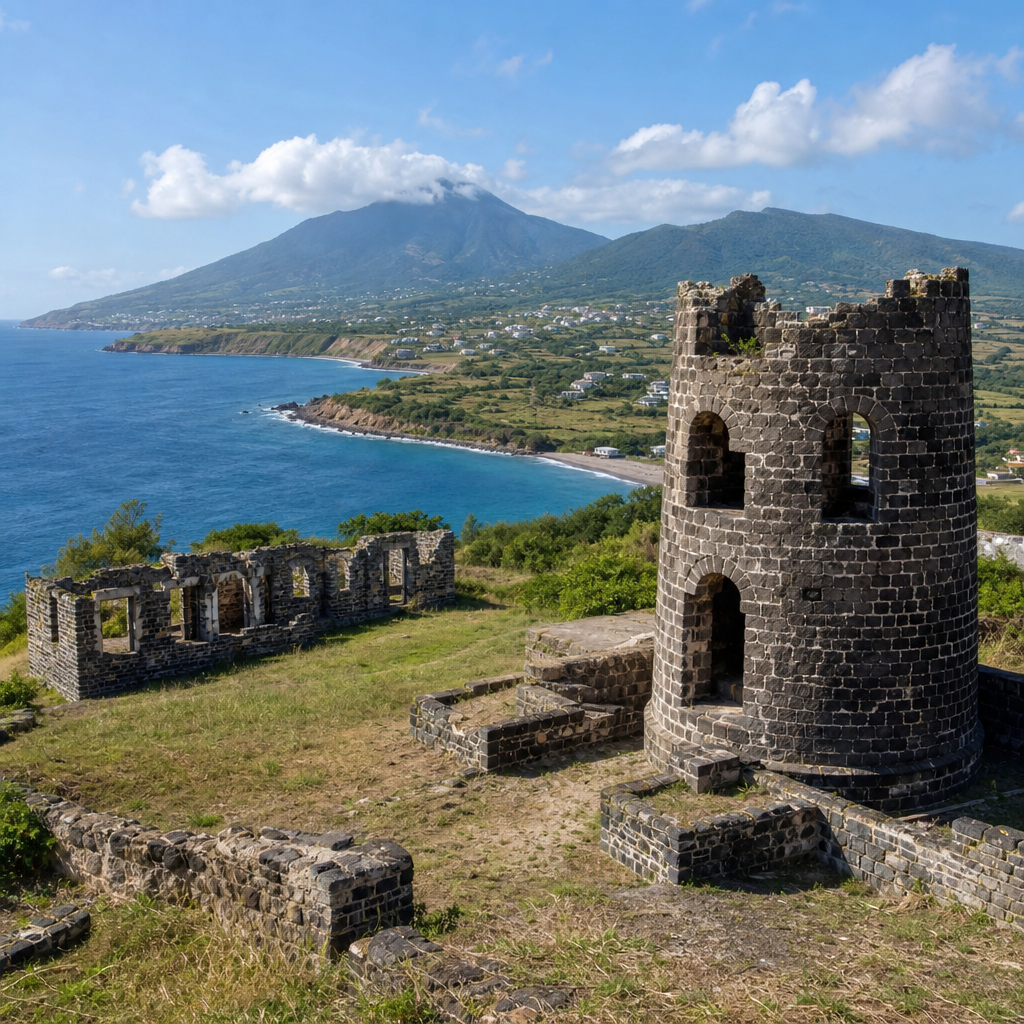
No overview of Nevis’ miscellaneous historical sites is complete without plantation estates, because they dominate the island’s built heritage and explain much of its economic and social history. Estates such as New River, Montpelier, Golden Rock, and others preserve varying combinations of great houses, mills, boiling houses, aqueduct traces, worker settlement remains, and landscape design. Exploring Nevis’ historical sites with a local guide is especially valuable here because estate ruins can look similar to first-time visitors. A guide can identify production zones, explain cane processing from field to hogshead, and show how topography, water access, and wind exposure influenced estate planning.
The sugar process was technically sophisticated and labor intensive. Cane was cut, hauled to mills, crushed, boiled in successive coppers, and reduced to crystals for export. Rum production used byproducts, linking estates to broader Atlantic commerce. Guides often explain the plantation as an industrial site, not just a manor landscape, which is a more accurate reading. They also clarify chronology. Some estates peaked in the eighteenth century, while others were modified in the nineteenth; some are now luxury hospitality properties incorporating ruins into modern tourism. That adaptation creates opportunities and tensions. Reuse can preserve structures that would otherwise collapse, but it can also soften the violence embedded in those sites if interpretation is shallow. The best local guides handle both realities with clarity.
| Site type | What you will see | What a local guide explains | Best for |
|---|---|---|---|
| Charlestown heritage sites | Museum, churches, civic buildings, waterfront streets | Urban development, trade, earthquakes, Hamilton context | First-time visitors |
| Plantation estates | Ruins, mills, great houses, gardens, old works | Sugar production, enslavement, estate layout, adaptive reuse | History-focused travelers |
| Bath area | Hot springs zone, historic hotel context, public bath legacy | Health tourism, colonial leisure, water use history | Cultural and wellness travelers |
| Fortified and elevated viewpoints | Strategic hills, defensive traces, coastal sightlines | Security, shipping, inter-island relations, military logic | Photographers and geography enthusiasts |
The Bath, health travel, and colonial leisure
The Bath area deserves special attention because it broadens the definition of historical sites beyond forts and plantations. Nevis is famous for its geothermal hot springs, long valued for bathing and therapeutic use. The Bath Hotel, established in the eighteenth century, is often described as one of the earliest hotels in the Caribbean built for visitors seeking the springs. Even when access, restoration status, or site interpretation changes over time, the area remains historically significant because it shows Nevis as more than a sugar island. It was also a place of health travel, elite leisure, and social display.
A local guide can explain why this matters. In the colonial period, spa culture was tied to ideas about medicine, class, and climate. Visitors came not simply to relax but because mineral waters were believed to treat ailments such as gout and rheumatism. The Bath therefore linked Nevis to wider Atlantic habits of consumption and wellness. Guides also help visitors understand the social boundaries of leisure: who could travel for treatment, who worked in support roles, and how a health resort existed alongside plantation labor. This contrast is one of the most revealing aspects of Nevisian history. It demonstrates how wealth and hardship occupied the same small island at the same time.
Fortifications, viewpoints, and reading the landscape
Although Nevis is not primarily marketed as a fortress island, military geography still matters. Elevated points, old batteries, and strategic coastal views help explain how residents monitored shipping and defended economic assets. A local guide often reads the landscape better than any plaque can. They show why one ridge mattered more than another, where vessels would have been visible, and how neighboring islands shaped strategy. Because Nevis sits within a close inter-island world, sightlines were historically important for trade, warning, and communication.
This kind of interpretation is especially useful for travelers who enjoy scenic stops but want substance. A hilltop viewpoint becomes more than a photo opportunity when you understand that planters, militia officers, and merchants looked across the same waters with very different concerns. On clear days, guides can situate Saint Kitts and surrounding sea lanes within stories of commerce, privateering fears, and imperial rivalry. Even where fortification remains are modest, the military logic of place survives. Reading the landscape is a learned skill, and guided touring makes it accessible to non-specialists.
How to choose the right guide and plan your route
If you want to make the most of exploring Nevis’ historical sites with a local guide, choose someone who combines storytelling with evidence. Ask whether the guide covers plantation history directly, includes Charlestown on foot, and adapts the route to your interests. Some travelers want architecture and genealogy; others prefer social history, photography, or family-friendly pacing. Good guides can usually tailor a half-day or full-day itinerary. In my experience, the strongest routes start in Charlestown while temperatures are cooler, move to one or two estate sites before midday heat peaks, and finish in the Bath area or at a scenic overlook.
Practical preparation matters. Wear shoes with grip, because estate ruins often have uneven stone and grassy edges. Bring water, sun protection, and insect repellent, especially in wetter months. If you care about photography, ask about morning versus late-afternoon light at ruins and churchyards. If you care about research depth, consider combining the tour with time at museums or heritage collections. Families with children should request shorter interpretive stops and more open spaces. Accessibility varies widely, so travelers with mobility needs should confirm terrain in advance. A good local guide will answer these questions clearly and set realistic expectations. That professionalism is one of the biggest benefits of guided heritage travel on Nevis.
Nevis rewards visitors who look beyond beaches and see the island as a layered historical landscape shaped by ambition, exploitation, adaptation, and memory. Exploring Nevis’ historical sites with a local guide is the most effective way to understand those layers because guides connect buildings, ruins, roads, and viewpoints into one coherent story. Charlestown provides the civic and commercial foundation; churches and cemeteries preserve community memory; plantation estates reveal the mechanics and human cost of sugar; the Bath shows health travel and colonial leisure; and elevated defensive sites explain how geography influenced security and trade. Together, these places form the essential hub for the island’s miscellaneous historical experiences.
The main benefit is not simply seeing more sites. It is understanding what you are seeing with enough context to appreciate Nevis honestly. A guided visit turns isolated stops into a narrative about how an island worked, who shaped it, and how its past still lives in the present. If you are planning a trip under the broader theme of local life and experiences, start with a heritage day led by a knowledgeable Nevisian guide, then use that foundation to explore villages, food, festivals, and coastal life with sharper eyes. Book early, ask thoughtful questions, and give yourself time to listen. On Nevis, history speaks most clearly when a local voice helps you hear it.
Frequently Asked Questions
Why should I explore Nevis’ historical sites with a local guide instead of visiting on my own?
Exploring Nevis with a local guide adds depth that is difficult to get from signs, maps, or casual online research alone. Many of the island’s most meaningful places—estate ruins, village churches, cemeteries, old roads, and waterfront districts—carry stories that are not always obvious at first glance. A local guide can explain how Nevis became one of Britain’s earliest and wealthiest sugar islands, how plantation economies shaped the landscape, and how the labor of enslaved Africans underpinned that wealth. They can also connect major landmarks to family histories, oral traditions, and community memory, which helps visitors understand the human experience behind the architecture and ruins.
A guided visit also brings historical nuance. Nevis is often associated with postcard beauty and colonial-era charm, but its history includes exploitation, resistance, social transformation, and cultural survival. A knowledgeable guide can place well-known sites such as Hamilton-related landmarks, plantation remains, and former mercantile areas into a broader timeline that includes Indigenous presence, European settlement, sugar production, emancipation, and modern nationhood. That kind of interpretation turns sightseeing into a richer and more responsible cultural experience. In practical terms, local guides also help visitors move efficiently between sites, point out details that are easy to miss, and tailor the tour to your interests, whether you are most drawn to architecture, genealogy, colonial history, or Afro-Caribbean heritage.
What are some of the most important historical sites to include on a guided tour of Nevis?
A well-planned historical tour of Nevis usually includes a mix of landmark attractions and quieter places that reveal the island’s layered past. One of the best-known stops is the area associated with Alexander Hamilton, who was born on Nevis and remains one of the island’s most internationally recognized historical figures. Guides often use this site as a starting point to discuss Nevis in the eighteenth century: its prosperity, its connections to Atlantic trade, and the social world of a plantation colony. Charlestown itself is also essential, with its Georgian-style buildings, churches, cemetery spaces, and harborfront setting offering insight into how commerce, governance, and daily life operated on the island.
Beyond the capital, plantation estates and sugar mill ruins are central to understanding Nevis. These sites are visually striking, but their true importance lies in what they reveal about land ownership, forced labor, agricultural production, and colonial power. A guide may also include former great houses, old churches, burial grounds, and village landmarks that speak to both elite and ordinary lives. Depending on the route, you may visit places linked to emancipation-era changes, religious life, or local families whose histories have shaped Nevis for generations. The strongest tours do not focus only on famous names; they combine major heritage sites with less-publicized places that help visitors see how the island’s economy, architecture, and communities developed together over time.
How does a local guide help explain the connection between plantation ruins and the history of enslavement on Nevis?
This is one of the most valuable reasons to take a guided historical tour. Plantation ruins can appear romantic or picturesque to the untrained eye, especially in a tropical setting where stone walls and old mills are softened by vegetation and time. A local guide helps visitors move beyond that surface impression. They explain that these estates were not simply elegant properties or agricultural enterprises; they were sites of intense labor, coercion, and inequality. The wealth that made Nevis so important in the colonial Caribbean came largely from sugar, and sugar depended on the labor of enslaved Africans who worked under brutal conditions.
A good guide will often interpret the physical layout of an estate—where the mill stood, where processing took place, where owners lived, and where enslaved people were housed—to show how power was organized in space. They may discuss the daily routines of plantation life, the dangers of sugar production, the systems of discipline that upheld the plantation economy, and the ways enslaved people preserved culture, built community, and resisted oppression. This makes the visit more historically honest and more meaningful. Rather than reducing the island’s past to grand houses and famous colonial figures, a guide helps restore the central role of the people whose labor built Nevis and whose descendants continue to shape its identity today.
Is Nevis a good destination for travelers who are interested in both Caribbean beauty and serious history?
Yes, absolutely. Nevis is especially rewarding for travelers who want more than beaches and scenic views, because it offers a rare combination of natural beauty and historical concentration. The island’s landscapes are stunning—coastal roads, volcanic scenery, village lanes, and sea views all make for a memorable setting—but what makes Nevis stand out is how closely that beauty is tied to the past. The same hillsides and plains that attract visitors today were once part of a global sugar economy, and many of the island’s most attractive historic settings carry stories of empire, trade, migration, religion, and survival. Exploring those connections adds a powerful dimension to the trip.
What many visitors appreciate is that Nevis feels both intimate and historically significant. Because the island is relatively small, you can see a great deal in a manageable amount of time, and a local guide can help weave those locations into a coherent story rather than a list of disconnected stops. You might spend part of the day walking through Charlestown, learning about colonial administration and commerce, then continue to estate ruins that reveal the realities of plantation life, and end in a village or churchyard where community history feels immediate and personal. For travelers who enjoy culturally informed travel, Nevis offers a thoughtful alternative to more resort-centered destinations.
What should I expect from a guided historical tour in Nevis, and how can I prepare for it?
Most guided historical tours in Nevis are designed to be both educational and accessible. You can generally expect a combination of driving and short walking segments, with stops at major landmarks, heritage buildings, ruins, scenic viewpoints, and possibly museums or interpretive sites depending on the itinerary. The guide will usually provide historical background, explain the significance of what you are seeing, and answer questions in a way that connects local places to larger Caribbean and Atlantic history. On the best tours, the experience feels conversational rather than scripted, with room to discuss architecture, family histories, religion, colonial politics, slavery, emancipation, and modern Nevisian identity.
To prepare, wear comfortable shoes suitable for uneven ground, since estate ruins and older sites may have rocky paths, grass, or steps. Bring water, sun protection, and a camera, but also come ready to listen and engage thoughtfully. Because the subject matter often includes enslavement and colonial violence, it helps to approach the tour with curiosity, respect, and an openness to complexity. If you have specific interests—such as Alexander Hamilton, plantation archaeology, church history, or local genealogy—mention them in advance so the guide can shape the experience around them. A little preparation goes a long way, but you do not need to be a history expert. A strong local guide will meet you where you are and help you leave with a far deeper understanding of Nevis than you would gain from simply passing through its landmarks on your own.