Exploring Nevis’ natural reserves in November offers one of the most rewarding ways to understand the island beyond its beaches, because this is when cooler mornings, greener trails, and active birdlife turn an ordinary hike into a close study of Caribbean ecology. Nevis, the smaller partner in Saint Kitts and Nevis, is a volcanic island anchored by Nevis Peak, ringed by dry coastal zones, ghauts, old plantation lands, and pockets of protected habitat that support monkeys, migratory birds, reptiles, orchids, and dense tropical forest. A natural reserve, in the Nevis context, can mean formally protected land, community-conserved forest, watershed areas, and coastal habitats that function as living refuges even when boundaries are not heavily signposted. November matters because it sits at the transition between the wetter part of the year and the more popular winter travel season. Trails are often lush but less crowded, streams may still hold water, and temperatures are usually more comfortable for sustained walking than in late summer. I have walked Nevis in both drier and wetter conditions, and November consistently gives the best balance of visibility, bird activity, and trail comfort. For travelers interested in nature and wildlife, this month is ideal for connecting rainforest paths, heritage estates, shoreline viewpoints, and practical conservation lessons into one coherent experience. This guide serves as a hub for that wider exploration, covering where to walk, what species and habitats to notice, what gear to carry, and how to move responsibly through sensitive landscapes without treating the island like a theme park.
Why November is the best month for a reserve walk on Nevis
November is not the only good month to walk Nevis, but it is often the smartest choice for visitors who want ecological variety in a manageable climate window. Average daytime temperatures typically hover in the high 20s Celsius, while early starts can feel noticeably cooler at elevation. Humidity remains present, yet the island usually avoids the heavier holiday crowds that arrive later in the season. In practical terms, that means easier logistics, more wildlife movement at dawn, and a better chance of hearing forest species before road noise and human activity increase.
Rainfall patterns are equally important. Nevis receives seasonal rain that feeds the upper slopes and replenishes vegetation. By November, many trails still show the benefits of recent moisture: tree ferns look full, mosses remain vibrant, and ghauts can support more insects and amphibian activity. The tradeoff is mud. Some footpaths become slick, especially where leaf litter covers clay. Good footwear matters, but the payoff is a landscape that feels alive rather than drought-stressed. If your goal is to understand the island’s natural reserves as functioning ecosystems, not just scenic viewpoints, November gives stronger evidence of how water shapes the terrain.
Birdwatchers also benefit from timing. Resident species remain active, and migratory birds begin appearing in coastal and open-country areas. Even casual walkers notice more movement in hedgerows, fruiting trees, and wet edges. That mix of resident and migratory life makes November especially valuable for a hub article like this one, because it connects rainforest, edge habitat, and shoreline ecology in a single trip.
Core natural areas to include in a November walking itinerary
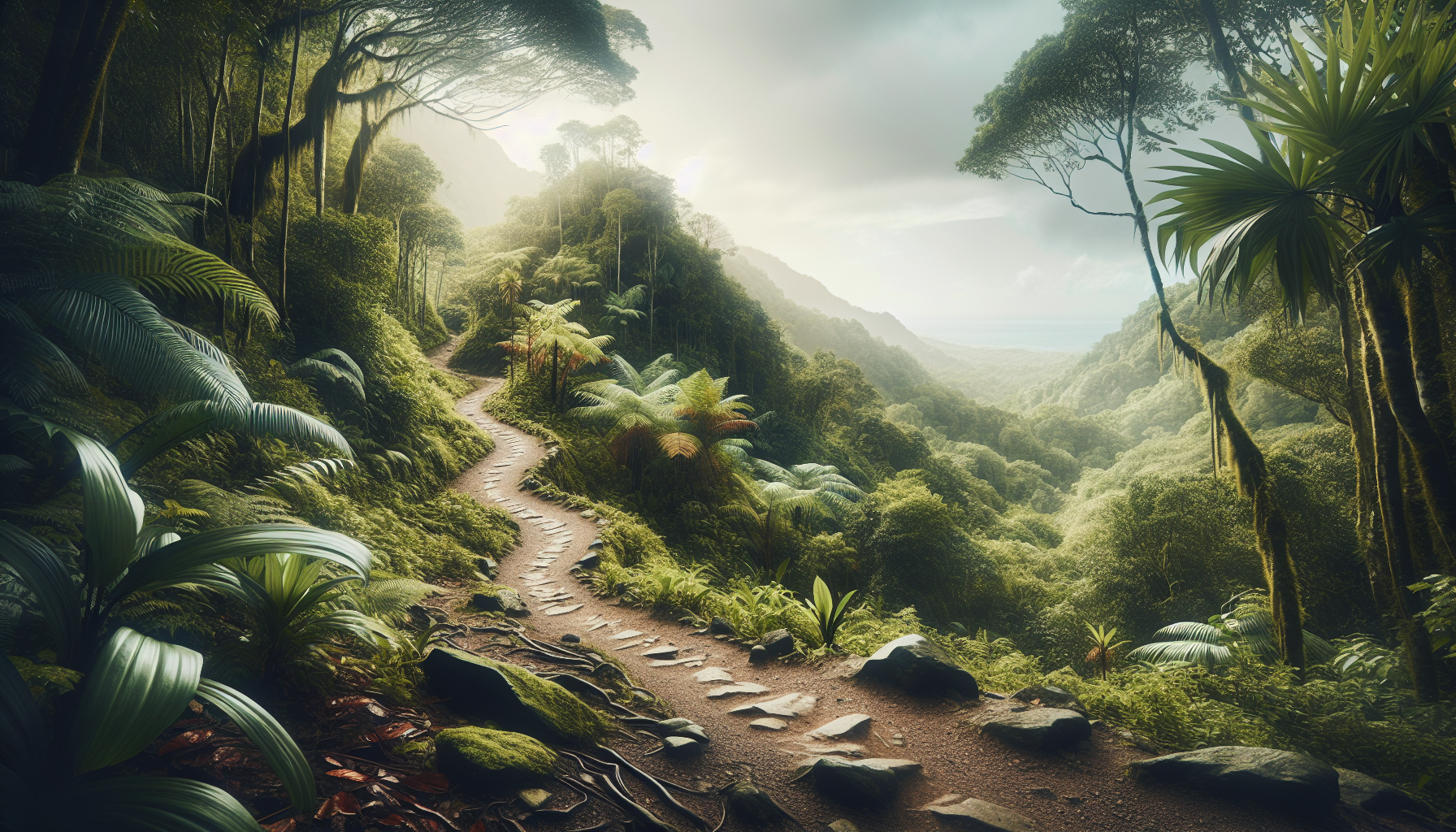
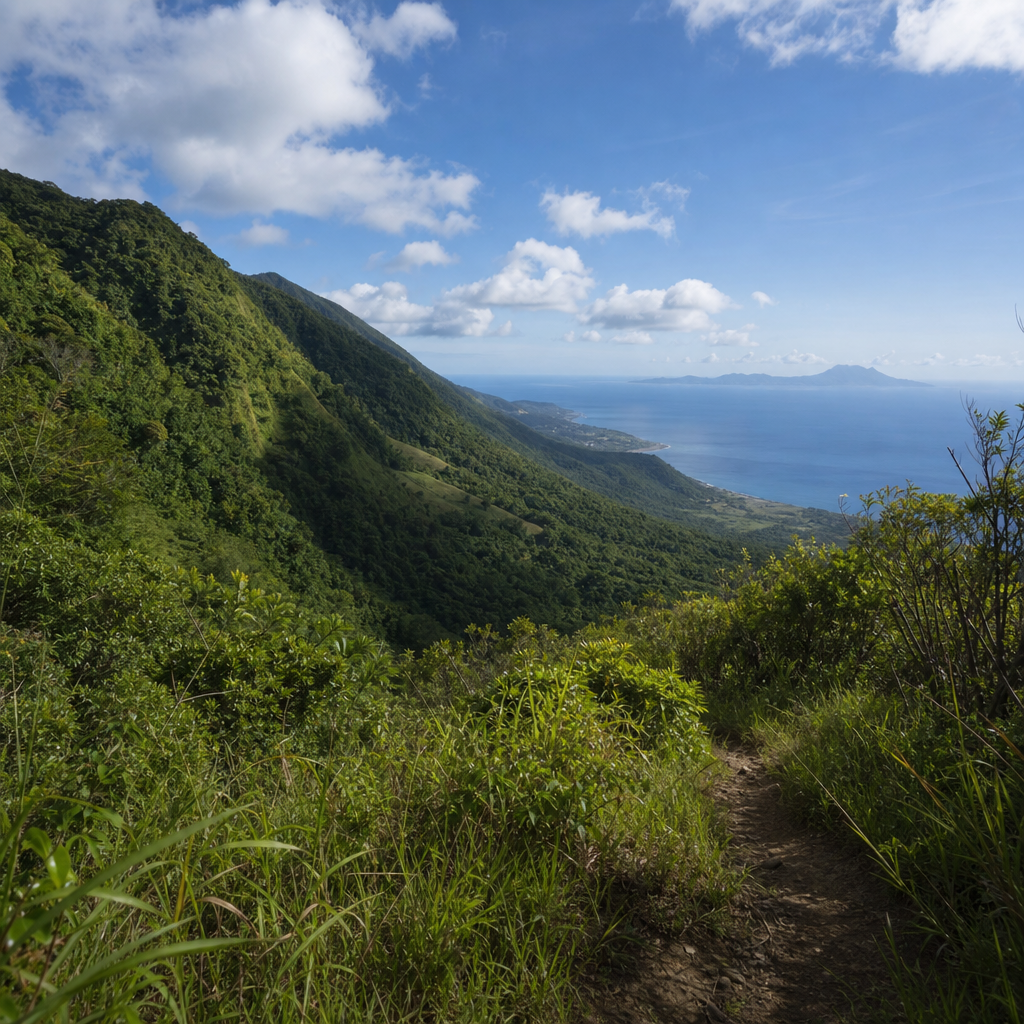
The central experience of nature walking on Nevis begins on the slopes of Nevis Peak. While the summit climb is demanding and often muddy, lower and mid-elevation forest walks are accessible to more visitors and reveal the island’s watershed ecology clearly. These paths pass through humid forest with broadleaf trees, vines, fungi, and occasional openings where you can look back toward Charlestown and the Caribbean Sea. Local guides are strongly recommended here, not only for safety and route-finding but because many trailheads are understated and conditions change quickly after rain.
Beyond the peak, the Round Hill area and nearby estate lands provide a different reserve character. Instead of dense montane vegetation, walkers encounter a mosaic of secondary forest, pasture edges, old stone walls, fruit trees, and open views. These transitional habitats are excellent for spotting green vervet monkeys, which were introduced centuries ago and are now a defining part of the island’s wildlife picture. They are not native, so their presence raises legitimate ecological questions, but from a visitor perspective they are often the first mammals noticed on a quiet morning walk.
Coastal stretches on the island’s leeward and windward sides add another ecological layer. Places near Pinney’s, Newcastle, Indian Castle, and the southeast shoreline show how dry forest, scrub, mangroves, beaches, and rocky marine edges interact. These are not always marketed as reserve walks, yet they function as critical wildlife zones. Shorebirds feed along the waterline, crabs move in the intertidal zone, and sea grapes stabilize sandy edges. For anyone building a broader Nature and Wildlife itinerary, these coastal habitats are essential links between inland forest articles, birding guides, and marine conservation coverage.
Wildlife and habitats you are most likely to notice
Nevis rewards slow walkers. If you move quietly and pay attention to sound before sight, the island reveals more than many first-time visitors expect. In upland and mid-elevation forest, common observations include bananaquits, bullfinches, hummingbirds, and lizards basking where sun reaches the path. The air can carry calls from pearly-eyed thrashers, and after rainfall you may see mushrooms pushing through decaying wood. In fruiting areas, vervet monkeys may travel in family groups, often using trees at the forest edge rather than deep canopy.
Plant life deserves equal attention. Nevis’ volcanic soils support dense growth where moisture is reliable, and November often highlights the contrast between wet upper slopes and drier coastal zones. Ferns, heliconia, bromeliads, and climbing vines dominate more humid sections, while acacia, sea grape, cactus, and salt-tolerant grasses appear nearer the coast. Learning these transitions helps visitors understand why protected areas cannot be reduced to a single “jungle” image. The island’s biodiversity depends on connected habitats, elevation change, and seasonal water flow.
For quick field orientation, use this habitat guide during a November walk:
| Area type | What you may see | Best time to walk | Main caution |
|---|---|---|---|
| Lower rainforest trails | Bananaquits, fungi, tree ferns, monkeys at edges | Early morning | Mud and slippery roots |
| Estate and edge habitat | Bullfinches, lizards, fruit trees, stone ruins | Morning or late afternoon | Sun exposure in open sections |
| Coastal scrub and beach margins | Shorebirds, crabs, sea grapes, dry forest plants | Sunrise or near sunset | Heat, glare, limited shade |
| Ghauts and wet channels | Insects, dense vegetation, occasional amphibian activity | After light rain, with caution | Flash runoff and unstable footing |
This diversity is why Nevis works so well as a sub-pillar hub within Nature and Wildlife. One island walk can lead readers naturally into related topics such as birdwatching, volcanic ecology, coastal conservation, monkey behavior, native plants, and responsible hiking practices.
How to plan the walk: routes, gear, and local guidance
The most effective way to plan a November walk on Nevis is to match route choice to your tolerance for mud, heat, and elevation. If you want a half-day outing with strong scenery and moderate effort, choose lower forest or estate trails rather than a summit attempt. If your priority is wildlife photography, begin at first light on a quiet edge habitat route where birds and monkeys are easier to observe before the sun climbs. Coastal loops work best for travelers staying near the beach who want an easier walk without committing to steep terrain.
Gear should be practical, not elaborate. Trail shoes with aggressive grip are sufficient for many walks, though waterproof boots help after recent rain. Carry at least one and a half liters of water per person for shorter routes and more for exposed coastal sections. A light rain shell, insect repellent, sun protection, and a dry bag for electronics are useful in November conditions. I also recommend a small microfiber cloth because camera lenses and glasses fog quickly when moving between shade and humid clearings. Trekking poles help on muddy descents but are optional on flatter ground.
Guides add real value on Nevis. Many routes are not heavily marked, and local knowledge improves both safety and interpretation. A good guide can identify medicinal plants, explain plantation-era land use, point out bird calls, and judge whether a ghaut crossing is wise after overnight rain. That context turns a walk from a scenic outing into a grounded understanding of how the island’s natural systems and human history overlap. For a hub article covering miscellaneous reserve experiences, that overlap matters. Nevis is not wilderness detached from people; it is a lived landscape where conservation, farming, tourism, and heritage still meet.
Responsible walking and conservation realities on Nevis
Responsible walking on Nevis starts with accepting that small-island ecosystems are resilient in some ways and fragile in others. A single boot print will not damage a forest, but repeated off-trail movement can widen paths, erode slopes, and disturb roots in already wet conditions. Stay on established tracks when possible, avoid trampling coastal vegetation, and never feed monkeys. Feeding changes animal behavior, increases conflict, and encourages unhealthy dependence on human food. The same principle applies to birds and stray animals around trailheads.
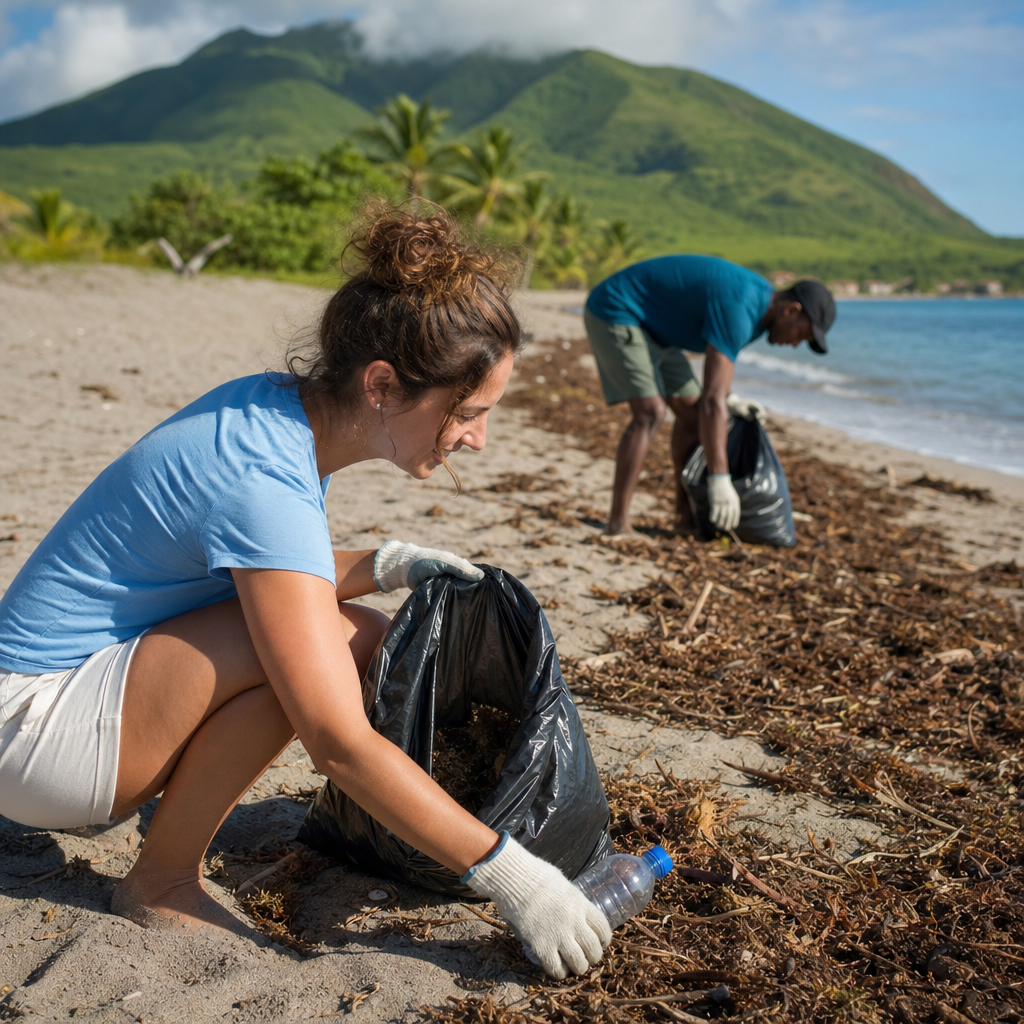
Litter is another serious issue on islands because waste management capacity is finite and winds move plastic quickly into ghauts and coastal water. Pack out everything, including fruit peels, which decompose slowly in some environments and normalize the idea that organic waste is harmless anywhere. If you snorkel or swim after a walk, use reef-safe sun protection where possible and avoid washing mud directly into roadside drains that flow seaward during rain events.
Conservation on Nevis also involves tradeoffs. Tourism supports livelihoods and creates reasons to protect landscapes, yet unmanaged foot traffic, informal development, and shoreline pressure can degrade exactly what visitors come to see. The most useful visitor behavior is simple: hire local guides, pay site fees where they exist, choose small operators who respect conditions, and treat reserve walks as participation in stewardship rather than consumption. That mindset supports better outcomes across the entire Nature and Wildlife network of experiences.
How this hub connects to the wider Nature and Wildlife experience
As a miscellaneous hub, a November reserve walk on Nevis should point readers outward as much as inward. A forest trail naturally leads to deeper interest in endemic and migratory birds. A coastal walk raises questions about turtle nesting, shorebird habitat, mangrove function, and fisheries health. Estate-edge routes connect ecology with colonial land history, watershed management, and introduced species such as vervet monkeys. In editorial terms, this page works best when it helps readers build an itinerary and a reading path at the same time.
For example, a visitor might start with a gentle morning walk near an estate, then move to a dedicated birdwatching guide for species identification, continue to a coastal conservation article before exploring beaches, and finish with a more technical piece on hiking Nevis Peak. Another traveler may use this page as an overview before choosing family-friendly nature stops, photography locations, or rainy-season alternatives. That is the value of a strong hub page: it gives enough depth to answer immediate questions while showing how each reserve experience fits into a broader ecological picture.
Exploring Nevis’ natural reserves in November is ultimately about reading the island through movement. Every path shows a relationship between rainfall, rock, plants, animals, and people. Walk slowly, choose routes that fit the weather, and let the island’s smaller details guide the day. If you are planning a Nature and Wildlife trip to Nevis, use this hub as your starting point, then map out the forests, coastal habitats, and local guides that will turn a simple walk into a meaningful encounter with the island’s living landscape.
Frequently Asked Questions
Why is November a particularly good time to explore Nevis’ natural reserves?
November is one of the most appealing months for walking Nevis’ natural reserves because the island typically feels greener, fresher, and more active after the wetter part of the year, while still offering more comfortable conditions than the hotter periods. Early mornings are often cooler, which makes longer walks far more enjoyable, especially on trails that climb gradually or pass through humid forest. The vegetation is usually lush at this time, so hikers get a stronger sense of Nevis as a living volcanic landscape rather than simply a beach destination. Streams, ghauts, and shaded paths can feel more vibrant, and the island’s ecological contrasts become easier to appreciate, from dry coastal areas to denser interior habitats.
November is also a rewarding month for wildlife observation. Bird activity can be especially noticeable in the morning, and this is when walkers often have better chances of hearing and seeing species moving through the canopy, edges of old plantation lands, and protected green corridors. The island’s monkeys, reptiles, and insect life can also be easier to spot when conditions are not excessively hot. For travelers who want to understand Nevis beyond its shoreline, November creates an ideal balance: the scenery is rich, the trails are inviting, and the overall experience feels less like a strenuous hike and more like an immersive introduction to Caribbean ecology.
What kinds of landscapes and habitats can you expect to see on a November walk in Nevis?
A walk through Nevis’ natural areas reveals far more variety than many first-time visitors expect. Although the island is compact, its volcanic origin has created a layered landscape shaped by elevation, rainfall, and historic land use. Around the coast, you may encounter drier zones with scrub, grasses, and salt-tolerant vegetation, especially in more exposed areas. Move inward, and the terrain begins to change through old estate lands, fruiting trees, shaded paths, and seasonal watercourses known as ghauts. These ghauts are important ecological corridors, channeling water during rains and supporting pockets of denser plant growth that attract birds, insects, and small reptiles.
As trails rise toward the slopes of Nevis Peak or enter more protected interior zones, the environment typically becomes greener and more humid. Ferns, broadleaf vegetation, climbing vines, and mature trees create a more enclosed feeling, especially in the morning when clouds or mist may linger higher up. In November, these transitions are especially striking because recent seasonal moisture often enhances the contrast between dry lowlands and lush uplands. Hikers can often observe how natural habitat, agricultural history, and conservation areas overlap, which is part of what makes Nevis so interesting. The island is not just scenic; it is a compact example of how Caribbean ecosystems shift over short distances.
What wildlife might you see while walking in Nevis’ reserves and protected areas?
Wildlife sightings in Nevis can be surprisingly rewarding, particularly for walkers who move slowly and pay attention to sound as much as sight. One of the island’s most recognizable animals is the African green monkey, which is often seen near forest edges, old plantations, and quieter inland routes. These monkeys are an established part of the island’s landscape, and while they are familiar to many visitors, they are best appreciated from a respectful distance. Birdlife is another major highlight in November. Depending on the habitat, walkers may notice doves, hummingbirds, shore-associated species near coastal areas, and migratory birds using the island during seasonal movement periods.
Reptiles are also part of the natural experience, though they are often subtler and easier to miss unless you are scanning sunlit stones, tree trunks, and low vegetation. Small lizards are common, and insect life can be very active in greener areas, adding to the sense that the island’s reserves are full of small ecological interactions. November’s cooler mornings often help because animals are more likely to be active before midday heat builds. The best approach is to walk quietly, avoid sudden movement, and pause frequently. In Nevis, wildlife often reveals itself in stages: a rustle in the leaves, birdsong from the canopy, movement along a ghaut, or a monkey silhouette against the trees. For many visitors, those moments become the most memorable part of the walk.
How should you prepare for a nature walk in Nevis in November?
Preparation matters in Nevis because even relatively accessible walks can involve uneven ground, humid stretches, muddy patches, roots, stones, and rapid changes in weather depending on elevation. In November, it is wise to dress for warm tropical conditions while also being ready for damp or cooler periods during early starts and higher-altitude walks. Lightweight, breathable clothing works well, but proper walking shoes or trail shoes are much more important than casual sandals, especially if the trail passes through forest or near water-cut pathways. Carrying water is essential, even on shorter outings, because humidity can be deceptively tiring. Insect repellent, sun protection, and a light rain layer are also smart additions.
Timing and pacing are equally important. Starting early usually provides the most comfortable temperatures and the best wildlife activity. If you plan to explore more remote or steeper areas, using a local guide is a very good idea, not only for navigation but also for interpretation. Guides can explain plant life, identify birds, point out historic estate features, and help walkers understand how Nevis’ ecosystems connect. A phone, small first-aid kit, and dry bag for valuables are sensible precautions as well. Most importantly, prepare to move slowly. A November walk in Nevis is most rewarding when treated as an observational experience rather than a race to a viewpoint.
Are there any responsible hiking and conservation practices visitors should follow in Nevis’ natural reserves?
Yes, and they are especially important on a small island where habitats can be sensitive and human impact is felt quickly. Visitors should remain on established paths whenever possible to reduce erosion and avoid damaging vegetation. This matters even more in November, when some areas may be softer or more vulnerable after seasonal rains. Litter should never be left behind, including biodegradable waste, because it can affect wildlife behavior and spoil habitats that are relatively small and interconnected. Walkers should also avoid feeding monkeys or birds. Feeding wildlife may seem harmless in the moment, but it can change animal behavior, increase dependence on humans, and create health or safety issues for both animals and visitors.
Respect for sound and pace is another part of responsible walking. Quiet observation improves wildlife encounters and preserves the atmosphere of the reserve for others. If you are exploring with a group, keeping voices low and staying together helps limit disturbance. It is also worth remembering that Nevis’ natural areas often overlap with culturally important landscapes, including former plantation lands, rural routes, and locally valued green spaces. Treating the island as both an ecological and historical environment leads to a better experience and a more respectful one. Supporting knowledgeable local guides, following posted guidance, and choosing low-impact behavior all help protect the very qualities that make a November walk in Nevis so distinctive.