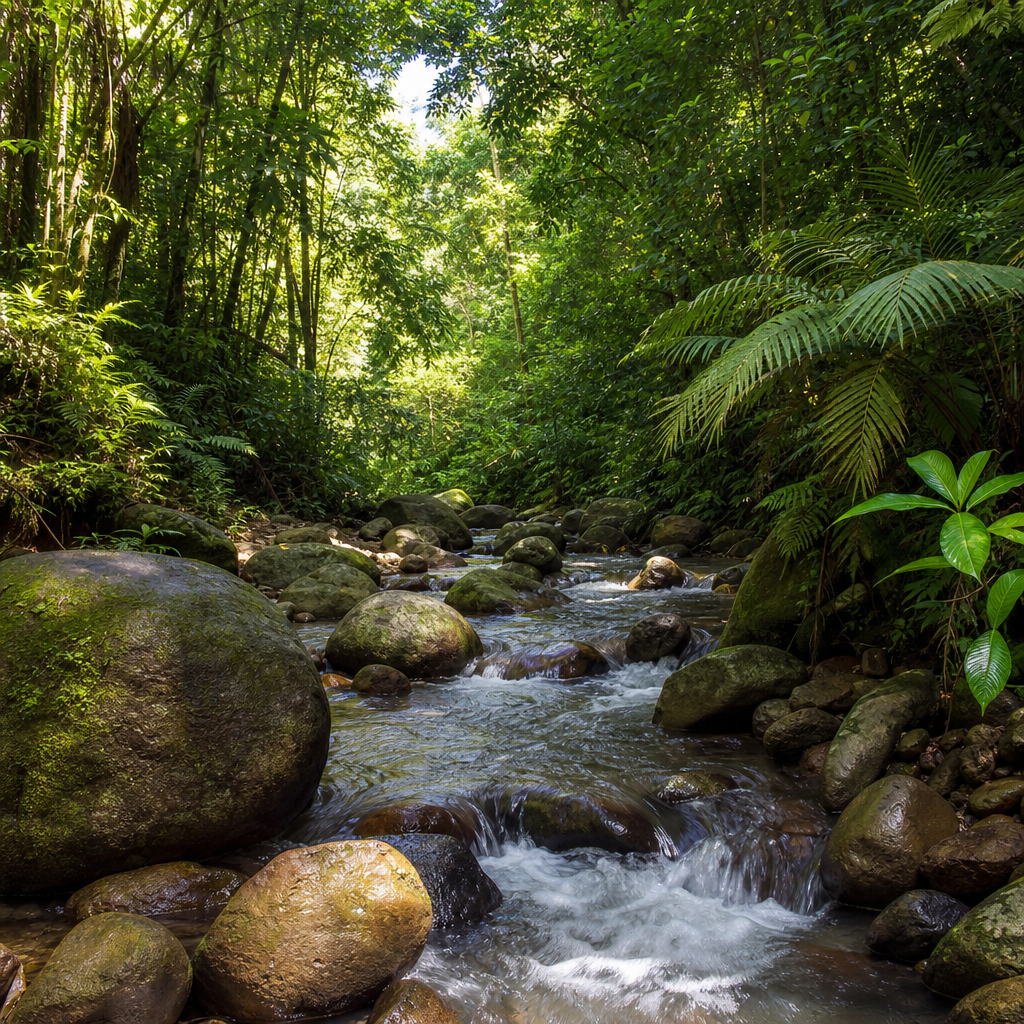
Saint Kitts’ rivers and streams are small in scale but outsized in ecological importance, shaping the island’s freshwater ecosystems, supporting wildlife, influencing farming, and linking cloud forest ridges to coastal wetlands and reefs. In island geography, “freshwater ecosystems” refers to habitats where water has low salt content, including mountain ghauts, short seasonal streams, spring-fed channels, ponds, and associated riparian vegetation. On Saint Kitts, these systems are defined by steep volcanic terrain, intense rainfall gradients, porous soils, and short travel distances from upland watershed to sea. That combination produces waterways that can shift quickly from trickles to torrents, especially during tropical downpours.
Understanding these freshwater ecosystems matters because small islands have limited water storage, concentrated land use, and species that depend on a narrow range of habitat conditions. A disturbed stream on a large continent may have alternative tributaries nearby; on Saint Kitts, the same disturbance can affect an entire catchment. I have worked on Caribbean environmental content and field-based watershed summaries long enough to know that people often underestimate ephemeral channels, yet these are exactly the places where erosion starts, pollutants move, and native species lose breeding cover. On Saint Kitts, freshwater systems are not separate from the rest of nature. They are part of one continuous environmental chain connecting rainforest, agriculture, villages, mangroves, beaches, and nearshore fisheries.
For readers exploring Nature and Wildlife topics, this hub article covers the miscellaneous freshwater dimension that ties many other subjects together: forest conservation, birds, amphibians, insects, invasive species, water management, and coastal resilience. It explains what Saint Kitts’ rivers and streams are like, which habitats and organisms they support, what pressures they face, and why watershed health is central to the island’s wider biodiversity future. Because most channels are short and many are intermittent, the key question is not whether Saint Kitts has huge rivers. It does not. The real question is how these modest watercourses function as ecological corridors, sediment pathways, climate buffers, and life-support systems on a volcanic island with limited freshwater space.
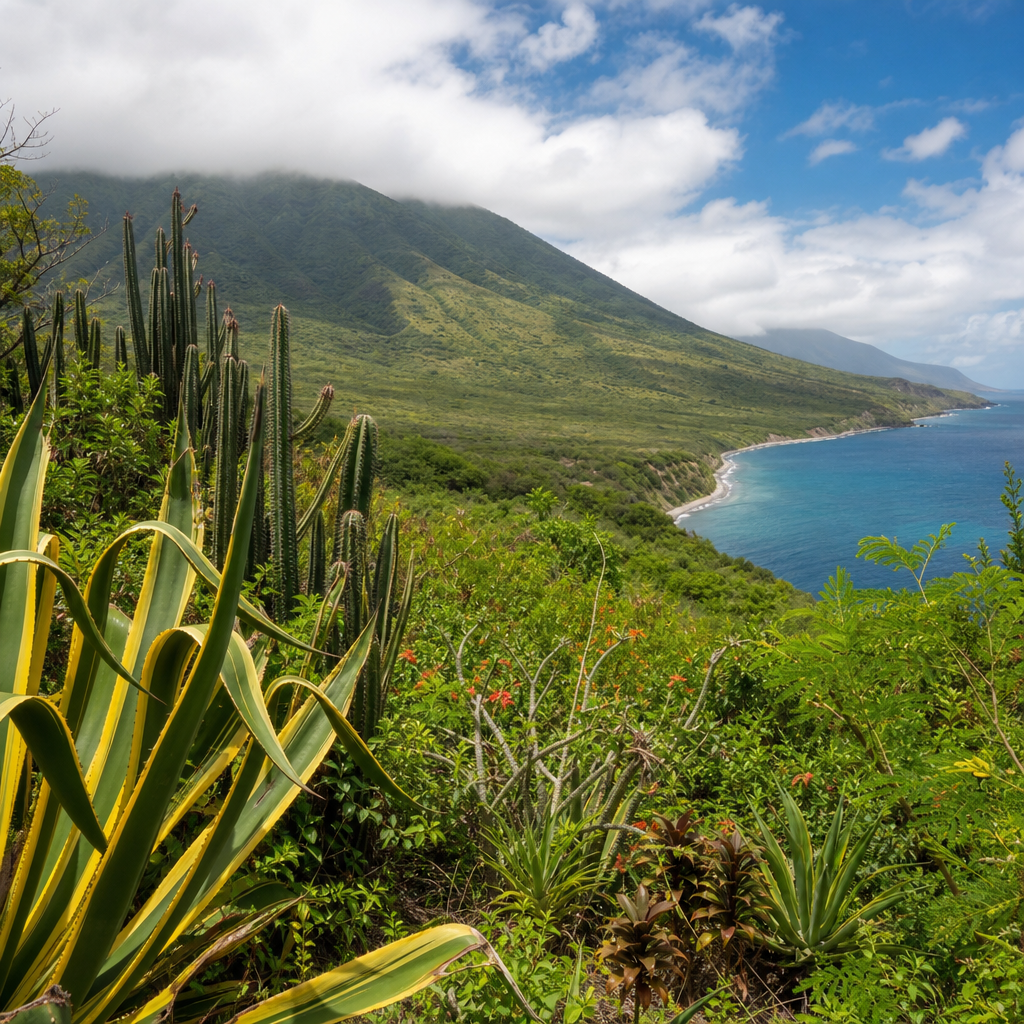
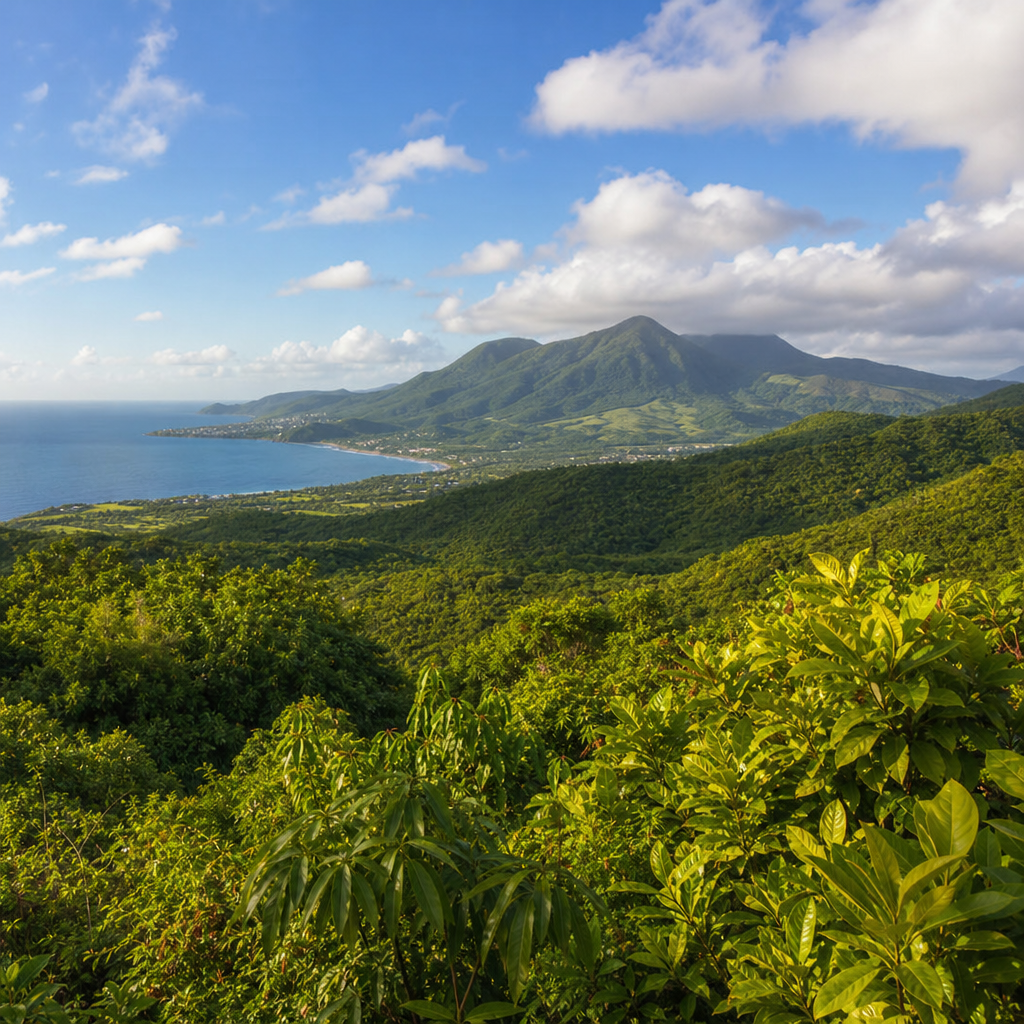
Saint Kitts rises around Mount Liamuiga, a dormant volcano whose slopes capture moisture from trade winds. Higher elevations receive much more rainfall than coastal plains, feeding guts, springs, and runoff channels that descend rapidly through forest, former sugar lands, settlements, and coastal zones. Locally, “ghaut” often describes a ravine or watercourse that may be dry for part of the year but becomes active after rain. That distinction is essential. In island hydrology, a stream does not need continuous visible flow to be ecologically important. Subsurface water movement, brief flood pulses, and shaded pools can all sustain plant roots, invertebrates, and amphibians. Even when dry at the surface, a ghaut can remain a transport route for organic matter, seeds, and sediment, while also influencing groundwater recharge.
The island’s freshwater character is therefore dynamic rather than uniform. Some reaches are steep, rocky, and shaded; others flatten into disturbed channels with grasses, crops, or roadside development. Many waterways have been altered by historical estate agriculture, road crossings, culverts, quarrying, drainage works, or bank clearing. Yet natural function persists where vegetation remains intact, leaf litter accumulates, and floodplains are not overbuilt. These conditions determine water temperature, oxygen levels, turbidity, and shelter availability for aquatic and semi-aquatic life. They also shape human outcomes, including flood risk and water quality. A clear view of Saint Kitts’ rivers and streams begins with that practical truth: on a small volcanic island, every upper-slope land decision eventually appears downstream.
How Saint Kitts’ Freshwater Systems Work
Saint Kitts has radial drainage patterns typical of volcanic islands, with water moving outward from central highlands toward the coast through short, steep catchments. Rainfall in upland forests is intercepted by canopy, absorbed into soils, and released gradually through seepage and runoff. When vegetation is dense, root systems stabilize slopes and slow water movement. When vegetation is removed, intense tropical rain reaches bare soil directly, increasing overland flow, gullying, and sediment delivery into channels. The result is flashy hydrology: water levels rise quickly during storms, flow velocities become destructive, and channels transport gravel, silt, branches, and pollutants in concentrated pulses.
Stream ecology on Saint Kitts depends less on river length and more on variability, shading, substrate, and connectivity. Rocky beds create microhabitats where insect larvae cling beneath stones. Leaf packs trapped behind woody debris feed decomposers and small invertebrates. Overhanging roots provide shelter for crabs, lizards near the banks, and amphibians using moist margins. Pools that persist after rainfall can become breeding or feeding sites, while riffles aerate water and move nutrients. In practice, a healthy island stream often looks messy: fallen branches, uneven banks, cobbles, algae patches, and dense streamside plants are usually signs of function, not neglect.
Because Saint Kitts’ watersheds are short, changes propagate rapidly. A construction site upslope can increase sediment loads in a downstream channel within a single rainy period. A blocked culvert can redirect floodwater into homes or farms. Conversely, replanting native riparian strips can reduce erosion within seasons and improve habitat quality quickly. That responsiveness is one reason freshwater management on islands requires integrated planning. Forest departments, water authorities, farmers, tourism operators, and coastal managers all affect the same system, whether they use river terminology or not.
Habitats and Species Supported by Rivers and Streams
Freshwater ecosystems on Saint Kitts support a mix of aquatic, riparian, and edge species rather than the large river fauna seen on continental landscapes. Aquatic insects are especially important. Dragonfly and damselfly larvae develop in pools and slow runs, then emerge as adults that prey on mosquitoes and other insects. Mayflies, where present, signal relatively clean water because many species are sensitive to low oxygen and pollution. Freshwater snails, worms, and crustaceans process detritus, helping convert leaf litter into food accessible to higher trophic levels. This hidden invertebrate layer is the foundation of stream productivity.
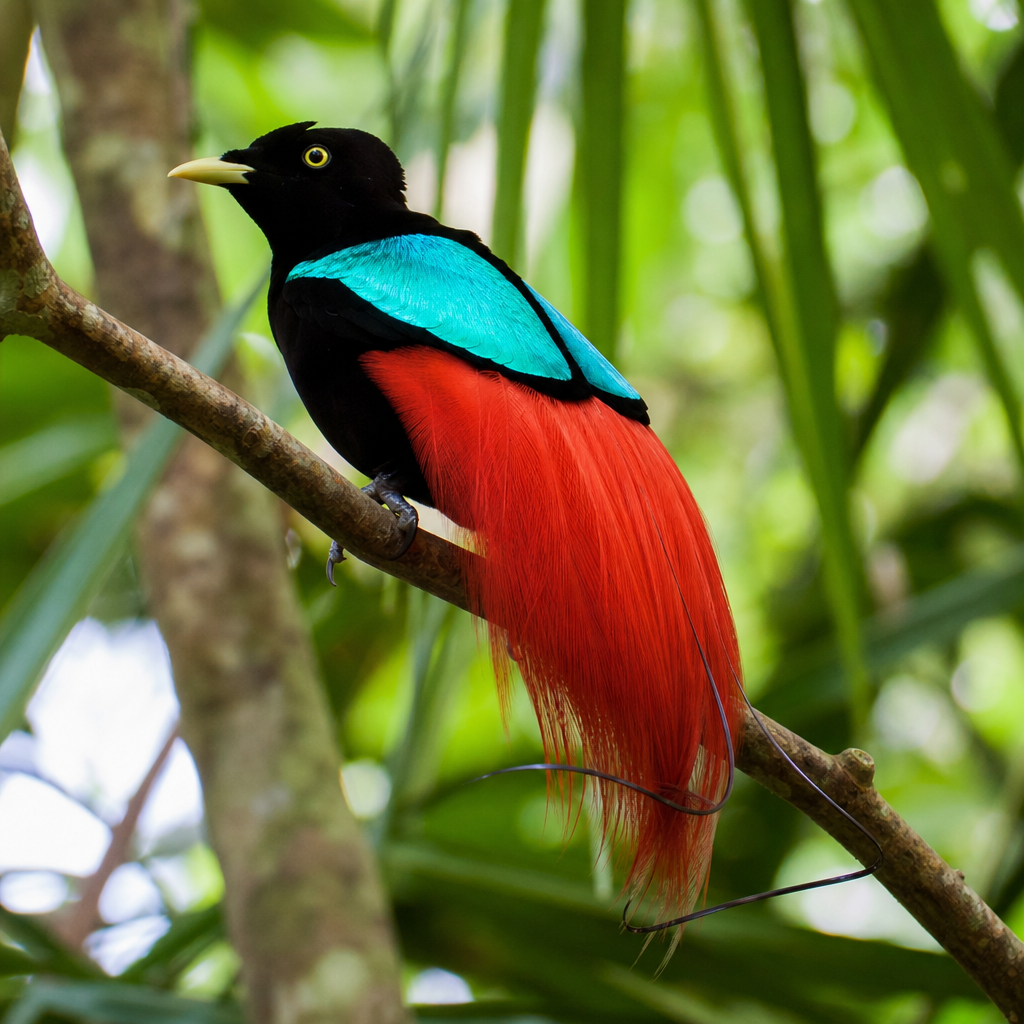
Amphibians and reptiles rely on moist stream corridors even where open water is intermittent. Frogs use wet depressions and vegetated margins for calling and breeding during rainy periods. Anoles, geckos, and other small reptiles hunt insects along banks and in streamside shrubs. Birds also concentrate in riparian habitat because watercourses combine shelter, prey, nesting materials, and fruiting vegetation. On Saint Kitts, forest and edge birds often use ghauts as movement corridors between elevations, especially where the surrounding landscape has been fragmented by roads or cleared land.
Plants are equally central. Ferns, sedges, mosses, shrubs, and trees adapted to wetter microsites hold banks together, filter runoff, and regulate stream temperature through shade. In Caribbean islands, losing riparian cover usually triggers multiple effects at once: hotter water, more algae growth, weaker banks, less leaf input, and fewer refuge sites during floods. I have seen this pattern repeatedly in regional watershed assessments. It is one of the simplest lessons in freshwater ecology: protect the vegetation next to the channel, and many other functions improve with it.
| Freshwater feature | What it provides | Example of wildlife use |
|---|---|---|
| Shaded pool | Cooler water, refuge during dry spells | Insect larvae, frogs, freshwater snails |
| Rocky riffle | High oxygen, attachment surfaces | Mayfly-like larvae, aquatic beetles |
| Leaf litter and woody debris | Food source, shelter, slower flow | Detritivores, juvenile crabs, small fish where present |
| Vegetated bank | Erosion control, nesting cover, insect habitat | Birds, lizards, pollinators |
| Estuary mouth | Fresh-salt transition, nutrient exchange | Wading birds, migratory species, juvenile marine life |
From Watershed to Coast: Why Freshwater Affects Marine Nature
One of the most important facts about Saint Kitts’ rivers and streams is that they do not end their ecological role at the shoreline. Sediment, organic matter, and nutrients delivered by streams influence mangroves, seagrass beds, and coral reefs. In balanced amounts, freshwater pulses can help estuarine productivity. In excessive amounts, especially when carrying eroded soil, sewage, fertilizers, or litter, they reduce water clarity and stress marine habitats. Coral reefs need sunlight. Fine sediment in coastal water blocks light, smothers coral tissue, and can favor algal overgrowth.
That land-sea connection makes freshwater conservation a coastal strategy as much as an upland one. If a hillside is cleared without erosion control, the consequence may be visible first at a beach outfall or in nearshore turbidity after rain. If a ghaut is used as an informal dumping ground, plastics and debris will likely reach the coast. If wetlands near stream mouths are drained or filled, flood buffering declines and bird habitat shrinks. This is why effective island conservation plans treat watersheds as complete systems rather than isolated parcels.
For tourism-dependent islands, this point has practical economic weight. Clear coastal water, healthy reefs, and attractive landscapes support diving, snorkeling, yachting, and general destination value. Better stream management upstream helps protect those assets downstream. In environmental planning, freshwater ecosystem health is often one of the cheapest long-term investments because prevention costs less than dredging, reef restoration, repeated flood repair, or water treatment upgrades.
Main Threats Facing Saint Kitts’ Freshwater Ecosystems
The leading pressures are sedimentation, pollution, habitat modification, invasive species, and climate volatility. Sedimentation usually comes from exposed soil on steep slopes, poorly managed roadsides, quarry activity, and construction without adequate drainage or silt control. Once soil enters a stream, it fills pools, buries insect habitat, and reduces water quality. Pollution sources include sewage leaks, solid waste, agrochemicals, and hydrocarbons from vehicles or machinery. On small islands, even modest discharges can have outsized effects because dilution capacity is limited and catchments are short.
Habitat modification includes straightening channels, hardening banks, removing riparian vegetation, and undersizing culverts. These actions may seem efficient for drainage but often increase flood energy and reduce ecological value. Invasive plants can dominate banks and displace native vegetation, while introduced predators or competitors can alter aquatic communities. Climate change intensifies all of this by increasing heat stress, shifting rainfall patterns, and contributing to more severe downpours punctuated by drought. In practical terms, Saint Kitts is likely to experience stronger extremes: longer dry intervals that reduce base flow, followed by intense rain events that scour channels.
Historical land use also matters. Former sugar cultivation reshaped much of the lower landscape, and those legacy drainage patterns still influence runoff and sediment transport today. Urban expansion adds more roofs, pavement, and compacted ground, causing water to move faster into streams. When planning decisions ignore watershed behavior, damage accumulates quietly until a major storm exposes it all at once.
Conservation Priorities and What Good Management Looks Like
Protecting Saint Kitts’ rivers and streams starts with riparian buffers, upland forest retention, erosion control, and realistic development setbacks from active channels. A buffer is simply a protected strip of vegetation beside a watercourse, but its benefits are multiple: it traps sediment, filters runoff, cools water, stabilizes banks, and provides habitat. In the Caribbean context, mixed native vegetation usually performs better than mown grass alone because deeper roots and layered structure resist storm damage more effectively.
Good management also includes culvert design that accounts for peak flows, routine clearing limited to blockages rather than blanket channel stripping, and stormwater systems that slow and spread runoff instead of sending it rapidly downstream. Monitoring matters. Even basic indicators such as turbidity, bank erosion, canopy cover, presence of litter, and abundance of aquatic insects can reveal whether a stream is improving or degrading. Standard watershed practice often pairs field observation with rainfall records, land-cover mapping, and community reporting.
Community involvement is not optional. Residents notice illegal dumping, blocked drains, fish kills, and unusual flood behavior before formal surveys do. Schools can use nearby ghauts for citizen science projects, bird counts, and riparian planting. Farmers can reduce sediment loss through contour planting, ground cover, and careful chemical application. Hotels and tourism businesses can support cleanups and adopt runoff control measures. The strongest hub message for this miscellaneous freshwater topic is simple: every nature subject on Saint Kitts connects back to watershed condition. To explore the island’s wildlife seriously, include its streams in the picture. Support local conservation, respect riparian zones, and choose practices that keep upland water clean from ridge to reef.
Frequently Asked Questions
What makes Saint Kitts’ rivers and streams so important if they are small and often seasonal?
Although Saint Kitts does not have large continental-style rivers, its freshwater ecosystems are critically important because they perform many ecological functions at once. The island’s mountain ghauts, short streams, spring-fed channels, ponds, and vegetated riparian corridors collect and move rainfall from the central highlands toward lower elevations and the coast. In doing so, they provide freshwater habitat for insects, amphibians, birds, and other wildlife, while also helping regulate erosion, filter sediments, and recharge local water supplies.
Seasonality does not make these waterways unimportant; in fact, it is one of their defining ecological features. Many channels on Saint Kitts flow strongly after rain and become reduced or intermittent during drier periods. Native species and plant communities are adapted to this pattern. These pulsing flows distribute organic matter, transport nutrients, and connect upland habitats with downstream wetlands and coastal zones. Even dry or low-flow channels still function as ecological corridors, allowing movement of organisms and supporting moisture-loving vegetation in otherwise warmer and drier landscapes.
Because Saint Kitts is a small volcanic island, the effects of these freshwater systems extend far beyond their visible size. What happens in an upland ghaut can influence farms downslope, mangrove and pond habitats near the coast, and even nearshore marine ecosystems such as seagrass beds and reefs. That is why these rivers and streams are often described as small in scale but outsized in ecological importance.
What types of freshwater ecosystems are found on Saint Kitts?
Saint Kitts has a diverse mix of freshwater habitats shaped by its steep terrain, volcanic geology, and highly seasonal rainfall. One of the most characteristic features is the ghaut, a steep-sided watercourse that may carry fast-flowing water after heavy rain and then diminish substantially in dry periods. Ghauts are central to how freshwater moves across the island, and they often support distinct riparian plant communities along their banks.
In addition to ghauts, the island includes short seasonal streams, spring-fed channels, small ponds, wet depressions, and transitional freshwater-to-brackish habitats near the coast. Some channels retain water longer because of springs or shaded catchments in the highlands, while others respond quickly to rainfall and can fluctuate dramatically. These differences create a mosaic of microhabitats, each supporting different combinations of aquatic insects, small fish where conditions allow, birds, reptiles, and moisture-dependent plants.
Associated riparian vegetation is also a key part of the freshwater ecosystem, not just the water itself. Trees, shrubs, ferns, grasses, and other plants along streambanks stabilize soil, reduce overheating of shallow water, add leaf litter that feeds aquatic food webs, and provide shelter for wildlife. In practical ecological terms, Saint Kitts’ freshwater ecosystems are best understood as connected landscape systems rather than isolated channels of water.
How do Saint Kitts’ freshwater ecosystems support wildlife and biodiversity?
Freshwater ecosystems on Saint Kitts support biodiversity by creating habitat, food resources, shelter, and movement pathways across the island. Insects that spend part of their life cycle in water, such as aquatic larvae, are especially important because they help convert organic material into food for birds, reptiles, and other animals. Stream edges and moist gullies also provide cooler, more humid refuge than surrounding exposed areas, which can be especially valuable during dry periods.
Birds benefit from these systems in several ways. Riparian zones can offer nesting sites, foraging areas, and access to freshwater for drinking and bathing. Amphibians and reptiles may rely on damp streamside environments, shaded pools, or leaf-litter-rich banks. Even when surface water is limited, the vegetation associated with freshwater channels can maintain a microclimate that supports species that might not thrive in drier habitats nearby.
These ecosystems also enhance biodiversity through connectivity. Water moving from cloud forest ridges to lower valleys and coastal wetlands carries nutrients, seeds, and organic material, linking habitats that might otherwise function in isolation. This connection matters on an island, where space is limited and habitat fragmentation can have strong ecological effects. Protecting freshwater systems therefore helps protect a wider network of terrestrial and coastal biodiversity at the same time.
How do rivers and streams on Saint Kitts affect farming, soil, and water quality?
Saint Kitts’ rivers and streams play an important role in agriculture because they influence how water, sediment, and nutrients move through the landscape. During rainfall, freshwater channels help drain upland slopes and distribute runoff downslope. Where vegetation is healthy, streambanks and riparian buffers can slow erosion, trap sediment, and improve the quality of water reaching farms and lowland areas. This is especially important on steep volcanic terrain, where heavy rains can quickly strip exposed soil if land is not well managed.
For farming communities, freshwater ecosystems can be both beneficial and vulnerable. They support soil moisture, contribute to local water availability, and help maintain fertile lowland areas through natural nutrient transport. However, if streamside vegetation is removed or if slopes are overused, the same waterways can carry excess sediment, agrochemicals, and organic waste. That can degrade water quality, damage downstream habitats, and reduce the long-term productivity of agricultural land.
The relationship is therefore reciprocal: healthy freshwater ecosystems support farming, and responsible farming helps protect freshwater ecosystems. Practical measures such as maintaining vegetated buffer zones, reducing runoff, controlling erosion, and limiting pollution are especially valuable on Saint Kitts because small island watersheds respond quickly to land-use change. In a setting where uplands, farms, villages, wetlands, and reefs are closely connected, protecting stream health is also a form of protecting food security and environmental resilience.
What are the main threats to Saint Kitts’ freshwater ecosystems, and how can they be protected?
The main threats to Saint Kitts’ freshwater ecosystems typically include erosion, land clearing, pollution, altered drainage, invasive species, and climate-related changes in rainfall patterns. Because the island’s rivers and streams are short and relatively small, disturbances can spread quickly from one part of the watershed to another. Clearing vegetation in upper catchments can increase runoff and sediment loads, while development near channels can reduce natural flood absorption and degrade streambank habitat.
Pollution is another serious concern. Sediment from disturbed land, waste discharge, and agricultural runoff can lower water quality and disrupt aquatic life. Downstream effects are especially significant on an island because freshwater systems often empty into wetlands, ponds, and coastal marine areas. Excess sediment and nutrients can harm mangroves, seagrass beds, and coral reefs, showing how freshwater management is directly tied to broader environmental health.
Protection depends on watershed-scale thinking. Effective strategies include conserving forested uplands, restoring riparian vegetation, limiting construction in sensitive drainage corridors, improving erosion control, monitoring water quality, and supporting sustainable agricultural practices. Public awareness is also essential, because many people may overlook small seasonal streams when they are not flowing strongly. On Saint Kitts, these waterways should be viewed as living ecological infrastructure. Safeguarding them helps preserve biodiversity, reduce flood and erosion risks, sustain farming landscapes, and maintain the natural link from cloud forest ridges to coastal wetlands and reefs.