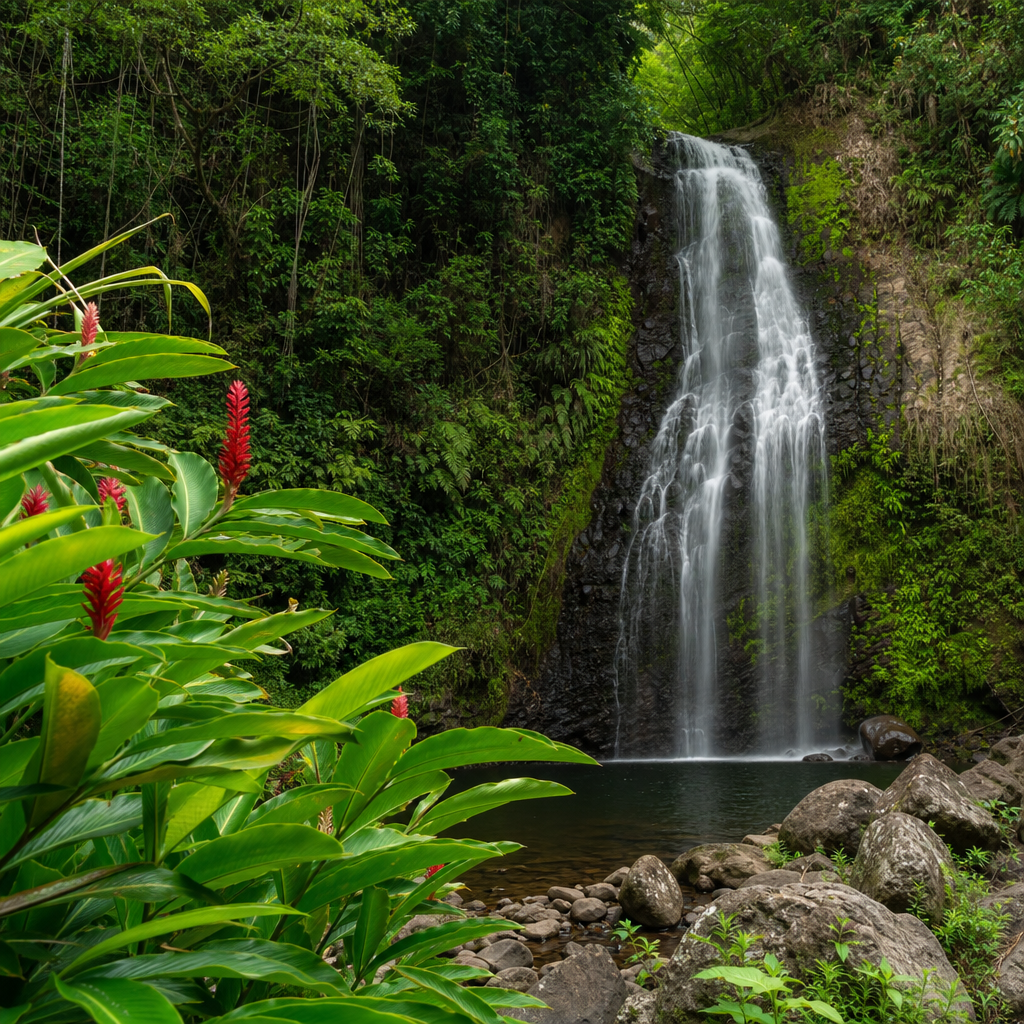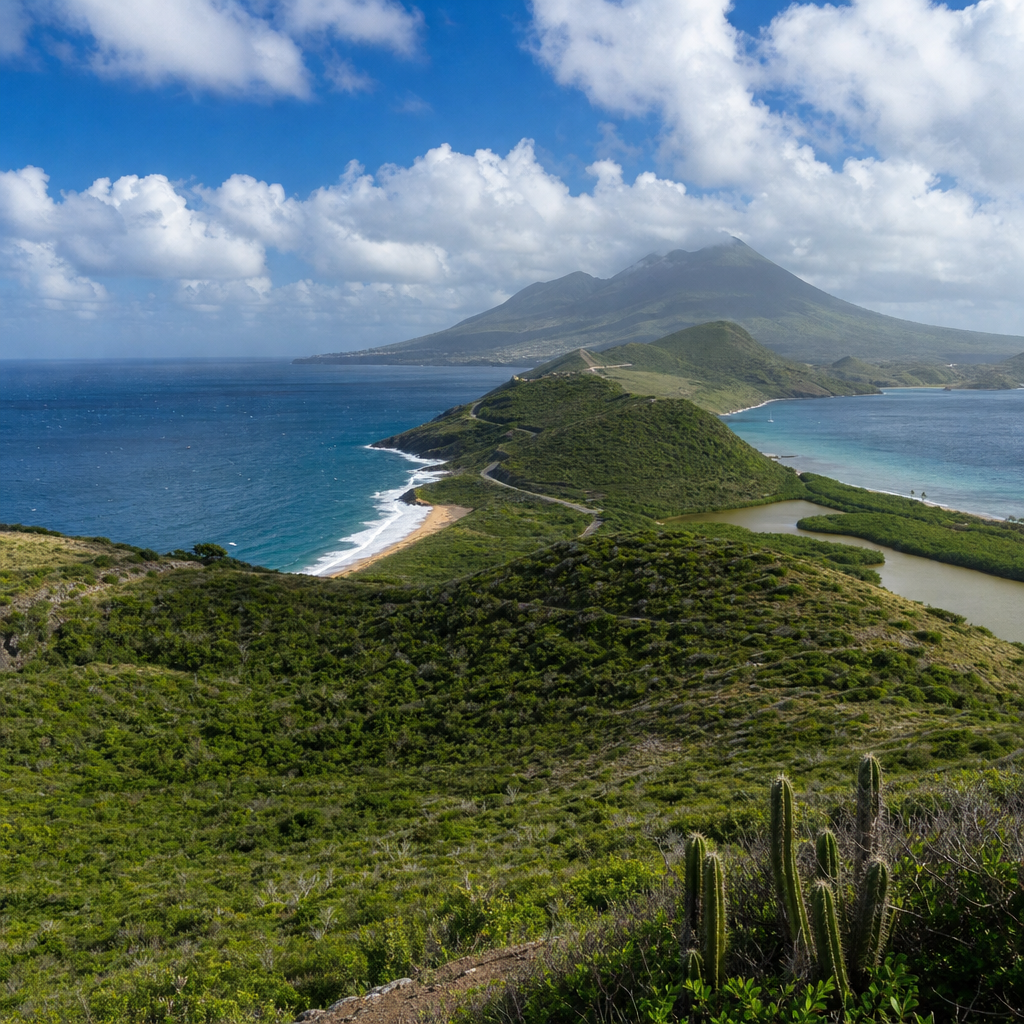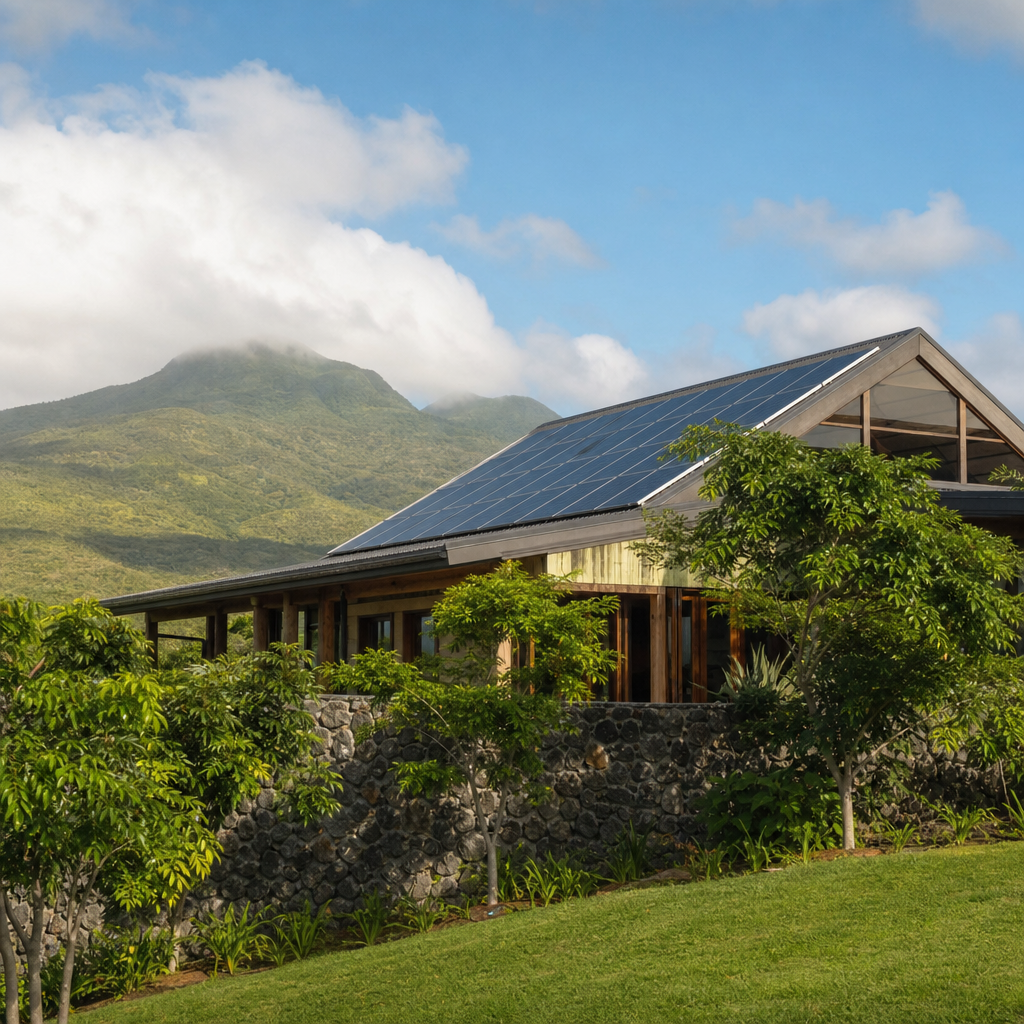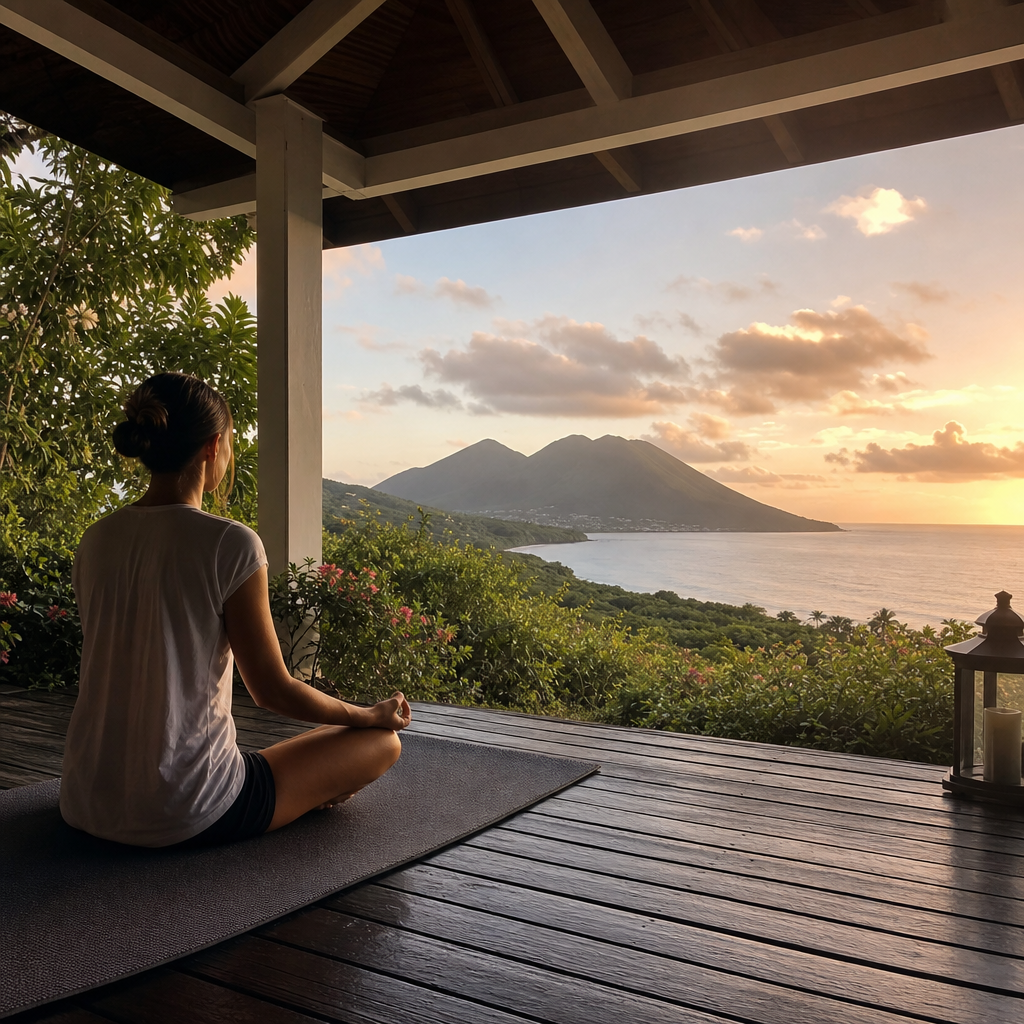
Healing retreats in Nevis offer a rare combination of quiet beaches, volcanic landscapes, therapeutic spa traditions, and deeply restorative pacing that helps travelers restore balance in ways busy resort destinations often cannot. In wellness travel, a healing retreat is more than a vacation with massages; it is a structured experience designed to reduce stress, improve sleep, support movement, encourage reflection, and create conditions for emotional and physical recovery. Nevis, the smaller sister island to St. Kitts in the Eastern Caribbean, has become especially appealing for this purpose because it blends natural beauty with privacy, walkable village culture, and a slower daily rhythm. I have worked on wellness-focused Caribbean itineraries and seen that travelers returning from Nevis consistently describe the same result: they feel calmer, sleep better, and carry healthier habits home. That matters because modern stress is cumulative. Long work hours, constant notifications, poor posture, shallow breathing, and limited time outdoors all push the nervous system toward chronic strain. A well-designed healing retreat interrupts that pattern. It replaces urgency with routine, noise with birdsong and ocean wind, and fragmented attention with mindful experiences grounded in place.
What makes healing retreats in Nevis especially effective is the island’s scale and setting. Nevis Peak rises dramatically from the center of the island, creating lush foothills, cooler elevations, and scenic trails. Coastal areas provide warm water, mineral-rich sea air, and sunrise or sunset spaces ideal for meditation, gentle yoga, and beach walking. Historic inns, boutique resorts, and independent wellness providers support everything from spa therapy and nutrition-focused menus to private movement sessions and spiritual practices. For readers exploring the broader Health and Wellness category, this hub article covers the miscellaneous side of the topic: the mix of experiences, planning factors, benefits, limitations, and practical choices that shape a healing retreat in Nevis. Whether you are seeking stress relief, post-burnout recovery, reconnection after a major life change, or simply a healthier kind of Caribbean escape, understanding how these retreats work will help you choose wisely and use your time well.
Why Nevis Works for Healing and Recovery
Nevis supports healing because the environment removes friction from the wellness process. The island is compact, uncrowded, and less commercialized than many Caribbean destinations, so transitions between activities are easy. You can begin with sunrise breathing on Pinney’s Beach, spend the morning in a restorative massage or hydrotherapy session, take a quiet lunch built around grilled fish, local greens, and tropical fruit, and still have time for a low-intensity hike, journaling, or an early evening sound bath. That simplicity matters. In wellness programming, consistency drives benefits more than intensity. People reset when they can repeat calming behaviors without long transfers, packed schedules, or sensory overload.
Climate and terrain also contribute. Warm weather encourages outdoor movement year-round, which helps guests maintain gentle exercise even when motivation is low. Natural settings improve adherence to wellness routines because they feel rewarding rather than clinical. Research on nature exposure has repeatedly linked green space and blue space to reduced stress markers, improved mood, and better cognitive recovery. On Nevis, that translates into practical experiences: walking the coastal path instead of using a treadmill, stretching on a shaded deck instead of in a mirrored studio, and eating meals with open-air ventilation rather than under fluorescent lighting. These are small design choices, but together they lower mental resistance and make rest feel natural rather than forced.
Core Experiences You Can Expect at Healing Retreats in Nevis
Most healing retreats in Nevis combine several pillars rather than relying on a single treatment. Bodywork remains central, with Swedish massage, deep tissue work, lymphatic drainage, hot stone therapy, aromatherapy, and couples treatments frequently available. The better programs start with a short intake so therapists can adapt pressure, target areas of muscular holding, and identify contraindications such as recent injury, pregnancy, or circulatory issues. That level of personalization separates true wellness programming from a generic spa menu.
Movement is typically low to moderate intensity. Expect yoga, Pilates, guided stretching, mobility sessions, beach walks, and occasionally strength or aquatic exercise. The goal is not peak athletic performance. It is nervous system regulation, joint mobility, posture improvement, and confidence in sustainable movement. Meditation, breathwork, and mindfulness are often paired with these sessions because the best results come when physical relaxation and mental decompression happen together. Nutrition is another major component. Resorts and retreat providers increasingly offer anti-inflammatory meals, alcohol-light menus, fresh juices, herbal teas, and plant-forward dishes that still reflect Caribbean flavor through ingredients such as breadfruit, mango, callaloo, ginger, tamarind, and fresh seafood.
| Retreat Element | Typical Nevis Experience | Main Benefit |
|---|---|---|
| Spa therapy | Massage, scrubs, facials, hydrotherapy, aromatherapy | Muscle relief, better circulation, lower perceived stress |
| Mindful movement | Yoga, stretching, beach walking, Pilates | Mobility, posture support, nervous system calming |
| Nutrition | Fresh seafood, tropical fruit, vegetable-forward meals, herbal drinks | Stable energy, hydration, digestive support |
| Nature immersion | Beach sunrise sessions, garden meditation, hiking in foothills | Mood improvement, mental clarity, reduced overstimulation |
| Reflection practices | Journaling, guided intention setting, digital detox hours | Emotional processing, focus, habit reset |
Types of Retreat Travelers and the Right Fit
Not every guest needs the same kind of retreat. Stress-management travelers usually benefit from programs with a strong emphasis on sleep, massage, quiet surroundings, and limited daily scheduling. Burnout recovery travelers often need even more structure around rest: lighter movement, fewer social obligations, and practical coaching on boundaries, screen habits, and recovery pacing. Couples generally look for a blend of shared experiences and individual downtime. In Nevis, that can mean a private villa stay with in-room treatments plus separate yoga or fitness sessions based on each person’s needs.
Solo travelers are particularly well served by Nevis because the island feels manageable and safe while still offering privacy. They can choose boutique hotels with spa access, day passes at larger resorts, or custom itineraries built around private practitioners. Multi-generational groups often overlook healing retreats, but Nevis works well for them too because wellness can be layered. One person can book a facial, another can hike, a third can join a beach meditation, and everyone can regroup for a healthy dinner. This flexibility is important for a miscellaneous hub page because many readers are not looking for a rigid retreat package. They are assembling their own version of restoration from accommodations, therapists, excursions, and dining options.
How to Evaluate Retreat Quality Before You Book
The most important question is whether the retreat has a coherent wellness philosophy or simply uses wellness language in its marketing. Look for evidence of program design: consultation forms, therapist credentials, treatment descriptions with clear outcomes, class schedules matched to recovery goals, and menus that support the stated focus. If a property promotes detox, for example, it should explain what that means in practical terms. In professional wellness planning, vague promises are a warning sign. Real programs describe methods, duration, contraindications, and realistic expectations.
Ask specific questions before booking. Are sessions private or group based? Is there an onsite spa or are therapists brought in? Are yoga classes suitable for beginners or advanced guests? Can dietary restrictions be handled consistently? How much downtime is built into the schedule? If you are traveling with pain, fatigue, or high stress, overprogramming can undermine the entire stay. I advise clients to review not just the headline activities but the cadence of the day. The best healing retreats in Nevis protect transition time between treatments, meals, and movement. They also consider practical issues such as shade, hydration, and transport between rooms, beaches, and therapy spaces.
Local Assets That Set Nevis Apart
Nevis has several distinctive advantages within Caribbean wellness travel. First is heritage hospitality. Long-established inns and plantation-style properties on the island often emphasize gardens, verandas, thermal calm, and personal service rather than nonstop entertainment. That atmosphere supports recovery better than high-volume resort programming. Second is the island’s geothermal identity. While Nevis is not a medical spa destination in the European sense, its volcanic character shapes the landscape, the fertile growing conditions, and the sensory identity of the island. Guests often respond strongly to this sense of grounding and elemental contrast between mountain, forest, and sea.
Third is access to both luxury and independent practitioners. Travelers can book full-service experiences at established resorts known internationally for wellness amenities, or create a more customized stay using local yoga teachers, massage therapists, nutrition-minded restaurants, and nature guides. The result is a wide range of price points without sacrificing quality. Fourth is the cultural pace. Charlestown and nearby communities feel lived-in, not staged. That authenticity matters in healing travel because people relax more deeply when they are participating in a real place instead of a sealed vacation bubble. Visiting the local market, speaking with guides, or learning about herbal traditions can deepen the retreat experience and make it more memorable.
Planning a Balanced Itinerary: What a Good Week Looks Like
A successful healing retreat in Nevis usually balances activity, nourishment, and unstructured time. Day one should be devoted to arrival, hydration, a light walk, and an early night rather than ambitious scheduling. Days two through five can carry the core program: one bodywork session every day or two, daily gentle movement, one longer nature experience, and meals planned around steady energy instead of indulgence. A sample day might include sunrise breathwork, breakfast with fruit and protein, a midmorning massage, a quiet lunch, an afternoon rest period, a short coastal walk, and a low-stimulation dinner. This kind of sequence is effective because it alternates input and recovery.
By day six, many guests feel tempted to add more excursions because they finally feel better. That is often the wrong move. Recovery gains last longer when the final days focus on integration. Use that time for journaling, a second consultation with a practitioner, or a personal plan for maintaining better sleep, movement, and stress boundaries once you return home. On day seven, build in enough space for departure so the transition is not frantic. Wellness travel only works when the benefits survive the airport. That is why the best itineraries end with a gentle morning routine, not a race to squeeze in one more treatment.
Limitations, Costs, and Practical Considerations
Healing retreats in Nevis are not a substitute for medical care, licensed mental health treatment, or structured rehabilitation, and reputable providers should say so plainly. Guests managing severe anxiety, major depression, uncontrolled pain, or post-surgical needs should speak with qualified clinicians before travel. Even for healthy travelers, results depend on fit. A silent retreat may help one person and frustrate another. A bootcamp-style wellness week can energize some guests and exhaust those already depleted. Matching the retreat style to your actual condition is more important than choosing the most expensive property.
Budget is another factor. Nevis tends to position itself in the premium Caribbean market, especially in high season. However, a restorative trip does not always require a branded package. Many travelers can build a strong wellness stay by choosing a smaller inn, booking a few targeted spa sessions, prioritizing healthy meals, and using the island itself for free therapeutic experiences such as swimming, walking, and quiet time outdoors. Also consider logistics: inter-island transfers, seasonal weather, mosquito management, travel insurance, and cancellation terms. If your goal is true restoration, protect the trip with practical planning. Reduced stress begins before departure, not after arrival.
Healing retreats in Nevis restore balance by combining nature, skilled wellness practices, slower living, and thoughtful planning into one cohesive experience. The island’s greatest strength is not a single spa treatment or trendy class. It is the way the environment supports repeatable habits that calm the body and clear the mind: better sleep, daily movement, nourishing food, less noise, and more time outdoors. For travelers exploring the miscellaneous side of health and wellness, Nevis works as a hub destination because it can accommodate many goals at once, from stress relief and couples reconnection to solo reflection and gentle physical reset.
The key takeaway is simple: the best healing retreat in Nevis is the one designed around your real needs, not an idealized version of wellness. Choose a setting with quiet, credible practitioners, enough unstructured time, and a schedule that leaves you feeling restored rather than busy. Ask precise questions, plan conservatively, and let the island’s pace do part of the work. If you are building your Health and Wellness travel plans, use Nevis as a starting point, then explore related articles on spas, mindful movement, nutrition, nature therapy, and recovery-focused itineraries to create a retreat that truly brings you back into balance.
Frequently Asked Questions
What makes healing retreats in Nevis different from a typical beach vacation or spa getaway?
Healing retreats in Nevis are designed around restoration, not just recreation. While a standard beach vacation may focus on sightseeing, dining, and relaxation in short bursts, a healing retreat usually follows a more intentional rhythm that supports nervous system recovery, better sleep, mindful movement, and emotional reset. In Nevis, that difference feels especially clear because the island’s pace naturally encourages people to slow down. Rather than the overstimulation common in larger resort destinations, visitors find quiet beaches, volcanic scenery, warm Caribbean air, and a calmer social atmosphere that makes it easier to disconnect from stress and reconnect with themselves.
Another important difference is structure. A true healing retreat often includes daily wellness practices such as yoga, meditation, massage therapy, breathwork, nature walks, hydrotherapy, journaling, and nourishing meals. These elements work together rather than standing alone as occasional indulgences. In Nevis, the environment strengthens that process. The island’s smaller scale, lower noise levels, and less hurried lifestyle help create conditions where healing practices feel natural instead of scheduled obligations. For many travelers, that combination of therapeutic programming and a deeply soothing setting is what transforms the experience from a pleasant holiday into a meaningful reset for mind and body.
Who should consider a healing retreat in Nevis?
Healing retreats in Nevis can benefit a wide range of travelers, especially those feeling overextended, mentally fatigued, emotionally depleted, or physically tense from the demands of daily life. They are often a strong fit for people navigating burnout, poor sleep, chronic stress, major life transitions, grief, creative exhaustion, or the simple realization that they have been operating in survival mode for too long. Because Nevis is not defined by nonstop activity, it appeals to travelers who want space to breathe, reflect, and recover without the pressure to constantly do more.
These retreats can also be valuable for people who already care about wellness but want a more immersive experience than they can create at home. That may include solo travelers seeking reflection, couples wanting to reconnect in a calm setting, professionals in need of a reset, or wellness-minded visitors looking to deepen practices like meditation, mobility, or mindful rest. Nevis is particularly appealing for those who prefer quieter luxury, gentle routines, and natural beauty over crowded nightlife and packed itineraries. It is worth noting, however, that the best retreat experience comes from matching the retreat style to your needs. Some programs lean more toward relaxation and spa therapy, while others emphasize movement, personal growth, or emotional restoration. Choosing the right one helps ensure the retreat supports your goals in a realistic and lasting way.
What types of healing experiences are commonly included in wellness retreats on Nevis?
Wellness retreats in Nevis often combine therapeutic treatments, guided movement, reflective practices, and nature-based experiences into one integrated program. Common offerings include massage therapy, body treatments, facials, yoga, stretching or mobility sessions, meditation, breathwork, sound healing, and quiet time built into the daily schedule. Many retreats also emphasize restorative meals made with fresh ingredients, hydration, sleep support, and low-stimulation environments that help guests recover from mental overload. The goal is not simply to fill time with wellness activities, but to create a sequence of experiences that gently shifts the body out of stress and into a more balanced state.
What makes Nevis especially well suited to these experiences is the island itself. The landscape allows retreats to incorporate beach walks, garden settings, volcanic views, and time outdoors as part of the healing process. Some programs may include mindfulness in nature, journaling sessions in peaceful open-air spaces, or movement classes timed for sunrise or sunset. Depending on the retreat, there may also be educational components focused on stress reduction, self-care habits, posture, sleep improvement, or sustainable routines to continue after returning home. This blend of spa tradition, natural calm, and intentional pacing is what gives healing retreats in Nevis their restorative depth.
How long should you stay at a healing retreat in Nevis to feel real benefits?
Many travelers begin to feel a shift after just a few days, especially if they arrive carrying high stress and finally have permission to rest. Better sleep, reduced mental noise, calmer breathing, and less muscular tension can happen relatively quickly when the environment supports recovery. That said, the most meaningful benefits usually build over time. A stay of four to seven days often gives guests enough space to settle in, release some of the urgency they brought with them, and engage more deeply with the retreat’s practices. In a place like Nevis, where the island’s rhythm itself supports slowing down, even a shorter retreat can feel surprisingly effective.
For deeper restoration, longer stays can be especially valuable. A week or more allows the body and mind to move past the first stage of decompression and into more sustained healing. This is often when guests notice improved mood, clearer thinking, more consistent sleep, renewed energy, and a stronger ability to reflect on habits they want to change. The ideal length depends on your goals, your stress level before arrival, and whether you want a gentle reset or a more immersive wellness experience. In general, if your life has felt intensely busy or depleted, giving yourself enough time to fully slow down is one of the best investments you can make in the retreat’s impact.
How can you choose the right healing retreat in Nevis and prepare for the experience?
Choosing the right healing retreat in Nevis starts with being honest about what kind of restoration you actually need. Some travelers need deep rest and minimal scheduling, while others respond better to structured days with movement, therapeutic sessions, and guided reflection. Look closely at the retreat’s philosophy, daily routine, practitioner credentials, treatment offerings, group size, accommodations, and overall atmosphere. A retreat centered on spa relaxation will feel different from one focused on holistic wellness coaching or emotional healing. Reading the itinerary carefully can help you understand whether the experience is gentle and spacious or more actively programmed. It is also wise to review what is included, such as meals, transfers, treatments, or one-on-one sessions, so expectations are clear before you book.
Preparation matters too. The best retreat experiences usually begin before arrival. Try to reduce your workload, avoid overpacking your schedule right before departure, and think about what you want to gain from the time away. Simple intentions such as sleeping better, reducing stress, reconnecting with your body, or creating healthier routines can help guide your experience without turning it into another performance goal. Pack comfortable clothing, sun protection, a journal if reflection appeals to you, and any personal wellness essentials you rely on. Most importantly, arrive willing to slow down. Nevis supports healing not through excess stimulation, but through quiet, beauty, and space. When travelers allow themselves to meet the island at that pace, the retreat becomes far more than a temporary escape; it becomes a meaningful step toward restoring balance in everyday life.