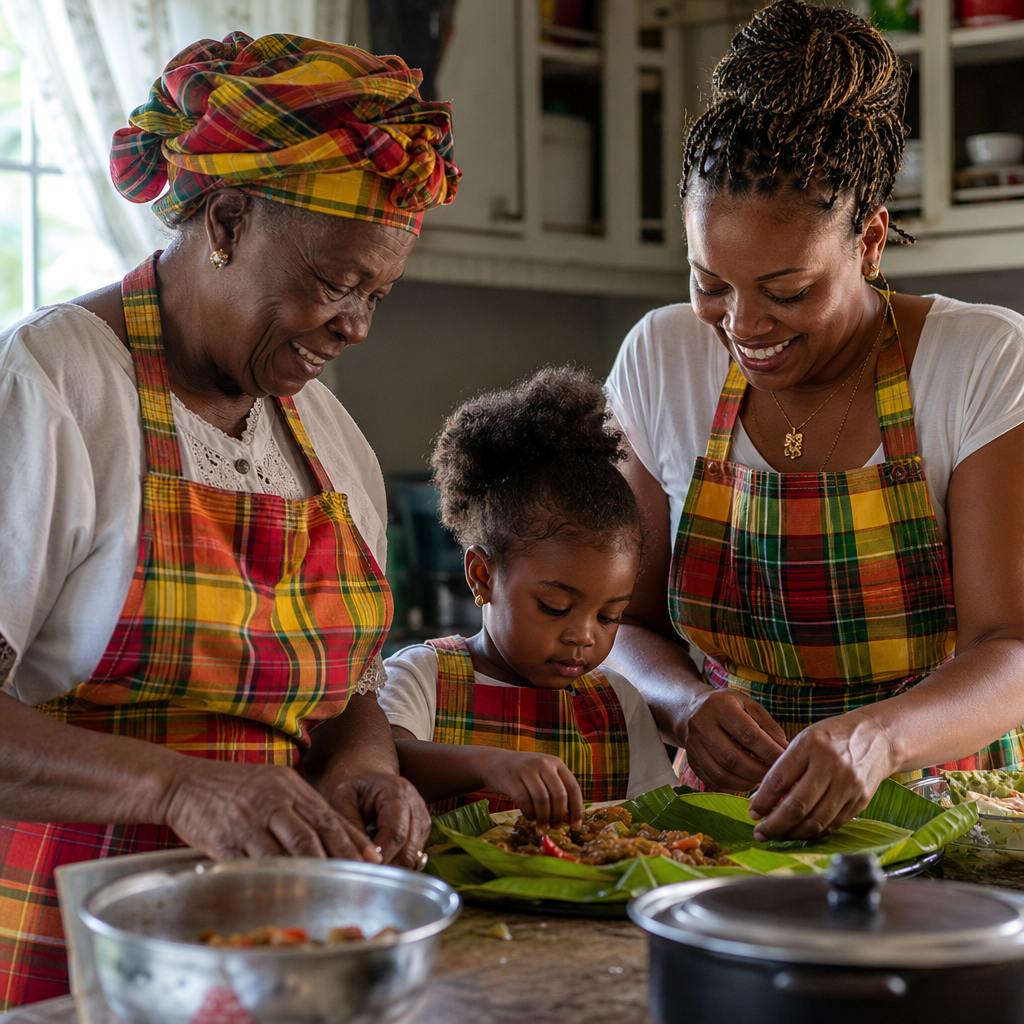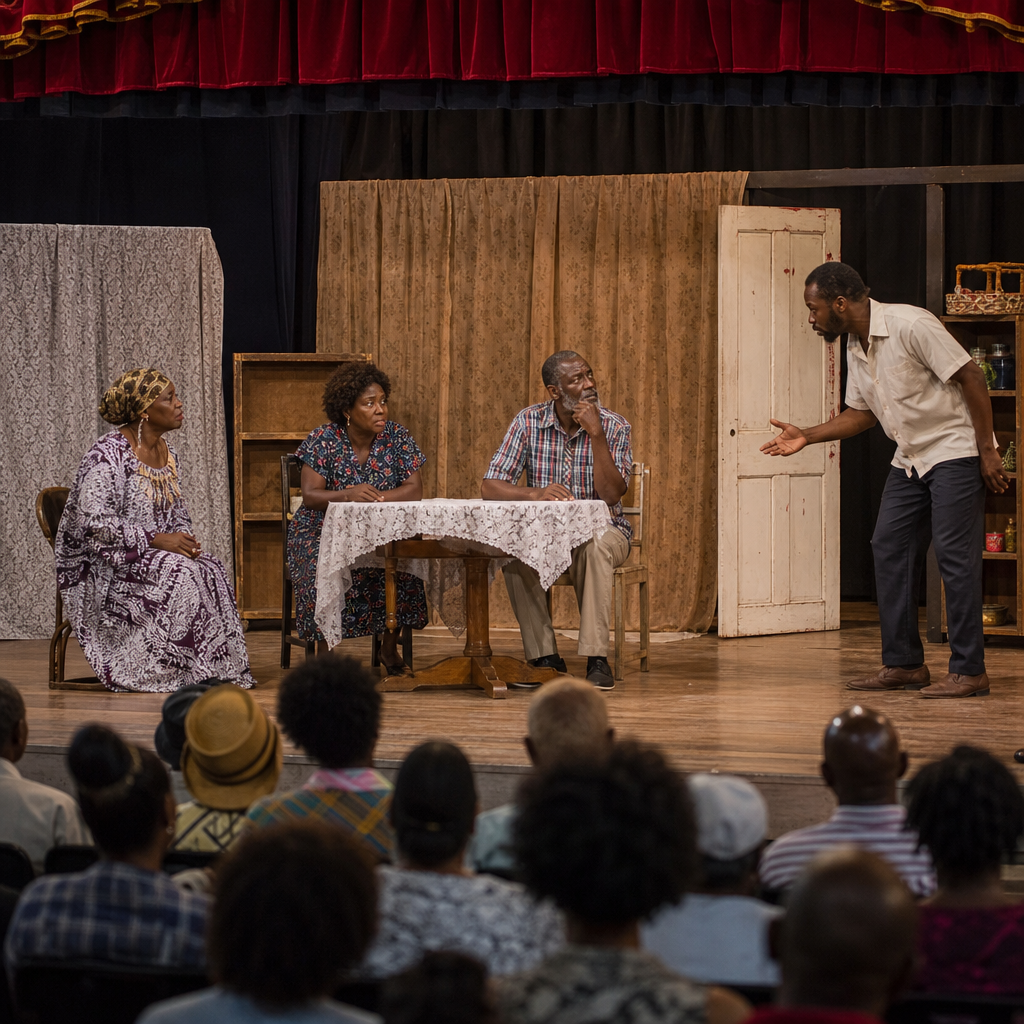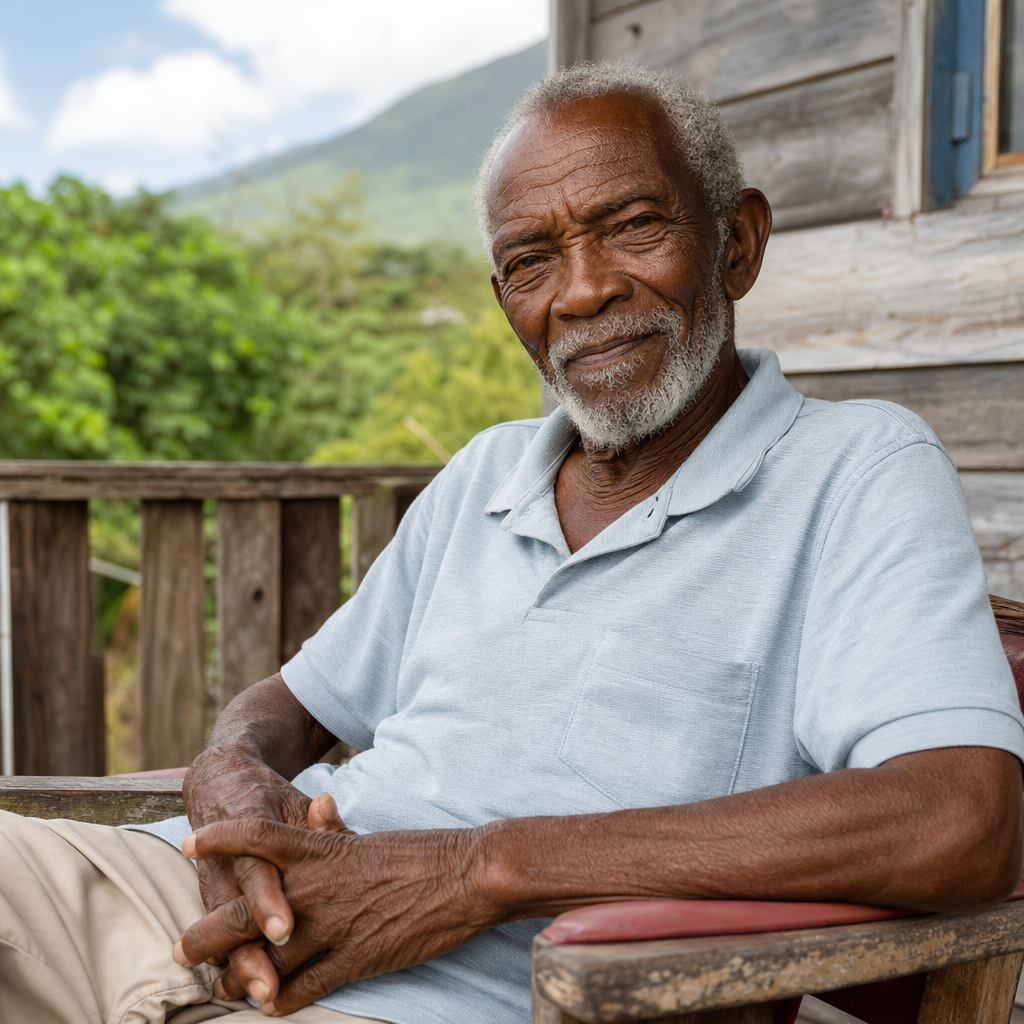
Nevis’ elderly wisdom lives in conversations on gallery porches, under tamarind trees, beside fishing boats, and after Sunday service, where stories carry memory, discipline, humor, and survival from one generation to the next. In Nevis, “elderly wisdom” means more than advice from older people. It includes oral history, practical knowledge, moral teaching, family traditions, community etiquette, farming sense, seafaring judgment, faith, and the quiet habits that helped a small Caribbean island endure slavery, emancipation, hurricanes, migration, tourism, and economic change. I have spent enough time listening to older Nevisians to know their lessons are rarely delivered as lectures. They come wrapped in a story about a market day, a hard season in the cane fields, a storm that changed a village, or a parent who demanded standards even when money was short. That is why this topic matters within Local Life and Experiences. Visitors often see beaches and heritage sites, but the deeper identity of Nevis is preserved in the voices of elders who explain how people lived, worked, respected each other, and adapted without losing dignity. For anyone trying to understand Nevis beyond scenery, the wisdom of its seniors is the clearest guide. These stories also form a hub for broader miscellaneous local experiences because they touch food, faith, education, music, family, village life, and resilience all at once.
Why elders matter in Nevisian culture
In Nevis, elders are still treated as keepers of social memory, even as daily life becomes more digital and globally influenced. Their value is practical. Older residents remember village boundaries before major road improvements, family links before records were easily searchable, and community expectations before formal policy replaced custom. Ask an elder about a place name, and you may get a layered answer: who first settled there, which family kept livestock nearby, why a well mattered, or how a road once flooded. That kind of context does not always appear in official archives. It survives because someone remembered and kept telling it.
The respect shown to elders in Nevis is also tied to manners. Greeting people properly, acknowledging seniority, and listening before speaking are not empty rituals. They are social tools that hold communities together. In villages such as Gingerland, Cotton Ground, and Newcastle, older people often act as informal referees of memory. They can confirm whether a family practice is recent or longstanding, whether a story is embellished, or whether a younger person’s interpretation misses the island’s older realities. This role matters in a place where oral history remains central to identity.
Many elders also bridge eras. They may have grown up in homes without modern appliances, watched the rise of formal tourism, seen education expand, and observed migration reshape households. Because they have lived through those transitions, their guidance is usually balanced. They are not simply nostalgic. The best elders in conversation distinguish between what should be preserved and what should be improved. They may defend discipline and neighborliness while welcoming better schools, healthcare, roads, and opportunities for young people.
Stories as living archives of island history
One of the clearest lessons from Nevisian elders is that history becomes meaningful when attached to human experience. Official dates matter, but older residents often explain the island through remembered labor, weather, and relationships. A story about walking long distances to school says something about infrastructure, parental expectations, and educational sacrifice. A memory of cane work reveals class, endurance, and the economic structure that shaped families for generations. A tale about surviving a hurricane says as much about community cooperation as it does about wind speed.
These living archives are especially important in Nevis because the island’s story is both local and global. Nevis was shaped by colonial plantation economics, African heritage, Christian institutions, migration to the United Kingdom and United States, and modern tourism development. Elders often connect those forces in plain language. They describe who left, who stayed, what remittances built, which customs changed, and how villages adjusted when employment patterns shifted. That kind of narrative helps younger people understand that local life was never isolated; it was always responding to wider economic and political movements.
When preserved carefully, elder stories also correct stereotypes. Caribbean islands are too often presented as timeless leisure spaces. Older Nevisians remind listeners that beauty existed alongside difficult labor, strict upbringing, uneven opportunity, and community accountability. Their stories make the island more real, not less appealing. They explain why certain values developed: thrift because scarcity was normal, mutual aid because formal systems were limited, and respect because social cohesion had direct consequences in small communities.
Core life lessons repeated across generations
After many conversations with older Nevisians, certain themes come up again and again. The details differ, but the principles remain consistent.
| Life lesson | How elders express it | What it means in practice |
|---|---|---|
| Respect | “Greet people properly and know how to speak to others.” | Social trust starts with everyday manners and public self-control. |
| Work ethic | “Do your work before pleasure.” | Reliability matters more than appearances or talk. |
| Resourcefulness | “Use what you have and waste nothing.” | Repair, save, and improvise before replacing. |
| Faith and humility | “Leave room for God and don’t boast.” | Success is fragile; character matters more than display. |
| Community duty | “Your behavior reflects your family.” | Individual choices affect household reputation and village harmony. |
| Education | “Learn all you can because nobody can steal that.” | Schooling is a path to mobility, confidence, and service. |
These lessons are memorable because they are grounded in lived consequences. An elder who tells a young person to save money is often speaking from years when imports were expensive, wages were modest, and emergencies had no easy cushion. Advice about respect usually comes from knowing how quickly conflict can spread in a small society. Guidance about education reflects firsthand awareness that schooling opened doors unavailable to earlier generations. In that sense, Nevis’ elderly wisdom is not sentimental. It is evidence-based, tested through decades of island life.
Family, upbringing, and the discipline of small communities
Many Nevisian elders speak about upbringing with a combination of pride and realism. They remember stricter homes, clearer boundaries, and a wider circle of adults who felt authorized to correct children. That did not mean every old practice was ideal, but it did create a dense web of accountability. Parents, grandparents, teachers, church leaders, and neighbors often worked from the same script: children should be respectful, punctual, useful at home, and serious about school. If a child misbehaved on the road, news often reached home before the child did.
This style of upbringing shaped several lasting traits. First, children learned that freedom came with responsibility. Chores were not symbolic. Carrying water, helping in the yard, minding younger siblings, or assisting with cooking taught competence early. Second, children understood hierarchy. You did not interrupt adults casually, and you did not treat public space as private territory. Third, there was pride in presentation. Clean clothes, polished shoes, and proper behavior at church or school signaled self-respect, not vanity.
Elders are usually honest about the tradeoffs. Some admit that older generations could be too harsh or emotionally reserved. Yet many still argue that discipline gave people resilience. In modern terms, they are describing delayed gratification, emotional regulation, and social awareness. Those skills remain valuable whether someone becomes a teacher, hotel manager, entrepreneur, nurse, or mechanic.
Work, thrift, and practical intelligence
Another major thread in Nevis’ elderly wisdom is the dignity of work. Older residents often separate real effort from performance. They admire people who show up, finish tasks, and take care of tools. Whether the work involved fishing, farming, domestic labor, carpentry, teaching, or civil service, the standard was competence. Talking big without delivering was, and still is, one of the quickest ways to lose credibility.
Thrift is closely connected to that ethic. Elders from Nevis often grew up in households where waste was morally offensive because every item carried cost and effort. Food was planned carefully. Clothes were mended. Building materials were reused. Gardens supplied produce not as a lifestyle trend but as practical support. This thrift should not be mistaken for simple frugality. It was a system of household risk management. Saving string, storing water, preserving fruit, or fixing a gate before it collapsed reduced future hardship.
There is also a kind of practical intelligence that older Nevisians prize deeply. It includes reading weather by clouds and sea conditions, knowing when soil is ready, understanding how to stretch ingredients, recognizing which family member to call in a crisis, and solving problems without waiting for ideal conditions. In business language, this is operational resilience. On Nevis, it often comes through as common sense sharpened by necessity.
Faith, morality, and emotional steadiness
Church life has long influenced Nevisian social values, and many elders frame their lessons through faith. Even those who speak casually rather than formally religiously often refer to gratitude, humility, patience, forgiveness, and the limits of human control. This matters because island life has always involved uncertainty, from storms and illness to economic shifts and migration-related separation. Faith offered meaning, routine, and a vocabulary for endurance.
Elders commonly link morality to reputation. In a small community, your conduct is visible. If you are generous in hard times, people remember. If you are dishonest, careless, or arrogant, that memory also lasts. This does not mean Nevis is free from conflict or contradiction. It means older people tend to measure character over time, not by one polished moment. They value steadiness: someone who pays debts, keeps promises, attends funerals, checks on neighbors, and remains grounded when circumstances improve.
This perspective can be especially useful for younger generations navigating social media pressures. Many elder lessons quietly reject constant display. They favor substance over performance and relationships over image. That restraint is not old-fashioned weakness. It is emotional discipline built for long-term trust.
How visitors and younger residents can learn from elders
The best way to learn from Nevis’ elders is simple: listen well, ask specific questions, and respect the pace of conversation. Broad prompts like “Tell me about the old days” often produce general answers. Better questions invite detail: What was school like in your village? How did families prepare for storms? What foods were common when money was tight? How did tourism change work opportunities? Specific questions signal genuine interest and usually unlock richer stories.
Context also matters. Elders are often most expressive in familiar environments: on a veranda, after church, at a family gathering, during community events, or while looking at a place connected to the memory. If you are a visitor, avoid treating people as attractions. Ask permission, do not record casually, and be prepared to hear complexity rather than a polished anecdote. Good listening means accepting that memory includes humor, pain, pride, and disagreement.
For younger Nevisians, documenting family knowledge is now urgent. Record names, nicknames, migrations, recipes, land stories, church involvement, and work histories while the storytellers are here. A phone recording, a notebook, or a family archive can preserve details that disappear quickly once an elder passes. Schools, heritage groups, and community organizations can strengthen this work by pairing oral history with local landmarks, archives, and intergenerational events.
Why these stories anchor the wider Local Life and Experiences hub
As a hub topic under Local Life and Experiences, Miscellaneous needs a unifying thread, and elderly wisdom provides it. Through elder stories, readers can reach almost every dimension of Nevisian life: food traditions, village etiquette, religious practice, education, music, migration, craft, labor, and seasonal rhythms. A single story about preparing for Christmas may include sorrel, family travel, church, music, and social obligations. A memory about walking to Charlestown may reveal road conditions, commerce, school life, and kinship networks. That breadth makes elder storytelling the natural center of a miscellaneous local guide.
It also gives this hub practical value. Readers looking for authentic Nevis experiences often ask what makes the island feel distinct. The answer is not only scenery or architecture. It is the worldview carried by older residents: modest but sharp, disciplined but warm, realistic yet generous. Their stories teach how Nevis thinks about effort, belonging, pride, and adaptation. That is the main benefit of exploring Nevis’ elderly wisdom. You do not just learn facts about the island; you learn the logic behind local life. If you want to understand Nevis more deeply, start by listening to its elders, preserving their stories, and letting their lessons guide the way you experience the island.
Frequently Asked Questions
What does “elderly wisdom” mean in Nevis?
In Nevis, “elderly wisdom” goes far beyond simple advice from older relatives or respected neighbors. It refers to a living body of knowledge built through experience, observation, faith, hard work, and community memory. Elderly wisdom can be heard in stories told on gallery porches in the evening, under tamarind trees during family gatherings, beside fishing boats after a long day at sea, or in conversations after Sunday service. These moments are not casual in the deeper sense; they are how lessons are passed down. Through them, elders teach younger generations how to carry themselves, how to treat people, how to endure difficulty, and how to recognize what truly matters.
This wisdom includes oral history, practical survival skills, moral guidance, family customs, and community etiquette. An elder may explain why certain roads, villages, or family names matter, preserving a history that may never have been written in a book. Another may teach how to judge weather by the sky, how to plant according to season and soil, or how to read the sea with caution and respect. Others pass on faith-centered instruction, reminding younger people to stay grounded, humble, and disciplined. In this way, elderly wisdom in Nevis is both personal and collective. It shapes identity while also protecting the values and habits that helped a small Caribbean island community remain resilient across generations.
Why are storytelling and conversation so important to preserving Nevisian life lessons?
Storytelling is one of the most important ways Nevis preserves its values, memory, and practical knowledge. In many communities, the spoken word has long carried what formal documents cannot fully capture: tone, humor, warning, character, and lived truth. A story shared by an elder often includes more than a lesson on the surface. It may contain family history, a reminder about respect, insight about hardship, or an example of how people survived with limited resources. Because these stories are tied to real people and real events, they feel immediate and memorable. Younger listeners are more likely to remember a lesson when it comes wrapped in a vivid account of village life, a fishing mishap, a farm season, a church moment, or a hard-earned personal mistake.
Conversation also matters because it keeps wisdom active rather than frozen. Nevisian life lessons are often passed in ordinary settings, not formal lectures. A child may learn discipline while shelling peas with a grandparent, or hear a lesson about honesty while sitting quietly during an evening lime on the porch. These exchanges allow younger people to ask questions, hear proverbs in context, and understand how values are applied in real life. Storytelling creates continuity between generations, helping children and grandchildren understand not only what their elders believe, but why they believe it. In that sense, conversation becomes a cultural archive, one that preserves memory, identity, and community standards in a way that feels natural, relational, and deeply rooted in Nevisian daily life.
What kinds of life lessons do Nevis elders typically pass down?
Nevis elders often pass down lessons centered on respect, discipline, self-control, resilience, faith, and responsibility to family and community. Respect is one of the strongest themes. Younger people are taught how to greet others properly, how to speak with courtesy, how to honor elders, and how to behave in shared spaces. These expectations are not simply about manners; they reflect the belief that community life depends on mutual regard. Discipline is another common lesson, often expressed through reminders about punctuality, hard work, consistency, and doing what must be done whether or not it is convenient. Elders who lived through leaner times often stress that survival depended on order, effort, and the ability to make wise use of limited resources.
Beyond moral instruction, elders also share practical and emotional lessons. They teach younger generations not to be wasteful, not to become arrogant, and not to underestimate the value of patience. From farming and gardening to cooking, repairing, fishing, housekeeping, and budgeting, many lessons are tied to everyday competence. There are also warnings about pride, gossip, poor judgment, and rushing into decisions without reflection. Faith frequently appears in these teachings as a source of stability, especially during hardship, grief, uncertainty, or disappointment. Humor is often part of the teaching style as well; a teasing remark or memorable saying may carry a serious truth. Taken together, these lessons help shape people who are not only skilled, but grounded, considerate, and prepared to face life with maturity.
How does Nevis’ elderly wisdom reflect the island’s history and way of life?
Nevis’ elderly wisdom reflects the island’s history because it grew out of real conditions that required endurance, adaptation, and strong community ties. On a small Caribbean island, knowledge was often preserved through families, churches, neighborhood relationships, and work itself. Elders remember ways of living that were shaped by agriculture, fishing, close-knit villages, and a culture in which people depended on one another. Their lessons often reveal what daily life demanded: knowing when to plant, how to stretch food and supplies, how to interpret weather patterns, how to raise children with limited means, and how to maintain dignity and order through changing times. In many cases, these teachings carry echoes of struggle as well as survival, including the importance of perseverance, self-respect, and collective support.
The wisdom also reflects Nevis’ social rhythms and shared spaces. Porches, churches, roadside conversations, kitchens, markets, and seaside work areas all become places of instruction. Elders speak from experience shaped by the island’s landscape, its economy, its religious traditions, and its family structures. Their guidance reflects a worldview in which practical knowledge and moral conduct are deeply connected. For example, a lesson about fishing may also be a lesson about patience and caution; a lesson about tending land may also teach stewardship and humility. This blend of the practical and the ethical is one of the defining features of Nevisian wisdom. It shows how island life has always required people not just to know things, but to carry themselves wisely while living in close relationship with nature and community.
How can younger generations keep Nevis’ elderly wisdom alive?
Younger generations can keep Nevis’ elderly wisdom alive by treating elders as active bearers of knowledge rather than as symbols of the past. One of the simplest and most powerful steps is to listen intentionally. That means making time for conversations, asking thoughtful questions, and paying attention to the lessons inside stories that may first sound casual or repetitive. Recording interviews, writing down family stories, preserving sayings, and documenting practical skills are also valuable ways to protect knowledge that might otherwise disappear. Even more important, however, is applying what is learned. Wisdom survives best when it is practiced in daily life: showing respect, caring for family, maintaining community standards, valuing hard work, and keeping alive traditions of faith, hospitality, and mutual support.
It is also important for younger people to create spaces where intergenerational exchange can continue naturally. Family gatherings, church events, school projects, community heritage programs, and cultural storytelling sessions all help bridge the gap between memory and modern life. Younger Nevisians can honor elders by inviting them to speak, teach, demonstrate, and explain the meaning behind local customs and habits. Digital tools can help as well, but technology should support the human relationship rather than replace it. A video recording of an elder explaining fishing judgment, village history, or family discipline can be meaningful, but the deeper value comes from engagement and respect. Keeping Nevis’ elderly wisdom alive means preserving not only the words, but also the values, settings, and spirit in which those words were originally shared.