Rum making in Saint Kitts is more than an agricultural process or a commercial trade; it is a living expression of the island’s history, climate, labor traditions, and social life. To understand the art of rum making in Saint Kitts, it helps to define the craft clearly. Rum is a distilled spirit made from sugarcane byproducts, usually molasses or fresh cane juice, then fermented, distilled, matured, and blended into styles that range from light and grassy to dark, oak-rich, and deeply spiced. In Saint Kitts, the story of rum is inseparable from the rise of sugar plantations, the movement of people across the Caribbean, and the practical ingenuity that turned cane into one of the region’s most enduring cultural products.
What makes this topic matter today is not simple nostalgia. Rum remains one of the clearest ways to read the island’s local life and experiences because it connects farming, food, music, tourism, family celebrations, and heritage preservation. I have toured Caribbean distilleries, spoken with guides who grew up near former estates, and tasted enough pot and column still expressions to know that no serious conversation about Saint Kitts culture is complete without rum. Even where large-scale sugar production has declined, the techniques, flavors, and rituals built around cane still shape how visitors and residents understand the island. For a hub article in the broader miscellany of local life, rum is especially useful because it links many subjects at once: colonial history, craft production, festival traditions, culinary pairing, souvenir shopping, and responsible travel.
Saint Kitts also offers a compelling case study in how a small island can preserve identity through craft. The island’s volcanic soils, tropical heat, trade winds, and wet-dry seasonal rhythm influence sugarcane cultivation and spirit maturation. Warm aging conditions accelerate interaction between rum and wood, often producing bold flavor in fewer years than a cooler climate would require. At the same time, local producers and heritage interpreters must balance authenticity with modern expectations around quality control, labeling, and visitor experience. That tension is where the art lies. The aim is not merely to produce alcohol, but to carry forward a distinct island character that can be tasted, explained, and shared across generations.
How Saint Kitts Became a Rum Island
Saint Kitts became a rum island because sugarcane became the economic backbone of the colony from the seventeenth century onward. European planters expanded cane cultivation rapidly, and with sugar production came molasses, the thick residual syrup left after crystallized sugar was removed. Rather than waste that byproduct, producers fermented and distilled it into rum. Across the British Caribbean, this was common practice, but Saint Kitts developed its own local patterns through estate production, shipping routes, and domestic use. Rum was historically consumed on plantations, traded regionally, and tied to the rhythms of harvest and labor.
That history carries difficult truths. The sugar and rum economy depended heavily on enslaved African labor, and later on other forms of harsh plantation work after emancipation. Any honest account of Saint Kitts rum must acknowledge that its craftsmanship emerged within an unequal and often brutal colonial system. Yet it is equally true that Afro-Caribbean knowledge, resilience, and community practice helped shape how rum was made, consumed, and woven into island culture. The drink that once symbolized plantation output was gradually absorbed into everyday Kittitian identity, appearing at wakes, weddings, Christmas gatherings, and public celebrations.
Even after the formal sugar industry declined, cane heritage did not disappear. Former estates, old mills, and place names preserve the geography of rum’s rise. Travelers exploring the island’s historic landscape quickly see how deeply plantation infrastructure influenced roads, settlements, and trade patterns. This is why rum belongs in a hub article on local life: it is not one isolated attraction but a thread connecting many experiences, from heritage rail excursions through old cane country to roadside conversations about recipes for rum punch or black cake.
The Ingredients and Production Process That Shape Kittitian Rum
The art of rum making begins with raw material. In Saint Kitts and the wider English-speaking Caribbean, molasses has long been the dominant base. Molasses contributes deep notes of toffee, burnt sugar, dried fruit, and spice, though the exact profile depends on fermentation management and distillation style. Some Caribbean producers also work with fresh cane juice, which generally creates a more vegetal, grassy spirit, but molasses-based rum remains the style most visitors associate with Saint Kitts. Water quality matters as well. Distilleries typically treat water for consistency, but source mineral composition still affects fermentation performance and mouthfeel.
Fermentation is the first major creative decision. Yeast converts sugar into alcohol and aromatic compounds known as congeners, which define much of the spirit’s eventual character. A short, tightly controlled fermentation tends to yield cleaner, lighter wash suitable for delicate rum. A longer fermentation can create heavier esters and funkier fruit notes, especially when producers manage temperature, acidity, and nutrient levels carefully. In distillery visits across the Caribbean, I have seen how small changes in yeast strain or tank hygiene alter the outcome dramatically; rum is unforgiving if fermentation slips off target.
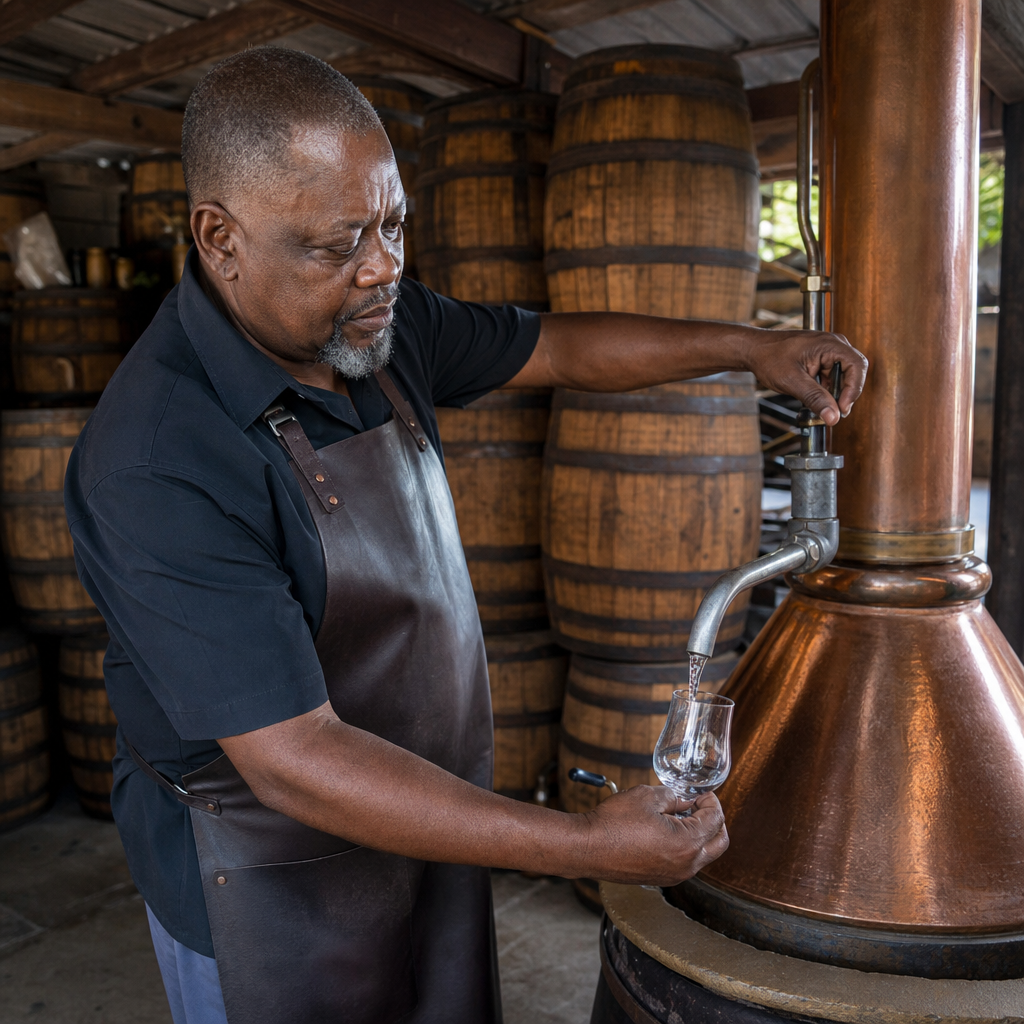
Distillation follows, usually in pot stills, column stills, or a combination of both. Pot stills produce heavier, more characterful rum with rich congeners and a fuller body. Column stills allow more efficient, higher-proof distillation and often create a lighter, cleaner profile. Many respected Caribbean rums blend pot and column distillates to achieve balance. After distillation, rum may rest in stainless steel, enter oak barrels for aging, or be blended into flavored and spiced expressions. Ex-bourbon casks are common because American white oak contributes vanilla, coconut, caramel, and toast. Char level, barrel size, warehouse temperature, and evaporation all matter. In the tropics, annual angel’s share can exceed rates common in Scotland or northern Europe, concentrating flavor while reducing volume.
| Production Stage | What Happens | Why It Matters for Flavor |
|---|---|---|
| Molasses selection | Sugar byproduct is chosen for sugar content, purity, and consistency | Sets the base for caramel, fruit, and spice notes |
| Fermentation | Yeast converts sugars into alcohol and aroma compounds | Creates fruity esters, richness, or a cleaner profile |
| Distillation | Alcohol is separated and refined in pot or column stills | Determines body, texture, and intensity |
| Aging | Rum rests in oak barrels in tropical conditions | Adds vanilla, smoke, wood spice, and softness |
| Blending | Different casks or still styles are combined | Shapes the final balance and house style |
Blending is where technical skill becomes art. A blender may combine older and younger barrels, heavier and lighter distillates, or casks with different oak influence to produce a consistent house style. This is not guesswork. Serious producers rely on sensory analysis, proofing calculations, and repeated bench trials. If a Kittitian rum tastes smooth, layered, and recognizable year after year, that consistency is usually the result of disciplined blending decisions rather than chance.
Distilleries, Estates, and the Visitor Experience
For travelers, rum in Saint Kitts is best understood through place. Estate landscapes reveal how cane once moved from field to mill, then into boiling houses, storage rooms, and shipping networks. Even where original production no longer operates at former scale, heritage properties and local tasting venues help interpret the process. Visitors often encounter rum through plantation tours, railway experiences that pass old sugar lands, hotel tastings, and curated excursions that combine food, history, and spirits. These experiences matter because rum becomes easier to appreciate when seen against the island’s geography rather than only in a bottle.
One of the most recognized names linked to Saint Kitts rum is Brinley Gold Shipwreck Rum, known for flavored expressions and export visibility. While flavored rum sits in a different category from traditional aged sipping rum, it plays an important role in introducing broader audiences to Caribbean spirit culture. Vanilla, coffee, mango, and spice profiles often appeal to casual drinkers and cruise visitors who want an accessible souvenir. More traditional enthusiasts, however, usually look for unflavored aged expressions, estate stories, and production detail before deciding what to buy. Both audiences exist, and smart local tourism makes room for each.
When evaluating a rum experience on the island, look for guides who explain source materials, still type, barrel policy, and aging climate. A good tasting should discuss whether sweetness comes from oak extraction, residual sugar, or added flavoring. It should also encourage proper nosing and sipping rather than rushing guests through a sugary sample line. In my experience, the best tours are not always the most polished; they are the ones where someone can point across the landscape and explain exactly how cane, labor, weather, shipping, and community came together.
Rum in Everyday Kittitian Culture
Rum in Saint Kitts belongs not only to distilleries and heritage sites but also to kitchens, bars, and celebrations. It appears in rum punch, a staple across the Caribbean, typically balanced around sour, sweet, strong, and weak elements. On Saint Kitts, recipes vary by household and bartender, but many include rum, citrus, sugar or syrup, water or juice, and bitters or spice. Christmas black cake often relies on rum-soaked fruit for depth and preservation. Homemade infusions, spiced bottles, and family punch formulas are common markers of hospitality.
Festivals also reinforce rum’s local role. During Carnival and other public events, rum is present as refreshment, social lubricant, and cultural symbol. That does not mean excess defines the tradition. In fact, seasoned hosts usually understand that good rum culture is about pacing, sharing, and context. The island’s best food pairings show this clearly. A dry aged rum can complement grilled lobster, jerk-seasoned meats, or molasses-forward desserts. A brighter mixing rum may suit a beachside punch with nutmeg and lime. These pairings are practical, not performative; they come from long familiarity with what works in the climate and at the table.
Rum also appears in the retail life of the island. Airport shops, hotel boutiques, supermarkets, and specialty stores all stock different tiers, from budget mixers to premium gift bottles. For visitors building a local-life itinerary, this makes rum a useful hub topic under miscellaneous experiences. It intersects with dining, shopping, nightlife, transport routes, heritage attractions, and host-guest interaction in a way few other products do.
How to Taste, Buy, and Appreciate Saint Kitts Rum Well
The best way to appreciate Saint Kitts rum is to approach it with the same attention you would give wine or whisky. Start by observing color, though remember that color alone does not prove age because some producers use caramel coloring for consistency. Nose the rum gently first, then more deeply. Look for vanilla, banana, orange peel, clove, toffee, tobacco, coconut, or charred oak. On the palate, assess sweetness, weight, alcohol integration, finish length, and whether the flavors evolve after swallowing. If the spirit tastes hot and simple, it may be better for mixing. If it opens gradually with layered spice and fruit, sip it neat or with a few drops of water.
Buying well requires label literacy. Check the alcohol by volume, origin statement, and whether the producer explains age, cask type, or production method. Terms like “dark” or “premium” are not regulated quality guarantees. Age statements can be useful, but a younger tropical-aged rum may taste more mature than an older spirit aged entirely in a cooler warehouse abroad. Ask sellers what makes a bottle distinctly Kittitian. If they cannot answer beyond sweetness or packaging, move on.
Travelers should also think about authenticity and responsibility. Choose bottles from producers or retailers that provide clear provenance. Pack purchases according to airline rules and customs limits. Most importantly, drink with respect for the island rather than treating rum as a novelty. The main benefit of learning the art of rum making in Saint Kitts is that every glass begins to tell a fuller story: one of land, labor, craft, and community. Explore a tasting, visit a heritage site, ask detailed questions, and let rum open the door to the rest of local life on Saint Kitts.
Frequently Asked Questions
What makes rum making in Saint Kitts a time-honored tradition?
Rum making in Saint Kitts is considered a time-honored tradition because it is deeply tied to the island’s historical development, agricultural landscape, and cultural identity. For generations, sugarcane cultivation shaped daily life, labor systems, trade patterns, and local economies across the Caribbean, and Saint Kitts was no exception. As sugar production expanded, the byproducts of cane processing—especially molasses—became the foundation for rum, turning what might have been waste into one of the region’s most important spirits. Over time, rum production evolved from a practical offshoot of the sugar industry into a skilled craft with its own methods, standards, and local character.
What gives Saint Kitts rum making its enduring significance is that it reflects more than technique alone. It tells the story of climate, soil, manual labor, craftsmanship, and community tradition. The island’s warm temperatures, tropical humidity, and long connection to sugarcane agriculture all influence how rum is produced and aged. At the same time, the tradition carries social meaning. Rum has long been present in celebrations, storytelling, hospitality, and local commerce, making it part of everyday life as well as special occasions. In that sense, the art of rum making in Saint Kitts is not just about producing a spirit—it is about preserving a living link between the island’s past and present.
How is rum traditionally made in Saint Kitts?
Traditional rum making in Saint Kitts begins with sugarcane, the raw material at the heart of the process. Once harvested, the cane is processed to extract juice, and from sugar production comes molasses, the thick, sugar-rich byproduct most commonly used in rum making. In some rum traditions, fresh cane juice may also be used, but molasses has historically played a central role because of its availability and rich fermentable sugar content. This starting ingredient is then mixed with water and yeast to begin fermentation, the stage in which sugars are converted into alcohol and a wide range of flavor compounds start to develop.
After fermentation, the liquid moves to distillation, where alcohol is separated and concentrated. Distillers may use different still types and production approaches depending on the style of rum they want to create. This stage has a major impact on the final spirit, influencing whether the rum emerges lighter and cleaner or fuller and more robust. Once distilled, the rum may be rested or aged in wooden barrels, often oak, where it gains color, aroma, texture, and complexity over time. During maturation, the spirit interacts with the wood and the climate, taking on notes that can range from vanilla and caramel to spice, dried fruit, and toasted oak.
The final stage is blending and finishing. Producers may combine rums of different ages or flavor profiles to create balance and consistency. This is where craft and judgment become especially important. A well-made Saint Kitts rum is not simply the result of following steps; it comes from experience, careful timing, ingredient selection, and an understanding of how local conditions shape flavor. From cane to cask to bottle, the process is both technical and artistic, which is why it continues to be respected as a true craft tradition on the island.
How do Saint Kitts’ climate and environment influence the flavor of its rum?
Saint Kitts’ climate and environment play a major role in shaping the character of its rum, especially during fermentation and aging. The island’s warm tropical temperatures tend to accelerate natural processes that, in cooler regions, happen more slowly. During fermentation, heat can affect yeast activity and influence the development of fruity, floral, or spicy flavor compounds. Distillers must manage these conditions carefully, because temperature has a direct impact on how quickly fermentation progresses and how complex the resulting wash becomes before distillation.
The environment becomes even more important during barrel aging. In tropical climates like Saint Kitts, rum matures faster because heat encourages greater interaction between the spirit and the wood. As the liquid expands and contracts in the barrel, it moves more deeply into the oak, extracting color and flavors such as vanilla, caramel, smoke, baking spice, and toasted notes. Humidity also affects maturation, as does the natural rate of evaporation, sometimes called the “angel’s share.” These conditions can intensify the spirit more quickly than in colder aging environments, which is one reason Caribbean rums often develop rich character in relatively shorter time frames.
Beyond weather, the island’s broader agricultural setting matters as well. The quality of sugarcane, the mineral makeup of water, and the local conditions under which cane is grown all contribute to the foundation of the spirit. While terroir is discussed more often in wine, it has growing relevance in conversations about rum, especially when producers emphasize local identity and raw material quality. In Saint Kitts, the environment is not just a backdrop to production—it is an active participant in the flavor, aroma, and personality of the final rum.
What styles of rum can be produced in Saint Kitts?
Saint Kitts can produce a broad range of rum styles, reflecting the versatility of sugarcane-based spirits and the choices made during fermentation, distillation, aging, and blending. At one end of the spectrum are lighter rums, which are often cleaner, more delicate, and better suited to mixing in cocktails. These may show subtle notes of cane sweetness, citrus, or soft tropical fruit, depending on how they are distilled and rested. Lighter styles often appeal to drinkers who want a smooth, approachable rum with freshness and flexibility.
At the other end are fuller-bodied and aged rums, which tend to display deeper color and more pronounced complexity. When matured in oak barrels, these rums can develop flavors such as brown sugar, vanilla, molasses, dried fruit, nutmeg, clove, cocoa, and charred wood. Some may lean toward a rich, rounded profile, while others express a drier, more structured style with spice and tannin from the barrel. Producers can also craft gold rums, dark rums, sipping rums, and blends designed for either casual enjoyment or more serious tasting.
Another point of distinction is whether the rum emphasizes the fresher, grassy character of sugarcane or the darker, more cooked notes associated with molasses-based production. This variation allows Saint Kitts rum to speak to many preferences, from bright and lively to bold and oak-driven. The diversity of possible styles is part of what makes rum making an art. It is not one fixed outcome, but a spectrum of expressions shaped by local ingredients, production philosophy, and the skill of the people guiding the spirit from raw cane to finished bottle.
Why is rum making important to the cultural identity of Saint Kitts?
Rum making matters to the cultural identity of Saint Kitts because it brings together history, labor, land, and social tradition in a way few other products can. The island’s connection to sugarcane is longstanding, and rum emerged from that agricultural system as both an economic product and a cultural symbol. It reflects the work of growers, mill workers, distillers, coopers, merchants, and families whose lives were shaped by the rhythms of cane cultivation and processing. As a result, rum is not just something produced on the island—it is something that carries the memory of how the island developed over time.
Culturally, rum has also been woven into hospitality, celebration, storytelling, and shared meals. It appears in festive gatherings, local customs, and conversations about heritage. For many people, it represents craftsmanship and pride, especially when produced with care and attention to traditional methods. Even as the modern spirits market grows more global and competitive, locally rooted rum continues to offer Saint Kitts a way to express authenticity and distinctiveness. It allows the island to tell its own story through flavor, process, and place.
In a broader sense, preserving rum-making traditions helps maintain a connection to knowledge that might otherwise be lost—knowledge about cane, fermentation, blending, aging, and the practical wisdom passed down through generations. That is why rum making remains culturally significant in Saint Kitts today. It is both a heritage craft and a living tradition, continuing to evolve while still honoring the island’s history and identity.