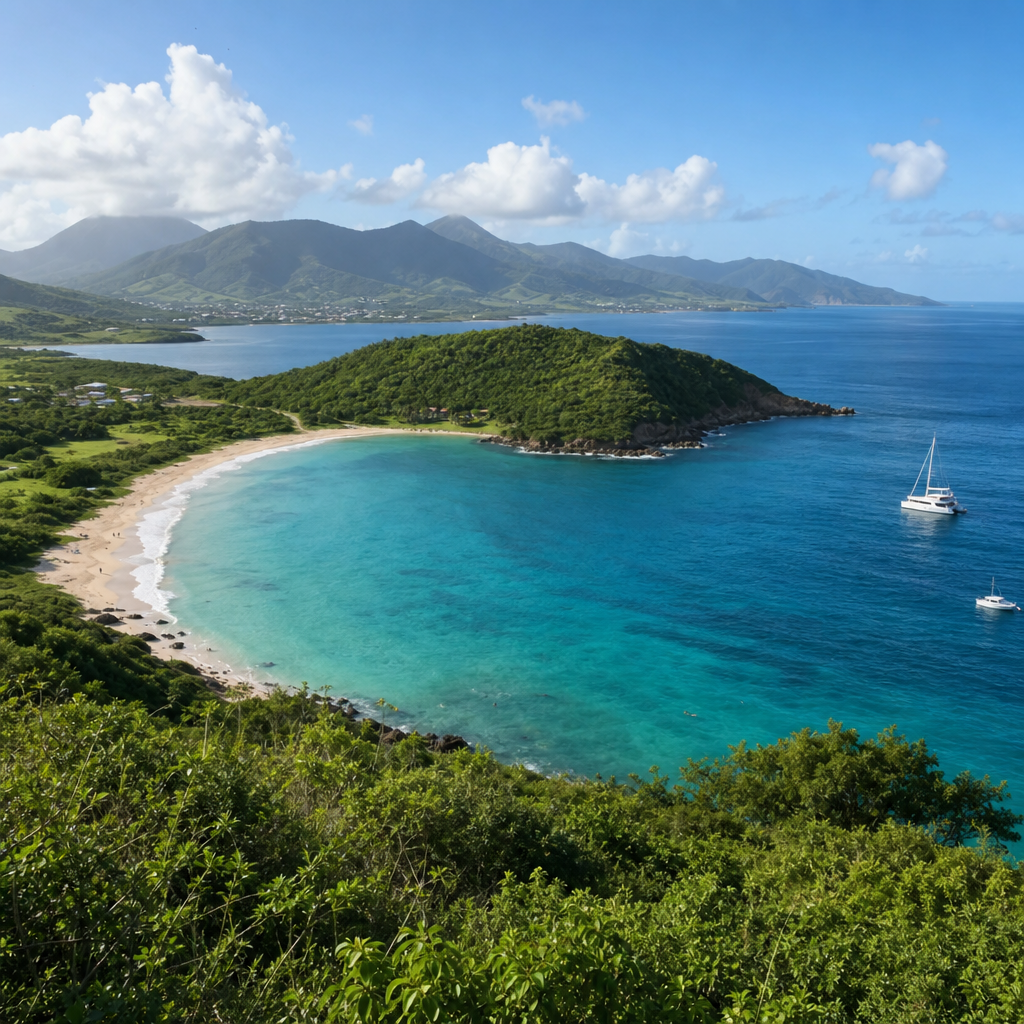
Stand-up paddleboarding in Nevis offers a rare combination of calm water, coastal scenery, and low-impact adventure, making it one of the island’s most rewarding ways to explore the Caribbean at an unhurried pace. Stand-up paddleboarding, often shortened to SUP, involves standing or kneeling on a wide board and using a single-bladed paddle to move across the water. In Nevis, that simple activity becomes something more memorable because the island’s sheltered bays, clear shallows, and volcanic backdrop create ideal conditions for beginners and experienced paddlers alike. I have found that visitors who may feel intimidated by surfing or open-water kayaking often settle into paddleboarding quickly here, especially during the calmer morning hours when the sea is glassy and the shoreline is quiet.
Nevis matters as a paddleboarding destination because it delivers what many travelers say they want but seldom find together: accessible adventure, natural beauty, and genuine tranquility. The island is smaller and less crowded than many Caribbean neighbors, so a SUP outing often feels personal rather than commercial. You can drift above turtle grass beds, trace the edge of Pinney’s Beach, or watch pelicans work the shoreline without engine noise dominating the experience. For travelers planning an active itinerary, stand-up paddleboarding in Nevis also fits neatly alongside snorkeling, hiking Nevis Peak, catamaran excursions, and beach hopping, which is why it belongs at the center of any broader guide to adventure and activities on the island.
This hub article covers the miscellaneous side of Nevis paddleboarding comprehensively: where to go, when to paddle, what conditions to expect, who the activity suits, how guided sessions compare with independent rentals, what gear matters, and how to stay safe while protecting the marine environment. If you are asking whether SUP in Nevis is worth your time, whether beginners can do it, or which launch areas make the most sense, the short answer is yes: for most travelers, it is one of the easiest and most peaceful water activities to add to a Nevis trip.
Why Nevis is ideal for stand-up paddleboarding
Nevis is well suited to stand-up paddleboarding because much of its popular coastline provides relatively protected water, especially on calmer weather days and in the morning before trade winds strengthen. The west coast, including the Pinney’s Beach area near Charlestown and major resorts, is the most common base for paddlers because the sea state is often gentler there than on more exposed Atlantic-facing stretches. Visibility can be excellent, allowing paddlers to see sand patches, seagrass, and occasional marine life beneath the board. That visibility matters for confidence. New paddlers tend to relax when they can read the water and understand what is under them.
From practical experience, the island’s scale is another advantage. Travel times are short, so you do not lose half a day reaching a launch point. Resorts and beach operators can often arrange a board on short notice, and guided excursions may include basic instruction right on the sand. Nevis Peak also gives the experience a distinctive visual identity. Even a short paddle near shore feels dramatic when the mountain rises behind coconut palms and old sugar estate lands. That combination of topography and open sea gives photographs depth, but more importantly it creates a strong sense of place that many generic beach destinations lack.
Paddleboarding in Nevis is also flexible. Some travelers want an easy thirty-minute session before breakfast; others prefer a slow coastal exploration with swimming stops. Families often use SUP as an introduction to water sports because the learning curve is manageable. Couples choose it for the quiet. Solo travelers like it because it is active without being overly technical. As a hub topic within miscellaneous adventure activities, SUP connects naturally to wildlife watching, coastal photography, wellness travel, and soft-adventure planning.
Best places to paddle and what each area offers
The most practical place to start is usually Pinney’s Beach. This long western shoreline has relatively straightforward access, broad sandy sections for launching, and nearby hotels that may offer rentals or concierge booking assistance. In calm conditions, it is ideal for first-timers because the entry is simple and landmarks on shore make navigation easy. You can stay close to the beach, practice standing up, and gradually extend the route once comfortable. The water here often supports relaxed recreational paddling rather than performance paddling, which suits most visitors.
Oualie Beach is another notable area, especially for travelers staying nearby or connecting paddleboarding with other watersports. It has long been associated with water-based excursions, and conditions can be suitable for paddling depending on wind direction and daily weather. Because boats and excursion traffic may be present, situational awareness matters more here than on a quiet stretch of resort beach. For intermediate paddlers, Oualie can be a useful launch point for a slightly more exploratory outing, but beginners should always ask local operators about that day’s conditions before heading out.
Charlestown waterfront areas may appeal visually, but they are not always the best choice for a relaxed first session. Working harbor activity, changing chop, and shoreline logistics can complicate the experience. In general, I advise visitors to prioritize beaches with easy entry, visible boundaries, and low traffic rather than choosing a launch site for convenience alone. On a small island, a better beach is rarely far away.
| Launch Area | Best For | Typical Conditions | Key Consideration |
|---|---|---|---|
| Pinney’s Beach | Beginners, casual paddlers, sunrise sessions | Often calm in the morning, easy sandy launch | Ideal all-around choice for first SUP outing |
| Oualie Beach | Mixed-skill paddlers, activity combos | Can be suitable but varies with wind and traffic | Check local guidance before launching |
| Resort beachfronts | Convenience, short recreational paddles | Generally manageable near shore | Availability may depend on guest access or rentals |
| Harbor-adjacent areas | Experienced paddlers only | Potential chop and vessel movement | Usually not the best option for beginners |
When to go, what conditions to expect, and how to plan
The best time of day for stand-up paddleboarding in Nevis is usually early morning. Winds are often lighter, boat traffic is lower, and the sea surface is smoother. Those conditions improve balance, reduce fatigue, and make the experience more peaceful. Late afternoon can also work, but by then onshore breezes may create more chop, especially for beginners. If your schedule allows only one paddle, book the earliest available slot.
Seasonally, Nevis supports paddleboarding for much of the year, but conditions are never identical day to day. The drier months often bring reliable beach weather, while the wetter period can still include excellent paddling windows between showers. What matters most is not the month on a calendar but real-time wind strength, swell direction, and localized weather. Good operators watch marine forecasts, read the beach, and will cancel or reroute if needed. That is a sign of professionalism, not inconvenience.
For trip planning, I recommend building flexibility into your itinerary. Do not schedule SUP only on your final hour on the island. Give yourself at least one backup window in case the sea is rough. Wear sun-protective clothing, bring water, and expect stronger sun exposure than you may realize because reflection off the water increases UV load. Many first-time visitors underestimate this and leave with fatigue or sunburn after what felt like an easy hour. Planning well preserves the peaceful part of the experience.
Beginner guidance, lessons, and equipment that actually matter
Most beginners can learn stand-up paddleboarding in Nevis in a single introductory session if conditions are calm and instruction is clear. The first skill is not standing. It is getting comfortable on the board while kneeling, learning how to hold the paddle correctly, and understanding how to keep your weight centered over the carry handle area. Once that feels stable, standing becomes much easier. A good instructor will teach a low-risk progression: start kneeling in shallow water, stand one foot at a time, soften the knees, keep eyes on the horizon, and take short strokes close to the board.
Board choice matters more than many travelers think. Wider all-around boards are better for general recreation because they prioritize stability. A board around 10 to 11.5 feet in length with generous width is common for beginners. Adjustable paddles should be set roughly 6 to 10 inches above the paddler’s height, depending on style and arm reach. A coiled leash is important in most settings because it keeps the board from drifting away after a fall. On sheltered flat water, a personal flotation device may be waist-belt style or standard vest depending on local practice, operator policy, and comfort level.
Footwear is usually optional, but a rash guard, hat, reef-safe sunscreen, and polarized sunglasses with a retainer are genuinely useful. Dry bags are worth bringing only if you need a phone or small camera on the water; otherwise they can become clutter during a beginner session. If you are renting independently, inspect fin attachment, deck pad condition, paddle adjustment clamp, and leash wear before launching. Small equipment issues become frustrating quickly on the water.
Guided tours versus independent rentals
Choosing between a guided paddle and an independent rental depends on confidence, goals, and conditions. Guided tours are best for first-time paddlers, cautious swimmers, and travelers who want local interpretation along with instruction. A guide can read weather shifts, point out marine life, explain coastal landmarks, and keep the group in the safest water. On Nevis, where travelers often have limited time, that efficiency matters. You spend more of the session enjoying the coastline and less time second-guessing route choices.
Independent rentals make sense for experienced paddlers who are comfortable assessing wind, staying near shore, and self-managing basic risks. They can be cost-effective and allow a more personal pace. However, independence is only an advantage when conditions are straightforward. A calm beach at 8 a.m. can feel very different after the wind rises. I have seen capable travelers exhaust themselves by paddling too far downwind, then struggling on the return leg. On a tropical vacation, that is avoidable. If you are uncertain, hire the guide.
Ask operators practical questions before booking: What launch site do you use? Are lessons included? How long is the on-water portion? What is the maximum group size? Is there a minimum age? What happens if wind conditions change? Clear answers are a good indicator of service quality. Vague reassurances are not.
Wildlife, scenery, and the quiet rewards of a slow paddle
The strongest reason many visitors remember stand-up paddleboarding in Nevis is not athletic challenge but sensory detail. From board level, the island reveals itself slowly. You notice the gradient from pale sand to deeper blue water, the movement of baitfish near seagrass, the shadow of a pelican before it dives, and the changing outline of St. Kitts across the channel. In good visibility, sea turtles may surface near paddlers, though sightings are never guaranteed and should never be pursued aggressively.
This slower vantage point is valuable because it changes how people experience the coast. Motorboats cover distance, but they compress perception. Paddleboards do the opposite. You hear wavelets on the rail, feel small shifts in current, and recognize how shoreline features shape water texture. For photographers and nature-minded travelers, that intimacy is the appeal. For wellness-focused visitors, the rhythmic paddling and upright stance create a meditative quality that beach lounging alone does not offer.
Respectful wildlife viewing is essential. Keep distance from birds on roosts, avoid crossing directly over visible coral or sensitive shallows, and never chase turtles for a better photo. Calm observation usually leads to better encounters anyway. Nevis retains its charm partly because parts of its coastline still feel understated and lightly trafficked. Paddlers should help keep it that way.
Safety, etiquette, and environmental responsibility
Safe paddleboarding in Nevis starts with conservative decision-making. Stay within your ability, monitor the shoreline so you always know your position, and remember that wind affects return effort more than outward effort. If you are new, remain close enough to shore that you could swim in comfortably if necessary. Avoid offshore paddling unless you are with a qualified guide. Hydration matters, and so does heat management. Tropical conditions can turn a mild workout into a draining one faster than expected.
Basic etiquette improves everyone’s experience. Launch clear of swimmers, give snorkelers space, and stay alert around moorings and excursion craft. If using a resort beach, follow access rules and equipment return times. Keep noise low; part of the value of SUP is the quiet. For group outings, stagger boards during launch rather than clustering in the shallows where beginners are trying to stand. Small habits like these make sessions smoother and safer.
Environmental responsibility is not optional. Use reef-safe sunscreen where possible, avoid dragging boards across seagrass or rocky entry points, and do not leave straps, bottles, or food packaging on the beach. If an operator discusses no-go zones for marine habitat or asks guests not to land on a certain stretch, follow that guidance. Coastal ecosystems are resilient only up to a point. Low-impact adventure stays low-impact when visitors act deliberately.
Stand-up paddleboarding in Nevis is peaceful because the island gives the activity exactly what it needs: calm mornings, scenic shorelines, manageable access, and a pace that rewards attention rather than speed. For beginners, it is one of the easiest water adventures to try. For experienced paddlers, it is a satisfying way to explore the coast with minimal fuss. The best launch areas, especially along the west coast and around Pinney’s Beach, offer a practical mix of beauty and usability, while guided options make the experience approachable for almost anyone.
As part of a wider Adventure and Activities plan, this miscellaneous hub topic connects naturally with snorkeling, beach days, photography, family travel, and wellness-oriented itineraries. It is not only a sport; it is a quiet way to understand Nevis. You see more, hear more, and move at a pace the island seems to encourage. That is the main benefit, and it is why SUP consistently earns a place on smart Nevis itineraries.
If you are building your trip plan, reserve an early-morning session, choose a protected launch site, and ask a local operator for the day’s best conditions. Then step onto the board, take a few steady strokes, and let Nevis do the rest.
Frequently Asked Questions
Is stand-up paddleboarding in Nevis suitable for beginners?
Yes, stand-up paddleboarding in Nevis is well suited to beginners, which is one of the reasons it has become such a rewarding way to experience the island. Many areas around Nevis offer calm, sheltered water with limited chop, giving first-time paddlers a more stable and forgiving environment than they might find in places with stronger surf or heavier boat traffic. The wide design of a SUP board also helps with balance, and most newcomers can start by kneeling before gradually standing when they feel comfortable. That gentle learning curve makes the activity approachable for a wide range of ages and fitness levels.
What makes Nevis especially appealing for beginners is the setting itself. Instead of feeling rushed or crowded, paddlers can move at their own pace while taking in clear shallows, coastal views, and the island’s relaxed atmosphere. A guided outing or rental session often includes a short introduction to stance, paddling technique, turning, and water safety, which is usually enough to help new paddlers feel confident quickly. Even if you have never stepped on a board before, Nevis offers the kind of peaceful conditions that make learning feel enjoyable rather than intimidating.
What is the best time of day to go paddleboarding in Nevis?
The best time of day to go paddleboarding in Nevis is typically in the morning, when the water is often at its calmest and the wind is lighter. Early hours tend to create smoother surface conditions, which makes paddling easier, more efficient, and more enjoyable for both beginners and experienced riders. Morning trips also offer softer light, comfortable temperatures, and a quieter atmosphere along the coast, all of which add to the sense of peaceful exploration that makes SUP in Nevis so memorable.
That said, the ideal timing can also depend on weather patterns, season, and the particular stretch of coastline you plan to explore. Local operators usually know which bays stay most protected and when conditions are likely to be at their best. Midday can bring stronger sun and shifting breezes, while later afternoon sessions may still be pleasant if winds remain light. If your goal is a relaxed paddle with the best visibility into the clear water and the least resistance from wind, an early start is usually the smartest choice. Checking local conditions before heading out is always recommended.
What should I bring for a stand-up paddleboarding trip in Nevis?
For a stand-up paddleboarding trip in Nevis, it is best to bring lightweight, practical items that will keep you comfortable on the water and protected from the Caribbean sun. Essentials include swimwear or quick-drying clothing, reef-safe sunscreen, sunglasses with a retainer strap, a hat or visor, and drinking water. Because the sun can feel stronger on the water due to reflection, sun protection is especially important, even on days that seem partly cloudy. Many paddlers also appreciate wearing a rash guard or lightweight long-sleeved sun shirt for added coverage.
If you plan to bring personal items such as a phone, camera, or keys, a waterproof bag or dry pouch is a smart addition. Water shoes can also be useful, particularly if you are launching from a beach with shells, rocks, or uneven footing. Most rental providers supply the board, paddle, and often a leash or personal flotation device, but it is always worth confirming what is included in advance. Bringing only what you truly need helps keep the experience simple and relaxed, which matches the easygoing nature of paddleboarding around Nevis.
What can you see while paddleboarding along the coast of Nevis?
One of the biggest highlights of stand-up paddleboarding in Nevis is the perspective it gives you on the island’s coastline. From the board, you can take in quiet beaches, gently curving bays, clear shallow water, and dramatic views shaped by Nevis Peak and the island’s volcanic landscape. Because SUP moves at a slow, unhurried pace, it allows you to notice details that are easy to miss from land or from a faster boat. The experience often feels immersive and peaceful, with the coastline unfolding gradually around you.
In the clear water, paddlers may spot marine life depending on conditions and location, including fish, rays, or other coastal sea creatures moving through the shallows. The visibility can be excellent on calm days, adding another layer of enjoyment to the outing. Beyond wildlife, there is also something special about seeing Nevis from just offshore, where the contrast between the blue water, green land, and volcanic backdrop becomes especially striking. For many visitors, that combination of scenery and stillness is what makes paddleboarding here stand out from other island activities.
Do you need to be very fit or experienced to enjoy SUP in Nevis?
No, you do not need to be highly fit or already experienced to enjoy stand-up paddleboarding in Nevis. SUP is considered a low-impact activity, and one of its strengths is that it can be adapted to different comfort levels. Some people prefer a gentle, scenic paddle close to shore, while others treat it as a more active workout. You can stand, kneel, or even alternate between the two as needed, which makes it accessible to many travelers who want outdoor adventure without something overly strenuous or technical.
Basic balance, a willingness to learn, and comfort around water are often more important than athletic ability. Because Nevis offers relatively calm areas for paddling, many visitors find they can enjoy the experience without needing advanced skills. Guided sessions can make things even easier by offering route advice, safety support, and technique tips tailored to your level. In practice, SUP in Nevis is less about performance and more about enjoying the rhythm of the water, the scenery, and the island’s laid-back atmosphere at your own pace.