Sustainable fishing practices in Saint Kitts sit at the intersection of marine conservation, food security, coastal culture, and economic resilience. In practical terms, sustainable fishing means catching seafood at a rate and in a way that allows fish populations, reef habitats, and the people who depend on them to thrive over the long term. In Saint Kitts, that definition matters because the island’s nearshore waters support small-scale fishers, local markets, restaurants, and marine ecosystems already under pressure from climate change, coastal development, pollution, and regional overfishing. A sustainable approach is not a single rule. It is a working system that combines responsible gear, seasonal awareness, habitat protection, science-based management, and community participation.
When I have worked with coastal tourism and environmental content in the Eastern Caribbean, one pattern has been clear: islands with healthy reefs and well-managed fisheries protect far more than seafood supply. They also strengthen dive tourism, preserve shoreline protection, and maintain cultural identity tied to the sea. Saint Kitts illustrates that connection well. Its fishers target species such as tuna, mahi-mahi, wahoo, lobster, conch, and reef fish, often from relatively small vessels operating close to shore or making short offshore trips. Because the scale is local, the impact of poor practices shows up quickly. Smaller catches, damaged reef structure, juvenile harvests, and weaker incomes can all appear within a few seasons.
This hub article explains the main sustainable fishing practices in Saint Kitts, why they matter, and how they fit into broader nature and wildlife conservation on the island. It also serves as a gateway to related topics, including marine protected areas, reef conservation, responsible seafood choices, bycatch reduction, and community-based fisheries management. If a visitor, researcher, policymaker, educator, or tourism operator wants a grounded overview of how sustainable fishing works in Saint Kitts, the essential questions are straightforward: what species are being caught, what methods are most responsible, what rules shape the industry, and what role can communities and consumers play? The sections below answer those questions directly and with local context.
Why sustainable fishing matters in Saint Kitts
Saint Kitts is a small island with a large marine footprint. Its coastal waters include coral reefs, seagrass beds, rocky shorelines, and deeper pelagic zones, each supporting different species and different forms of fishing. These habitats are not interchangeable. Coral reefs provide shelter and nursery grounds for many commercially important fish. Seagrass stabilizes sediment and supports juvenile life stages. Offshore waters bring migratory species that can support relatively lower-impact harvest if managed carefully. When one habitat declines, the effects spread across the whole fishing system.
The economic stakes are significant. Fisheries in Saint Kitts are smaller than tourism in headline value, but they matter deeply for livelihoods, household nutrition, and local commerce. Fresh fish supplies restaurants, village vendors, and domestic consumers who prefer local catch over imports. Sustainable fishing therefore supports both income and food sovereignty. It also reduces dependence on imported protein, a critical issue for islands exposed to shipping disruptions and global price swings.
Environmental pressure is equally real. Across the Caribbean, coral disease, bleaching events, stronger storms, and warming seas have reduced ecological resilience. Overfishing compounds those losses by removing herbivorous fish that help control algae or by reducing spawning stock needed for recovery. In Saint Kitts, the question is not whether fishing should continue. It should. The question is how to maintain a viable fishery without undermining the ecosystems that make it possible.
Common fisheries and the species that need careful management
Saint Kitts fisheries include both reef-associated and pelagic species. Pelagic fish such as yellowfin tuna, blackfin tuna, mahi-mahi, king mackerel, and wahoo are generally caught in offshore waters. These species can be more resilient to local reef damage, but they still require management because they are migratory and affected by wider Caribbean fishing pressure. Reef fish, by contrast, are directly linked to habitat quality and are more vulnerable to localized depletion. Groupers, snappers, parrotfish, grunts, and surgeonfish all play ecological roles that extend beyond their market value.
Lobster and queen conch deserve special attention. Both are culturally and commercially important, and both can decline quickly if immature individuals are harvested or if breeding seasons are ignored. Queen conch has faced serious conservation concerns in several Caribbean states because slow growth and easy harvesting make it vulnerable. Spiny lobster populations also depend on protecting berried females, enforcing minimum size rules, and reducing capture during peak reproductive periods.
One of the clearest lessons from fisheries management is that not all fish should be treated the same. A migratory tuna fishery needs different rules from a reef fishery, and a lobster fishery needs different monitoring from conch collection. Sustainable fishing in Saint Kitts works best when species-specific biology drives the decisions rather than convenience or tradition alone.
Fishing methods that support long-term marine health
The most sustainable fishing methods in Saint Kitts are those that limit habitat damage, reduce bycatch, and allow juveniles and non-target species to survive. Handlines are a strong example. They are selective, relatively inexpensive, and commonly used by small-scale fishers targeting snapper, grouper, and pelagic species. Because the fisher controls hook placement and retrieval directly, handlining usually creates less seabed damage than destructive gear and makes it easier to release unwanted catch.
Fish pots can also be part of a sustainable system when they are properly designed, responsibly placed, and regularly checked. Escape gaps help undersized fish leave the trap, and biodegradable panels reduce ghost fishing if a pot is lost. Without those features, abandoned traps can continue killing marine life for months. In Saint Kitts, gear maintenance is therefore a conservation issue, not just an operational one.
Spearfishing is more mixed. Used by trained divers targeting abundant legal-size fish, it can be highly selective. Used irresponsibly on reefs or on vulnerable herbivores, it can strip key species quickly. Trawling and destructive methods associated with heavy habitat disturbance are not characteristic of Saint Kitts’ small-scale fishery and would be ecologically damaging in its nearshore environment.
| Method | Main advantage | Main risk | Sustainable best practice |
|---|---|---|---|
| Handline | High selectivity | Undersized catch if hooks are too small | Use proper hook sizes and release juveniles quickly |
| Fish pot | Efficient for reef species | Ghost fishing and bycatch | Add escape gaps and biodegradable panels |
| Spearfishing | Targets individual fish | Overharvest of reef species | Limit effort and avoid key herbivores during vulnerable periods |
| Pelagic trolling | Lower reef impact | Fuel cost and non-target strikes | Focus on seasonal migratory runs and maintain gear carefully |
Rules, seasons, and enforcement on the island
Effective sustainable fishing depends on clear rules and credible enforcement. In Saint Kitts and Nevis, fisheries governance has historically involved licensing, gear regulation, seasonal closures, and species protections, supported by the Department of Marine Resources and linked legislation. The exact detail of regulations can change, so fishers and buyers need current official guidance rather than memory or rumor. That point sounds obvious, but in practice it is one of the most common management failures in small fisheries.
Seasonal closures are especially important for lobster and conch. Closing a fishery during spawning or peak reproductive periods gives populations a chance to replenish. Minimum size limits serve a similar purpose by allowing animals to reach maturity before harvest. Protection for egg-bearing lobster is another standard measure used across the Caribbean because removing reproductive females has an outsized effect on future stock levels.
Enforcement remains challenging for many island states because patrol capacity, staffing, landing-site monitoring, and data collection can all be limited. Yet even modest enforcement improves outcomes when paired with fisher buy-in. In my experience, compliance rises when regulations are explained in practical terms: protecting juveniles today means better catch rates next season, and preserving reef grazers means healthier coral that supports future fish recruitment.
Marine habitats, protected areas, and ecosystem-based management
Sustainable fishing in Saint Kitts cannot be separated from habitat protection. Coral reefs, mangroves, and seagrass beds function as a connected nursery and feeding network. If fishers avoid juvenile harvest but reefs are smothered by sediment or algae, the fishery still declines. That is why ecosystem-based management has become the benchmark approach. Instead of treating fish stocks in isolation, it considers water quality, coastal runoff, anchoring damage, invasive species, and tourism pressure alongside harvest levels.
Marine protected areas can support this model when they are well designed and enforced. No-take zones, seasonal nursery protections, and reef-use restrictions can allow fish biomass to rebuild. Studies across the Caribbean have shown that protected reef areas often hold larger fish and greater spawning potential than unprotected sites, with spillover benefits into nearby fishing grounds. The size of the benefit depends on compliance, habitat quality, and reserve design. A protected area drawn on paper but ignored at sea delivers little.
For Saint Kitts, protected area planning works best when it reflects actual fishing patterns, dive sites, turtle habitat, and community priorities. Fishers are more likely to support boundaries they helped shape. Conservation groups are more effective when they link habitat protection to measurable fishery benefits rather than presenting it as a separate agenda.
Community knowledge, local markets, and responsible seafood demand
Small-island fisheries are driven as much by people as by policy. Saint Kitts has deep local knowledge about seasonal runs, moon cycles, weather windows, reef behavior, and species distribution. That experience is valuable data. Fishers often notice changes in average size, catch composition, or habitat condition before those trends appear in formal assessments. The strongest sustainable fishing programs treat that knowledge as a management asset, then pair it with landing records, biological surveys, and regional science.
Markets also shape fishing pressure. When buyers consistently demand lobster out of season, undersized reef fish, or conch with no questions asked, they reward unsustainable harvest. Restaurants and hotels can help by sourcing legally caught local seafood, asking about seasonality, and diversifying menus toward abundant pelagic species when reef stocks are under strain. A visitor choosing wahoo or mahi-mahi during open, productive seasons may reduce pressure on vulnerable reef fish without sacrificing quality.
This is why sustainable fishing in Saint Kitts belongs within the broader Nature and Wildlife conversation. It connects marine biodiversity, protected areas, coral reef tourism, sea turtle conservation, coastal livelihoods, and consumer education. As a hub topic, it should guide readers to related articles on reef-safe boating, marine debris reduction, seafood seasonality, fisheries law, and ecotourism standards. The central message is simple: healthy fisheries come from healthy ecosystems, informed rules, and daily choices made by fishers, businesses, residents, and travelers. Support local legal catch, respect seasonal protections, and learn which species are best to eat at different times of year.
Frequently Asked Questions
What does sustainable fishing mean in Saint Kitts?
Sustainable fishing in Saint Kitts means harvesting seafood in ways that protect fish populations, preserve marine habitats, and support the long-term wellbeing of fishing communities. It is not only about how many fish are caught, but also about when, where, and with what methods they are harvested. In an island setting like Saint Kitts, these decisions matter because coastal waters help provide food, income, tourism value, and ecological protection through coral reefs, seagrass beds, and other marine ecosystems.
In practice, sustainable fishing often involves respecting size limits, avoiding the capture of juvenile fish, protecting breeding seasons, reducing bycatch, and preventing damage to reefs and nursery habitats. It also depends on local knowledge. Fishers in Saint Kitts often understand seasonal patterns, fish behavior, and changing sea conditions, and that knowledge can be combined with science-based management to create more effective fishing practices. The goal is balance: making sure today’s catch does not undermine tomorrow’s livelihoods or the health of the island’s marine environment.
Why are sustainable fishing practices especially important for Saint Kitts?
Sustainable fishing is especially important for Saint Kitts because small islands are closely tied to the health of their surrounding seas. Nearshore fisheries support local diets, jobs, family incomes, and the hospitality sector, while healthy marine ecosystems also strengthen tourism, shoreline protection, and biodiversity. When fish stocks decline or reef habitats are damaged, the effects can spread quickly across the economy and community life.
Saint Kitts also faces many of the same pressures seen across the Caribbean, including overfishing in some areas, habitat degradation, climate change, coral stress, and stronger competition for marine resources. If fishing is not managed carefully, reef fish and other important species may have less time to reproduce and recover. Sustainable practices help reduce that risk by protecting nursery grounds, encouraging responsible harvest levels, and keeping marine food webs more stable. For Saint Kitts, this is not just an environmental issue. It is a food security issue, a cultural issue, and an economic resilience issue all at once.
What fishing methods and management approaches help support sustainability in Saint Kitts?
Several methods and management tools can support sustainable fishing in Saint Kitts. Selective gear is one of the most important. Fishing methods that target specific species and sizes can reduce unwanted catch and lessen harm to non-target species, including juvenile fish. Fish traps, handlines, and other commonly used small-scale methods may be improved through better design, escape gaps, and responsible placement to reduce habitat impacts and allow undersized fish to survive.
Seasonal closures and protected areas are also valuable. When spawning seasons or nursery habitats are protected, fish populations have a better chance to replenish. Size limits can prevent the harvest of immature fish before they have reproduced, and catch controls can help keep overall fishing pressure within healthy limits. Stronger monitoring, licensing, and data collection make these tools more effective by helping managers understand what is being caught and how stocks are changing over time.
Education and collaboration are equally important. Sustainable fishing works best when fishers, regulators, marine scientists, vendors, and community members all have a role in shaping practical rules. In Saint Kitts, community-based stewardship can be especially effective because fishers often have firsthand insight into changing fish abundance, reef conditions, and seasonal trends. When regulations are realistic, locally informed, and consistently enforced, they are more likely to protect resources while still supporting working fishing communities.
How does sustainable fishing benefit local fishers, businesses, and communities in Saint Kitts?
Sustainable fishing benefits local fishers by helping maintain reliable fish stocks over time. While some conservation measures may seem restrictive in the short term, they are designed to prevent the much bigger problem of depleted fisheries. If fish populations remain healthy, fishers are more likely to sustain their livelihoods, avoid declining catch rates, and reduce the need to travel farther or spend more to find harvestable fish. In other words, sustainability helps protect the long-term productivity of the resource base that fishing families depend on.
The benefits extend beyond the boats. Local markets, restaurants, and tourism operators all rely on a consistent supply of quality seafood and a healthy marine environment. Visitors are drawn not only to local cuisine but also to snorkeling, diving, and coastal experiences that depend on thriving reefs and marine life. Communities also benefit from stronger food security when local fisheries are managed responsibly. By supporting marine ecosystems and stable seafood supply chains, sustainable fishing contributes to a more resilient local economy and helps preserve the coastal traditions that remain an important part of life in Saint Kitts.
What can consumers, visitors, and local communities do to support sustainable fishing in Saint Kitts?
Consumers and visitors can support sustainable fishing in Saint Kitts by asking informed questions about where seafood comes from, which species are in season, and how they were caught. Choosing locally sourced seafood from responsible fishers can encourage better practices throughout the supply chain. It also helps to avoid purchasing undersized fish or species known to be under pressure if guidance from local authorities or conservation groups suggests caution. Restaurants and seafood vendors respond to customer demand, so public interest in responsibly caught seafood can make a real difference.
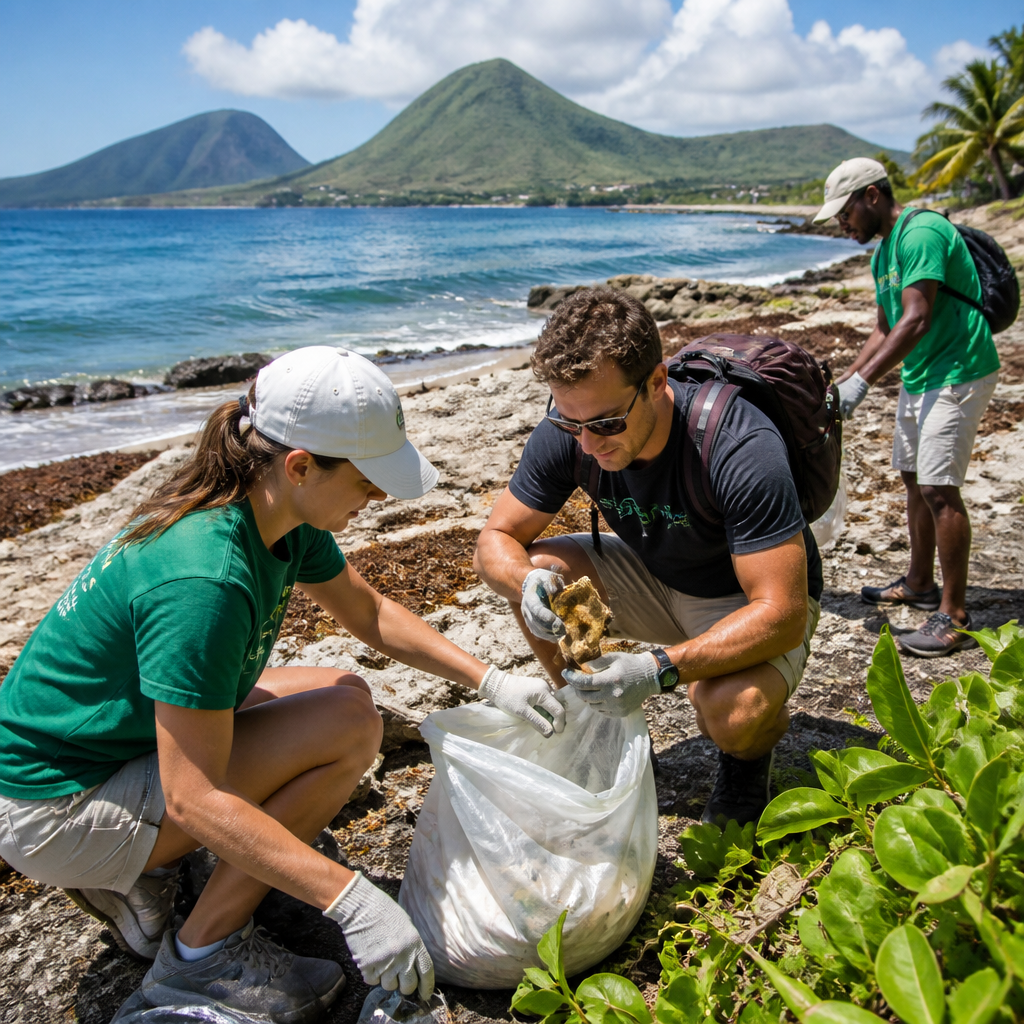
Local communities can contribute by supporting marine education, respecting fishing regulations, participating in coastal cleanups, and advocating for stronger protection of reefs, mangroves, and seagrass habitats. These ecosystems serve as nurseries and feeding grounds for many marine species, so protecting them is essential to the future of fishing. Community involvement also matters in policy discussions, public consultations, and local stewardship programs. In Saint Kitts, sustainable fishing is most effective when it is seen as a shared responsibility, with fishers, businesses, residents, and visitors all helping to protect the marine resources that sustain the island.