Nevis’ villages are changing in ways that are easy to miss if you only look for dramatic construction or headline-making development. The real story sits in the daily rhythm of places such as Charlestown, Cotton Ground, Gingerland, Bath Village, Newcastle, and Jessups, where older patterns of family life, work, religion, farming, fishing, and neighborhood exchange now meet tourism, migration, digital connectivity, rising land values, and climate pressure. When people talk about the changing face of Nevis’ villages, they are describing a social and physical transformation: houses built for extended families now stand beside vacation villas; small roadside shops compete with imported goods and online buying; public gatherings that once centered almost entirely on church, school, and village festivals now share attention with global media and visitor-driven events.
A village, in the Nevisian context, is more than a residential cluster. It is a network of kinship, memory, livelihood, and place-based identity. Each settlement carries its own character shaped by elevation, access to the sea, historic estates, transport links, and the legacy of plantation land use. Gingerland’s dispersed upland communities feel different from the flatter coastal settlements around Newcastle or Cotton Ground, and those differences matter because change never arrives evenly. In my work reviewing Caribbean destination development and local heritage planning, I have seen that the villages that adapt best are not the ones that resist every new influence. They are the ones that keep their social fabric intact while updating infrastructure, housing, and economic opportunity.
This matters because village change affects what residents can afford, how young people imagine their future, what visitors experience beyond resorts, and how Nevis protects the cultural texture that makes the island distinct. A village loses something important when growth only raises property prices, but it also loses ground when roads, drainage, internet service, and public spaces fail to improve. The central question is not whether Nevis’ villages should change. They already are. The real issue is how they can change in ways that preserve local identity, strengthen community life, and spread economic benefits more fairly across the island.
From plantation landscapes to modern village life
To understand present-day change, it helps to start with settlement history. Nevisian villages developed within a landscape structured for sugar cultivation, estate ownership, and labor movement. Roads, churches, schools, and housing patterns often followed estate boundaries and access routes rather than modern planning logic. After the decline of sugar and the diversification of the economy, many village areas shifted from labor settlements into more mixed communities where public employment, small business, construction, transport work, overseas remittances, and tourism income all played a role.
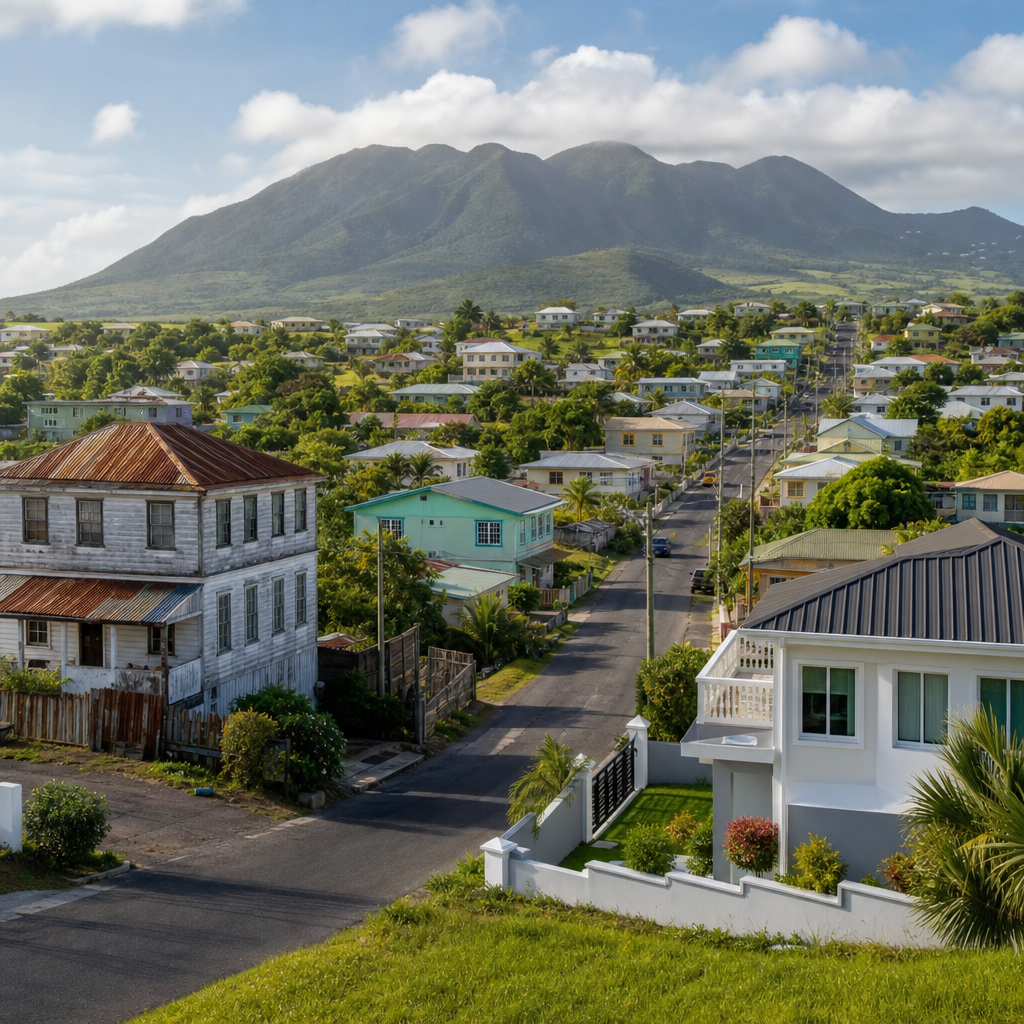
That historical layering still shows in the built environment. You can see wooden chattel-style houses, concrete family homes, newer guest accommodations, churches, playing fields, former estate structures, and roadside bars occupying the same village corridor. In places like Bath Village, historic features remain close to modern traffic and civic activity. In Gingerland, settlement can feel linear and spread out, reflecting land availability and family holdings rather than compact urban design. These patterns matter because they influence everything from service delivery to flood management and public transport.
The result is a village form that is neither frozen in heritage nor fully suburbanized. It is transitional. This is why Nevis feels different from destinations where tourism has replaced local life in whole districts. On Nevis, local life still defines the villages, but external economic forces increasingly shape what gets built, who can buy, and which businesses survive.
Housing, land, and the pressure of investment
One of the clearest signs of change is housing. Across Nevis, family land has long been central to village stability. It allowed generations to build near relatives, expand homes gradually, and maintain a sense of belonging that market-priced property alone cannot provide. But family land systems can also create legal complexity, especially when titles are unclear or multiple heirs are involved. As land values rise, that complexity becomes more consequential.
Investment tied to tourism and second-home ownership can bring jobs for contractors, landscapers, cleaners, drivers, and maintenance workers. It can also strain affordability for residents, especially younger adults trying to build locally. I have seen this pattern across small islands: once land is benchmarked against overseas purchasing power, village housing markets begin to detach from local wages. Nevis is not unique in this respect, but its scale makes the effect more visible. A single upscale development or cluster of villa sales can alter price expectations across an entire area.
Newer homes also change village appearance. Larger boundary walls, gated entrances, imported materials, and architecture designed for short-stay privacy can weaken the visual openness that traditionally encouraged neighborly interaction. That does not mean modern housing is a problem in itself. Better construction standards, hurricane resilience, and improved sanitation are real gains. The challenge is ensuring that development standards support safety and quality without erasing the informal, social character that has long defined village life.
Work, tourism, and the village economy
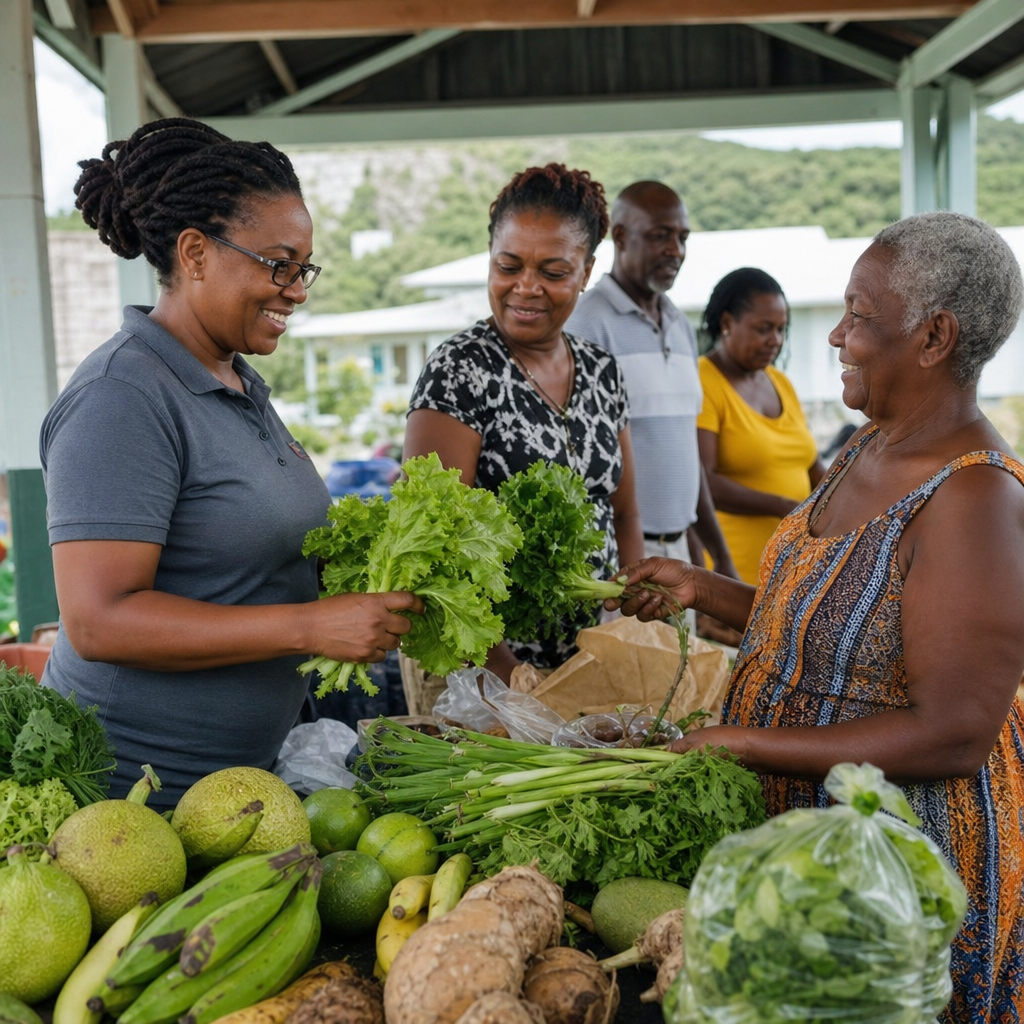
Tourism influences village life even when hotels are located elsewhere. Workers commute from villages to resorts, restaurants, marinas, government offices, and transport services. Visitors may stay in villa districts but rely on village shops, taxi drivers, food vendors, craftspeople, and event spaces. That means village economies are now tied to a broader service ecosystem rather than just agriculture or fisheries.
Charlestown remains the island’s main commercial and administrative center, yet surrounding villages increasingly participate in the visitor economy. A roadside breakfast spot in Newcastle, a rum bar in Cotton Ground, a heritage guide in Gingerland, or a sea excursion operator based near Oualie all represent the same shift: local income is more diversified, but also more exposed to seasonality and external shocks. The pandemic made that vulnerability obvious throughout the Caribbean. Villages with mixed income streams, including local services and remittance support, proved more resilient than places reliant on one sector alone.
| Change Driver | Village-Level Benefit | Village-Level Risk |
|---|---|---|
| Tourism growth | Jobs in hospitality, transport, maintenance, food service | Seasonal income, rising land prices, cultural dilution |
| New housing investment | Construction work, infrastructure upgrades, stronger buildings | Reduced affordability, less social cohesion, gated layouts |
| Digital connectivity | Remote work, online business, easier education access | Uneven access, weaker face-to-face community habits |
| Decline in agriculture | Land available for other uses, lower physical labor burden | Food import dependence, loss of local knowledge, idle land |
| Migration and remittances | Household support, home improvements, broader opportunity | Aging communities, skills drain, intermittent occupancy |
For village businesses, the practical issue is scale. Nevis does not need every village to become a commercial strip. It needs conditions that let small enterprises operate consistently: reliable utilities, sensible licensing, safe roads, visible signage, and access to digital payment systems. When these basics are in place, the village economy becomes more than an informal supplement to the formal tourism sector. It becomes a durable part of the island’s value chain.
Culture, memory, and everyday community life
The strongest villages on Nevis still run on relationships. Churches, schools, sports, funerals, village festivals, food traditions, and family networks remain central institutions. They create continuity that no development plan can manufacture. What is changing is the balance between these local anchors and a more individualized, mobile lifestyle shaped by cars, smartphones, streaming media, and overseas influence.
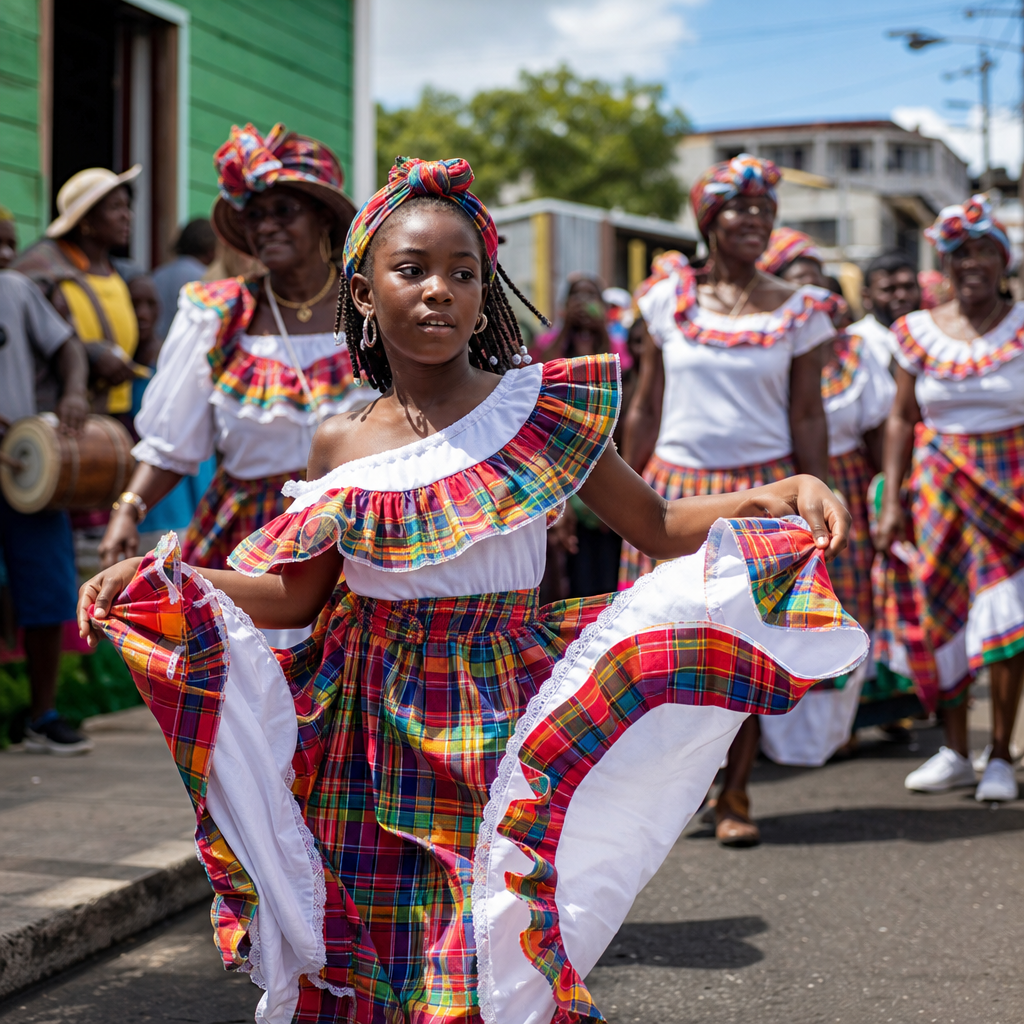
Older residents often remember a time when children walked more, neighbors exchanged more labor, and entertainment was more collective. Younger Nevisians may still value village identity, but they express it differently: through music, social media, entrepreneurship, fashion, and event culture that blends local and global references. That shift should not be read simply as decline. Culture evolves. The important question is whether the knowledge embedded in village life is still being passed on.
Examples matter here. Breadfruit roasting, fishing knowledge, herbal remedies, storytelling, cricket grounds, church anniversaries, and Culturama-related traditions all carry practical and symbolic weight. If these survive only as performances for visitors, they weaken. If they remain part of ordinary village life, they continue to shape identity. The best local heritage work on islands usually supports living traditions rather than isolating a few old buildings and calling preservation complete.
Infrastructure, climate, and the quality of daily life
Village change is not only cultural or economic. It is deeply physical. Roads, drains, retaining walls, sidewalks, bus stops, water supply, waste management, and broadband service determine whether daily life feels secure and manageable. On a small island exposed to hurricanes, heavy rainfall, coastal erosion, and heat stress, infrastructure quality is inseparable from resilience.
Coastal and low-lying settlements face obvious pressure. Stronger storms and sea-level rise can worsen flooding, damage roads, and threaten utilities. Inland communities are not immune; slope stability, runoff, and drainage remain serious concerns, especially where building has expanded without enough attention to watershed behavior. Across the Caribbean, poor drainage is one of the most common reasons a moderate weather event becomes a local disaster. Village planning therefore has to account for culverts, permeable surfaces, ghaut management, and maintenance cycles, not just new construction permits.
Public space is another practical issue. A village with a maintained playing field, shaded gathering area, safe pedestrian routes, and orderly roadside commerce functions better socially than one where every interaction is pushed onto narrow road shoulders. Infrastructure can either strengthen community life or fragment it. On Nevis, modest but consistent improvements often matter more than grand projects because village life depends on reliable everyday systems.
Migration, returnees, and generational change
Migration has long shaped Nevisian villages. Families are spread across the United Kingdom, the United States, Canada, and neighboring Caribbean territories, and those links affect home construction, education choices, and household finances. Remittances have helped many families improve houses, fund schooling, and bridge periods of low local income. At the same time, outward migration can leave villages older on average and thinner in working-age skills.
Return migration adds another layer. Some retirees and mid-career returnees bring savings, professional experience, and expectations for services that can encourage local upgrading. Others struggle to reintegrate into village dynamics after years away. I have seen both outcomes on island communities: returnees can become catalysts for civic activity, or they can unintentionally deepen social divides if their resources set them apart too sharply.
For younger residents, the central issue is whether village life can still offer a future, not just a past. That means access to training, creative industries, sports facilities, apprenticeships, and digitally enabled work. If a talented young person can live in Gingerland or Jessups and still build a career through hospitality management, online services, design, marine trades, education, or specialty food production, the village remains viable. If ambition requires permanent departure, community continuity weakens over time.
What the future of Nevis’ villages should protect
The future of Nevis’ villages should not be measured only by new buildings or visitor spending. It should be measured by whether residents can still afford to live where they were raised, whether village businesses can compete, whether elders feel recognized, whether children have safe public spaces, and whether local customs remain active rather than ornamental. Good change is possible, but it requires deliberate choices.
Those choices include clearer land administration, stronger building standards, drainage and road maintenance, support for small enterprise, and heritage policies that value living culture. They also include careful tourism planning. Visitors increasingly want authentic local experiences, but authenticity disappears when villages are redesigned mainly for outside consumption. The best approach is to support communities first and let visitor interest follow that reality.
Nevis’ villages are changing because the island is changing, and that is neither surprising nor inherently negative. What matters is direction. A resilient village blends continuity with adaptation: modern utilities with traditional gathering spaces, safer homes with recognizable character, economic opportunity with social belonging. That balance is the real competitive advantage of Nevis under the broader Local Life and Experiences story, because it gives the island something many destinations have already lost.
For residents, planners, investors, and travelers alike, the task is simple: pay attention to the villages as living centers of Nevisian identity. Support local businesses, respect community rhythms, ask how development affects daily life, and value the ordinary places where island culture is actually sustained. The changing face of Nevis’ villages is still being written, and thoughtful choices now will decide whether that future feels rooted, inclusive, and unmistakably Nevisian.
Frequently Asked Questions
1. What does “the changing face” of Nevis’ villages really mean?
When people describe the changing face of Nevis’ villages, they are usually not talking only about new buildings, road works, or visible commercial expansion. In places such as Charlestown, Cotton Ground, Gingerland, Bath Village, Newcastle, and Jessups, change is often more subtle and more meaningful than that. It can be seen in how families use inherited land, how often younger relatives return home, how church and community events are attended, how neighbors exchange help, and how everyday livelihoods are pieced together from several sources rather than a single trade or profession.
In earlier periods, village life was shaped more strongly by routines tied to farming, fishing, public service, small trade, extended family networks, and a relatively stable pattern of residence. Today, those older structures still matter, but they are increasingly interacting with tourism, overseas migration, remittances, online work, short-term rentals, imported goods, social media, and rising expectations around housing and education. A village may look familiar from the roadside, yet inside homes and communities the rhythms have shifted. People may commute differently, depend less on agriculture than their parents did, and maintain family relationships across several countries at once.
So the phrase really points to a transition in village identity. Nevis’ villages are not simply becoming “modern” in a one-directional way, nor are they losing all connection to the past. Instead, they are blending continuity and adaptation. Older social habits, family memory, and local pride remain powerful, but they now exist alongside economic pressure, changing land use, climate concerns, and new forms of opportunity. That is why the most important changes are often found in daily life rather than dramatic redevelopment.
2. How are tourism and rising land values affecting village life in Nevis?
Tourism and higher land values are reshaping village life in both positive and difficult ways. On the positive side, tourism can create jobs, support small businesses, improve infrastructure, and increase demand for services ranging from transportation and food preparation to landscaping, maintenance, and cultural experiences. Villages near areas of visitor activity may benefit from more economic circulation, and some families are able to earn income from guest accommodations, home improvements, taxi services, crafts, or hospitality-related work.
At the same time, rising land values can put pressure on long-established residents. Family land that once served primarily as a place to build a home, keep a garden, or pass property to children may begin to carry a new market value that changes how relatives think about ownership. Disagreements can emerge over whether to sell, develop, subdivide, or preserve ancestral property. For younger residents especially, the dream of staying in or returning to a home village can become harder if land and construction costs increase faster than wages.
There is also a broader cultural effect. As tourism grows, some villages may feel more connected to outside expectations about appearance, investment potential, and “usable” space. That can bring welcome upgrades, but it can also shift priorities away from community-centered land use toward commercial value. In practical terms, this means village character can change without the village physically disappearing. A place may still have the same road, church, and family names, but the cost of living, the meaning of property, and the social balance between locals and investors may be noticeably different. The challenge for Nevis is to capture tourism’s benefits without weakening the social fabric that gives its villages their identity in the first place.
3. Why do migration and digital connectivity matter so much in the story of village change?
Migration has long been part of Caribbean life, and Nevis is no exception. Many families have relatives in the United Kingdom, the United States, Canada, and elsewhere in the region. What has changed is the way migration now interacts with technology. In the past, leaving often meant a more dramatic separation from daily village life, even when strong emotional ties remained. Today, smartphones, video calls, messaging apps, online banking, and social media allow people abroad to stay closely involved in family decisions, home construction, funerals, celebrations, property matters, and community debates.
This digital closeness has real effects on village life. Relatives overseas may help finance repairs, school expenses, or small businesses. They may influence decisions about land, caregiving, and inheritance even while living abroad. At the same time, young people growing up in Nevis are exposed to a wider range of lifestyles, careers, and expectations than previous generations. That expanded horizon can be empowering, but it can also weaken the assumption that adulthood will naturally unfold within the village itself.
Digital connectivity also changes work and identity. More residents can access information, market products, follow news, study online, or pursue remote and semi-remote opportunities. This does not erase structural economic limits, but it does alter how village residents imagine their future. A person may live in Gingerland or Jessups while engaging with clients, relatives, and institutions far beyond the island. In that sense, Nevis’ villages are no longer shaped only by local geography. They are increasingly part of transnational family and information networks, and that is one of the biggest reasons village change can feel profound even when the built environment appears largely familiar.
4. Are traditional village values and community ties disappearing in places like Gingerland, Bath Village, and Cotton Ground?
It is more accurate to say that traditional village values are being tested, reworked, and expressed differently rather than simply disappearing. In many Nevisian villages, community life has long depended on extended family connections, neighborly exchange, church participation, mutual aid, shared memory, and strong attachment to place. Those values do not vanish overnight. They continue to show up in how people rally around illness or death in a family, support school events, participate in religious life, maintain kinship obligations, and identify themselves by village roots even after years abroad.
What has changed is the social environment in which those values operate. Work schedules are different, travel is easier, entertainment is more individualized, and communication increasingly happens through phones instead of front-step conversation or casual roadside interaction. Fewer people may rely directly on farming or fishing, and younger generations may not inherit the same routines that once reinforced daily interdependence. As a result, community can feel less automatic than it once did.
Still, that does not necessarily mean decline. In many cases, village identity adapts. A church group may organize through messaging apps. Family support may come through remittances instead of physical proximity. Cultural memory may be preserved through reunions, local storytelling, school projects, or heritage events rather than through uninterrupted traditional livelihoods. The concern many residents express is not that villages have no values left, but that social cohesion now requires more deliberate effort. Preserving the best of village life in Nevis means recognizing that community cannot be taken for granted under modern economic and social pressures; it has to be actively maintained.
5. What role do climate pressure and changing livelihoods play in the future of Nevis’ villages?
Climate pressure is becoming a central issue because it touches nearly every part of village life, from housing and roads to water, farming, fishing, and household costs. Villages in Nevis are not dealing with change in the abstract. They face practical concerns such as heavier rainfall events, heat stress, coastal vulnerability, erosion, storm exposure, and the long-term effects these pressures have on food production, drainage, infrastructure, and insurance. In coastal or low-lying areas, environmental strain can influence where and how people build, what it costs to maintain property, and how secure traditional livelihoods remain.
Changing livelihoods are closely connected to that reality. Farming and fishing still carry cultural and economic importance, but they are operating in a world of shifting weather patterns, imported competition, land pressure, and changing labor preferences. Younger residents may be less likely to see agriculture or fishing as a stable primary path, especially when education, tourism, skilled trades, public employment, and digitally connected work seem to offer more predictable income. That shift can alter not only the local economy but also the transfer of practical knowledge between generations.
Looking ahead, the future of Nevis’ villages will likely depend on how well communities balance resilience with opportunity. That means supporting housing that fits local realities, protecting vulnerable infrastructure, encouraging sustainable land use, preserving access to family land where possible, and finding ways for traditional knowledge and modern enterprise to coexist. It also means understanding that village resilience is not just environmental; it is social and economic as well. If residents can remain rooted while adapting to climate and market pressures, Nevis’ villages can continue to evolve without losing the local character and community depth that make them distinct.