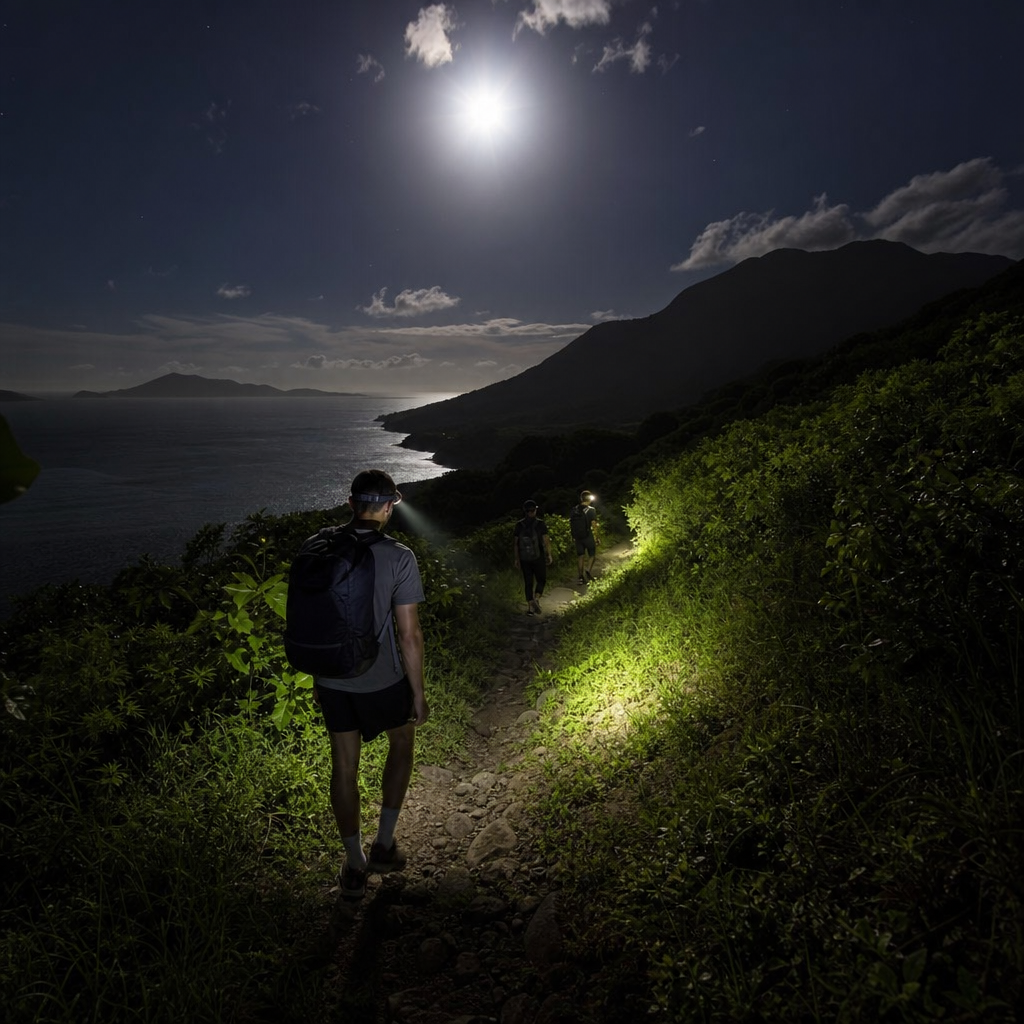
Saint Kitts’ night hikes reveal a side of the island that most daytime visitors never see: cooler trails, louder forests, brighter stars, and a landscape that feels both wilder and more intimate after sunset. In practical terms, a night hike is any guided or self-paced walk that begins around dusk or continues after dark, using headlamps, route planning, and a stronger focus on safety, pacing, and environmental awareness than a typical daytime trek. On Saint Kitts, that experience can range from a gentle evening walk near the coast to a demanding ascent on volcanic slopes where humidity, loose footing, and fast-changing weather matter. I have planned and reviewed evening outdoor itineraries across the Eastern Caribbean, and Saint Kitts consistently stands out because it combines compact geography with remarkable ecological variety. Within a short drive, hikers can move from beach edges and dry coastal vegetation to rainforest, old estate tracks, and cloud-wrapped highland routes. That variety makes night hiking here more than a novelty. It becomes a practical way to explore wildlife, history, scenery, and climate in a single activity, especially for travelers who want adventure without the punishing midday heat.
This hub article covers the miscellaneous side of Saint Kitts night hiking in full, meaning the details that travelers often search for before choosing a route or booking a guide: where to go, what to expect, what gear matters, which hazards are real, how local guides add value, what seasonal conditions change, and how night walks connect with broader adventure and activities on the island. It also serves as a central overview for related topics such as rainforest hikes, volcano treks, coastal walks, cultural heritage trails, wildlife spotting, stargazing outings, photography excursions, and family-friendly evening experiences. If you are deciding whether Saint Kitts night hikes are worth adding to your itinerary, the short answer is yes, provided you match the trail to your fitness level and treat darkness as a condition that requires preparation, not improvisation. The reward is significant: less crowded paths, a different soundscape, stronger sensory immersion, and a rare chance to experience Saint Kitts as residents, naturalists, and seasoned guides often do—after the sun goes down.
Why Night Hiking in Saint Kitts Feels Different
Saint Kitts is especially well suited to hiking after dark because the island’s climate and terrain change the experience in useful ways. Daytime temperatures along the coast commonly sit in the high 20s to low 30s Celsius, and the humid air can make steep climbs feel harder than the elevation profile suggests. After sunset, temperatures usually become more manageable, and even a modest breeze can noticeably improve comfort. That does not mean the island becomes cool in the mountain sense. You still sweat, and rainforest sections can remain very humid, but the difference in exertion is real. For many travelers, that single factor makes an evening hike more enjoyable than a midday trek.
Darkness also sharpens attention. In daylight, hikers often focus on distant views. At night, the trail becomes immediate. You notice the texture of volcanic soil, the sound of tree frogs, the movement of insects around leaves, and the sudden quiet that follows a gust of wind. On Saint Kitts, where old sugar estate roads, forest paths, and ridge routes each have distinct surfaces, that sensory shift matters. A well-led night hike can feel less like a workout and more like an interpretive experience. Guides frequently point out nocturnal species, discuss medicinal plants, identify constellations visible away from major light sources, and explain how plantation history shaped the paths people still use today.
Another reason night hiking matters here is crowd control. Popular adventure activities on Saint Kitts often cluster around daylight hours: catamaran trips, beach excursions, ATV rides, and volcano treks. Evening trails offer a quieter alternative. Couples often choose them for atmosphere, photographers for low-light composition, and active travelers for schedule flexibility on short itineraries. In broader trip planning, night hikes work well as part of a mixed adventure portfolio. A visitor might spend the morning snorkeling, rest through the hottest part of the day, then head into the hills at dusk. For a hub page under adventure and activities, that flexibility is central. Night hiking is not an isolated niche; it connects naturally with eco-tours, heritage outings, wellness travel, birding, and soft adventure.
Best Types of Night Hikes on the Island
The best Saint Kitts night hikes generally fall into four categories: coastal evening walks, estate trail hikes, rainforest immersion routes, and summit-oriented or high-elevation treks. Coastal evening walks are the easiest starting point. These routes are usually lower in elevation, simpler to navigate, and ideal for travelers testing comfort levels with walking after dark. Around the Southeast Peninsula and selected quieter shoreline areas, hikers can enjoy moonlit sea views, hear surf patterns more clearly than in daytime, and sometimes spot crabs, seabirds settling in, or distant fishing lights offshore. These are not always “wilderness” hikes, but they are excellent for families and for travelers arriving by cruise ship or staying near resort zones.
Estate trail hikes add cultural context. Saint Kitts is layered with former sugar plantation infrastructure: stone ruins, old roads, aqueduct remnants, and track systems that once linked estates to ports and processing areas. By day, these are interesting historical features. By night, they take on a different character, especially when interpreted by a knowledgeable local guide. I strongly recommend guided access on these routes, because unmarked junctions and private land boundaries can be confusing. The value is not only safety. Good guides explain labor history, land use change, and how forest regeneration has reclaimed former agricultural corridors. That context turns a simple walk into a richer island experience.
Rainforest night hikes are the signature option for many adventurous visitors. Saint Kitts has dense interior forest where canopy cover limits ambient light, making headlamp use essential. This is where the island’s nocturnal life becomes most vivid. Tree frogs, insects, bats, and occasional mongoose activity create a constant sense of motion and sound. Visibility is shorter, so hikers move more slowly, but that slower pace is part of the appeal. You stop often, listen more, and rely on the guide’s interpretation. High-elevation treks, including routes associated with Mount Liamuiga approaches or ridgeline sections connected to volcanic terrain, are the most demanding category. These should not be treated casually. They require fitness, weather awareness, and reputable guiding.
| Hike Type | Typical Difficulty | Best For | Main Advantages |
|---|---|---|---|
| Coastal evening walk | Easy | Families, beginners, cruise visitors | Sea views, easier footing, lower commitment |
| Estate trail hike | Easy to moderate | History-minded travelers | Cultural interpretation, ruins, gentler gradients |
| Rainforest night hike | Moderate | Nature lovers, photographers | Wildlife sounds, cooler air, immersive forest setting |
| High-elevation trek | Moderate to strenuous | Experienced hikers | Adventure value, dramatic terrain, fewer crowds |
Wildlife, Weather, and What You Will Notice After Sunset
One of the most common questions travelers ask is whether Saint Kitts night hikes are mainly about stars or about wildlife. The truthful answer is both, but wildlife usually defines the experience more strongly. The island’s nocturnal soundtrack is immediate and constant. Depending on location and season, you may hear whistling frogs, insects with pulsing call patterns, rustling in leaf litter, and bat activity near fruiting trees. Birdlife is less visible than at dawn, yet some roosting behavior can still be observed if a guide knows where to look and keeps disturbance low. Mongoose are diurnal but can sometimes be seen in low light at day’s edge. In coastal zones, ghost crabs and other shoreline species are more active at night, especially in quieter sections away from busy beach bars.
Weather deserves equal attention because it shapes route choice more than many first-time visitors expect. Saint Kitts has microclimates. Conditions near Basseterre or the beach can differ substantially from the interior highlands. A calm, clear evening at the coast may coincide with mist, drizzle, or slippery mud higher up. Trade winds can improve comfort on exposed segments, but forested areas often trap humidity. In the wetter months, trails become slick quickly, especially where roots cross narrow paths. Volcanic soils can be surprisingly loose on descents, and leaf litter can hide uneven ground. I have seen experienced hikers underestimate this because the island looks compact on a map. Compact does not mean simple. Short distances can still involve technical footing and abrupt weather shifts.
Night skies are a major bonus, though the quality of stargazing depends on moon phase, cloud cover, and proximity to developed areas. In darker parts of the island, constellations can appear sharply defined, and on clear nights the sky adds a contemplative dimension that daytime hiking never offers. Still, travelers should set realistic expectations. Dense canopy often limits sky visibility, and humid air can soften contrast. If stargazing is your primary goal, choose an open coastal or ridge route rather than a deep rainforest trail. If biodiversity and atmosphere matter more, forest hikes win. That distinction helps people book the right experience instead of expecting every night hike to deliver every possible benefit at once.
Safety, Gear, and Choosing a Reputable Guide
The safest way to approach Saint Kitts night hikes is to assume that darkness multiplies every small planning mistake. A route that feels easy by day can become confusing at night if intersections are poorly marked or if rain reduces traction. For that reason, guided hiking is the best option for most visitors, especially in rainforest and mountain zones. Reputable operators provide more than navigation. They assess weather, adjust pace for group ability, carry backup lighting, know exit points, and understand local terrain hazards such as unstable roots, muddy gullies, and wasp-heavy vegetation pockets. Look for guides with a clear safety briefing, visible local experience, and a realistic description of difficulty rather than sales language that minimizes risk.
Essential gear is straightforward but non-negotiable: a reliable headlamp with fresh batteries, a backup light source, grippy trail shoes or light hiking boots, water, insect repellent, and a small pack that keeps your hands free. On Saint Kitts, I also advise a lightweight rain shell even when the forecast looks good, because interior conditions change quickly. Avoid using your phone flashlight as a primary light. Battery drain, dropped phones, and weak beam spread make it a poor substitute for a headlamp. Clothing should be breathable but protective. Long socks and lightweight long trousers reduce scratches and insect exposure on narrower trails. If you tend to sweat heavily in humidity, bring electrolytes rather than only water.
Travelers often ask whether self-guided night hiking is realistic. In limited cases, yes—on short, well-known, low-risk routes near accommodations or developed areas. But for most visitors, especially first-timers, the better answer is no. Saint Kitts is not the place to experiment with unfamiliar trails after dark simply because the island is small. Mobile signal can be inconsistent in some interior areas, and landmarks that seem obvious in daylight are much less useful under headlamps. A good guide also improves the quality of the experience. You will learn more, move more confidently, and spend less time worrying about navigation. For anyone treating this page as a hub for miscellaneous adventure planning, that is the central recommendation: prioritize guided experiences when the route involves forest, elevation, remote estates, or changing weather.
How Night Hikes Fit Into a Broader Saint Kitts Adventure Itinerary
Night hikes work best when they are planned as part of a balanced Saint Kitts schedule rather than added impulsively after a long day. The island offers enough variety that travelers can pair evening walking with lighter daytime activities and avoid fatigue. A smart itinerary might include a scenic railway tour for historical context, beach time or snorkeling for recovery, then a moderate night walk focused on wildlife and stars. More active visitors can combine a daytime kayak session in the mangroves with an estate trail hike after dinner, provided they hydrate well and keep the evening route manageable. This balance matters because tropical humidity can quietly drain energy even when you feel fine.
Night hiking also complements different travel styles. Couples often choose it as an alternative to standard dining and nightlife. Families with older children appreciate the sense of discovery and the educational value of hearing local guides explain plants, ecology, and island history. Solo travelers benefit from guided group settings that offer both safety and social connection. Photographers use night walks to capture long-exposure skies, silhouettes of palms and volcanic ridges, and low-light rainforest textures. For repeat visitors, evening hikes provide novelty on an island they may already know from beaches and catamarans. That makes this subtopic important within the broader adventure and activities category. It expands what Saint Kitts means beyond daytime tourism.
As a hub for miscellaneous content, this page also points naturally toward deeper articles on specific route classes and practical themes. Travelers researching Saint Kitts night hikes often go on to compare rainforest versus coastal trails, ask whether Mount Liamuiga can be approached safely at dusk, search for family-friendly evening walks, or look for wildlife-focused tours that include interpretation rather than just transport. Others want packing guidance, seasonal advice, or a breakdown of what cruise passengers can realistically do in limited port time. The value of a hub page is helping readers move from broad interest to the right next question. If evening exploration appeals to you, continue by narrowing your priorities: scenery, wildlife, difficulty, heritage, stargazing, or family suitability. That simple filter will lead you to the best version of the experience.
Saint Kitts’ night hikes deserve a place near the top of the island’s adventure list because they combine comfort, atmosphere, and depth in a way few activities can match. They replace midday heat with cooler movement, replace crowds with quiet, and reveal the island through sound, texture, and local interpretation rather than only wide daytime views. Whether you choose a coastal walk, an old estate trail, a rainforest route, or a more demanding highland trek, the core benefit is the same: you experience Saint Kitts as a living landscape, not just a backdrop. That difference is what turns a pleasant outing into a memorable travel moment.
The most important takeaway is to match the hike to your goals and your ability. If you want stars and an easy pace, stay low and open. If you want wildlife and immersion, choose the forest. If you want challenge, work with a guide who knows elevation, weather, and exit options. Bring proper lighting, wear footwear with grip, carry water and a rain layer, and do not underestimate how quickly conditions change after sunset. These are simple decisions, but they determine whether the evening feels effortless or stressful. On Saint Kitts, preparation is not overcautious; it is part of responsible adventure.
For travelers exploring the island’s adventure and activities scene, this miscellaneous hub is the starting point for every major question about night hiking. Use it to choose your route style, identify the right season, and understand where guided expertise matters most. Then take the next step: book a reputable local guide or map out a beginner-friendly evening walk that fits your itinerary. Saint Kitts after dark is worth seeing, and the right hike will show you why.
Frequently Asked Questions
What is a night hike in Saint Kitts, and how is it different from a daytime trek?
A night hike in Saint Kitts is any walk or trail experience that starts around dusk or continues after sunset, when visibility drops and the island’s forests, hillsides, and coastal paths take on a completely different character. Unlike a standard daytime trek, the focus is not just on scenery and distance, but on awareness, pacing, navigation, and safety. Hikers typically rely on headlamps or flashlights, stay more attentive to trail markers and footing, and move at a steadier, more deliberate speed. The cooler evening temperatures can make the hike more comfortable physically, especially on routes that feel hot and humid during the day, but darkness adds a layer of complexity that requires preparation.
What makes Saint Kitts especially rewarding after dark is how much the atmosphere changes once the sun goes down. Forest sounds become more noticeable, breezes feel stronger, and the island’s natural surroundings can seem more vivid even in low light. Instead of wide daytime views, hikers often experience a more intimate connection with the trail itself: the crunch of leaves underfoot, the sound of insects and birds, and occasional glimpses of the night sky through the canopy. In many cases, the experience feels less like checking off a hike and more like entering a different version of the island. That is why night hiking is often best approached as its own activity rather than simply a daytime hike done later.
Is it safe to go night hiking in Saint Kitts?
Yes, night hiking in Saint Kitts can be safe when it is approached with the right precautions, realistic planning, and respect for local conditions. The biggest risks usually come from reduced visibility, uneven terrain, sudden weather changes, and underestimating how much slower movement becomes after dark. Trails that seem straightforward during the day may feel more technical at night because roots, rocks, mud, and drop-offs are harder to see. For that reason, many visitors choose guided hikes, especially if they are unfamiliar with the island’s trail systems or want to explore more remote areas. A knowledgeable local guide can help with route selection, pacing, weather judgment, and awareness of changing trail conditions.
For self-paced night walks, safety starts with choosing an appropriate route. Well-known paths, shorter loops, or easier sections near established access points are generally better choices than steep, isolated, or poorly marked trails. Every hiker should carry a reliable headlamp with extra batteries, wear shoes with good traction, bring water, and let someone know their route and expected return time. It is also wise to check the forecast before leaving, since rain can quickly make trails slick and more difficult to follow. Groups are preferable to hiking alone, and turning back early is always the right decision if conditions feel uncertain. On Saint Kitts, as in any tropical hiking environment, the safest approach is a cautious one that balances adventure with preparation.
What should you bring for a night hike on Saint Kitts?
The most important item for a night hike on Saint Kitts is a dependable headlamp, ideally one that keeps your hands free and provides enough brightness for both walking and scanning the trail ahead. A backup flashlight or spare batteries is also strongly recommended, since losing your primary light source can quickly turn a manageable hike into a stressful situation. Footwear matters just as much. Closed-toe hiking shoes or trail shoes with solid grip are better than casual sneakers or sandals, particularly on damp or uneven ground. Lightweight, breathable clothing works well in the island’s climate, but it is still smart to carry a light outer layer in case the breeze picks up or conditions become cooler at elevation.
Beyond lighting and footwear, hikers should bring water, even on shorter outings, because tropical humidity can still lead to dehydration after sunset. Insect repellent is often useful, especially in greener, more sheltered areas, and a small first-aid kit adds another layer of preparedness. A charged phone can help with navigation and communication, but it should never replace a proper light or route plan. If you are hiking in a less familiar area, downloading offline maps ahead of time is a practical step. Some hikers also bring trekking poles for added stability on descents. The general rule is simple: pack for visibility, traction, hydration, and self-sufficiency. At night, small oversights matter more, so a little extra preparation goes a long way.
What can you expect to see and experience on a Saint Kitts night hike?
A Saint Kitts night hike is usually less about sweeping views and more about atmosphere, sound, and sensory detail. After dark, the island’s trails often feel quieter in one sense and more alive in another. You may hear insects more clearly, notice the movement of leaves in the breeze, and become more aware of subtle shifts in terrain and temperature. In forested areas, the darkness can make the surroundings feel deeper and more immersive, while more open sections may reveal beautiful nighttime skies, especially when cloud cover is low and artificial light is limited. The cooler evening air can also make the hike itself more comfortable than a hot daytime climb.
The exact experience depends on where you go. Coastal or lower-elevation walks may offer a mix of ocean air, distant lights, and gentler terrain, while interior or hillside routes can feel more secluded and dramatic. On some evenings, moonlight adds natural illumination that changes how the landscape looks and feels. On others, the darkness is much fuller, making the beam of a headlamp your primary window into the trail. Many hikers find that the emotional tone of the walk is what stands out most: there is often a stronger sense of calm, focus, and connection to the environment. Because you cannot rely on broad visibility, you tend to notice the island in smaller, more immediate ways, which is exactly what makes Saint Kitts after dark so memorable.
Should you choose a guided night hike in Saint Kitts or go on your own?
For most visitors, a guided night hike is the better choice, especially if it is your first time hiking on Saint Kitts or your first time exploring the island after dark. Guides bring local knowledge that is difficult to replace with a map alone. They usually know which trails are most suitable for nighttime conditions, which areas are best avoided after rain, how long a route realistically takes in darkness, and what kind of terrain changes to expect along the way. They can also interpret the environment in a way that adds depth to the experience, pointing out features, sounds, and patterns that you might otherwise miss. From a safety standpoint, guided hikes reduce the risk of navigation errors and help visitors stay within routes that match their fitness level and comfort with nighttime trekking.
That said, self-guided night hikes can work for experienced hikers who are well prepared, familiar with the area, and committed to conservative route planning. If you choose to go independently, it is best to stick to shorter, easier trails that you have ideally seen in daylight first. Avoid treating a night hike as the time to experiment with a new or demanding route. The key question is not just whether you can hike it, but whether you can confidently navigate it in limited visibility if conditions shift. In Saint Kitts, the smartest approach is to match the adventure to your knowledge and experience. If there is any uncertainty, guided is the stronger option because it lets you enjoy the island’s nighttime landscape with more confidence and less risk.