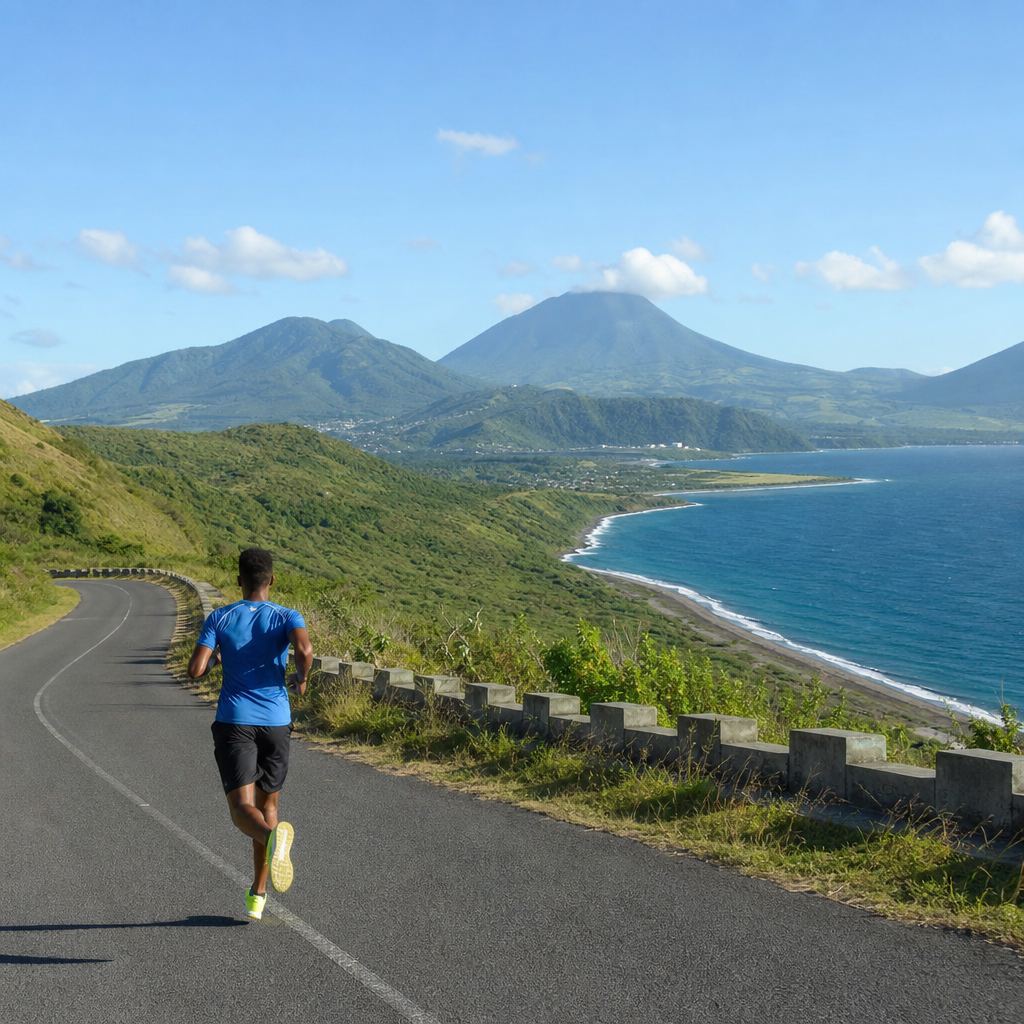
Running in Saint Kitts offers a rare combination of tropical scenery, varied terrain, and year-round outdoor access that makes the island exceptionally appealing for both residents and visitors. In practical terms, runners can move from calm beachfront roads to rolling inland climbs within a single session, which creates useful variety for endurance building, speed work, and recovery runs. When people search for the best running routes in Saint Kitts, they usually want three things: safe places to run, route options that match their fitness level, and a clear understanding of the health benefits they can expect. This guide addresses all three in one place.
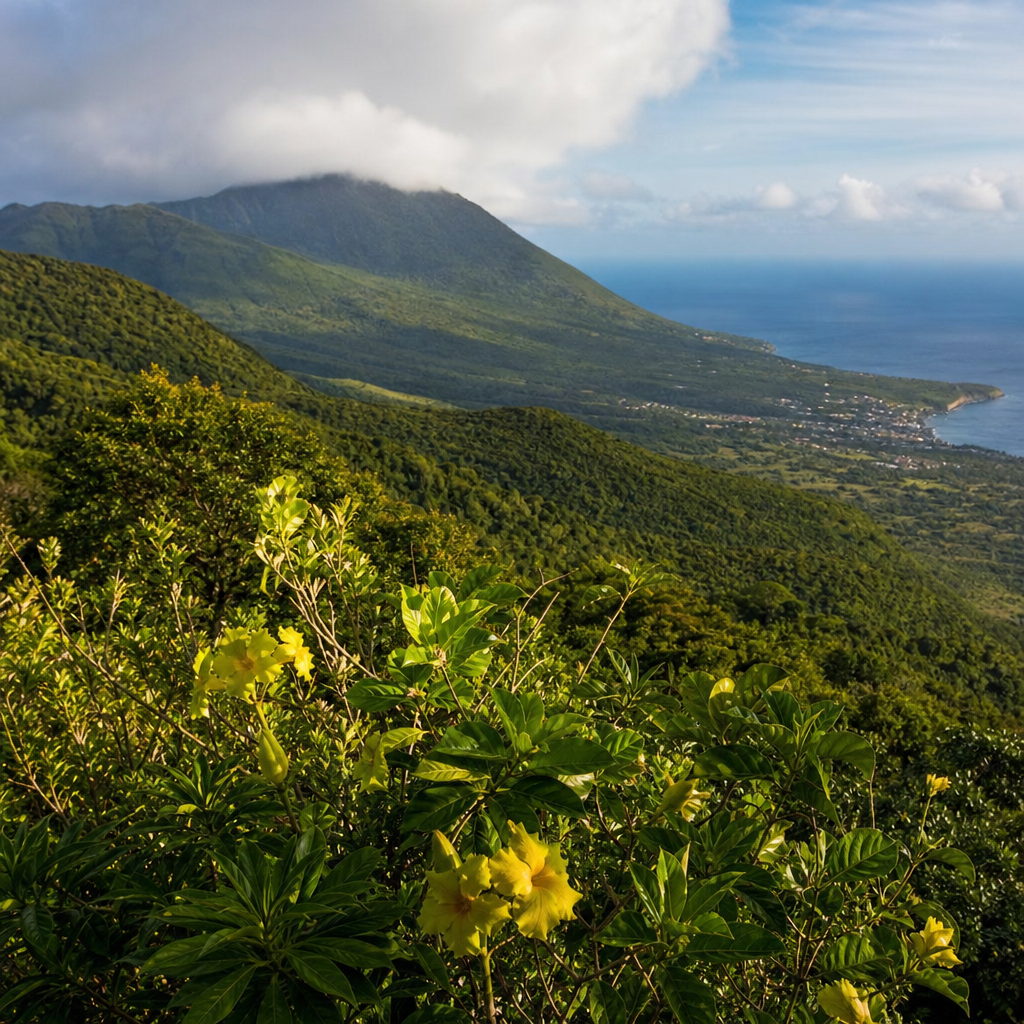
Saint Kitts, officially Saint Christopher Island, is the larger island in the Federation of Saint Kitts and Nevis. It combines a compact road network, coastal views, historic districts, and volcanic topography anchored by Mount Liamuiga. That geography matters because it shapes the running experience. Flat stretches near the Caribbean coast suit beginners and easy mileage, while inland roads and elevated neighborhoods create natural hill training without requiring a track or specialized facility. I have planned runs across resort corridors, urban streets near Basseterre, and quieter village roads, and the same lesson applies each time: route choice determines not just enjoyment, but injury risk, pacing, hydration needs, and training effect.
Running also fits naturally into a broader health and wellness routine on the island. It supports cardiovascular fitness, weight management, stress reduction, sleep quality, insulin sensitivity, and bone strength. In a destination where warm weather encourages outdoor movement, running can become the anchor habit that connects with walking, mobility training, strength work, and healthier eating. As a hub article, this page covers the miscellaneous essentials many runners overlook, including climate timing, road etiquette, safety, footwear choices, and how to adapt when humidity changes the effort level. Whether you are preparing for a vacation jog or building a consistent routine in Saint Kitts, the fundamentals below will help you run better and recover smarter.
Best Running Routes in Saint Kitts for Different Goals
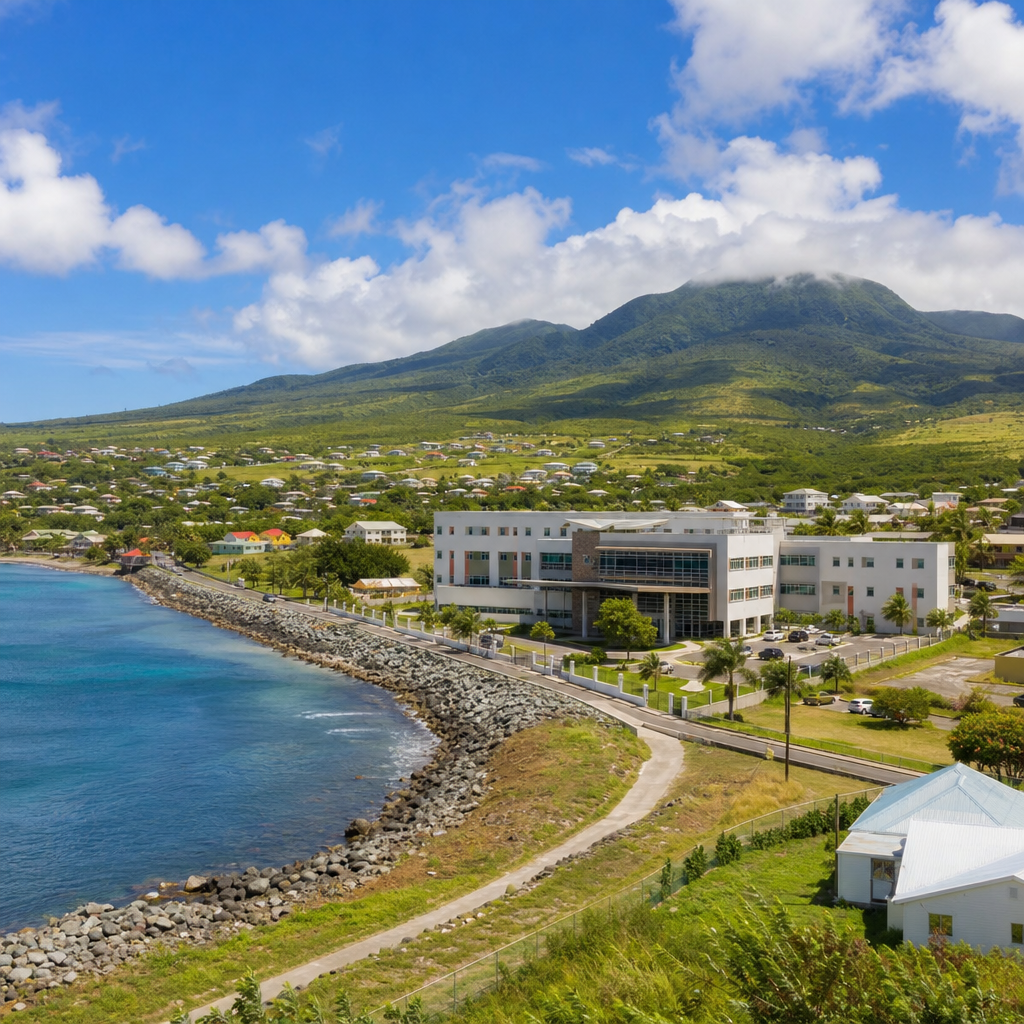
The best running routes in Saint Kitts depend on your goal for the day. If you want an easy scenic run, the Frigate Bay area is the most reliable starting point. Roads near the Southeast Peninsula provide long views of both the Caribbean Sea and the Atlantic, and the terrain is manageable for steady aerobic work. Early mornings are especially effective here because traffic is lighter, temperatures are lower, and the sun is less intense. For visitors staying in nearby hotels, this route is convenient enough to support consistency, which matters more than any single hard workout.
Basseterre offers a different experience. The capital has more traffic and activity, but it can work well for shorter runs, especially at dawn. Running near the Bay Road corridor or around quieter peripheral streets gives experienced runners access to urban energy and practical distance options. The key is timing. After sunrise, congestion and heat build quickly, and intersections require close attention. I treat Basseterre as a route for controlled mileage rather than relaxed sightseeing because stop-start movement can disrupt pacing and increase mental load.
For hill training, inland roads toward villages such as Cayon and routes climbing away from the coast provide excellent natural resistance. These climbs are not merely harder versions of flat running; they change biomechanics and training effect. Uphill running increases glute and calf recruitment, encourages shorter stride length, and raises heart rate quickly without needing sprint speed. That makes it effective for building strength endurance. Downhill sections, however, can be punishing on the quadriceps, so runners should manage effort and avoid overstriding.
The Southeast Peninsula remains the standout choice for long runs. The road alignment allows uninterrupted rhythm, scenic motivation, and enough space to settle into conversational pace. Because long runs are primarily aerobic, environment matters. A route that reduces repeated stopping and sharp turns helps maintain even effort and lowers frustration. On Saint Kitts, that usually means coastal stretches over dense town grids.
| Route Area | Best For | Typical Terrain | Main Advantage | Main Caution |
|---|---|---|---|---|
| Frigate Bay | Easy runs, tempo efforts | Mostly flat to rolling | Accessible, scenic, convenient | Heat after sunrise |
| Southeast Peninsula | Long runs, steady aerobic sessions | Rolling coastal road | Extended uninterrupted pacing | Limited shade |
| Basseterre outskirts | Short runs, maintenance mileage | Urban flat with stops | Central location | Traffic and intersections |
| Inland village roads | Hill repeats, strength endurance | Noticeable climbs and descents | Natural resistance training | Strain if pacing is poor |
If you are new to the island, start with a short reconnaissance run before attempting higher mileage. Sidewalk quality can vary, shoulders are inconsistent, and a route that appears simple on a map may feel very different once humidity, camber, and vehicle flow are added. For most runners, the smartest weekly mix is one easy run near Frigate Bay, one quality session using hills or a steady coastal stretch, and one longer run on the peninsula.
How Climate, Terrain, and Timing Affect Performance
Saint Kitts has a tropical climate, and that means heat management is part of training, not an optional detail. Air temperature alone does not tell the whole story. Humidity reduces evaporative cooling, so sweat does not remove heat as efficiently as it would in drier conditions. The result is a higher perceived exertion at the same pace. Runners often assume they have lost fitness when the real issue is environmental stress. In my experience, visitors especially make this mistake during the first two or three runs, then improve immediately once they slow down and hydrate properly.
The best time to run in Saint Kitts is usually early morning, roughly between 5:30 a.m. and 7:00 a.m., depending on season and location. Evening runs can also work, but retained daytime heat may still be significant, and visibility becomes more important on roads with limited lighting. Midday running is possible for acclimatized athletes, yet it is rarely the best choice for general wellness. The extra thermal load increases cardiovascular strain and can turn a beneficial workout into an avoidable recovery setback.
Terrain adds another layer. Coastal routes may look flat, but steady wind exposure can act like invisible hill work. A headwind on the peninsula raises effort enough to alter heart-rate zones, while a tailwind on the return can tempt runners into overpacing. Inland roads challenge stability and mechanics because repeated inclines change cadence and ground contact time. If your usual training environment is flat and cool, assume that Saint Kitts will require pace adjustment from the first session.
Acclimatization follows a predictable pattern. The American College of Sports Medicine and similar sports medicine guidance consistently support gradual exposure to heat over seven to fourteen days for meaningful adaptation. During that period, runners should reduce intensity, monitor urine color, and increase fluid and electrolyte intake. Acclimatization improves sweating efficiency and lowers thermal strain, but it does not eliminate risk. Even experienced runners must respect humidity, especially when sleep, alcohol intake, or travel fatigue have already reduced resilience.
Health Benefits of Running in Saint Kitts
The health benefits of running in Saint Kitts are the same core benefits observed globally, but the island setting can make adherence easier, and adherence is what drives outcomes. Regular running strengthens the cardiovascular system by increasing stroke volume, improving circulation, and helping lower resting heart rate over time. It also supports blood pressure management and improves lipid profiles when paired with sensible nutrition. Public health guidance from organizations such as the World Health Organization recommends adults accumulate at least 150 minutes of moderate-intensity aerobic activity weekly, and running is one of the most efficient ways to meet or exceed that target.
Running is also highly effective for metabolic health. Consistent aerobic training improves insulin sensitivity, helps regulate blood glucose, and contributes to body composition changes when total energy balance is managed. On Saint Kitts, where outdoor access is available most of the year, runners can maintain frequency without depending on indoor equipment. That practical convenience often matters more than idealized training plans. A simple routine of three to four runs each week produces measurable health gains for many adults, particularly when one session is longer and the others remain comfortably paced.
Mental health benefits are equally significant. Running reduces stress, improves mood, and can lessen symptoms of anxiety through multiple mechanisms, including endorphin release, structured routine, and the attentional reset created by rhythmic movement. Scenic running routes near the sea add another benefit: exposure to natural environments is associated with improved mental restoration and reduced perceived stress. I have seen runners who struggled with consistency indoors become dependable once they linked movement to sunrise views, ocean air, and a route they genuinely looked forward to using.
Bone and musculoskeletal health also deserve attention. Weight-bearing exercise helps maintain bone density, which is especially valuable with aging. Running can strengthen connective tissue tolerance when volume progresses sensibly, though it is not automatically protective if done recklessly. The benefit comes from progressive loading, adequate recovery, and complementary strength work for calves, hamstrings, glutes, and core stability. In other words, running is powerful, but its health return is highest when paired with mobility and resistance training rather than treated as a complete system by itself.
Safety, Gear, and Practical Running Tips
Safe running in Saint Kitts starts with visibility and route awareness. Not every road has a generous shoulder, and sidewalks are inconsistent outside certain developed areas. Wear bright clothing in low light, run facing traffic when local conditions make that safer, and avoid headphones that block ambient sound. On roads with bends or vegetation, assume drivers may not see you early. Defensive positioning matters more than perfect pace data.
Hydration strategy should be specific. For runs under forty-five minutes at easy effort, many runners can finish comfortably if they begin well hydrated. For longer sessions, especially on the Southeast Peninsula with little shade, carry water or plan bottle drop points. Electrolytes matter when sweat losses are high. Sodium replacement becomes more important in tropical conditions because heavy sweat without replacement can contribute to cramping, headaches, and post-run fatigue. A sports drink, electrolyte tablets, or a measured hydration mix can all work; the best option is the one you tolerate consistently.
Footwear selection should match surface and goal. Most routes in Saint Kitts are paved, so a road-running shoe with reliable cushioning and stable grip is ideal. Carbon-plated racing shoes are unnecessary for casual island mileage and can feel harsh on uneven road edges. If you plan to explore steeper rural routes or mixed surfaces, choose a versatile trainer with secure outsole traction. Socks matter more than many runners expect in humid conditions; moisture-managing materials reduce friction and blister risk better than basic cotton.
Sun protection is another performance issue, not just a cosmetic one. Use a lightweight cap, sunscreen with broad-spectrum coverage, and sunglasses if glare is strong on coastal roads. Heat illness often develops progressively: elevated heart rate, unusual fatigue, chills, headache, dizziness, or confusion are warning signs that require immediate action. Stop, move to shade, cool down, and rehydrate. There is no value in pushing through symptoms that suggest rising thermal strain.
Finally, respect progression. Vacation enthusiasm leads many runners to double their usual effort because the scenery feels energizing. That is exactly when calf tightness, Achilles irritation, and hamstring soreness appear. Increase mileage gradually, keep easy days easy, and use walking breaks without hesitation. Smart restraint is part of effective training.
Building a Sustainable Running Routine on the Island
A sustainable running routine in Saint Kitts is built around consistency, recovery, and route rotation. The simplest structure for general health is three runs per week: one easy run of thirty to forty minutes, one quality session with hills or steady tempo work, and one longer aerobic run. Beginners can start with run-walk intervals, such as three minutes running and one minute walking, repeated for twenty to thirty minutes. That format improves fitness while controlling impact load.
Recovery habits determine whether running remains enjoyable. Sleep, hydration, protein intake, and calf mobility all influence how ready you feel on the next outing. In a warm climate, easy runs should stay easy enough that you finish feeling refreshed rather than depleted. If every run becomes a race against the heat, consistency usually collapses within weeks. Heart-rate monitoring can help, but honest effort control works just as well for most recreational runners.
As a hub for broader health and wellness topics, running connects naturally to nutrition, stress management, active travel, and preventive health. It encourages daily structure, supports healthier food choices, and makes people more aware of sleep quality, joint discomfort, and energy balance. On Saint Kitts, that connection is especially strong because the environment rewards outdoor habits. A short morning run often becomes the trigger for better decisions across the rest of the day.
Running in Saint Kitts is rewarding because it combines practical fitness with memorable surroundings. The best routes include Frigate Bay for convenience, the Southeast Peninsula for long scenic efforts, Basseterre outskirts for short maintenance runs, and inland roads for hill training. The main health benefits include stronger cardiovascular fitness, better metabolic control, improved mood, weight management support, and durable musculoskeletal loading when training is progressive. The main cautions are equally clear: start early, respect humidity, hydrate deliberately, and choose routes that match your experience level. If you want to improve health while enjoying the island more deeply, pick one route, schedule three runs this week, and build from there.
Frequently Asked Questions
What are the best running routes in Saint Kitts for safety, scenery, and convenience?
Some of the best running routes in Saint Kitts combine reliable footing, lighter traffic, and memorable island views. For many runners, the Frigate Bay area is a top choice because it offers relatively accessible roads, coastal scenery, and a layout that works well for both short easy runs and longer out-and-back sessions. The Southeast Peninsula is also popular, especially for runners who want open views of the sea, steady stretches of road, and a more scenic destination-style experience. These routes are especially appealing early in the morning, when temperatures are lower and vehicle activity is often lighter.
For runners staying near Basseterre, selected roads on the edge of town can be practical for convenience, but it is important to choose times of day carefully and stay alert to traffic. Inland routes may offer rolling terrain that is excellent for building strength and endurance, though they can be more demanding because of elevation changes and heat exposure. Visitors who want a simple, low-stress run often do best starting with beachfront or resort-adjacent roads before exploring more challenging sections of the island. In general, the best route depends on your goal: scenic recovery miles near the coast, controlled tempo efforts on quieter stretches, or hill-focused training inland. Asking locals, hotel staff, or running groups about current road conditions and safety is always a smart step before heading out.
Is Saint Kitts a good destination for runners of different fitness levels?
Yes, Saint Kitts can work very well for runners across a wide range of fitness levels, from beginners looking for scenic walks and jogs to experienced athletes seeking challenging hill sessions. One of the island’s biggest strengths is variety. A newer runner can choose flatter coastal stretches for short, manageable outings with plenty of visual interest, while a more advanced runner can take advantage of rolling roads and longer climbs to add intensity without needing a track or specialized training facility. That flexibility makes the island especially appealing for travelers who want to stay active without overcomplicating their routine.
Another benefit is that running in Saint Kitts naturally encourages effort-based training rather than pace obsession. Heat, humidity, and terrain can all affect speed, so many runners find it easier to focus on time, consistency, and perceived exertion. That is actually beneficial for long-term development, because it promotes body awareness and smarter pacing. Beginners can keep sessions short, run early, and build gradually, while seasoned runners can use the environment for aerobic conditioning, hill repeats, and stamina work. As long as runners respect the climate, hydrate properly, and choose routes appropriate for their ability, Saint Kitts can be both welcoming and highly effective as a running destination.
What health benefits can you expect from running regularly in Saint Kitts?
Running regularly in Saint Kitts offers the core physical benefits associated with endurance exercise, including improved cardiovascular health, better circulation, stronger lungs, increased stamina, and support for healthy weight management. Consistent running can help lower stress levels, improve sleep quality, and contribute to better metabolic health as well. What makes Saint Kitts especially interesting is how the island’s terrain can naturally diversify training. Flat coastal stretches are ideal for easy aerobic miles and recovery runs, while inland hills help strengthen the legs, glutes, and core and can improve overall running economy.
There is also an important mental and emotional benefit to running in a tropical environment. Exposure to ocean views, fresh air, and changing landscapes can make exercise feel less repetitive and more restorative. Many runners find that scenic routes help them stay consistent, which is one of the most important factors in seeing real health improvements over time. The island’s year-round outdoor access also supports routine, especially for people who struggle to maintain fitness in colder climates. Of course, the climate adds intensity, so runners should adjust expectations and train intelligently. When done consistently and safely, running in Saint Kitts can support heart health, muscular endurance, stress reduction, and a stronger overall sense of well-being.
What is the best time of day to run in Saint Kitts, and how should you prepare for the climate?
The best time of day to run in Saint Kitts is usually early morning, ideally shortly after sunrise. At that time, temperatures are generally cooler, the sun is less intense, and roads may be quieter, all of which improve comfort and safety. Late afternoon can also work, but conditions may still be warm and humid depending on the season. Midday running is usually the least favorable option because heat buildup, direct sun exposure, and dehydration risk can rise quickly, especially for visitors who are not yet acclimated to tropical weather.
Preparation matters as much as route choice. Hydration should begin before the run, not just during or after it, and longer efforts may require fluids with electrolytes. Lightweight, breathable clothing is strongly recommended, along with sunscreen and, for some runners, a hat or visor to reduce sun exposure. Because humidity can make the effort feel harder than expected, it is wise to slow your pace and use effort as your guide. Shortening the run is often smarter than forcing a workout in harsh conditions. If you are visiting from a cooler climate, give yourself a few days to adapt before attempting longer or faster sessions. In Saint Kitts, successful running is less about pushing through the weather and more about training with the climate in mind.
How can visitors and residents run safely on Saint Kitts roads and make the most of their experience?
Running safely in Saint Kitts starts with choosing routes deliberately rather than assuming every road will be equally runner-friendly. Roads with better visibility, lower traffic volumes, and wider shoulders are generally preferable, especially for solo runners and visitors unfamiliar with local driving patterns. Running early in the day improves visibility and often reduces exposure to both traffic and heat. Bright or reflective clothing can help drivers notice you more easily, and staying alert is essential on roads with curves, limited shoulders, or changing surface conditions.
It is also helpful to treat each run as part workout, part exploration. Carrying a phone, sharing your route, and knowing where you can access water or return transportation can make a big difference, particularly on longer runs. Visitors may benefit from starting with resort-area loops or well-known coastal stretches before moving into more remote or hilly sections. Residents and repeat visitors can gradually learn which roads are best for easy days, long runs, and hill work. The best overall strategy is to combine common sense with local insight: ask hotel staff, local runners, or community fitness groups where people are currently running and whether any roads should be avoided at certain times. With thoughtful planning, Saint Kitts can offer a running experience that is not only safe and practical, but also unusually rewarding thanks to its scenery, climate, and route diversity.