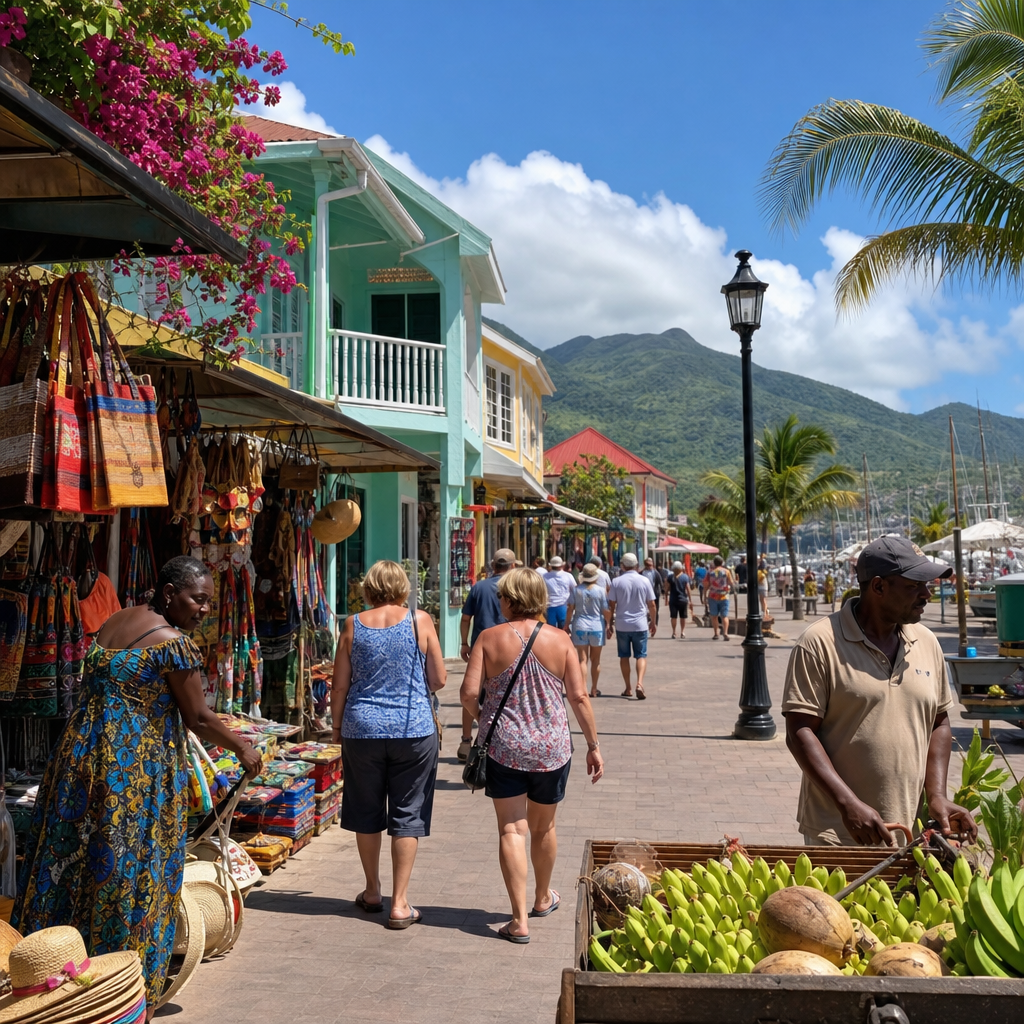
Tourism shapes daily life on Nevis more directly than any other modern industry, influencing jobs, public revenue, small business survival, land use, food demand, and the preservation of cultural identity. When people ask about the impact of tourism on Nevis’ local economy, they usually mean more than hotel occupancy or cruise arrivals. They want to understand how visitor spending moves through a small island system, who benefits first, where money leaks out, and what conditions allow tourism growth to strengthen local life instead of distorting it. On Nevis, those questions matter because the island’s economy is compact, highly visible, and unusually sensitive to shifts in external demand. A new hotel contract, a canceled flight rotation, or a strong winter season can be felt quickly by taxi drivers, farmers, artisans, restaurateurs, maintenance crews, and government departments.
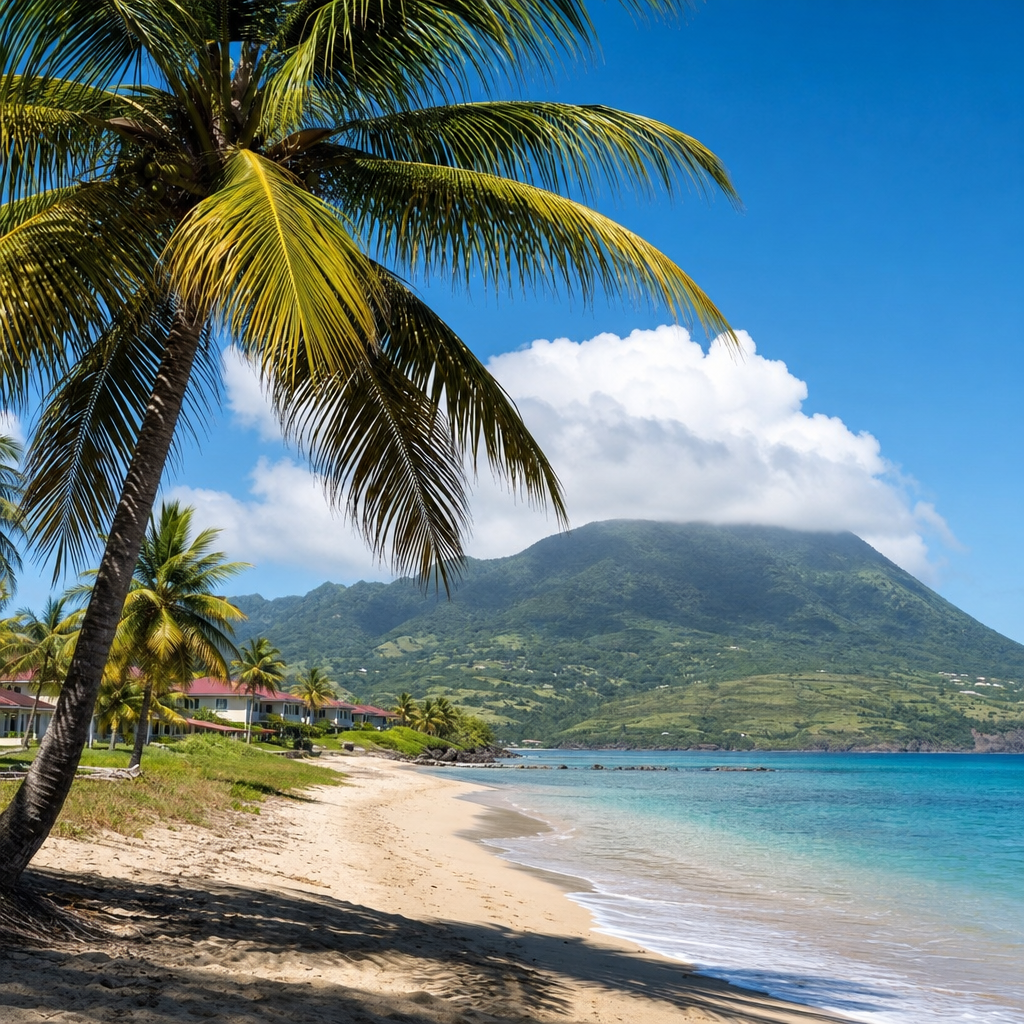
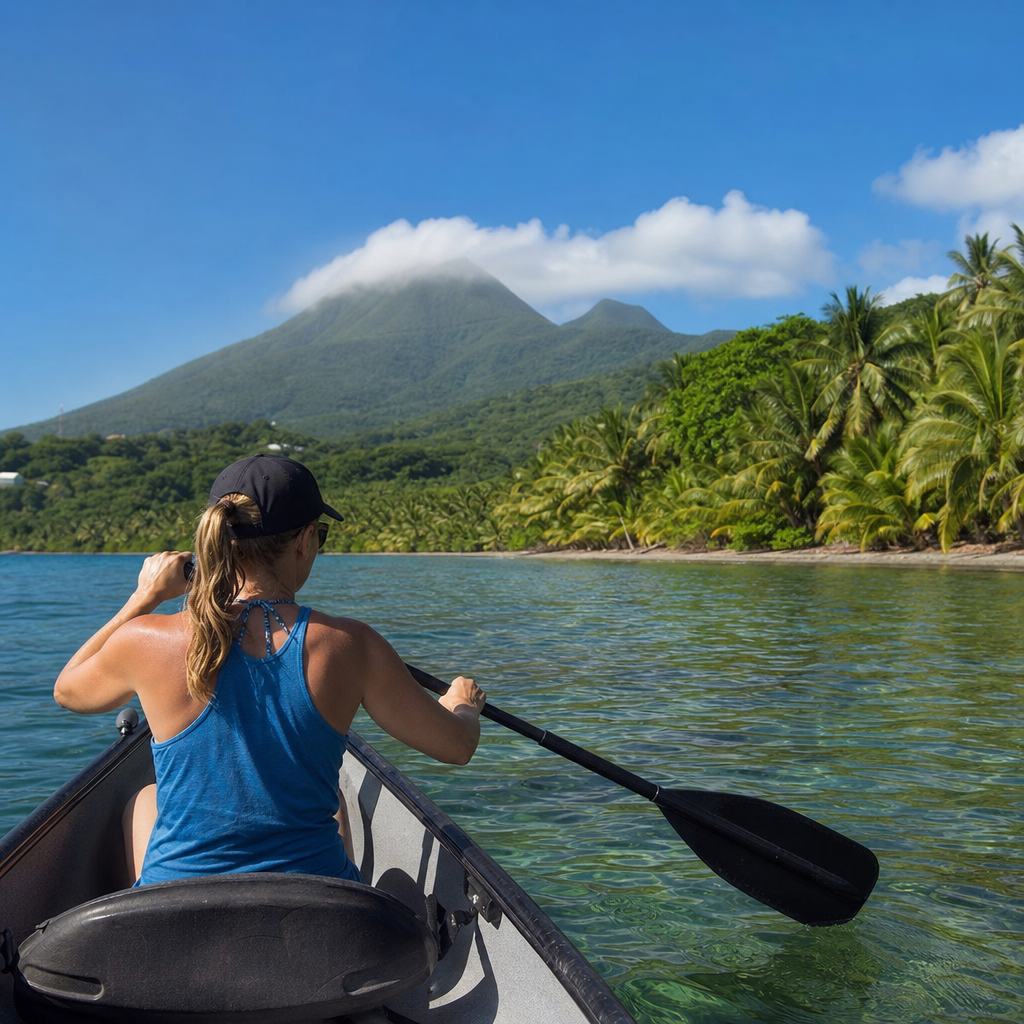
Nevis is part of the Federation of Saint Kitts and Nevis, but it has its own economic rhythm, shaped by a quieter tourism model than many Caribbean destinations. The island is known for boutique resorts, heritage sites, villas, thermal springs, hiking around Nevis Peak, and a reputation for privacy that attracts repeat travelers. That profile matters economically. Nevis is not built around mass tourism alone; it depends heavily on stayover guests, second-home owners, yachting visitors, wedding parties, and travelers seeking a more personal experience. Each segment spends differently, uses different local services, and creates different pressures on roads, utilities, labor markets, and coastal spaces. Understanding those distinctions is essential for anyone evaluating the island’s development path.
In practical terms, tourism is the set of activities tied to visitors spending money away from their normal place of residence. The local economy includes direct tourism businesses such as hotels, guesthouses, restaurants, tour operators, beach bars, and taxis, but it also includes indirect suppliers like fishermen, farmers, construction firms, laundry services, accountants, internet providers, and fuel distributors. Then there is the induced effect: when people employed by tourism spend their wages at grocery stores, on school fees, housing repairs, and transport, they support more economic activity. I have seen this multiplier effect clearly on small islands. One thriving property can keep dozens of surrounding enterprises busy, while one weak season can ripple outward with equal speed.
This matters now because tourism on Nevis sits at the center of a broader local-life conversation. Residents care about whether visitor growth improves livelihoods, whether young people can build careers without leaving, whether village businesses can compete, and whether cultural traditions are being presented respectfully rather than packaged carelessly. For policymakers and entrepreneurs, the challenge is not simply attracting more visitors. It is increasing the local share of tourism value, reducing import dependence, spreading demand beyond a few enclaves, and protecting the qualities that make Nevis appealing in the first place. A realistic assessment of tourism’s economic impact must therefore include both gains and tradeoffs. The island benefits meaningfully from tourism, but the quality of those benefits depends on ownership patterns, infrastructure planning, workforce training, and the strength of links between visitors and local producers.
How Tourism Generates Income and Employment on Nevis
The most immediate economic effect of tourism on Nevis is income generation through visitor spending. Guests pay for rooms, meals, transport, tours, spa treatments, retail purchases, marina services, event fees, and property rentals. That spending supports direct employment in hotels, villas, restaurants, bars, water sports, landscaping, housekeeping, security, maintenance, administration, and transportation. On an island of Nevis’ size, even a modest increase in average visitor expenditure can create meaningful gains because businesses operate within a close network. A wedding group booking rooms, rehearsal dinners, floral services, musicians, photographers, and airport transfers can activate multiple local suppliers in a single week.
Employment effects extend well beyond front-of-house hospitality roles. Tourism creates demand for electricians, plumbers, pool technicians, carpenters, AC repair specialists, gardeners, drivers, and food distributors. Resort upkeep is continuous in a tropical environment, and that maintenance cycle provides steady work when properties choose local contractors. I have seen islands strengthen their labor markets simply by formalizing procurement practices so that local firms, not only offshore vendors, can bid on routine service contracts. On Nevis, this is especially important because the island’s tourism product depends on appearance, reliability, and personalized service rather than sheer scale. Skilled labor quality directly affects guest satisfaction and repeat bookings.
Seasonality still shapes the employment picture. High season generally brings fuller occupancy, more restaurant traffic, and stronger tour demand, while slower periods can reduce hours or delay hiring. That means tourism jobs are economically significant but not always evenly distributed throughout the year. The strongest local outcomes usually come when businesses diversify into events, domestic dining, heritage programming, wellness retreats, and remote-work stays that help smooth demand across months.
The Multiplier Effect Across Small Businesses and Suppliers
The clearest sign that tourism is helping the local economy is not just full hotels; it is visible business activity across the island. When tourism works well, money circulates from visitor-facing enterprises into supply chains. Restaurants buy fish, produce, baked goods, and beverages. Villas hire cleaners, gardeners, drivers, and maintenance crews. Retail shops source crafts, clothing, and gift items. Event planners use decorators, tent suppliers, musicians, and caterers. This circulation is what economists describe as the multiplier effect, and on Nevis it can be substantial because distances are short and service relationships are personal.
However, small-island tourism also faces leakage, which occurs when tourism revenue quickly exits the local economy through imported food, foreign-owned booking platforms, offshore insurance, overseas management contracts, and externally sourced building materials. Leakage does not erase tourism’s value, but it reduces the amount retained on island. The practical policy question is how to increase local capture. Better farm-to-hotel coordination, stronger local branding, digital booking capability for small operators, and procurement targets for resorts can all improve retention.
| Tourism Activity | Direct Local Benefit | Main Leakage Risk | Best Local Retention Strategy |
|---|---|---|---|
| Hotel stays | Wages, utilities, housekeeping, maintenance | Foreign ownership and imported supplies | Local sourcing contracts and staff training |
| Restaurant dining | Jobs for cooks, servers, drivers, farmers | Imported food and beverages | Farm and fishery purchasing plans |
| Tours and excursions | Guide income, transport revenue, site fees | Platform commissions and outside operators | Direct booking and destination partnerships |
| Villa rentals | Cleaning, landscaping, concierge services | Off-island management and furnishing imports | Local property management networks |
For a hub page on Nevis miscellaneous local life and experiences, this supplier network is essential because it connects tourism to nearly every daily economic activity. It also creates internal linking opportunities to deeper topics such as restaurants, transportation, agriculture, festivals, arts, and real estate, all of which sit naturally under the same local-life umbrella.
Government Revenue, Infrastructure, and Public Services
Tourism contributes to public finances through taxes, duties, service charges, business licenses, property-related fees, and spending that supports broader economic activity. On Nevis, government revenue tied to tourism helps fund road maintenance, waste collection, utilities upgrades, environmental management, health services, and destination marketing. The relationship is not always linear, but the connection is real. A stronger tourism base gives public agencies more room to invest in the systems residents rely on every day.
Infrastructure improvements often begin with visitor expectations but end up serving the resident population as well. Better roads to beaches, heritage attractions, and resort areas improve local mobility. Upgrades to broadband, water systems, marina facilities, or power resilience can support businesses beyond tourism. In many island settings, the most durable tourism benefits emerge when infrastructure is designed for shared use rather than enclave consumption. If a project only moves visitors from airport to resort without improving local access or reducing bottlenecks, its wider economic value is limited.
There are costs too. Tourism increases pressure on waste systems, coastal management, freshwater supply, and energy use. Small islands face high utility costs and limited landfill space, so a rise in visitor numbers can expose infrastructure weaknesses quickly. Sound fiscal planning requires that tourism-related revenues help cover these long-term costs, not just near-term promotion.
Real Estate, Investment, and the Cost of Living
Tourism influences land values and housing markets, especially where villas, second homes, and resort-branded residences are part of the destination mix. On Nevis, this can be economically positive when outside investment funds construction, creates jobs, raises property standards, and expands the tax base. High-end developments often generate work for surveyors, contractors, masons, landscapers, and legal professionals. They can also support year-round demand for caretaking, security, housekeeping, and property management.
At the same time, rising land prices can create affordability concerns for local residents. When short-term rental income outperforms long-term housing returns, owners may shift units away from local tenants. Service workers can then face higher rents or longer commutes. This is a common tourism economy tension, and Nevis is not immune to it. The best responses usually combine land-use planning, support for local home ownership, clear development standards, and data on rental market changes. Growth is healthiest when investment expands opportunity without displacing the workforce that keeps the destination running.
Real estate demand also affects construction imports, financing patterns, and labor allocation. If too much capital concentrates in prestige developments with weak local supplier linkages, the economy can look busy while retaining less value than expected. Balanced investment matters more than headline project size.
Agriculture, Fisheries, Culture, and the Visitor Experience
Tourism can either weaken local production by increasing import dependence or strengthen it by creating premium markets for island-grown and island-made goods. On Nevis, the better path is clear: visitors increasingly want distinctive local experiences, and that demand can support farmers, fishers, cooks, historians, artists, and musicians if supply chains are organized well. Menus that identify local catch, breadfruit, mango, coconut, herbs, and goat water are not just branding tools; they are economic connectors. They turn cultural knowledge and agricultural output into higher-value experiences.
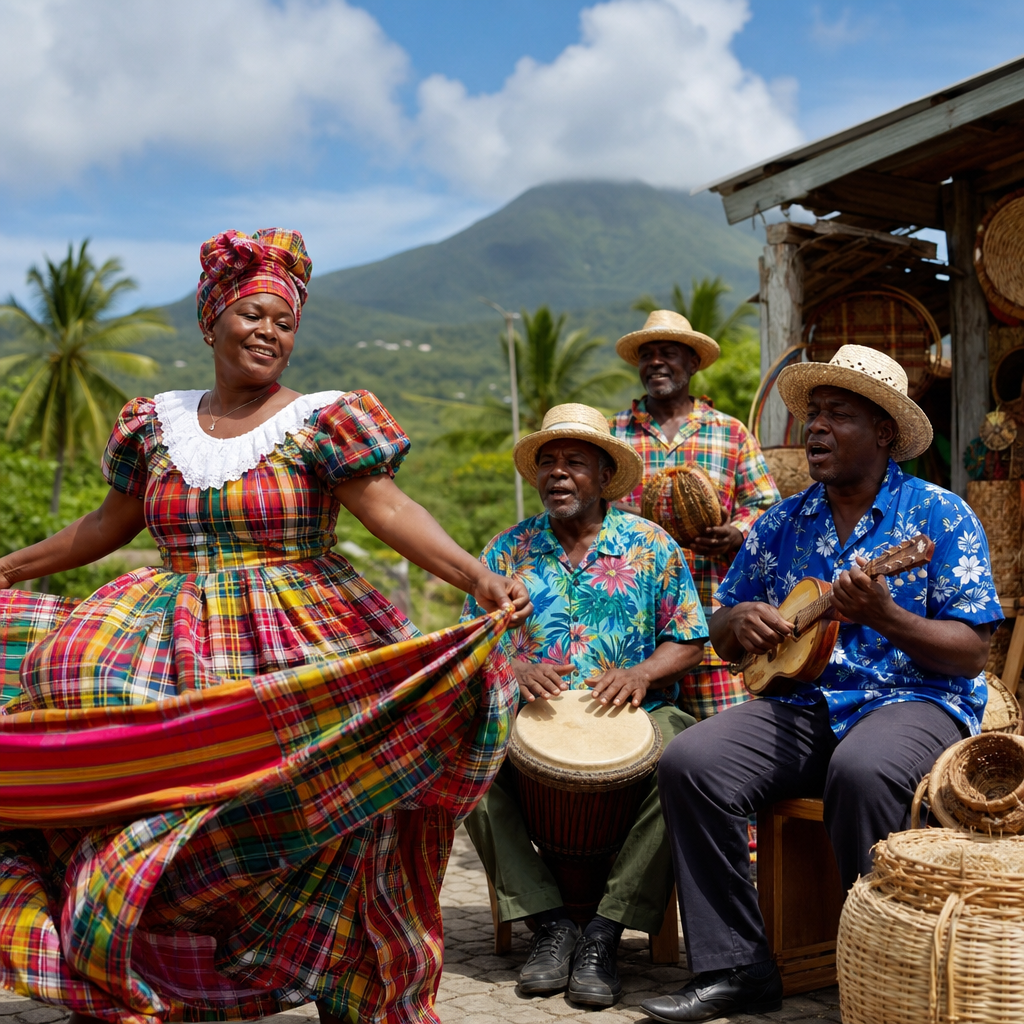
Heritage tourism also matters. Nevis has a strong historical identity linked to plantation history, emancipation, architecture, churches, village traditions, and notable figures including Alexander Hamilton. Well-managed heritage sites, museum programming, walking tours, and storytelling events keep spending local while deepening the visitor experience. In my experience, these products often deliver better margins than generic activities because they cannot be easily copied by competing destinations. Authenticity is an economic asset when communities control how it is presented.
Cultural tourism, however, needs standards. Poorly designed performances or souvenir offerings can flatten living traditions into stereotypes. The goal is not to stage culture for outsiders at any cost. It is to support creators, preserve meaning, and let residents benefit materially from sharing what is genuinely theirs.
Risks, Resilience, and the Future of Sustainable Growth
The biggest economic risk in tourism is overdependence on conditions Nevis cannot control. Global recessions, hurricanes, airline disruptions, pandemics, and shifts in traveler sentiment can reduce arrivals quickly. Small islands feel these shocks intensely because tourism touches so many sectors at once. The lesson from recent disruptions across the Caribbean is not that tourism is unreliable; it is that resilience must be built intentionally. Diversified source markets, strong domestic enterprise capacity, digital marketing control, workforce cross-training, and emergency planning all reduce vulnerability.
Environmental resilience is equally important. Beaches, reefs, hiking trails, and scenic coastlines are core economic assets. If overdevelopment damages them, tourism weakens its own foundation. Standards from organizations such as the Caribbean Tourism Organization, the United Nations World Tourism Organization, and sustainable hotel certification programs consistently point to the same conclusion: destinations that protect natural capital and community character remain competitive longer. On Nevis, that means careful coastal development, water efficiency, renewable energy adoption where feasible, and strict attention to waste management.
The long-term opportunity is not to become the busiest island in the region. It is to become one of the best-managed small-island visitor economies: high quality, locally connected, culturally grounded, and environmentally disciplined. That model typically produces stronger spending per visitor, better resident support, and less infrastructure strain than volume-driven tourism.
Tourism has a profound impact on Nevis’ local economy because it is both a revenue engine and a social organizing force. It creates jobs directly in hospitality and indirectly across transport, construction, food supply, maintenance, and creative industries. It strengthens public revenue, supports infrastructure, and attracts investment that can improve the island’s business base. At its best, it also gives farmers, fishers, artisans, historians, and musicians a viable market for distinctly Nevisian products and experiences. Those are real benefits, and they explain why tourism remains central to local economic planning.
But the full picture is more demanding than simple arrival numbers. The quality of tourism matters as much as the quantity. If spending leaks offshore, if development prices residents out of housing, or if natural and cultural assets are overused, the local economy captures less of the upside. The strongest path for Nevis is one that keeps visitor spending circulating on island, broadens local ownership, invests tourism revenue in shared infrastructure, and protects the landscapes and traditions that differentiate the destination. In practical terms, success means more local sourcing, smarter planning, stronger small-business participation, and consistent standards across the visitor economy.
For readers exploring Local Life and Experiences on Nevis, this hub should be the starting point for understanding how miscellaneous island activities connect back to tourism and economic wellbeing. The next step is simple: look deeper at the linked topics beneath this hub, from food and transport to heritage, festivals, and neighborhood business life, and evaluate each one through the same lens—how much value stays local, and who benefits when tourism grows.
Frequently Asked Questions
How does tourism support Nevis’ local economy beyond hotels and resorts?
Tourism supports Nevis’ economy through a much wider chain of activity than most people realize. Hotels, guesthouses, villas, and restaurants are the most visible parts of the industry, but visitor spending also reaches taxi drivers, tour guides, musicians, farmers, fishers, craft vendors, construction crews, landscapers, cleaners, and maintenance workers. When a visitor books a room, pays for local transport, eats in town, buys handmade goods, or hires a local guide, that money begins circulating through multiple layers of the island’s economy.
In a small island system like Nevis, this circulation matters because many businesses depend on tourism either directly or indirectly. A restaurant serving visitors may buy produce from local growers. A villa owner may employ gardeners, housekeepers, and repair technicians. Cultural events that attract tourists can also create paid opportunities for performers, caterers, decorators, and event organizers. Public revenue can benefit as well through taxes, service fees, licenses, and import-related duties connected to tourism activity. That revenue can then support roads, utilities, public services, and community infrastructure.
Just as importantly, tourism influences confidence in the wider economy. Strong visitor demand can encourage investment in new businesses, renovations, transportation services, and food supply networks. In that sense, tourism is not just a single sector on Nevis; it acts as an economic driver that touches employment, entrepreneurship, public finance, and local consumption patterns across the island.
Who benefits first from tourism spending on Nevis, and how does that money spread through the island?
The first beneficiaries of tourism spending are usually businesses that interact directly with visitors. These include accommodation providers, restaurants, beach bars, transport operators, excursion companies, retailers, and hospitality workers receiving wages or tips. This is the most immediate layer of impact, and it is often the easiest to measure because it shows up in bookings, sales, payroll, and visitor transactions.
The second layer includes the local suppliers and service providers that support those front-facing businesses. For example, when a hotel earns revenue, it may spend money on laundry services, produce, seafood, repairs, landscaping, security, accounting, utilities, and local staffing. A restaurant serving tourists may purchase fish from local fishers, fruits and vegetables from farmers, baked goods from local kitchens, and cleaning supplies from local wholesalers. This is where tourism becomes especially important to the broader economy, because one visitor dollar can support several connected businesses if those supply links are strong.
A third layer appears when workers and business owners spend their earnings locally. Wages paid in the tourism sector may be used for groceries, school expenses, transport, rent, home improvement, and health needs. That household spending helps sustain shops, tradespeople, and neighborhood services. The stronger this local recirculation, the more valuable tourism becomes to Nevis as a whole. However, the spread is not automatic. It depends on how much of the tourism product is sourced locally, how many businesses are locally owned, and whether the island has the systems in place to keep spending moving through Nevis rather than leaving it quickly.
What does “money leakage” mean in tourism, and why is it important for Nevis?
Money leakage refers to the portion of tourism revenue that leaves the local economy instead of staying on the island. This happens when hotels, restaurants, and tourism operators import large volumes of food, beverages, equipment, furnishings, fuel, or other supplies because they cannot source them locally. Leakage also occurs when profits go to off-island owners, when marketing and booking commissions are paid abroad, or when major development financing is structured so that returns flow to external investors rather than to Nevis-based businesses or households.
This issue is especially important for Nevis because small island economies often rely on imports and have limited production capacity in some sectors. A hotel may appear financially successful, but if much of what it sells depends on imported inputs, the overall benefit to the local economy can be smaller than gross tourism numbers suggest. In other words, high visitor spending does not always mean high local retention of income.
Reducing leakage does not mean rejecting tourism growth. It means designing tourism in a way that creates stronger local linkages. That includes buying more produce from Nevis farmers, sourcing seafood locally when possible, contracting local trades and service providers, promoting locally owned excursions, and encouraging the sale of local art, music, culture, and products. It also includes workforce development so more residents can fill skilled positions rather than having those roles imported. The more Nevis can connect tourism demand to domestic supply, the more each visitor contributes to lasting local economic value.
How does tourism affect land use, food demand, and everyday life on Nevis?
Tourism shapes daily life on Nevis because it influences how land is valued, how food systems respond, and how communities organize around opportunity. As visitor demand grows, coastal land and scenic areas often become more attractive for villas, resorts, restaurants, and tourism-related real estate. That can increase property values and create construction activity, which may benefit landowners, contractors, and investors. At the same time, rising land prices can make housing or business expansion more difficult for local residents if planning and development are not carefully balanced.
Food demand is another major effect. Tourism creates a consistent market for fresh seafood, fruits, vegetables, herbs, prepared foods, and beverages. This can be a valuable opportunity for local farmers and fishers if they are able to meet quality, volume, and consistency requirements. Hotels and restaurants often need dependable supply, standardized packaging, and regular delivery. When local producers can meet those needs, tourism strengthens domestic agriculture and fisheries. When they cannot, businesses turn to imports, and a large potential benefit is lost.
Everyday life is also influenced by employment patterns, traffic flows, infrastructure use, and seasonal shifts in business activity. Communities may see more demand for roads, water, waste services, and public amenities in tourism-heavy areas. Socially, tourism can bring energy, cultural exchange, and income opportunities, but it can also create pressure if local traditions are treated only as attractions rather than as living parts of community identity. The best outcomes usually happen when tourism development is aligned with local planning, supports community needs, and respects the island’s scale, culture, and environmental limits.
Can tourism help preserve Nevisian culture and create long-term economic growth?
Yes, tourism can help preserve Nevisian culture and support long-term growth, but only if it is developed intentionally. Cultural identity has real economic value on Nevis because visitors are often looking for more than beaches and accommodations. They want authentic food, music, storytelling, history, architecture, festivals, craftsmanship, and a sense of place that cannot be duplicated elsewhere. When those experiences are presented respectfully and led by local people, tourism can generate income while reinforcing cultural pride and intergenerational knowledge.
For example, heritage tourism can support museums, historic sites, guided history tours, traditional cuisine, local performance, and artisan production. Cultural events can create earnings for musicians, dancers, chefs, designers, and vendors while also strengthening community visibility. These activities help diversify tourism beyond room sales and encourage spending in locally rooted enterprises. They also make the destination more distinctive, which can improve resilience by attracting visitors who value quality and authenticity rather than only volume.
Long-term economic growth depends on whether tourism builds local capacity instead of just creating short-term demand. That means investing in training, entrepreneurship, infrastructure, agricultural linkages, environmental protection, and policies that encourage local ownership. It also means protecting the cultural and natural assets that make Nevis attractive in the first place. If tourism grows too quickly without regard for community character or resource limits, it can weaken the very foundation of its success. But if managed well, tourism can do more than bring visitors; it can help Nevis create a more inclusive, locally anchored economy that supports both heritage preservation and sustainable prosperity.